+86-15726853660 / +86-18301913645
+86-15726853660 / +86-18301913645
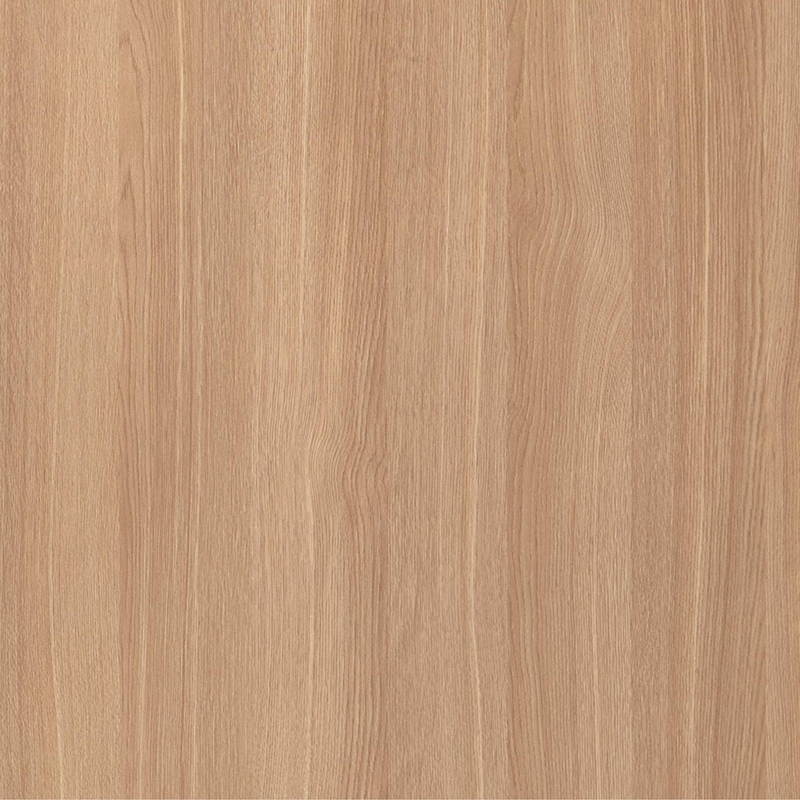
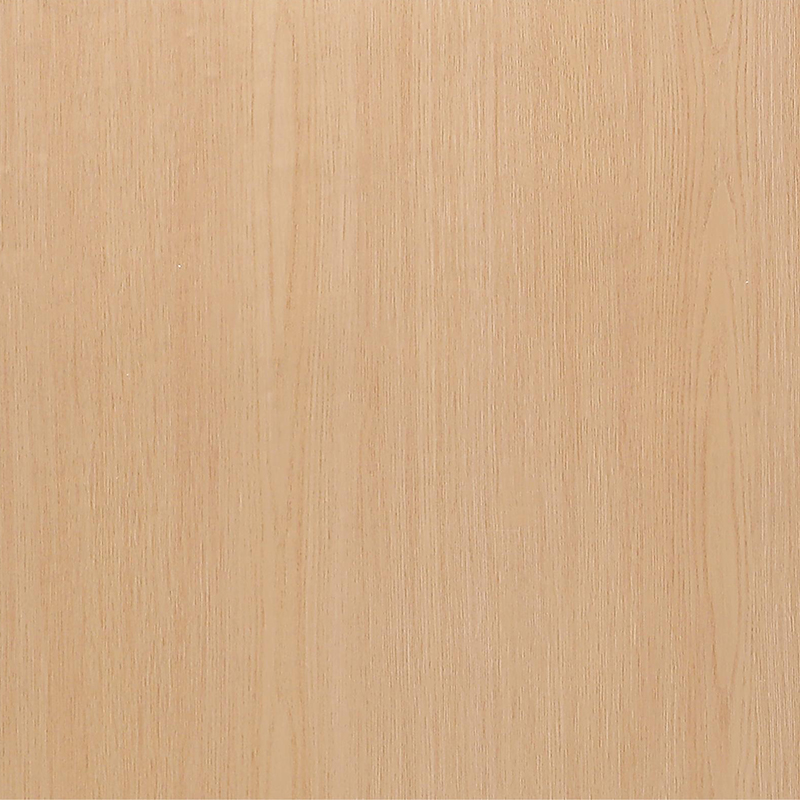
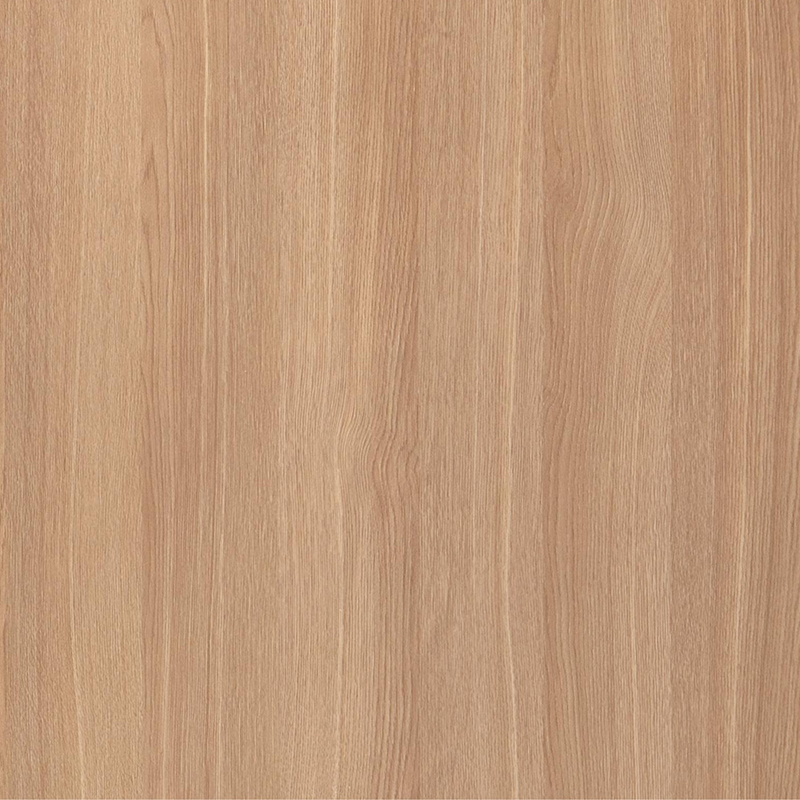
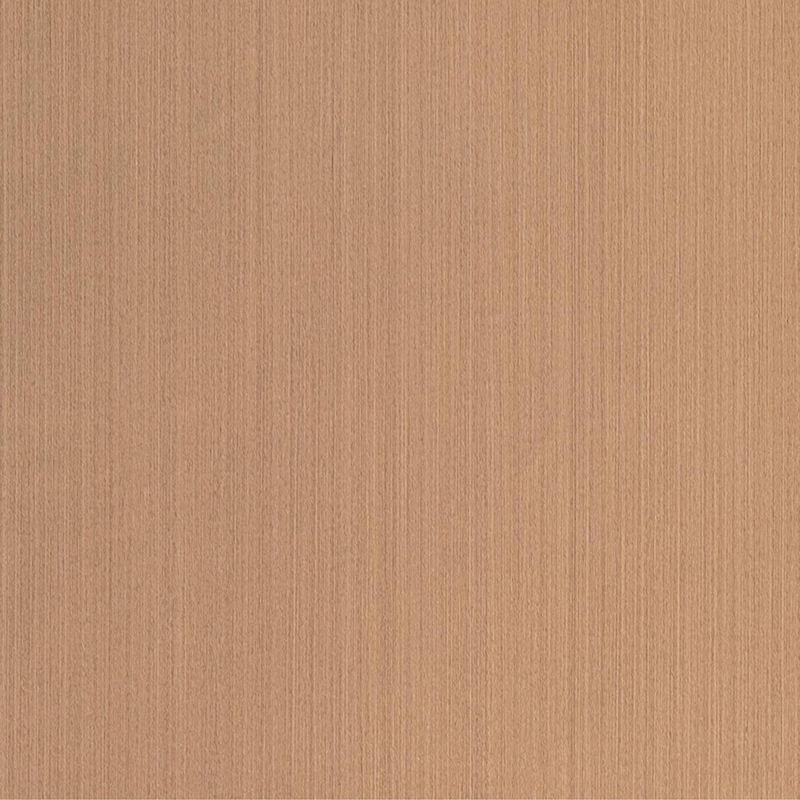
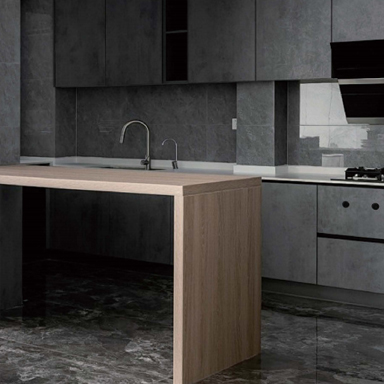
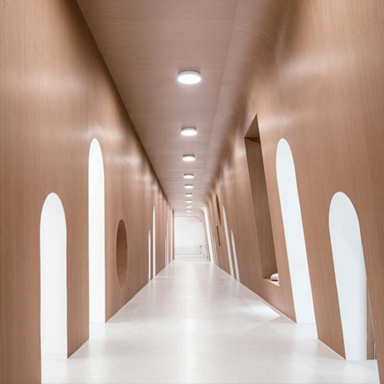
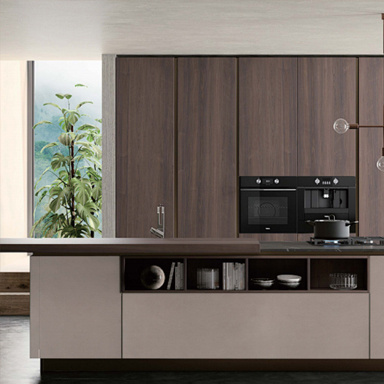
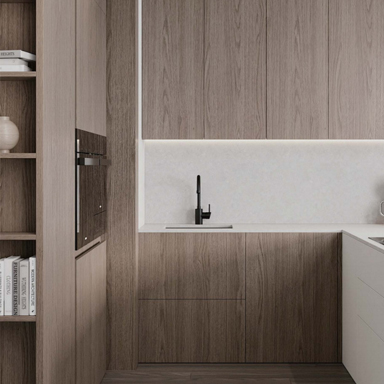
PVC Lamination Film is widely applied in furniture panels, wall boards, doors, and decorative sheets because it combines surface protection with visual consistency. In daily manufacturing, the material is not chosen for looks alone. Factories focus on how the film behaves during lamination, how it performs after installation, and how it responds to real-life use, such as cleaning, humidity, and friction.
From a production perspective, the film acts as a functional outer layer. It covers the baseboard, shields it from external contact, and delivers a stable decorative finish. For many manufacturers, switching to PVC Lamination Film is a response to recurring issues like surface damage, inconsistent color batches, and complicated maintenance requirements.
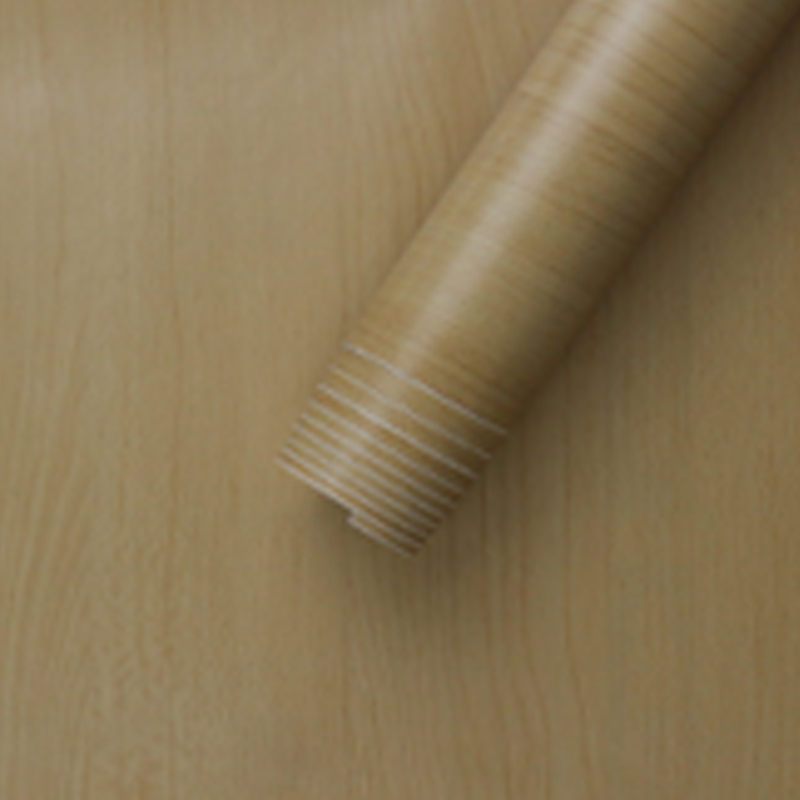
Surface damage is one of the recurring complaints in laminated panels. Scratches, scuffs, and edge wear can appear quickly when the surface material lacks structural toughness. PVC Lamination Film addresses this issue by forming a dense vinyl layer that resists daily friction from hands, tools, and routine cleaning.
In furniture and interior panels, this resistance reduces rework and replacement rates. The film does not rely on surface coatings alone; its structure distributes stress across the laminated layer. This characteristic supports a consistent appearance even in frequently touched areas such as cabinet fronts and wall panels.
Humidity and water exposure are common challenges in kitchens, bathrooms, and utility spaces. Materials that absorb moisture often show swelling, surface lifting, or visual distortion over time. PVC Lamination Film forms a non-porous barrier that separates the base material from water vapor and liquid contact.
This feature is especially relevant for laminated boards installed near sinks or cooking areas. The film prevents moisture from reaching the substrate, helping maintain panel flatness and surface integrity. As a result, manufacturers can use similar core boards across different environments without changing the surface solution.
Ease of cleaning is often underestimated during product design. End users expect surfaces that can be wiped without leaving marks or dull areas. PVC Lamination Film supports this expectation through its sealed surface structure.
Stains from oil, food residue, or everyday contact remain on the surface rather than penetrating the material. This allows cleaning with common household cloths and mild solutions. For panel manufacturers, this characteristic reduces after-sales concerns related to surface appearance.
From a factory standpoint, lamination stability directly affects production efficiency. Poor adhesion can cause bubbling, edge lifting, or uneven bonding during pressing. A professional PVC Lamination Film Manufacturer controls film thickness, surface tension, and backing formulation to match common lamination processes.
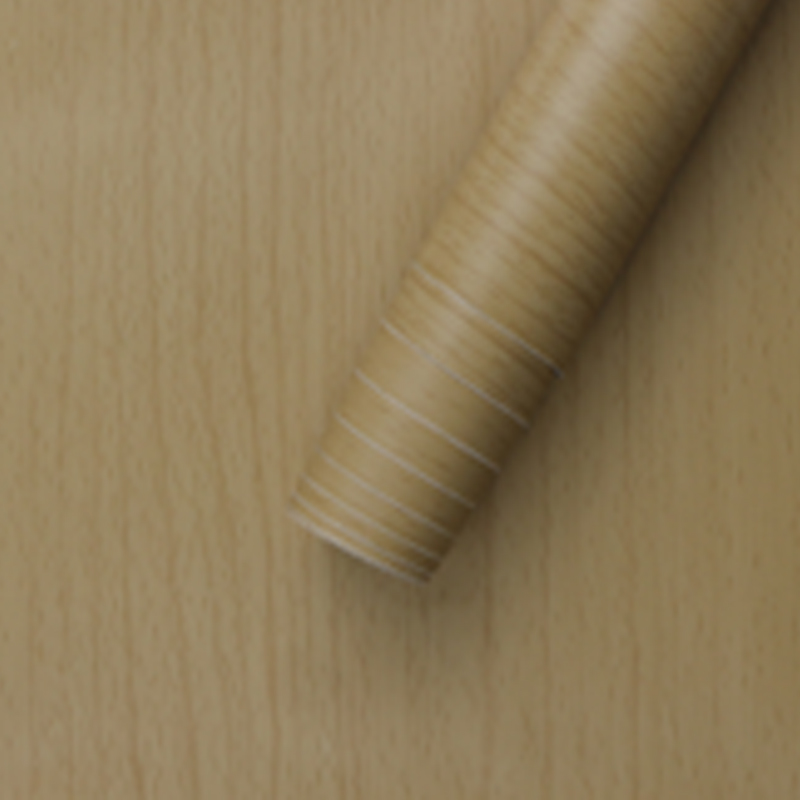
Stable adhesion allows consistent bonding across large panels and reduces adjustment time on production lines. This reliability supports higher output consistency without frequent process changes.
Behind stable film performance is accumulated process experience. A long-term PVC Lamination Film Manufacturer refines formulation and surface control based on production feedback and application results.
This experience translates into films that behave predictably during lamination and maintain surface performance during use. For downstream manufacturers, this reliability reduces uncertainty in both production and finished product performance.
By focusing on durability, moisture resistance, adhesion behavior, and maintenance practicality, PVC Lamination Film continues to support modern decorative panel manufacturing with balanced functional value.
Contact us


+86-15726853660 / +86-18301913645
No. 99, Jinxiang Road, Hubin New District, Suyu, Suqian City, Jiangsu Province, China

Decorative Film Materials

 English
 Français
 Español
 عربى
عربى
 русский