English
 Français
 Español
 عربى
عربى
 русский
Interior Film
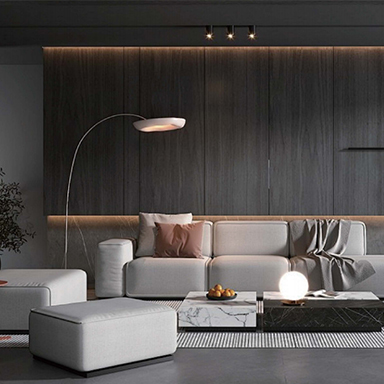
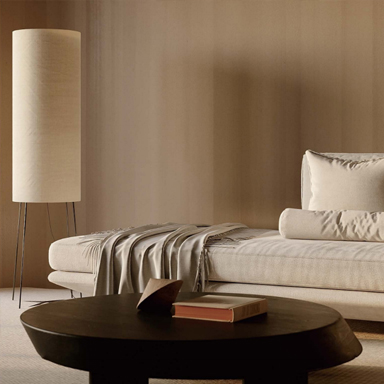
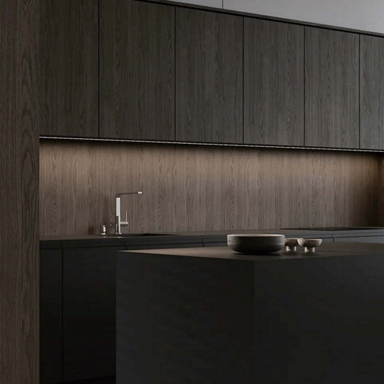
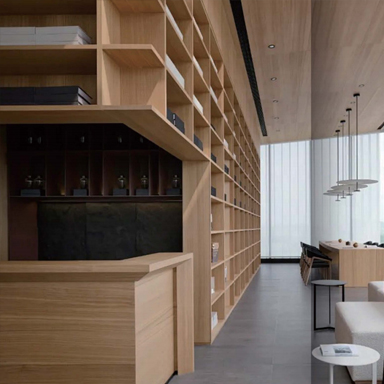
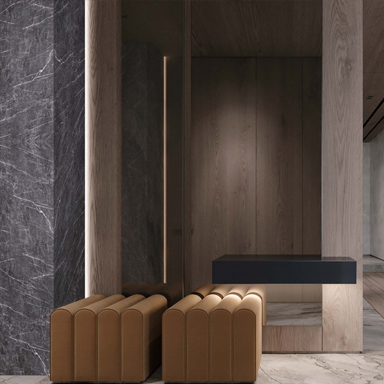
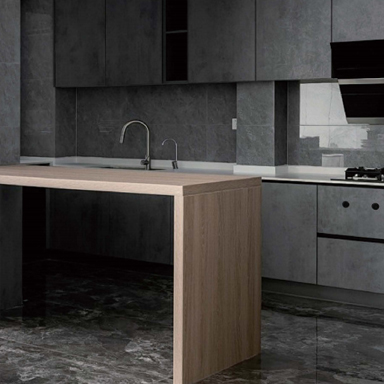
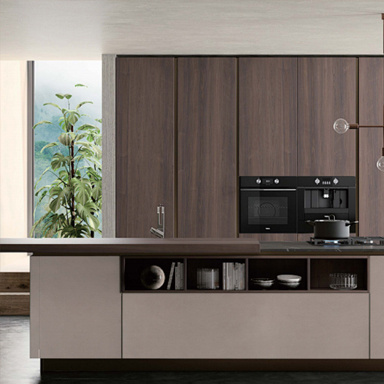
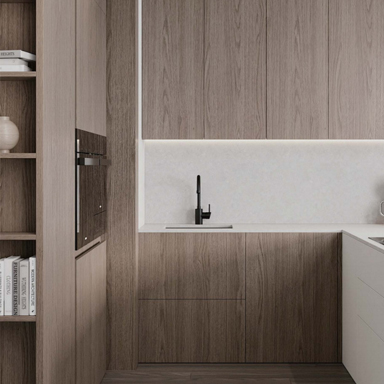
Interior film is a versatile decorative material designed to enhance the appearance of walls, furniture, doors, and other surfaces. Made from durable vinyl or similar materials, it offers a quick and cost-effective solution for transforming spaces without the need for extensive renovations. The film is available in a wide range of colors, patterns, and textures, including wood grain, marble, metallic, and solid finishes, allowing for creative customization. It is easy to install with adhesive backing, requiring minimal tools and preparation.
High Opacity Vinyl Film Series
The High Opacity Vinyl Film Series is a modern furniture decoration material that offers water- and moisture-resistance, as well as easy cleaning. The product features a PVC film surface with a PET aluminum foil backing, providing excellent coverage and opacity. When applied to walls or other surfaces, it achieves full coverage and maintains an attractive appearance over time. The aluminum-backed wall film series has a wide range of applications, suitable for rental apartments, student dormitories, simple decorative shops, and more. It not only protects wall surfaces but also enhances the aesthetic appeal of the space, creating a more pleasant and comfortable environment.
Performance Features:
①. The smooth surface of the aluminum-backed wall film resists dirt accumulation and is easy to clean.
②. The surface is specially treated to provide good weather resistance and corrosion resistance, ensuring long-lasting visual appeal.
③. The film is installed using an adhesive backing, allowing for simple application without the need for professional installation.
④. Available in a variety of colors and textures, it can be matched with different interior styles to enhance the overall décor.
Printable Vinyl Film Series
• This material is suitable for outdoor, indoor, spray painting, and photography use;
• The higher the precision of pattern design, the clearer and more flawless the patterns on the printed material; Adapt to printing ink;
• Weak solvent ink: suitable for short-term outdoor use, balancing environmental concerns;
• Protection and weather resistance;
• UV ink: UV curing, anti-aging performance, environmental protection is higher; This material has two characteristics;
• The use of outdoor material printing requires materials to be resistant to ultraviolet radiation, resulting in high material costs;
• Indoor material printing is used, and the material properties will not change in the absence of direct sunlight. Currently, our cooperative clients have not raised any requirements. The material requires UV resistance, and the material cost is relatively low; Application scenarios;
• Outdoor use: large billboards, building enclosures, vehicle advertising, bus stops, etc;
• Indoor use: shopping mall promotional posters, exhibition displays, corporate image walls, indoor murals, wall stickers, decorative panels, etc;
• Installation type: This material can be directly glued onto flat walls, fireproof boards, wooden decorative panels, metal panels, decorative panels, and smooth surfaces.
Other Decorative Film Series
The Other Decorative Film Series offers versatile solutions for both functional and aesthetic purposes. The Metal Surface Oil-Proof Wallpaper provides an effective barrier against grease and stains, making it suitable for kitchens, dining areas, and workspaces while adding a stylish metallic finish. Double-Sided Transparent Furniture Protection Film helps shield surfaces from scratches, dust, and moisture without affecting the original look, ideal for tables, cabinets, and display items. Aquarium Decorative Film brings visual appeal to aquariums and tanks, creating attractive backgrounds that enhance the viewing experience. Heat Insulation Film reduces heat transfer and glare, improving comfort and energy efficiency in indoor spaces. These films are easy to apply, maintain, and remove, making them practical for home, office, and commercial environments while offering both protection and decoration in one solution.
Self Adhesive Wallpaper
Self-adhesive wallpaper offers a convenient and versatile way to transform any space without the need for additional glue or paste. Designed with a peel-and-stick backing, it allows for quick installation and easy repositioning, making it suitable for both temporary and long-term use. This type of wallpaper is ideal for refreshing walls, furniture, cabinets, or other smooth surfaces, providing a wide range of patterns, colors, and textures to match different styles. Its durable surface is often resistant to moisture and easy to clean, helping maintain a fresh appearance over time. Self-adhesive wallpaper is a practical choice for home decoration, office spaces, rental properties, and creative DIY projects, allowing users to update their interiors with minimal effort and mess.
PVC Self-Adhesive Floor Sticker
Specifications
Size: 91.4 cm × 15.2 cm × 0.5 mm
Packing: 5 pcs / roll, 25 rolls/carton
Features
PVC self-adhesive floor stickers are designed to combine aesthetics with practicality. Available in a variety of realistic wood grain and stone-look patterns, the surface is produced using advanced printing technology to deliver clear textures and authentic details. Each plank offers a highly realistic tactile feel, closely resembling natural materials.
Equipped with a strong self-adhesive backing, these floor stickers allow for fast, tool-free installation. The material is waterproof, moisture-resistant, and fire-retardant, ensuring stable performance and durability in daily use. Ideal for quick renovations and interior upgrades.
Applications
These PVC self-adhesive floor tiles are suitable for installation on multiple flat and smooth substrates, including:
Smooth cement floors
Marble and ceramic tile surfaces
Existing or old flooring
Painted floors
Terrazzo floors
They are also compatible with underfloor heating systems, making them suitable for residential spaces such as living rooms, bedrooms, and kitchens, as well as light commercial environments like offices, retail stores, and rental properties.
Stationery & Cultural Supplies Vinyl Film Series
The Stationery & Cultural Supplies Vinyl Film Series offers a versatile solution for various decorative and functional applications. Made from durable and flexible vinyl material, these films provide a smooth surface, vibrant colors, and strong adhesion, making them suitable for both creative projects and practical uses. They can be easily cut, shaped, and applied to books, folders, display boards, or craft items, adding visual appeal while protecting surfaces from scratches and wear. Resistant to moisture and easy to clean, the vinyl film series supports long-term use in classrooms, offices, and personal workspaces. Its adaptability allows it to meet the needs of art creation, personalized design, and protective covering, making it a valuable addition to stationery and cultural product ranges.
3D Crystal Wall Stickers
3D Crystal Wall Stickers offer an easy and stylish way to enhance interior spaces with a touch of depth and sparkle. Made from durable and lightweight materials, these stickers feature a crystal-like appearance that reflects light beautifully, adding a subtle shine to walls, furniture, or glass surfaces. They are simple to apply and remove, making them suitable for quick decoration changes without leaving residue. These stickers can be used in living rooms, bedrooms, offices, and event venues to create a decorative focal point or to complement existing designs. Their versatile style works well with modern, minimalist, or decorative interiors, offering an affordable solution to refresh any space.
Material: PET Bright White + PUAB Adhesive
Size: 300x300mm (Custom sizes available upon request)
Design: Customizable with your own designs or we can provide design solutions.
Advantages: Easy to install / Waterproof / Oil-resistant / Easy to clean / Home DIY
Applications: Kitchen / Living Room / Dining Room / 、Toilet / Bathroom, etc.
Packaging: 5 pieces per bag * 6 bags/carton or 12 bags/carton
Carton Size: 325*325*600mm
Gross Weight per Carton: 3-7KG
Packaging Method: Usually 5 pieces per pack, but can be customized upon request.
Production Lead Time: 12-15 days, MOQ 2500 pieces per design.
Release Paper Series
The Release Paper Series is designed to provide a reliable and smooth surface for various industrial and commercial applications. With consistent coating and stable performance, it ensures easy separation between the adhesive and its backing material, helping to maintain the integrity of the adhesive layer. The paper features good dimensional stability, resistance to curling, and compatibility with a wide range of adhesives and materials. It can be used in applications such as labels, tapes, graphics, medical products, and composite manufacturing. The series offers versatility in weight, color, and surface treatment, making it adaptable for different production requirements. Its durability and ease of handling support efficiency in both manual and automated processes.