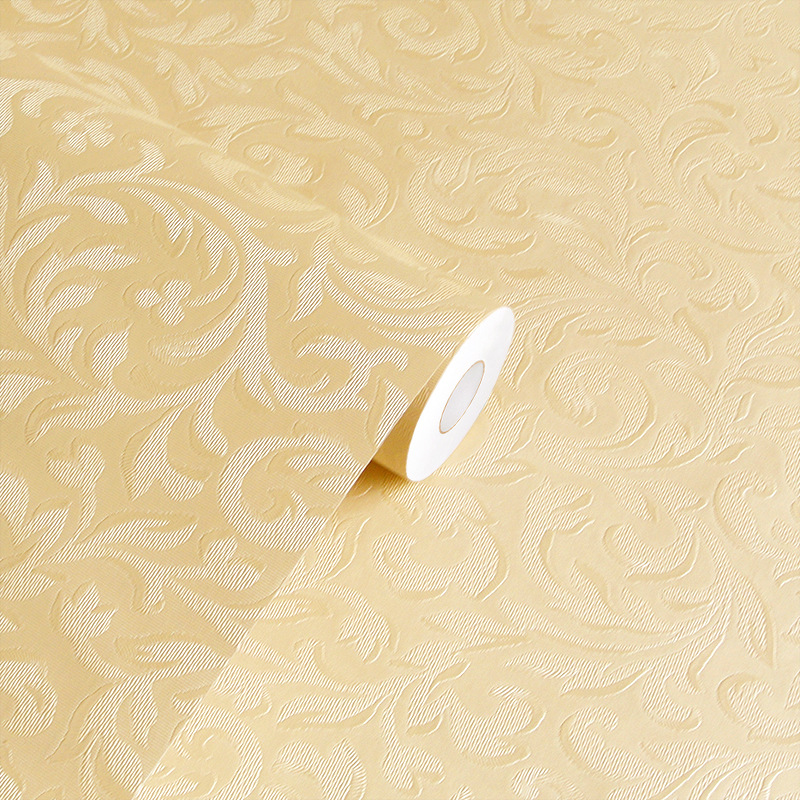
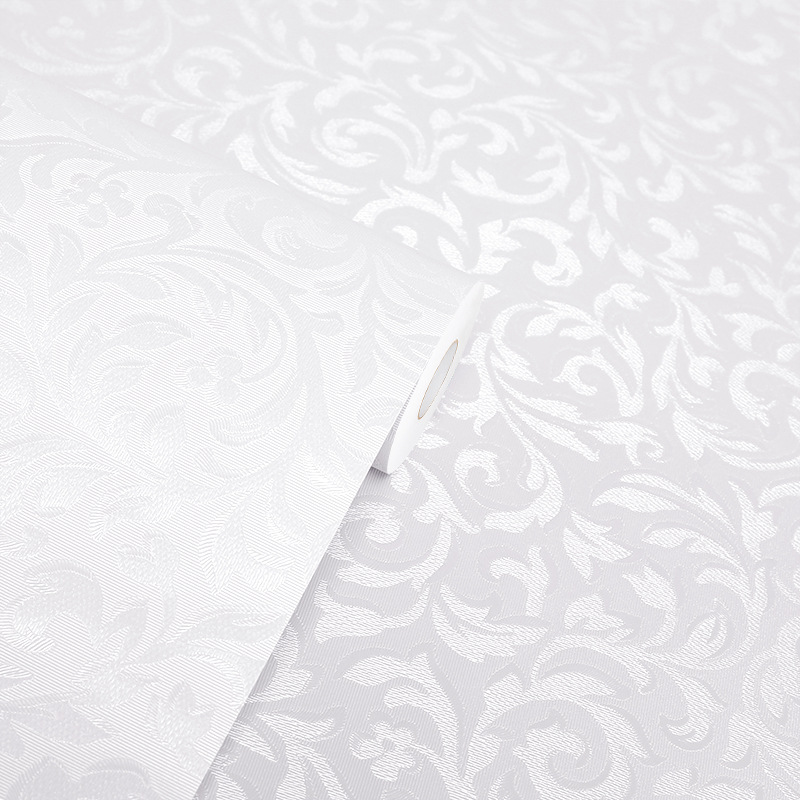
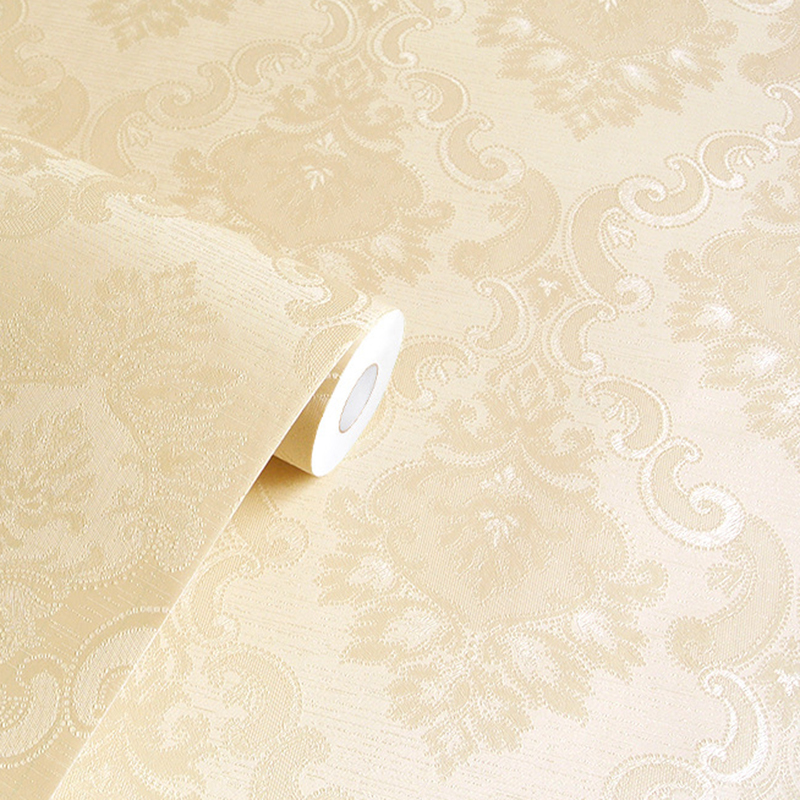
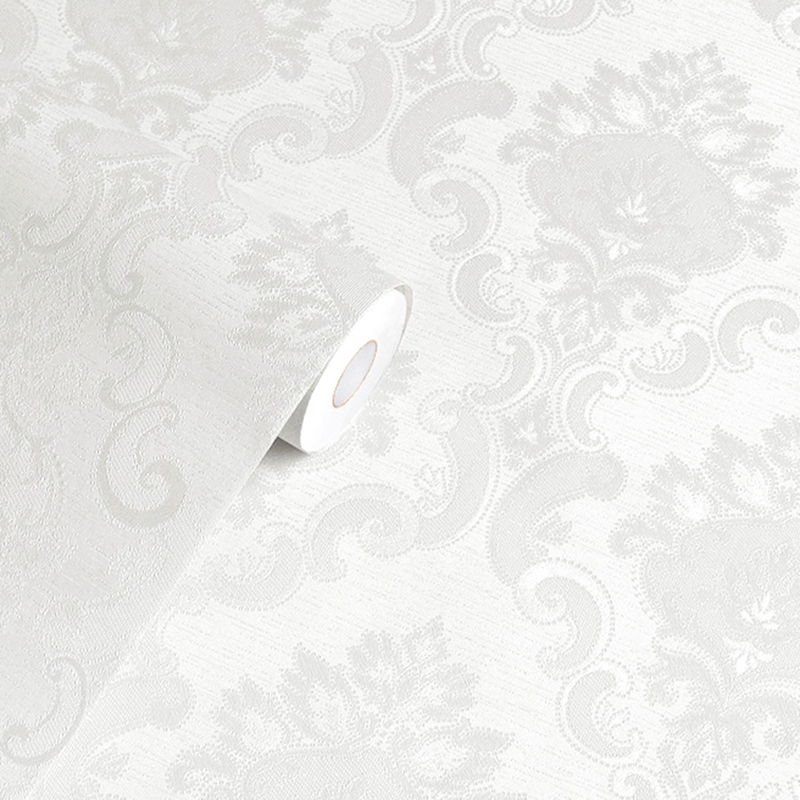
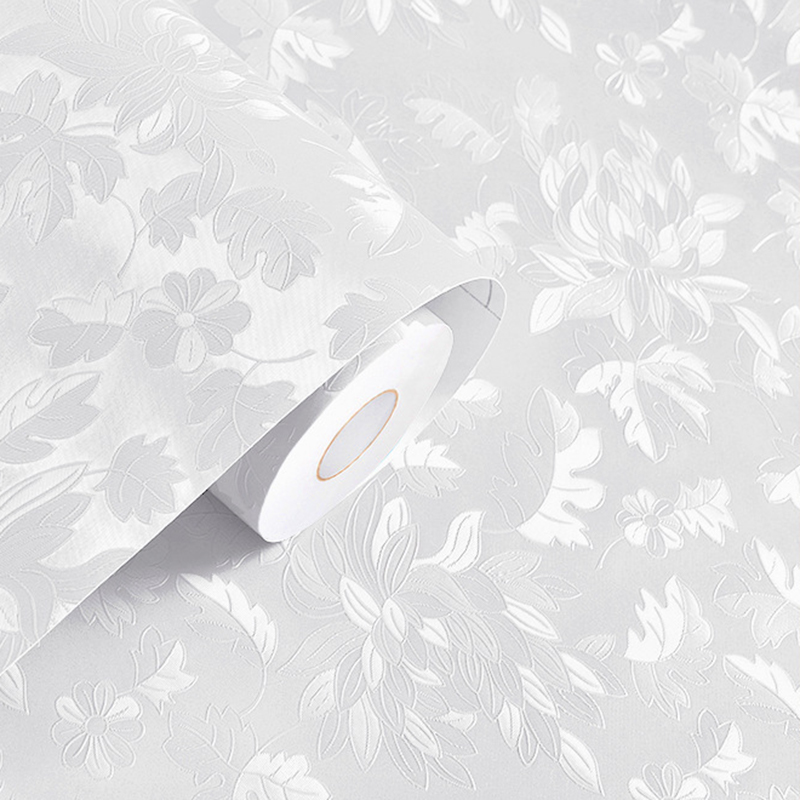
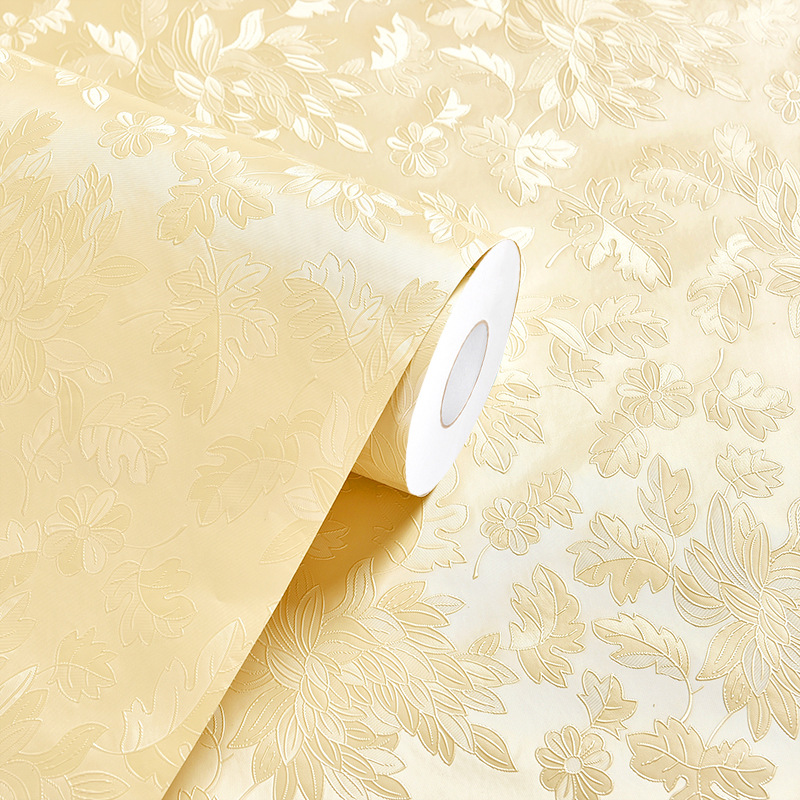
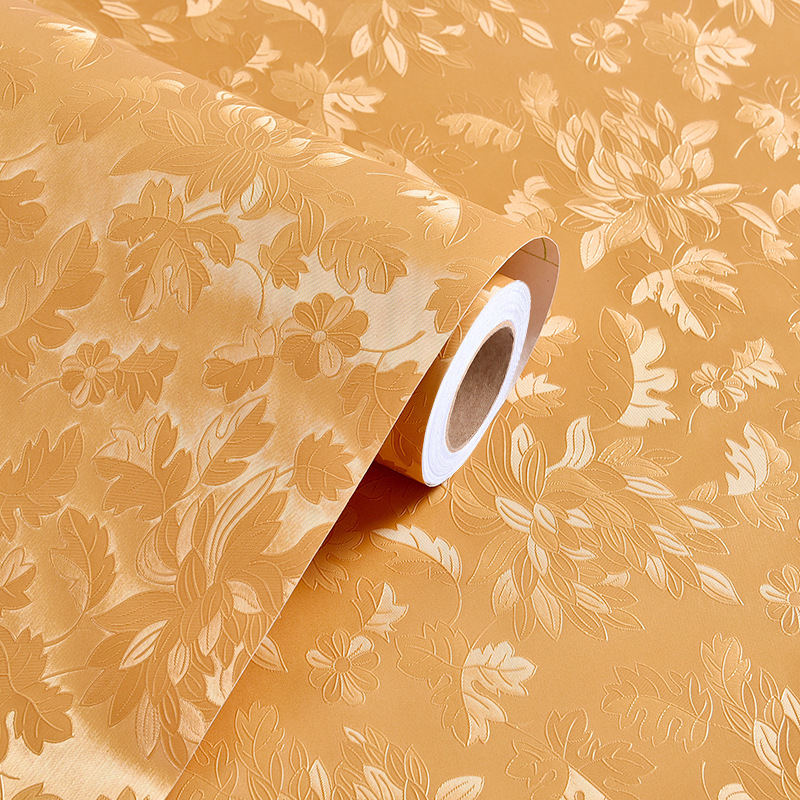
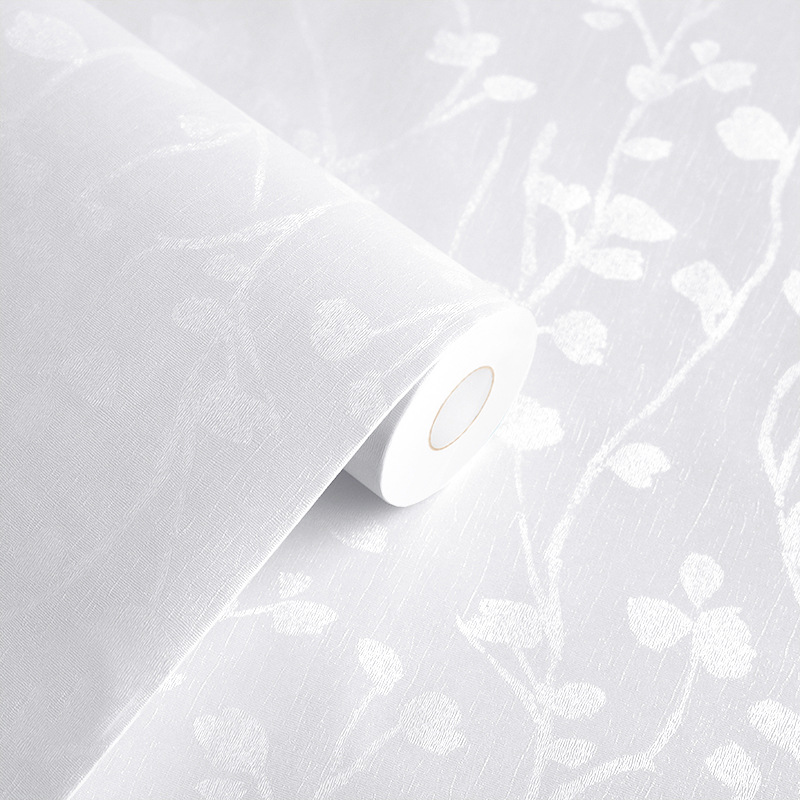
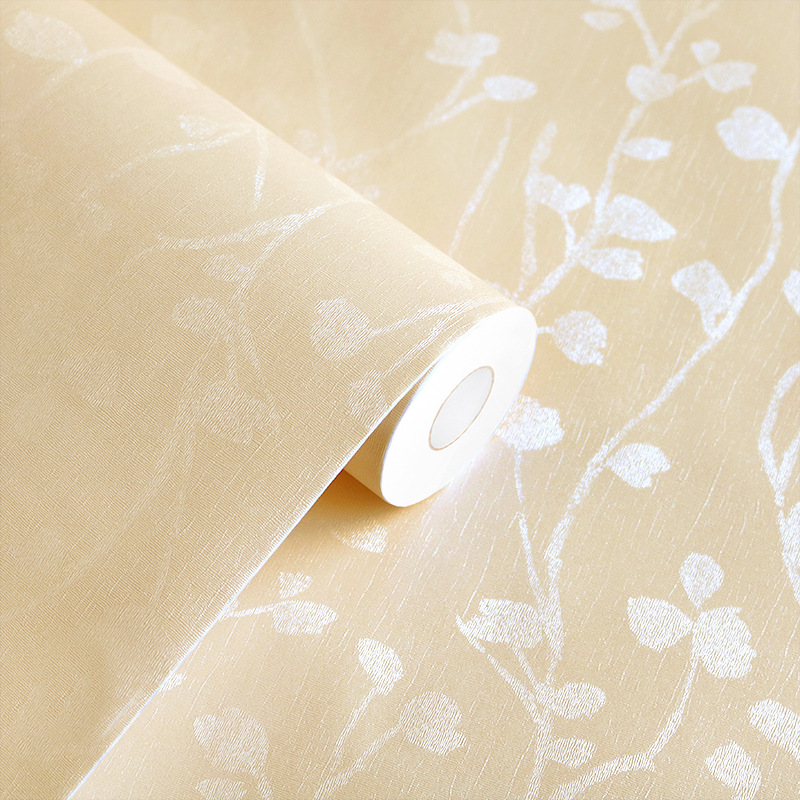
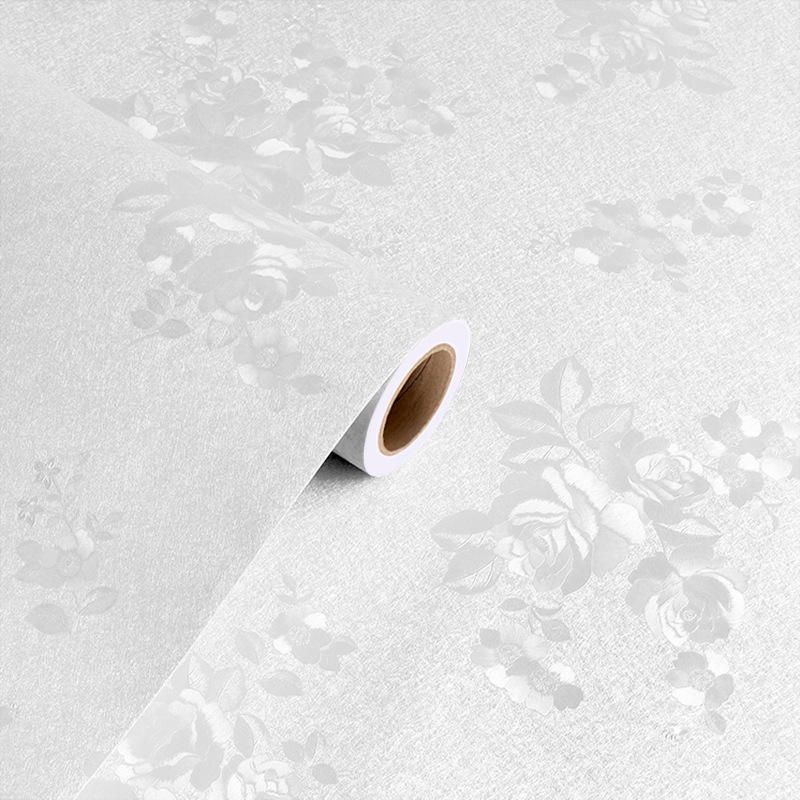
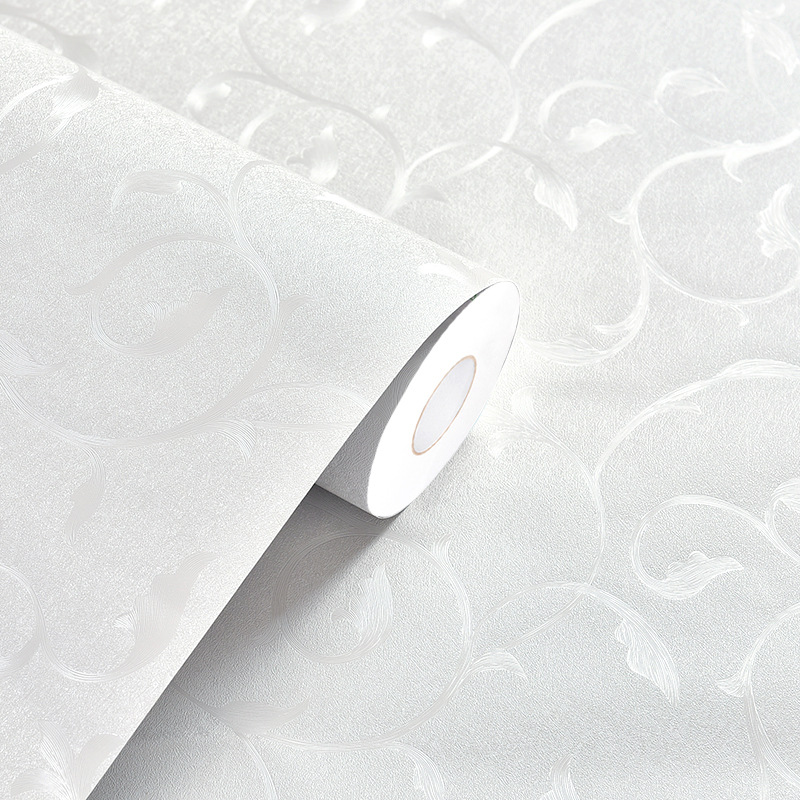
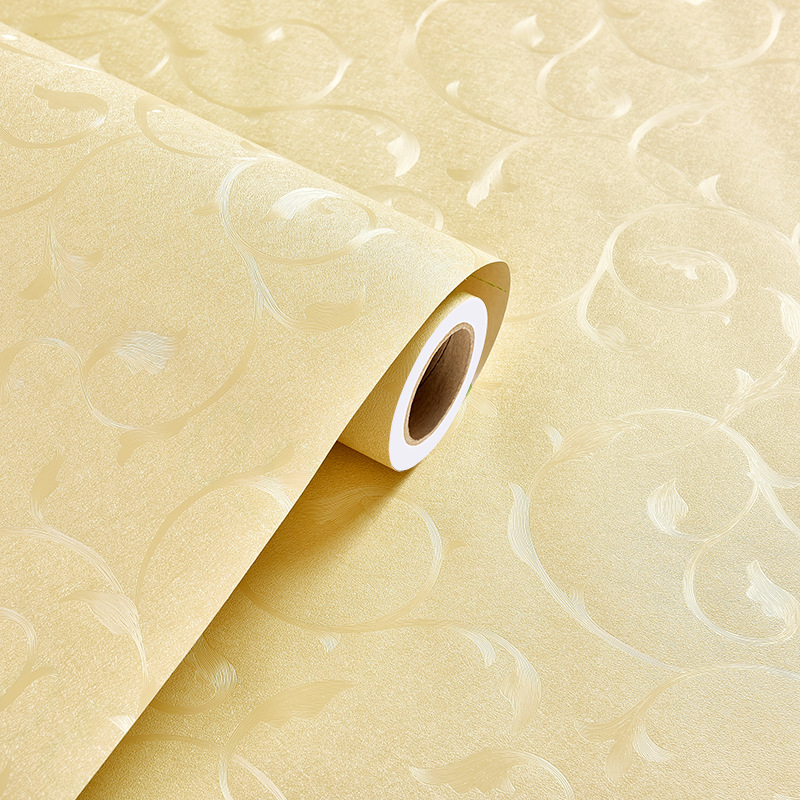
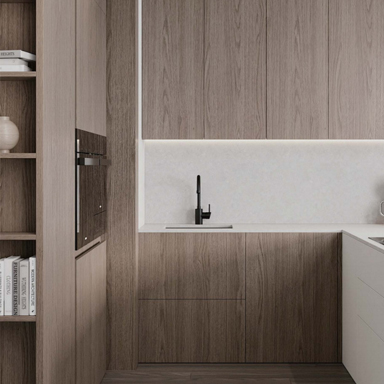
Why Color High Opacity Film Is Widely Used in Decorative Surface Applications
Color decorative film is commonly chosen for the way it transforms a surface, yet appearance alone is not enough in many practical projects. Coverage plays an equally important role, especially when the base material shows dark shades, old prints, stains, or patchy color variation. In these situations, ordinary film may allow the background to remain visible and affect the final look. High opacity film helps overcome that problem by forming a stronger covering layer, so the applied color appears more even, more solid, and more visually consistent after installation.
The Role of High Opacity in Decorative Projects
In decorative work, the background surface can strongly influence the final appearance. If the substrate shows through, even a good color choice may look inconsistent after installation.
Improved surface coverage
High opacity film is designed to reduce show-through from the layer underneath. This makes it especially useful on surfaces with:
- dark base colors
- visible marks
- old printed patterns
- patchy tones
- worn decorative finishes
A stronger covering effect helps the applied film maintain a cleaner and more predictable color result.
Better color presentation
For design-focused applications, color consistency matters. Whether the film is used in a retail environment, branded display, or interior decoration project, high opacity helps the selected shade appear more stable across different surfaces.
This is particularly important when the goal is to create:
- a neat branded display
- a uniform wall finish
- a polished promotional setup
- a cleaner decorative surface overall
Common Application Scenarios
Color high opacity film can be used across a wide range of decorative and commercial settings. Its versatility is one of the reasons it remains popular in surface finishing projects.
Interior decoration
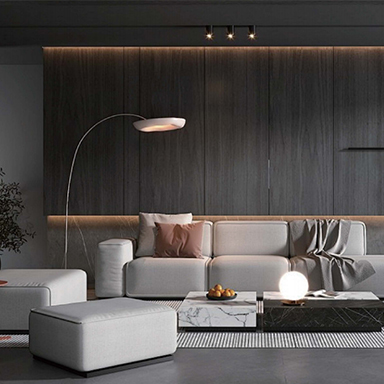
In interior spaces, this material is often applied to:
- wall panels
- decorative wall sections
- cabinets or flat surfaces
- dormitory interiors
- rental renovation projects
It offers a faster way to refresh existing surfaces without major reconstruction or complicated finishing work.
Retail and display environments
In commercial settings, high opacity decorative film is often used for:
- branded fixtures
- display panels
- promotional graphics
- pop-up store decoration
- window display surfaces
Because the film helps hide the original background more effectively, the final presentation often looks cleaner and more professional.
Custom design projects
Color decorative film also fits many short-term or creative applications, including:
- exhibition displays
- event backdrops
- seasonal decoration
- custom visual installations
- temporary campaign branding
Its wide color range gives designers and project teams more flexibility when matching a visual concept.
What Matters When Choosing a High Opacity Decorative Film
A decorative film is not chosen by color variety alone. What matters more in real projects is whether the material performs well on the intended surface and under the actual conditions of use.
Existing surface condition When a wall, board, or panel has uneven tones, old graphics, stains, or other surface flaws, a film with stronger opacity is often the more dependable option. Improved coverage helps reduce background show-through and gives the finished surface a cleaner, more even appearance.
Installation efficiency
For projects with limited time, films that are easy to cut, position, and apply can help simplify the workflow. This is useful in:
- shop fitting projects
- rental property updates
- trade show preparation
- light remodeling work
A material that supports efficient installation can improve project speed without sacrificing appearance.
Maintenance needs
In spaces where surfaces are touched frequently or cleaned regularly, an easy-clean film can offer practical long-term value. This is relevant in small commercial interiors, student housing, display areas, and other high-use spaces.
Performance Benefits Beyond Color
A decorative film should do more than look good on the first day. In many projects, long-term usability matters just as much as color selection.
Resistance to daily wear
A durable film surface can help maintain a better appearance over time, especially in spaces exposed to:
- light moisture
- routine cleaning
- frequent contact
- minor everyday wear
This makes the material more suitable for active interiors and commercial decorative use.
Flexibility across surfaces
Another advantage of high opacity film is that it can work across different substrate types, depending on the project requirement. This broadens its use in decoration, branding, and display-related applications.
Practical decorative value
Instead of relying only on strong color, high opacity film adds functional value by helping the finished surface appear more complete. That balance between decorative impact and practical surface performance is often what makes the material useful in real projects.
Why It Fits Modern Commercial and Interior Trends
Today’s interior finishing and display projects often call for materials that look neat, handle easily during installation, and perform well in different commercial or decorative settings. High opacity decorative film works well in this context because it helps improve surface consistency while keeping design applications practical and efficient.
- faster renovation of walls, panels, and display areas
- a more polished and uniform visual effect
- effective use in both short-term promotions and long-term installations
- less routine care needed after application
- more freedom for color-driven decorative concepts
In commercial interiors, retail merchandising, branded environments, and tailor-made surface design work, these advantages make high opacity decorative film a useful solution for achieving a cleaner and more professional finish.
Color Decoration High Opacity Film is valued not only for its rich color options, but also for its ability to create a more uniform and controlled finish on challenging surfaces. By improving concealment, supporting cleaner presentation, and adapting to a wide range of decorative uses, it remains a practical material choice for modern wall, display, and design applications.


 English
 Français
 Español
 عربى
عربى
 русский