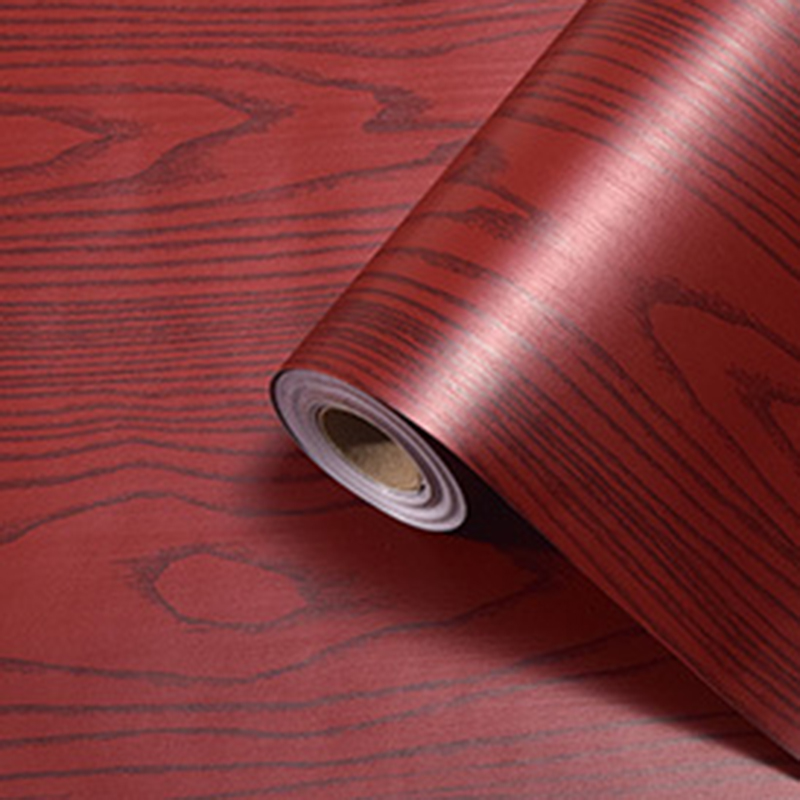
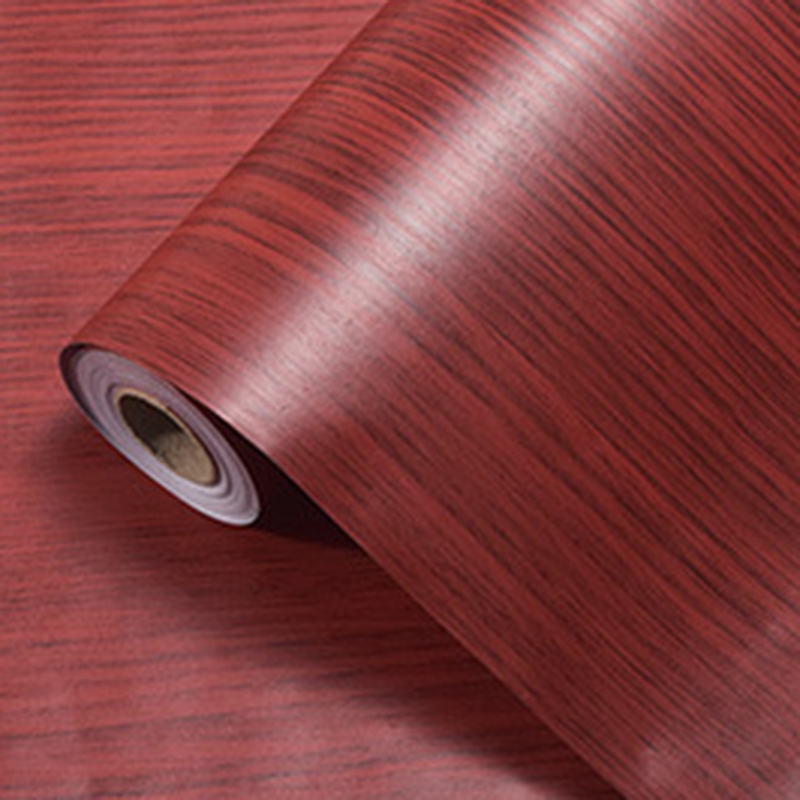
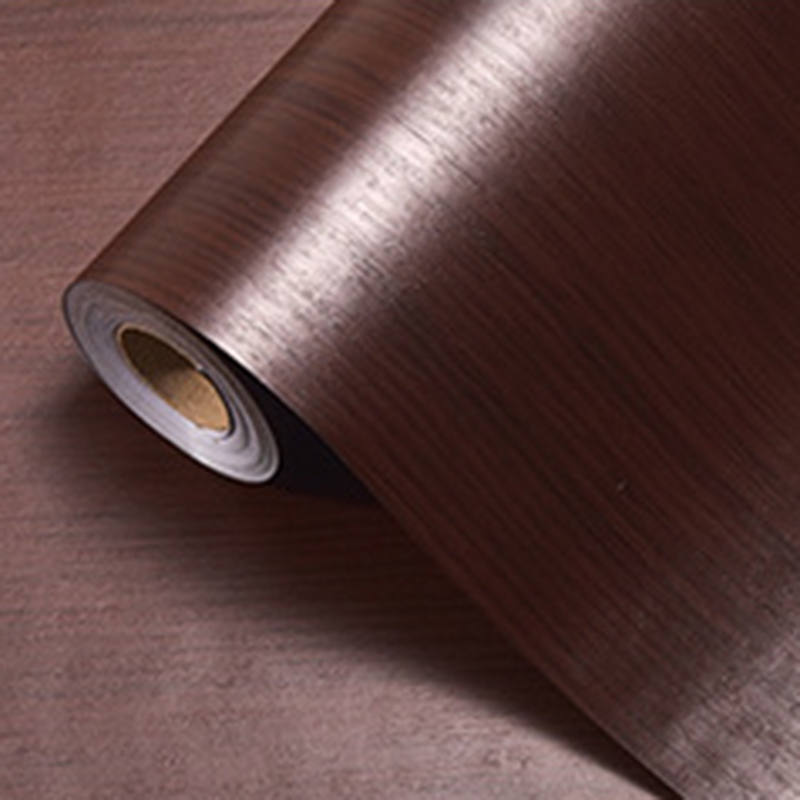
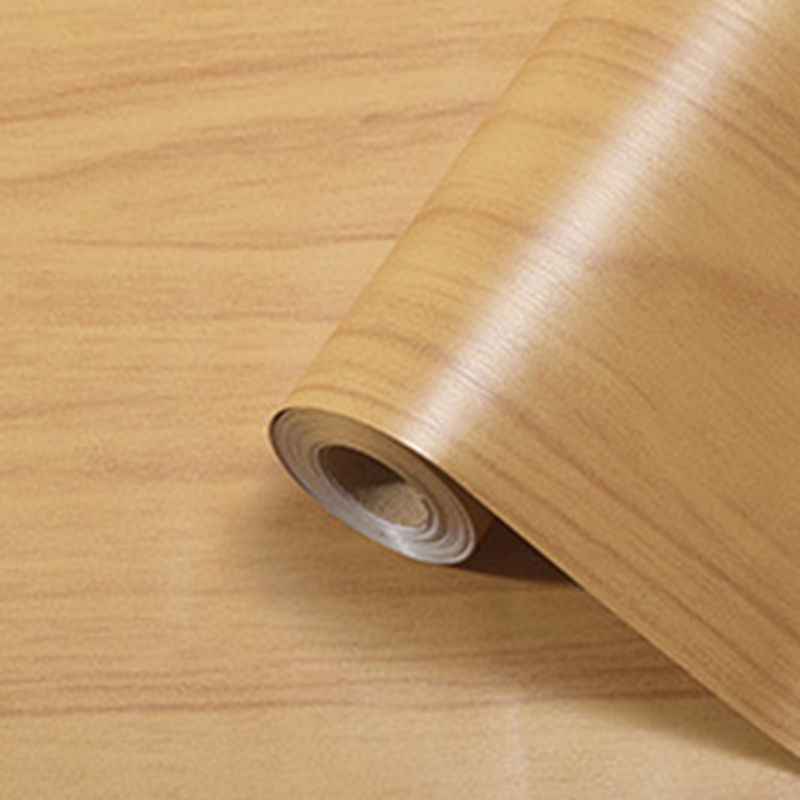
Why Aluminum-Backed Wood Grain Film Is Gaining Attention in Surface Decoration
In today’s surface finishing sector, decorative materials are judged on more than looks alone. Buyers often prefer products that can deliver a natural visual effect while also offering dependable support, durability, and day-to-day usability across different settings. That shift in demand has made aluminum-backed wood grain film a practical option for furniture production, wall panel applications, commercial interiors, display fixtures, and other decorative finishing work.
What Makes Aluminum-Backed Wood Grain Film Different
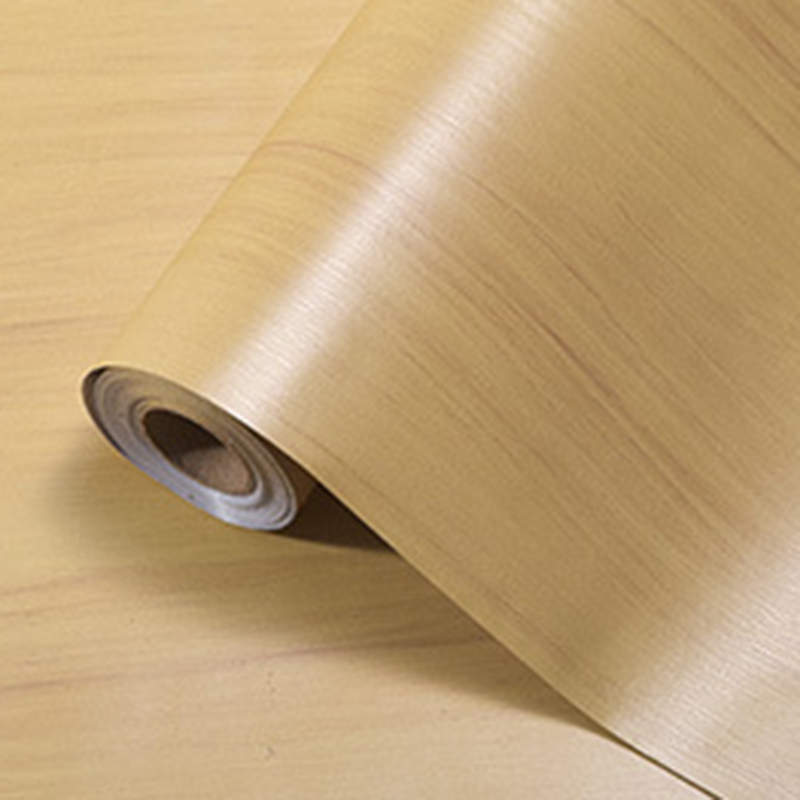
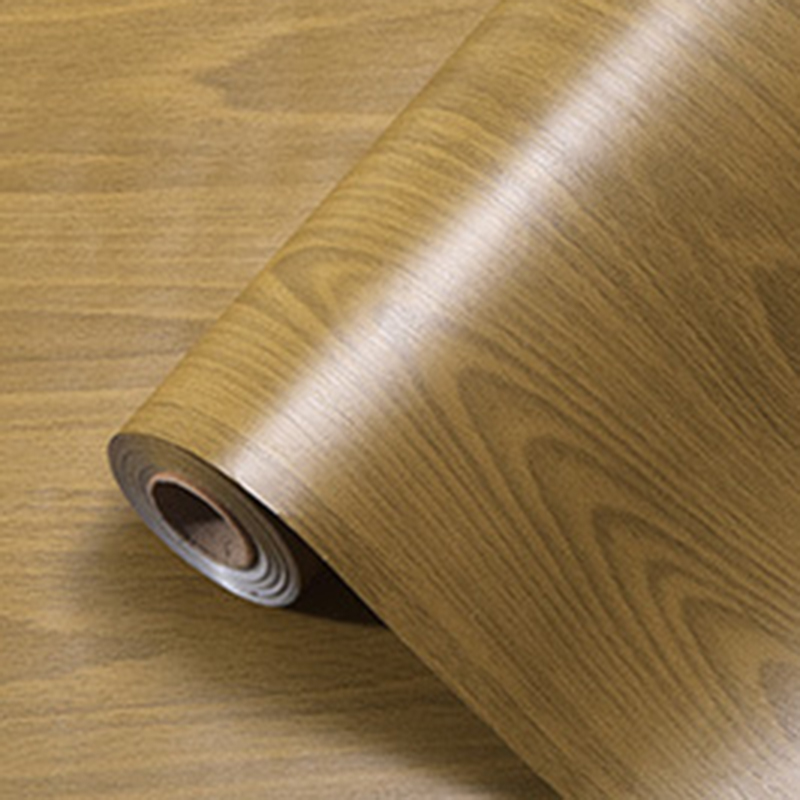
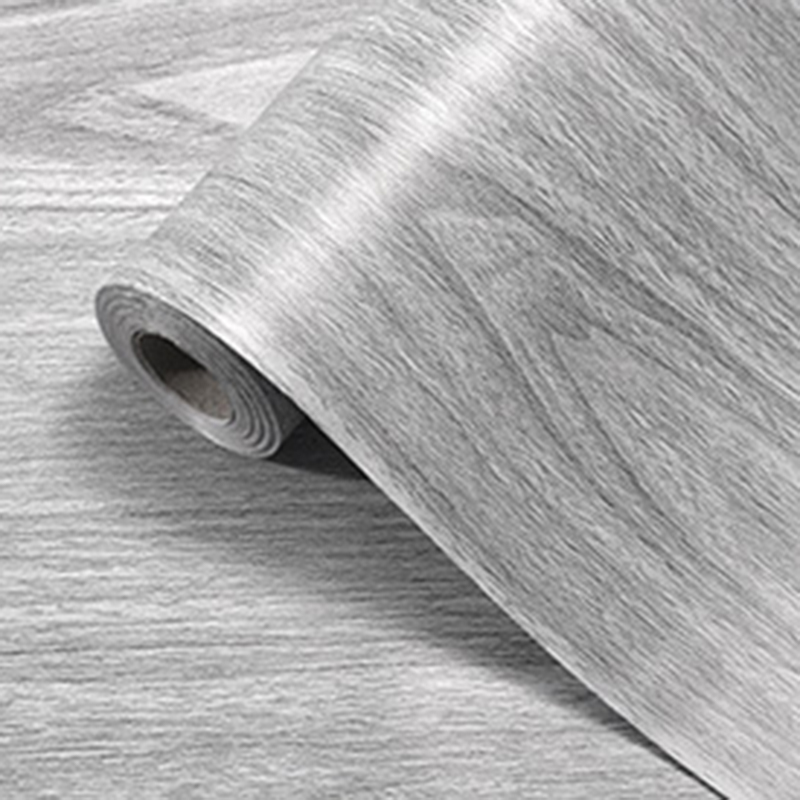
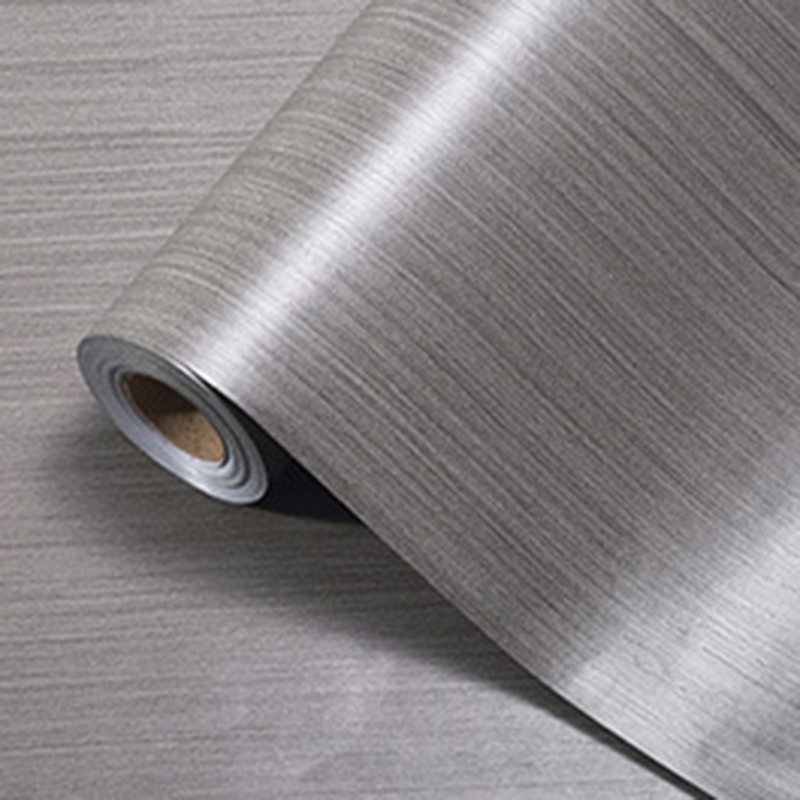
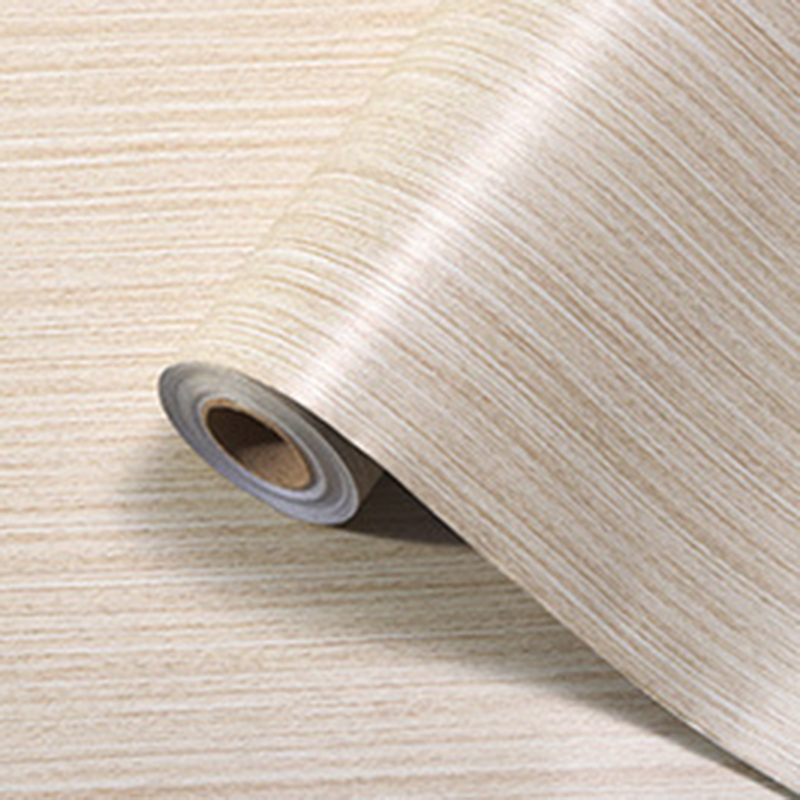
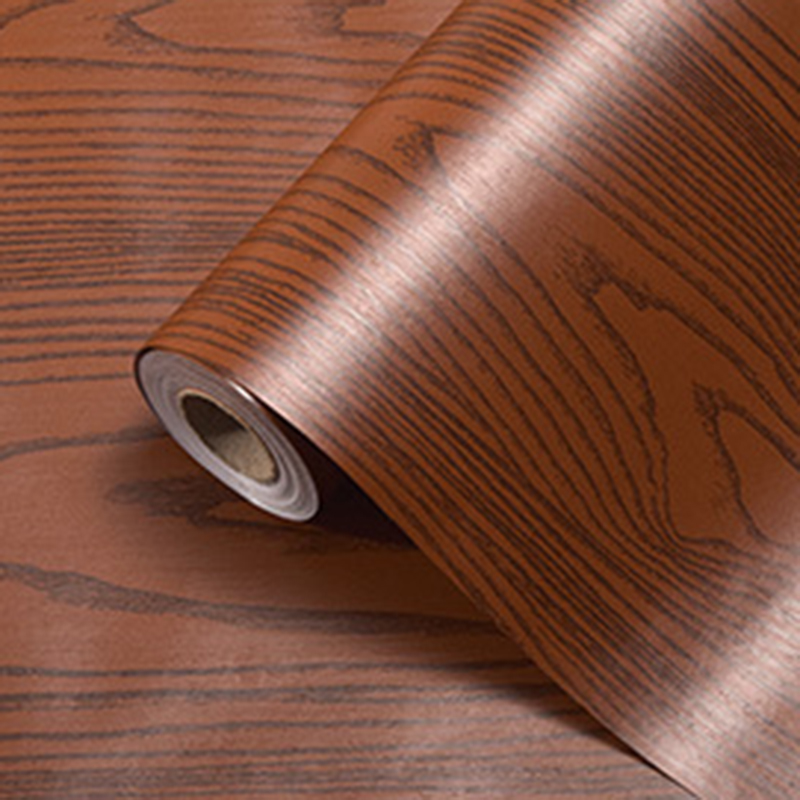
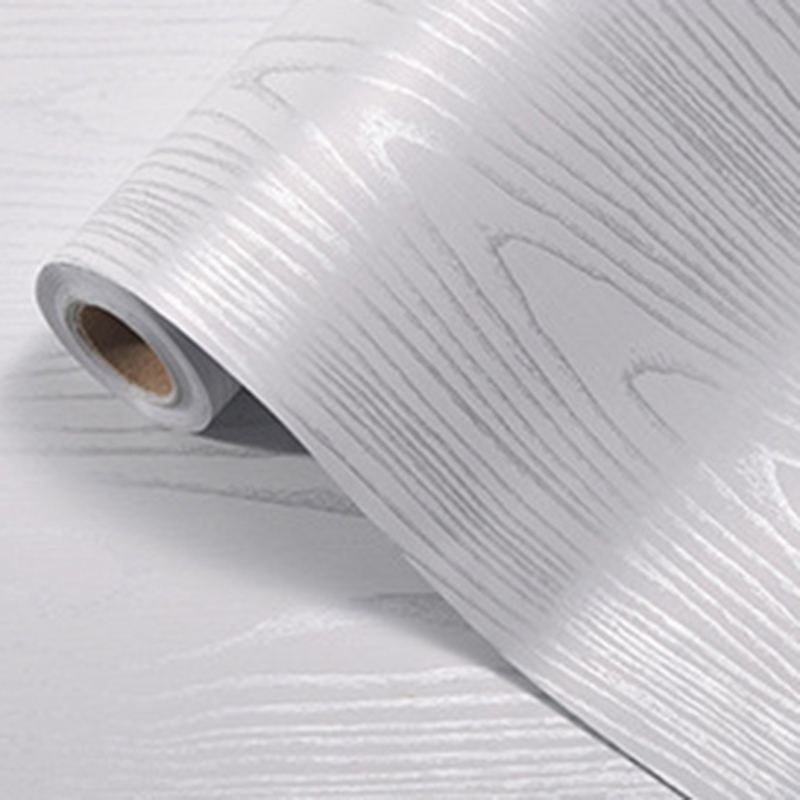
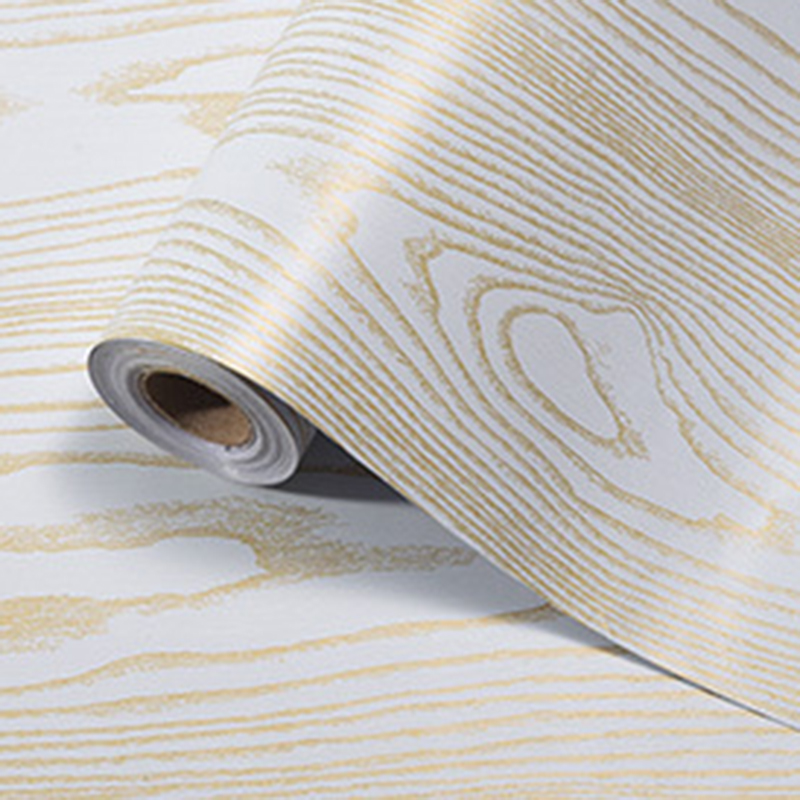
Compared with ordinary decorative films, aluminum-backed wood grain film is built with a decorative wood-pattern surface and a supporting aluminum layer underneath. This added construction helps the material maintain better stability, improves overall strength, and supports more reliable performance during installation and everyday use. The wood grain finish also brings the familiar warmth and organic look that remain popular in both residential and commercial interior design.
For customers evaluating Wood Grain Contact Paper and similar surface materials, this option offers a stronger combination of appearance and function. It delivers the visual appeal of wood while also providing the added performance advantages that many modern finishing projects require.
Key Performance Benefits of High Opacity Film
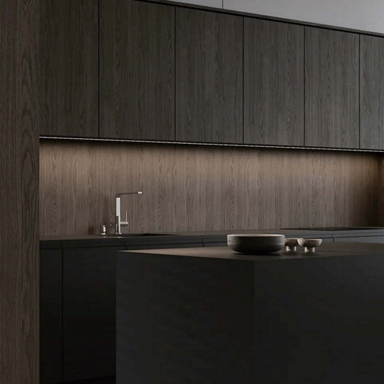
High opacity is a key performance factor in decorative film because it determines how effectively the material can mask the surface underneath. In real applications, the base substrate may include dark tones, stains, patchy color, texture differences, or old finishes that affect the final decorative effect. A high opacity Wood Grain Film helps create a smoother and more uniform appearance by limiting how much of the original surface remains visible after installation.
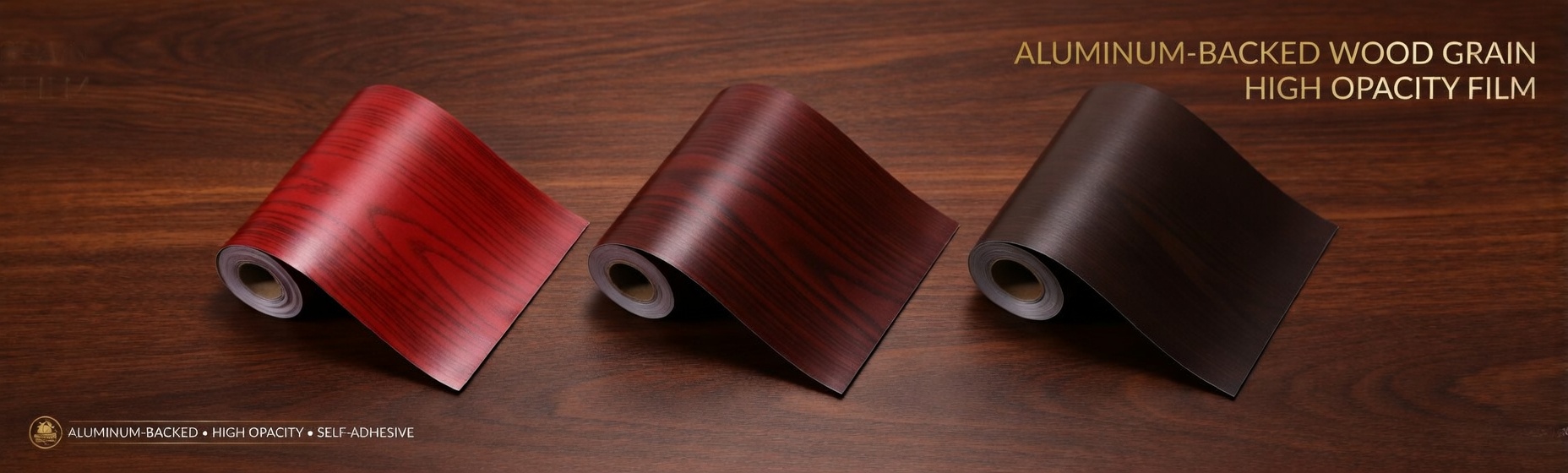
Key advantages include:
- Stronger coverage on dark, uneven, or previously finished surfaces
- More consistent visual results on furniture panels, wall boards, and decorative components
- Less show-through from substrate marks, color variation, or surface imperfections
- A cleaner and more refined finish for residential, retail, and commercial interiors
This is especially important in projects where the final surface needs to look polished, dependable, and ready for presentation or sale.
Why Wood Grain Finishes Remain Popular
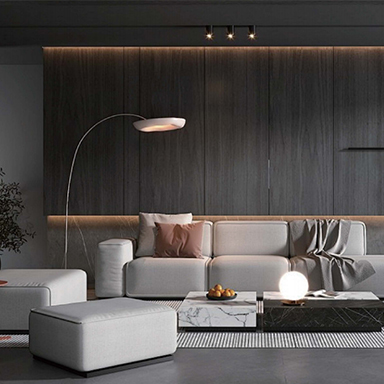
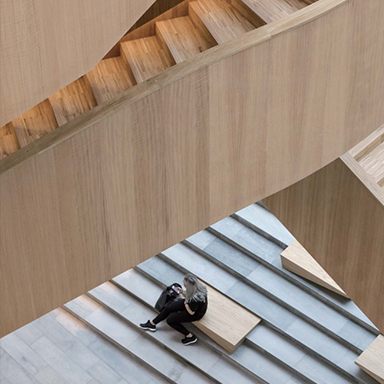
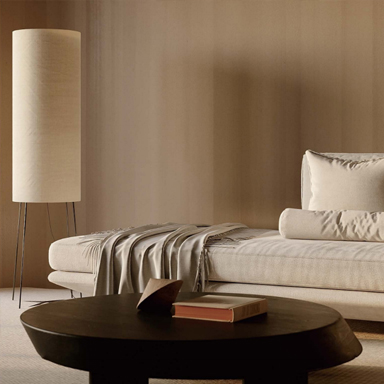
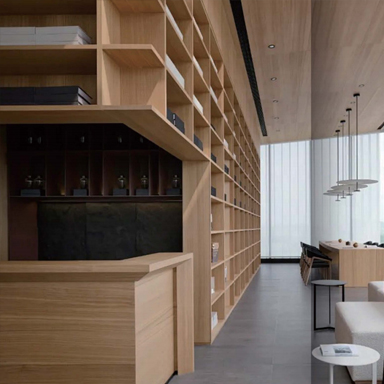
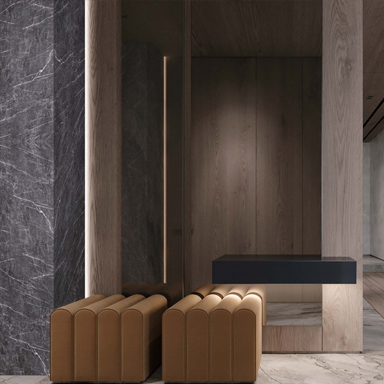
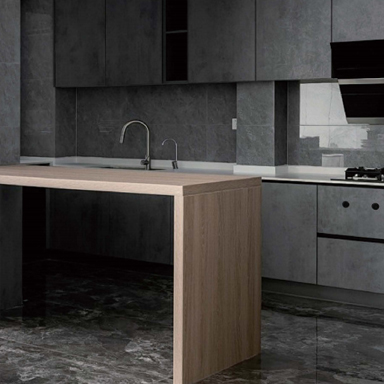
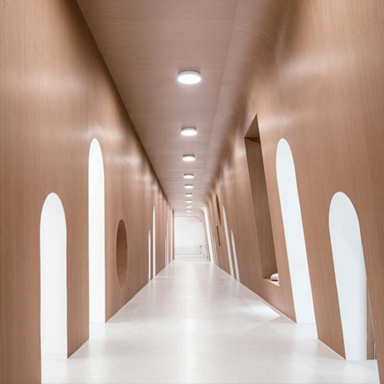
Wood-look finishes remain a popular choice in residential renovation and commercial interior projects because they offer the visual warmth of timber without the maintenance demands of real wood. Lighter wood shades are especially favored in modern spaces, as they work well with Scandinavian, minimalist, contemporary, and soft neutral design schemes that continue to influence current interior trends.
This helps explain why keywords like Light Wood Contact Paper and Wood Grain Contact Paper still attract consistent interest from buyers seeking practical surface solutions with a natural appearance. Decorative film makes it easier to bring a wood-inspired finish to furniture, panels, cabinets, and other surfaces while avoiding many of the cost, maintenance, and application limits associated with traditional wood materials.
Common Applications in Interior and Exterior Projects
Aluminum-backed wood grain high opacity film can be used in many decorative and light-duty functional applications where both appearance and material durability matter. It is often selected for surfaces that need a wood-look finish along with better support in more demanding environments. Typical applications include:
- furniture surfaces
- wall cladding panels
- cabinet and shelf finishing
- display stands and retail fixtures
- signage panels and branded structures
- decorative boards
- certain semi-exterior or humidity-prone areas
Because the aluminum layer adds moisture protection and helps the film remain more stable after application, this material is often better suited to challenging conditions than standard decorative contact film.
How to Choose the Right Wood Grain Film
When selecting a wood grain decorative film, appearance should be considered together with application performance. Buyers often focus on pattern and color first, but long-term satisfaction usually depends on several combined factors:
Opacity level
Strong coverage helps create a more even finish over existing surfaces.
Backing structure
Aluminum-backed film offers added support, stability, and resistance advantages.
Wood grain style
Light wood patterns are popular for bright, modern interiors, while deeper tones suit richer decorative schemes.
Intended environment
Indoor furniture use, wall decoration, and signage may each require different performance priorities.
Maintenance expectations
Decorative film is often chosen because it provides a wood-look finish with less upkeep than real wood materials.
A careful match between product performance and project conditions can improve both installation results and end-user satisfaction.
Demand for decorative surface materials has moved beyond simple appearance. In many applications, a wood-look finish is expected to do more than provide visual style. Surface coverage, ease of cleaning, and stable performance in different environments have all become part of the decision process. Aluminum-backed wood grain film reflects this shift by offering the look of wood while also delivering more dependable functional support. This is also why products from manufacturers such as Xinfeng Film Factory are being used in a wider range of decorative projects.
For businesses involved in furniture, decorative panel systems, interior finishing, and display fabrication, this type of Wood Grain Film offers practical advantages in day-to-day use. It works well with current design directions, helps meet real application requirements, and creates a natural wood appearance in a form that is often easier to handle and maintain than many traditional surface options.


 English
 Français
 Español
 عربى
عربى
 русский