+86-15726853660 / +86-18301913645
Colored PVC film turns up in packaging, interior decoration, furniture, advertising materials, and a long list of industrial products. It pairs the practical properties of polyvinyl chloride (PVC) with a wide choice of colors, patterns, and finishes. Colored PVC Film Manufacturer get the look they want without a separate painting or surface-treatment step.
The range is broad: solid colors, transparent tints, decorative patterns. Appearance can be set during production, and thickness, flexibility, and surface feel can be matched to the end use.
The finished film looks simple, but making it takes several linked stages. Raw material preparation, color blending, heating, forming, cooling, and surface finishing each leave a mark on the result. Knowing how these stages work helps buyers, designers, and manufacturers choose the right film for their products.
Colored PVC film is a flexible or semi-rigid plastic sheet made mainly from PVC resin and color additives. Pigments or dyes are worked into the PVC during production to give the film its look. The result may be a uniform color, a transparent tint, or a decorative surface.
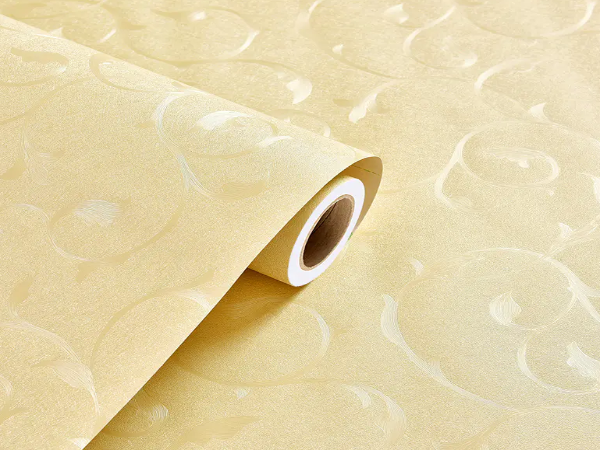
Ordinary PVC film is usually clear or its natural color. Colored PVC film is made to deliver a specific visual effect. Depending on the production method, the color can run through the whole material or come from a surface treatment.
PVC is a widely used thermoplastic. Heat and pressure let it be formed into many shapes, and additives change its properties. Plasticizers, for example, make it softer and more flexible, while stabilizers help it hold up during processing and use.
Colored PVC film comes in several surface styles:
The right choice depends on what the product does, how it should look, and where it will be used. Some jobs need flexibility and easy shaping. Others care more about color consistency, surface quality, or resistance to everyday wear.
The quality of the film starts with its ingredients. PVC resin forms the main structure, and additives control how the material processes and what properties it ends up with.
Every ingredient has a job. The formulation shifts with the film's thickness, flexibility, color, surface appearance, and application.
PVC Resin
PVC resin is the base material. It gives the film its basic structure and sets many of its physical traits. In processing, the resin is combined with other ingredients to make a compound that can be shaped into a continuous sheet.
Resin choice depends on the production method and the properties required. Different formulations yield flexible, semi-rigid, or more rigid materials.
Plasticizers
Plasticizers go in when flexible film is needed. They reduce stiffness so the material can bend without cracking easily.
The type and amount of plasticizer affect softness, flexibility, and handling. Flexible PVC film is common in packaging, protective covers, and decorative uses.
Colorants and Pigments
Colorants set the look of the film. Pigments typically produce solid, opaque colors, while certain dyes are used for transparent or tinted effects.
Choosing a shade is only part of the job. Manufacturers also have to consider how evenly the color spreads through the material and whether it stays consistent during processing.
Heat Stabilizers
Too much heat during manufacturing can damage PVC. Heat stabilizers limit unwanted changes when the material reaches processing temperatures.
They keep the material stable through production and help preserve its appearance and physical properties.
Lubricants and Processing Additives
Lubricants help the PVC mixture move through the equipment and reduce friction against machine surfaces.
Other processing additives improve how the material blends, flows, and forms into film. Which ones are used depends on the formulation and the manufacturing requirements.
These ingredients work as a set. A formula built for soft packaging film won't suit a rigid decorative sheet. Manufacturers balance them to get the right mix of appearance, flexibility, and processability.
Production runs through a series of preparation and forming steps. Equipment and formulas differ between factories, but the overall flow is much the same.
1. Raw Material Selection and Preparation
Production begins with choosing PVC resin, pigments, and other additives suited to the film type.
Ingredients are checked before processing to reduce contamination and formulation errors. Proportions are set according to the desired color, flexibility, and surface traits.
Good preparation here gives the later steps a stable mixture to work with.
2. Mixing and Color Blending
The ingredients go into mixing equipment. PVC resin is combined with plasticizers, stabilizers, colorants, and other additives until everything is evenly distributed.
Color blending needs care. Poorly dispersed pigments can leave uneven shades, visible specks, or differences from one batch to the next.
Some manufacturers make a concentrated color mixture first and then blend it into the main PVC formulation. This gives better control over pigment distribution and keeps color consistent.
The mixing step must also avoid unwanted material changes from excess heat or friction.
3. Heating and Material Processing
Next, the PVC compound enters processing equipment. Heat and mechanical action work the ingredients into a uniform material.
The compound gradually softens enough to be shaped. Processing conditions depend on the formulation and the equipment.
Steady material flow matters. Uneven heating or incomplete blending can affect the film's thickness, appearance, and surface.
4. Film Forming
When the material reaches the right processing state, it is formed into a continuous film. Calendaring and extrusion are the two common methods.
In calendaring, the softened compound passes through a series of heated rollers. They gradually spread and compress it into a sheet, and the gap between the rollers helps set the thickness.
Extrusion works differently. The softened material is pushed through a shaped opening and emerges as a continuous sheet.
Either method can make colored PVC film. The choice depends on the product structure, surface finish, production needs, and formulation.
5. Cooling and Shaping
Freshly formed film has to cool before it can be handled. Cooling lets the material settle and hold its shape.
The film may pass over cooling rollers or through other temperature-control equipment. Proper cooling limits deformation and supports even thickness.
Uneven cooling can cause wrinkles, internal stress, or dimensional changes, which hurt appearance and later processing.
6. Surface Treatment and Finishing
Some films get extra surface treatment after forming. Depending on the product, this may be printing, embossing, coating, or another finishing process.
Printing adds patterns, images, or decorative details. Embossing creates a texture that can imitate wood, leather, or stone.
Coatings can adjust gloss, improve scratch resistance, or change how the film feels to the touch.
Not every film needs these treatments. Plain films may go straight from cooling to inspection and packaging.
7. Inspection and Packaging
Before delivery, the film is inspected. Manufacturers usually check color consistency, thickness, surface condition, flexibility, and general appearance.
Visible defects such as bubbles, wrinkles, scratches, or uneven color often point back to a problem in material preparation or forming.
After inspection, the film is cut, rolled, or packed for its intended use. Good packaging protects the surface from dust, moisture, and physical damage in storage and transport.
Different methods give PVC film different physical traits and surface effects. Calendaring and extrusion are the widely used, since both turn PVC into continuous sheets.
| Manufacturing Method | How It Works | Common Characteristics |
|---|---|---|
| Calendaring | Softened PVC passes through rotating rollers to form a sheet. | Suitable for continuous film production and controlled thickness. |
| Extrusion | PVC material is pushed through a die to form a continuous film. | Allows different sheet structures and product shapes. |
| Coating | A colored PVC layer is applied to a supporting material or surface. | Used when a layered structure or specific surface effect is required. |
Calendaring
Calendaring is a common way to make PVC film. The material runs through several rollers that shape it step by step into a sheet.
Roller settings and the formulation let manufacturers control thickness and surface appearance. The process can make both flexible and fairly rigid sheets.
Extrusion
Extrusion is the other widely used process. The PVC compound is heated and pushed through a die, which shapes it into continuous film.
The equipment can be adjusted for different product needs. It is used for many plastic sheets and films, colored PVC included.
Coating
Coating is different from the other two because a PVC-based layer is applied onto a supporting surface. The base material can add structural or functional properties.
It suits products that need a combination of materials instead of a film made entirely of PVC.
The method should follow the end use. Thickness, flexibility, surface appearance, and the type of supporting material can all influence the decision.
Many factors during production shape how the film looks and performs. Even with similar raw materials, differences in formulation, processing, and storage lead to different results.
Color Consistency
Color consistency is the noticeable quality factor. The film should look fairly uniform across its surface and through the whole batch.
Uneven pigment distribution, shifts in raw material proportions, or unstable processing conditions can cause visible shade differences.
Color samples and production records help manufacturers stay consistent when they make the same product again and again.
Thickness and Dimensional Stability
Thickness affects flexibility, strength, and fit for different uses. If it varies across the sheet, the film may behave unevenly during cutting, printing, lamination, or installation.
Stable processing conditions and suitable forming equipment keep these variations in check.
Surface Appearance
The surface should match the intended finish, whether that's smooth and glossy, soft and matte, or a consistent embossed texture.
Bubbles, scratches, wrinkles, and other visible defects make the film less suitable for decorative or protective use.
Flexibility and Strength
Flexible film must bend and move without cracking easily. More rigid versions need greater dimensional stability.
The formulation balances these traits. Plasticizer choice, resin properties, and processing conditions all shape the final material.
Environmental and Storage Conditions
Over time, temperature, sunlight, moisture, and storage conditions can affect PVC film.
Some formulations are built for specific environments, while others are meant mainly for indoor use. Picking the right product means thinking about where and how it will be used.
Storage counts too. Excess heat, direct sunlight, and poor stacking can deform the material or mark the surface. Suitable packaging and a controlled storage area keep the film in good condition until it is used.
Colored PVC film appears in manufacturing, construction, packaging, and decorative industries. Its color range, flexibility, and easy processing suit products that must work well and look good.
Packaging Industry
In packaging, colored PVC film wraps products and forms protective covers and decorative packaging parts. Its look can help tell product categories apart or build a consistent visual style.
Transparent colored film is used when the contents should stay partly visible. It can be chosen to suit the packaging structure and how the finished product will be handled.
Furniture and Interior Decoration
Furniture is another major use. Colored PVC film can cover cabinets, shelves, doors, and furniture panels.
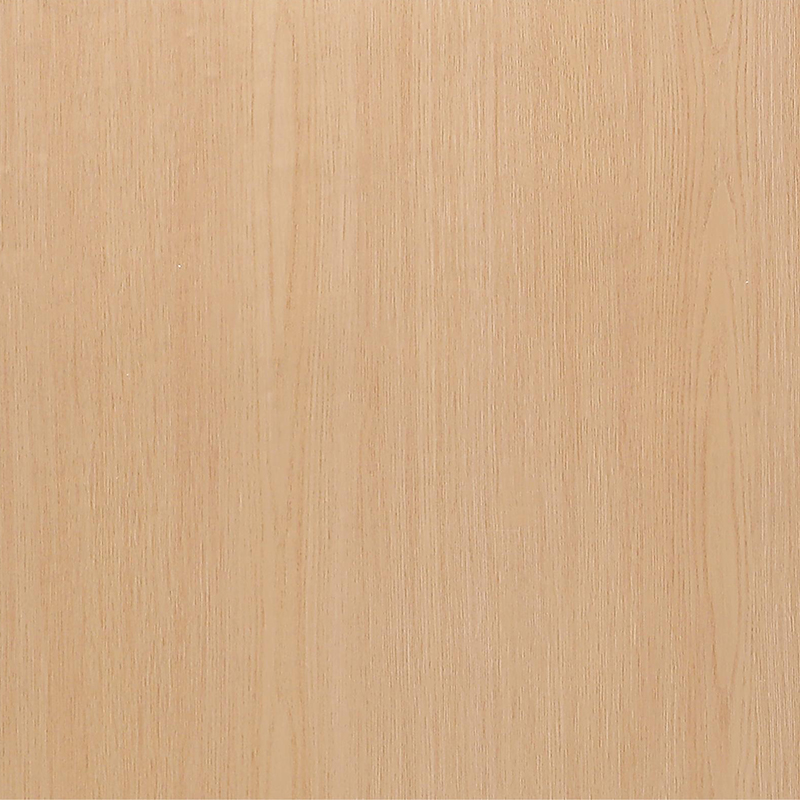
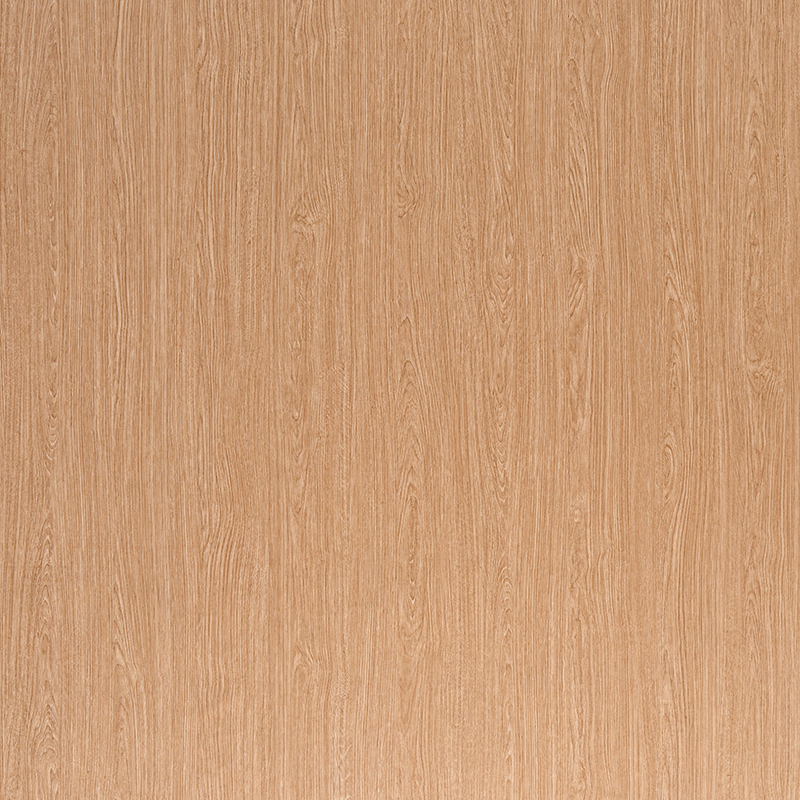
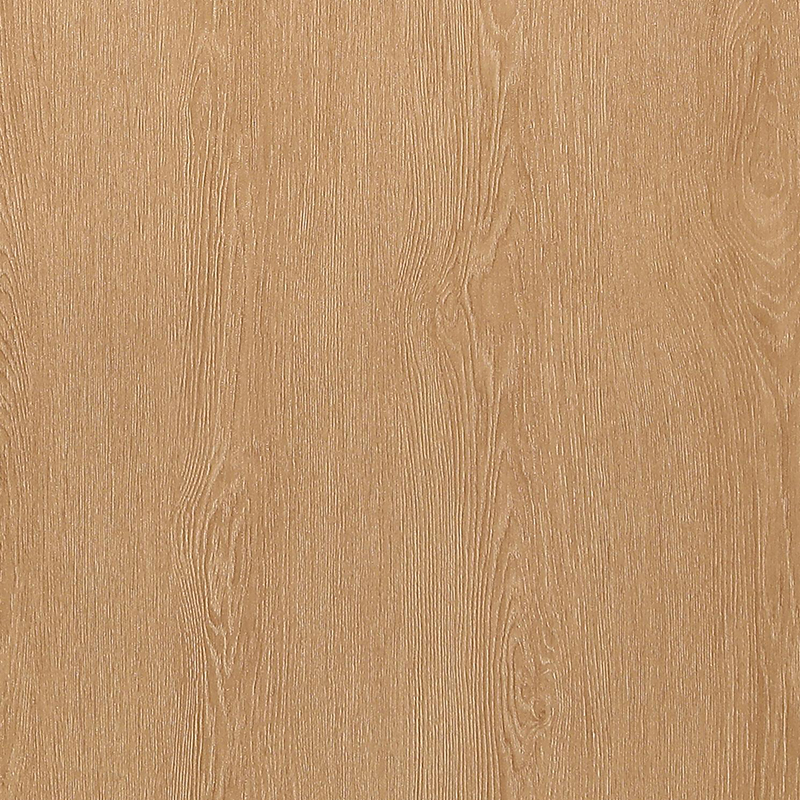
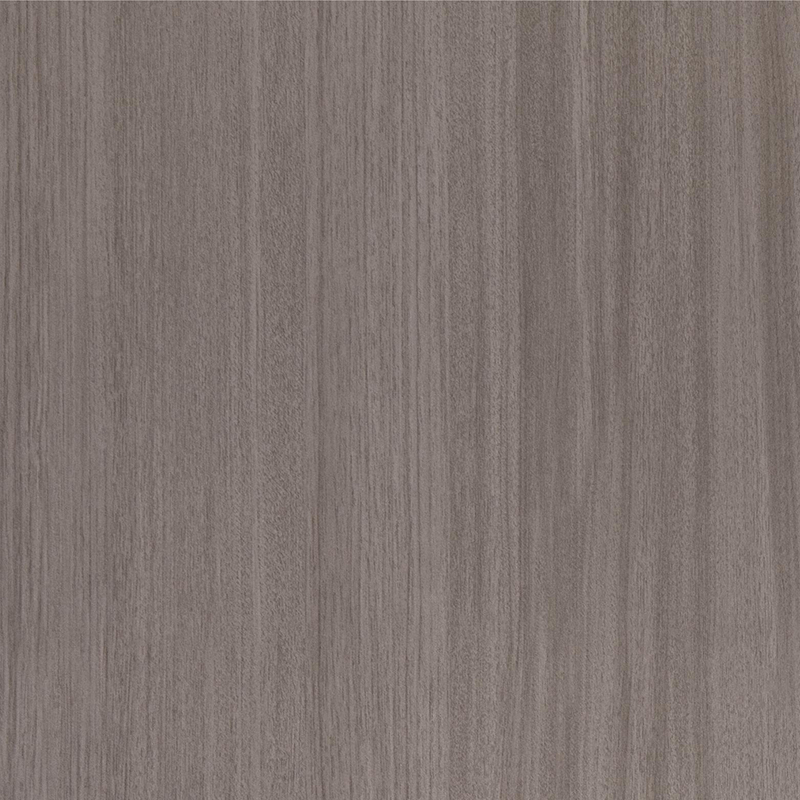
Some films carry wood-like patterns, stone-inspired designs, or plain colors, so manufacturers can create a variety of looks on furniture surfaces.
PVC film also goes onto some interior decorative parts, such as wall panels and trim.
Automotive Industry
In vehicles, colored PVC film may be used for interior decorative elements, protective surfaces, and certain covering materials.
Different colors and textures let designers coordinate interior parts. The material has to be chosen for the vehicle environment, including temperature exposure, flexibility, and surface durability.
Advertising and Display Materials
Signs, display boards, decorative graphics, and promotional displays all use colored PVC film. The range of colors and finishes suits visual communication products.
Printed film can carry text, patterns, and graphics. It can also be combined with other materials to build display components with particular structural needs.
Industrial Applications
Some industrial products use colored PVC film for surface protection, identification, and covering.
Color can help tell components apart or signal a product function. The film's flexibility also helps in protective uses where a rigid sheet would be awkward to handle.
Picking a favorite color isn't enough. Buyers need to understand the product's application and think about how the material will be processed, installed, and used.
Identify the Intended Application
The application sets many of the basic requirements. Packaging film may need to be flexible and easy to handle, while furniture film may put more weight on appearance and surface durability.
Buyers should be clear on whether the film goes indoors or outdoors, and whether it will meet heat, moisture, sunlight, or other conditions.
Consider Color and Surface Finish
Color should fit the product design and its environment. Buyers may have to choose among solid, transparent, matte, glossy, or patterned finishes.
Physical samples help them judge real color and surface appearance. Screens often misrepresent color, so it's wise to confirm in person before placing a production order.
Check Material Flexibility and Thickness
Applications differ in how much flexibility and structural stability they need. Buyers should ask whether the film has to wrap around a curved surface, cover a flat panel, or run through further processing equipment.
Thickness should match the product's function, and the material has to stay suitable for cutting, forming, bonding, or installation.
Understand the Manufacturing Process
Production method influences appearance and physical traits. Buyers who know the difference between calendared, extruded, and coated products can state their requirements more precisely.
It also helps to ask manufacturers about available surface treatments, color matching, and compatibility with downstream processing.
Review Quality and Storage Requirements
Before buying, check the film for visible defects and ask how consistency is maintained. Look at color variation, thickness consistency, surface condition, and packaging.
Storage instructions deserve attention too, especially if the material won't be used right after delivery.
Clear communication between buyer and manufacturer cuts down on misunderstandings and leads to a better material choice.
Contact us






+86-15726853660 / +86-18301913645
No. 99, Jinxiang Road, Hubin New District, Suyu, Suqian City, Jiangsu Province, China

Decorative Film Materials

 English
 Français
 Español
 عربى
 русский