+86-15726853660 / +86-18301913645
+86-15726853660 / +86-18301913645
Surface appearance has become an important part of furniture, interior products, and many other manufactured items. A surface does not only affect how a product looks. It can also influence how people interact with it and how easily a design fits into a particular space.
This is where Decorative PVC Film has found a place in surface finishing. The material can be used as a decorative covering for suitable surfaces, helping manufacturers create different visual effects without changing the basic structure of the product.
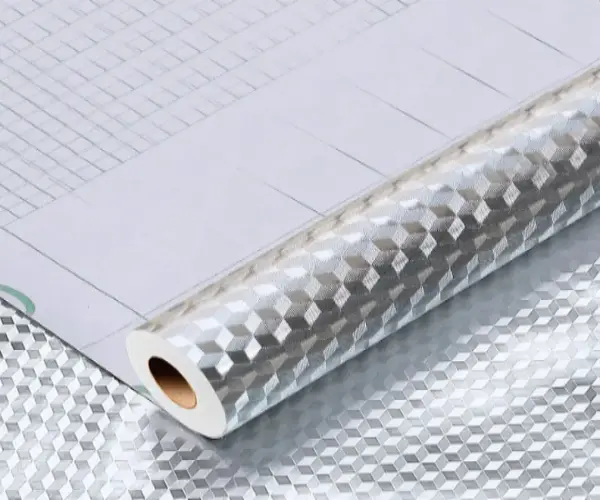
The range of possible applications is closely related to the type of surface being covered. Furniture panels, doors, wall-related products, cabinets, and other interior components may all have different requirements. A film that works well for one application may not automatically be suitable for another.
For manufacturers and buyers, understanding the relationship between PVC Film and the surface underneath is therefore important. The surface condition, intended use, product shape, design requirements, and manufacturing process can all influence the choice.
PVC Film can be applied to a range of suitable surfaces used in furniture and interior products. Flat panels are among the more familiar applications. These panels can be used for cabinet components, furniture surfaces, doors, and other manufactured products.
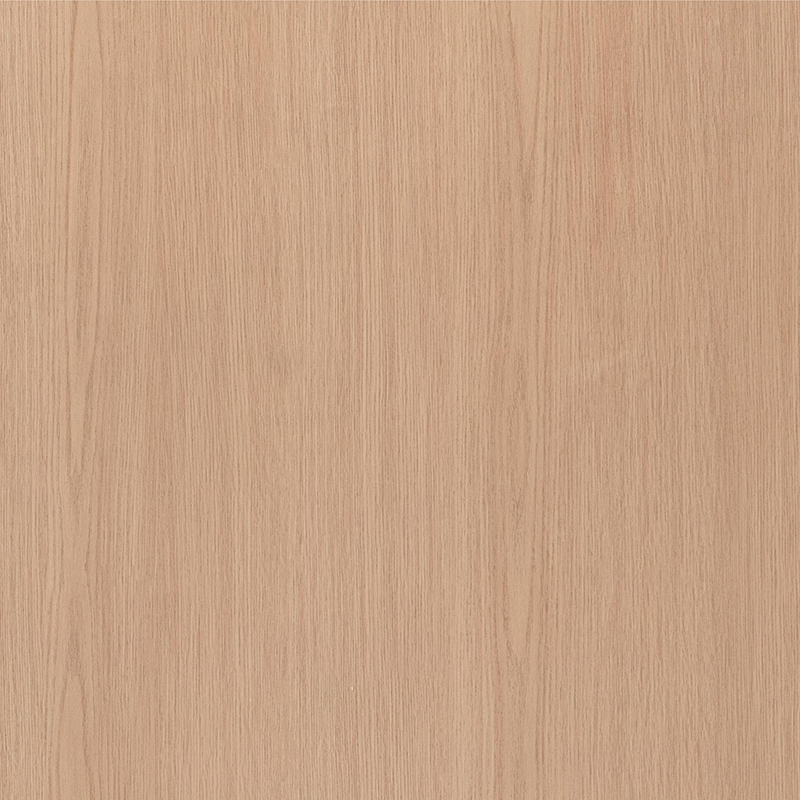
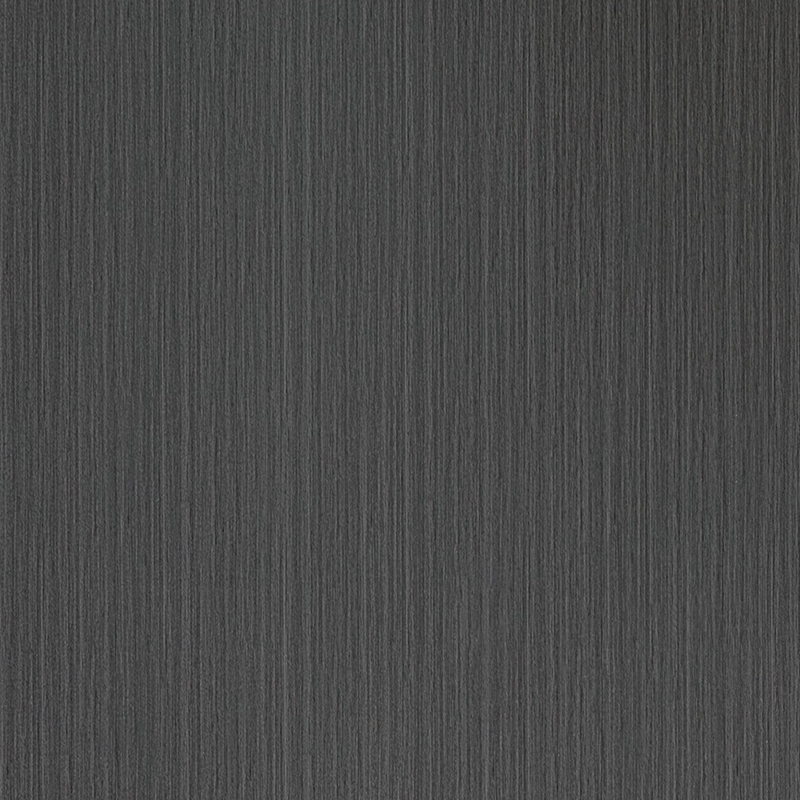
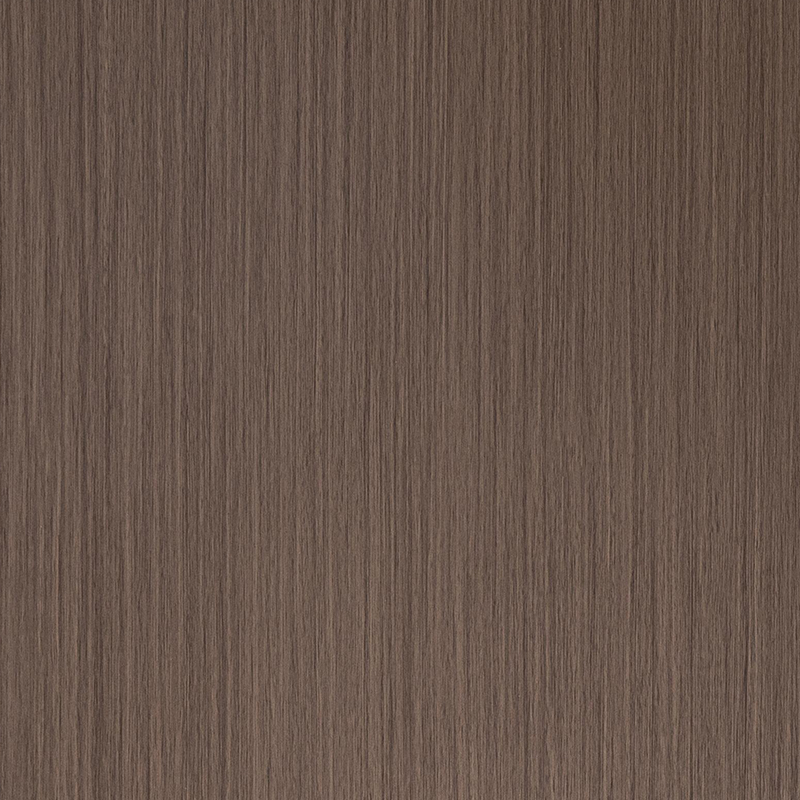
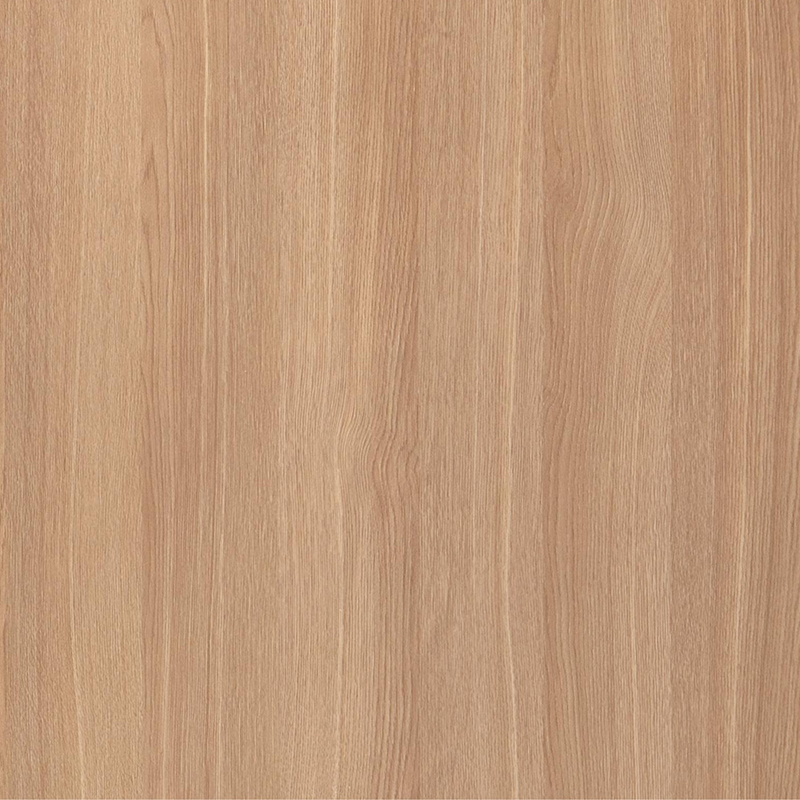
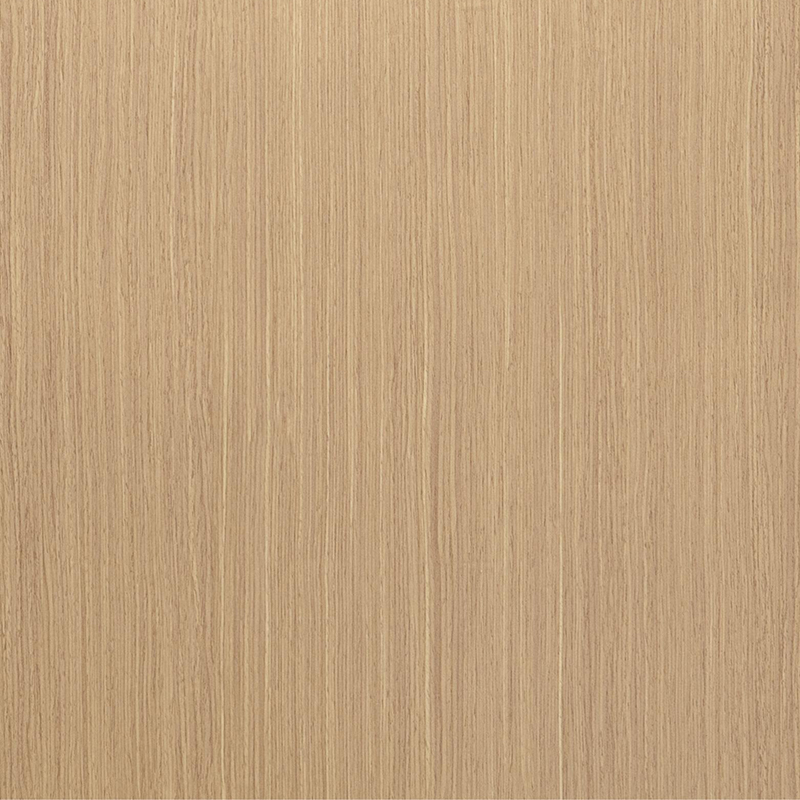
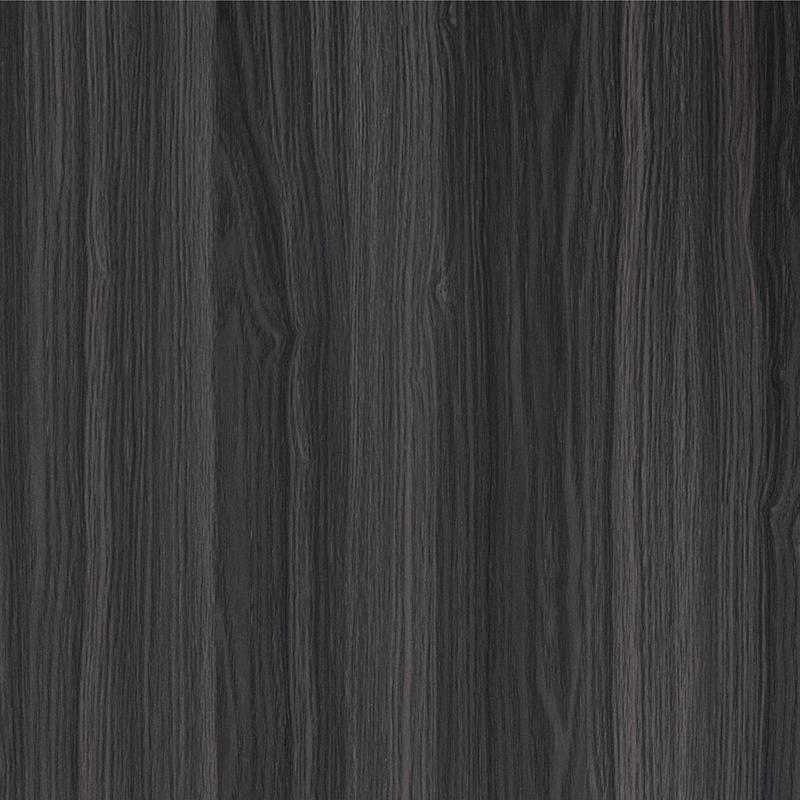
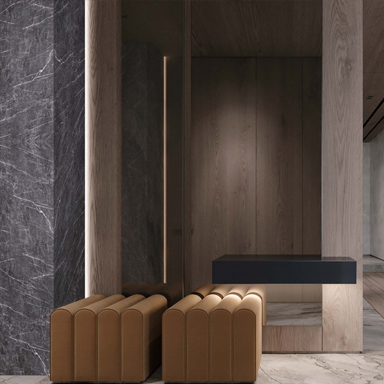
The film can provide a visible finish over the underlying surface. This gives manufacturers more freedom when developing the appearance of a product. Wood-inspired patterns, solid colors, textured effects, and other decorative styles can be used according to the design needs of the application.
Suitable surfaces are not limited to one type of furniture. The same general concept can be applied across different interior products when the substrate, film, and manufacturing process are compatible.
Common application areas include:
| Surface or Product Area | Possible Decorative Application |
|---|---|
| Furniture panels | Covering visible furniture surfaces |
| Cabinet surfaces | Creating decorative finishes for cabinet components |
| Door surfaces | Adding a designed surface appearance |
| Wall-related panels | Supporting interior surface decoration |
| Shelving components | Providing a coordinated visual finish |
| Interior fixtures | Matching surface appearance with surrounding elements |
| Decorative boards | Creating different surface styles for interior products |
The actual suitability of the film depends on the condition and characteristics of the surface. Manufacturers need to consider the intended application rather than treating every substrate in the same way.
Furniture is one of the areas where decorative surface materials can have a visible effect. A basic panel can take on a very different appearance depending on the surface covering selected.
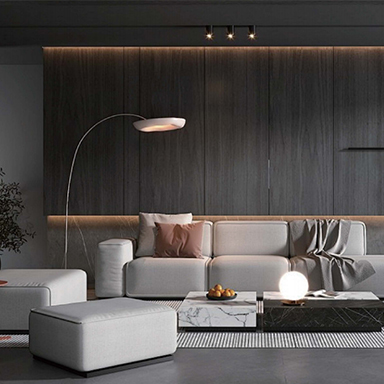
Decorative PVC Film can be used on suitable furniture components to create a consistent visual theme. A cabinet, for example, may use a particular surface design across several visible areas. A matching finish can also help connect doors, side panels, shelves, and other components.
The choice of film can influence the overall character of the furniture. A wood-style surface may create a familiar interior feeling. A plain finish may provide a cleaner visual appearance. A textured design can introduce another layer of visual interest.
The underlying surface still matters. It needs to be prepared in a way that allows the film to be applied appropriately. Uneven conditions, contamination, or unsuitable surface characteristics can affect the final result.
For furniture manufacturers, the process therefore involves more than choosing a decorative pattern. The film needs to work with the panel and the production method used to create the finished product.
This relationship can be viewed as a combination of three elements:
When these elements are considered together, manufacturers can make more informed decisions about surface design.
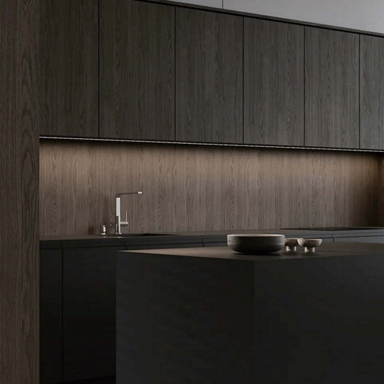
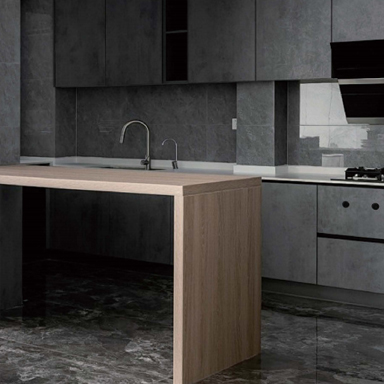
Cabinet surfaces offer another common area for decorative film applications. Kitchens, bedrooms, offices, retail spaces, and other interiors may use cabinets as both functional storage and visible design elements.
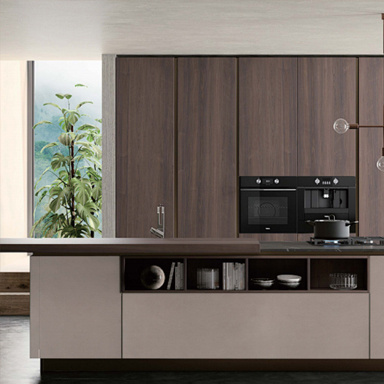
Because cabinets often occupy a noticeable area of a room, their surface appearance can affect the overall visual style. Decorative PVC Film gives manufacturers an option for creating different finishes while maintaining a consistent design across related components.
Cabinet doors are particularly visible. A manufacturer may want the door surface to match the surrounding panels or coordinate with other furniture. A decorative film can help create this visual connection.
Storage products can also involve different shapes and components. Flat panels are relatively straightforward, while edges, corners, or shaped sections may require more careful consideration.
This is why buyers should not assume that a film suitable for one cabinet component will automatically work for every part of the product. The application method, surface condition, shape, and intended use should all be reviewed.
For manufacturers working with cabinet products, useful questions include:
These questions can help connect decorative choices with practical production needs.
The application of PVC Film extends beyond furniture. Interior products often include doors, wall panels, decorative boards, shelving, partitions, and other components where surface appearance matters.
Doors are a good example. An interior door can occupy a large visible area, so its finish needs to fit the surrounding space. A decorative film can provide different surface styles without requiring the entire door structure to be changed.
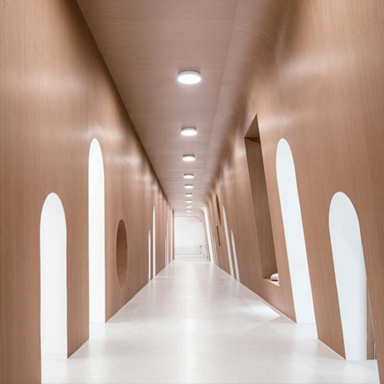
Wall-related products can also benefit from decorative surface treatments. Panels with coordinated finishes can help create a consistent interior style across different areas.
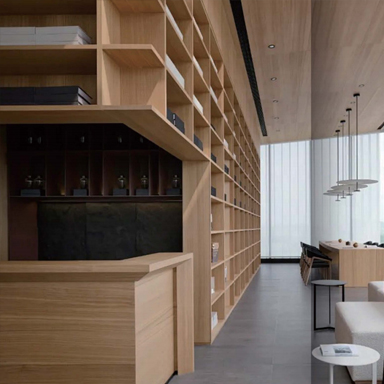
Shelving and storage systems are another possible application. These products may combine several visible surfaces, making surface coordination useful from a design perspective.
Interior fixtures can also use decorative surfaces when the substrate and application process are suitable. In commercial spaces, for example, different fixtures may need to follow a shared visual theme.
The important point is that PVC Film is not limited to a single product category. Its potential use is determined by the relationship between the film, the substrate, the shape, and the intended environment.
The surface underneath the film plays an important role in the finished appearance. A decorative covering does not completely remove the importance of the substrate.
A suitable surface should provide an appropriate base for the application. If the underlying material has unwanted dirt, damage, moisture, or an unsuitable texture, these conditions may influence the final result.
Surface preparation is therefore part of the manufacturing process. Cleaning and checking the substrate can help manufacturers identify potential problems before the film is applied.
The shape of the surface matters as well. A large flat panel presents a different application situation from a curved or detailed component. Edges, corners, grooves, and other features may require a different approach.
Manufacturers should also consider the intended use of the finished product. A surface used on a cabinet door may have different requirements from a decorative panel installed in another part of an interior space.
This makes surface selection a practical decision rather than a purely visual one. A pattern may look suitable in a sample, but the underlying surface and manufacturing process still need to be considered.
| Surface Consideration | Why It Matters |
|---|---|
| Smoothness | Can influence the appearance of the finished covering |
| Cleanliness | Helps provide a suitable surface for application |
| Shape | May affect how the film is applied |
| Edges and corners | Can require additional production consideration |
| Material compatibility | Influences whether the film is suitable for the substrate |
| Intended use | Helps determine which film characteristics are appropriate |
A careful review of these areas can help manufacturers reduce unnecessary problems during production.
PVC Film is often associated with flat furniture panels, but some applications involve more than simple flat surfaces. Furniture and interior products can include edges, curves, profiles, and other design features.
Whether a film can be used on a particular shaped surface depends on the film itself, the substrate, and the application process. Manufacturers should evaluate the actual product design rather than assuming that a film suitable for a flat panel will perform in the same way on every shape.
Shaped surfaces may require more attention during production. The film needs to follow the intended surface while maintaining the desired visual appearance.
This can influence furniture design as well. Designers may want to create products with more visual detail, while manufacturers need to make sure the selected surface material can work with that design.
For this reason, communication between design and production teams can be useful. A surface concept should be considered together with the material and manufacturing process.
Samples can also help. Testing a film on a representative surface can provide a clearer understanding of how the material interacts with the actual product design.
There is no single surface requirement for every interior product. A cabinet, door, wall panel, and furniture component may all need different considerations.
The intended application can affect the desired appearance, surface feel, handling requirements, and production process. A buyer therefore needs to explain where and how the film will be used.
For example, a furniture manufacturer may focus heavily on design consistency across several components. A door manufacturer may pay more attention to the overall appearance of a larger visible surface. An interior product manufacturer may need a film that fits a particular design concept.
These differences can influence the selection process.
Buyers can organize their requirements around several areas:
This information can make communication with manufacturers more efficient. It gives the supplier a clearer understanding of what the buyer actually needs instead of relying on a general request for decorative film.
Buyers can begin by identifying the surface rather than starting with the appearance alone. A decorative pattern may attract attention, but the film still needs to be suitable for the substrate and application.
Product samples can be useful during this stage. Buyers can compare different surface effects and consider how each one fits the intended product.
It is also useful to discuss application methods with the manufacturer. The same film may not be appropriate for every production process. Understanding how the product will be used can help the supplier recommend suitable options without making unsupported claims.
Packaging and product information should also be reviewed. Clear labeling can help purchasing teams organize different film types and avoid confusion during production.
A practical selection process can include:
This approach can help buyers connect visual design with actual manufacturing requirements.
Decorative PVC Film can serve many surface applications, but its suitability always depends on the specific product and production situation. Furniture panels, cabinets, doors, wall-related products, shelving, and other interior components can all present different opportunities.
For manufacturers and buyers, the useful approach is to look at the complete relationship between the decorative film and the surface underneath it. The appearance matters, but so do the substrate, shape, application method, intended use, and manufacturing workflow.
As interior products continue to offer more choices in surface appearance, decorative films can give manufacturers another way to approach furniture and interior design. The key is matching the film with the surface rather than treating decorative PVC film as a one-size-fits-all material.
Contact us

+86-15726853660 / +86-18301913645
No. 99, Jinxiang Road, Hubin New District, Suyu, Suqian City, Jiangsu Province, China

Decorative Film Materials

 English
 Français
 Español
 عربى
عربى
 русский