+86-15726853660 / +86-18301913645
+86-15726853660 / +86-18301913645
Self Adhesive Wallpaper has become a widely discussed wall decoration solution in recent years. It responds to real problems found in traditional wallpaper projects, such as complicated installation, long preparation time, and difficulty during removal. With a pressure-sensitive adhesive layer already applied on the back, this wallpaper type allows direct application onto the wall surface without additional glue or water.
From an industry perspective, this product is not a trend driven only by appearance. It reflects changes in how spaces are renovated and maintained. Faster installation, cleaner work environments, and flexible design updates are key reasons behind its steady growth in residential and light commercial projects.
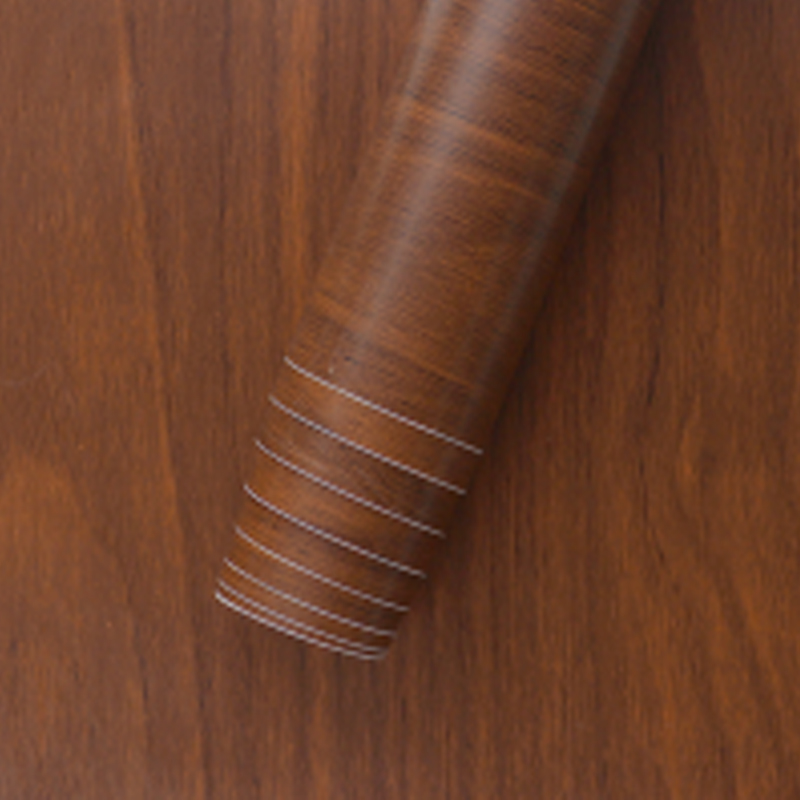
The structure of Self Adhesive Wallpaper is straightforward but carefully engineered. A decorative surface layer is combined with a stable base material and an adhesive backing protected by release paper. During installation, the release paper is peeled away, and the wallpaper is pressed directly onto the wall.
This process reduces common issues such as air bubbles, uneven glue distribution, and surface staining. Installers can adjust alignment during application by gently lifting and repositioning the sheet. This feature is especially helpful for projects that involve patterns or continuous designs.
Traditional wallpaper relies on liquid paste or pre-soaked backing, which requires preparation time and skilled handling. In contrast, Self-Adhesive Wallpaper simplifies this step and shortens project timelines.
Removal is another major difference. Traditional wallpaper often bonds strongly with the wall surface, making removal labor-intensive and sometimes damaging to the substrate. Self-adhesive options are designed to detach cleanly under normal conditions, leaving the wall surface largely unchanged.
One frequent concern involves whether Self Adhesive Wallpaper can work on textured walls. In many cases, it performs well on light textures, such as orange peel or subtle plaster finishes. The adhesive layer is formulated to grip uneven surfaces better than standard paste-based wallpapers.
However, extremely rough or dusty walls still require surface preparation. From a manufacturing viewpoint, adhesive formulation and base material thickness play a key role in how well the wallpaper conforms to surface irregularities.
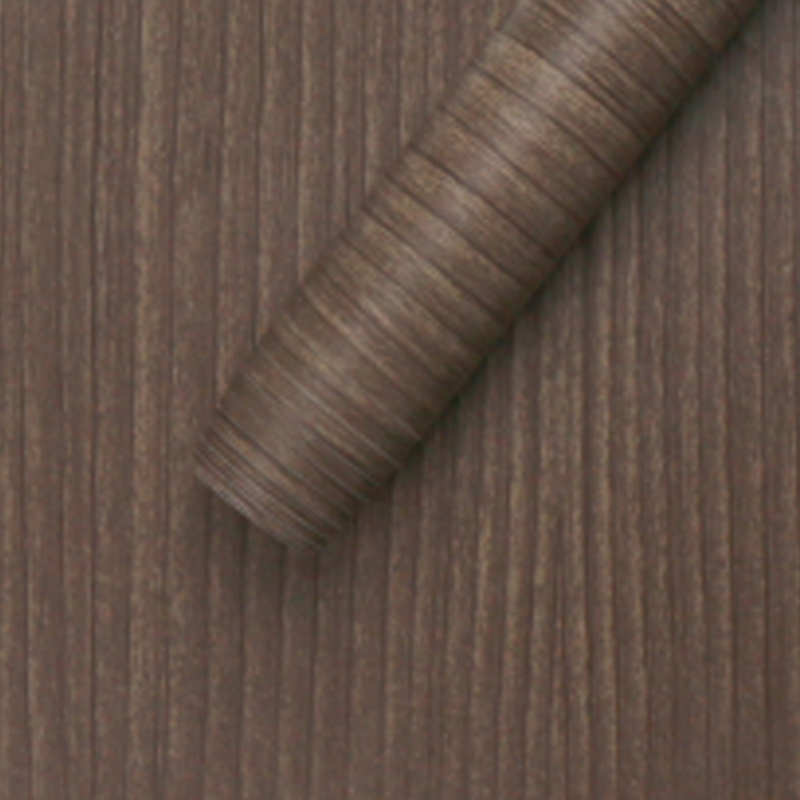
Removability is often a deciding factor for project planners. Self Adhesive Wallpaper allows for clean removal when done correctly. By slowly peeling at a controlled angle, the adhesive releases without tearing the wall surface.
Repositioning during installation is also possible within a reasonable time window. This reduces material waste and lowers the chance of installation errors, which is valuable for both contractors and maintenance teams.
A Self Adhesive Wallpaper Manufacturer pays close attention to raw material selection. Common face materials include vinyl-based films and coated papers, chosen for durability and print clarity. The adhesive must balance bonding strength with removability, which requires testing under different temperature and humidity conditions.
Production processes focus on coating consistency, adhesive curing, and surface flatness. These factors directly affect installation behavior and long-term performance. Quality control often includes peel tests, aging simulations, and adhesion stability checks.
As a Self-Adhesive Wallpaper Manufacturer, the goal is to provide reliable wall covering solutions that align with modern renovation practices. By combining material engineering with practical application knowledge, this product category continues to support flexible and efficient wall decoration projects across various sectors.
Contact us

+86-15726853660 / +86-18301913645
No. 99, Jinxiang Road, Hubin New District, Suyu, Suqian City, Jiangsu Province, China

Decorative Film Materials

 English
 Français
 Español
 عربى
عربى
 русский