+86-15726853660 / +86-18301913645
+86-15726853660 / +86-18301913645
PVC film is used in many areas of modern manufacturing. It can support packaging, printing, furniture production, decoration, protection, and other industrial tasks. Although the finished film may look simple, the manufacturing process behind it involves many decisions.
For buyers, choosing a PVC Film Manufacturer is not only about finding a company that can supply film. The manufacturer also needs to understand how the material will be used, what type of product is required, and how the film needs to fit into the buyer's production process.
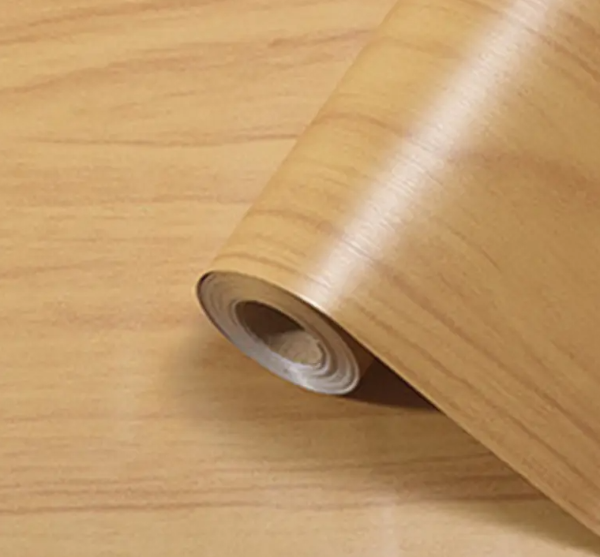
Different projects can have very different needs. A film used for surface decoration may need a different design approach from one used for packaging or protection. This makes supplier selection an important part of the purchasing process.
A suitable manufacturer can make communication easier from the early product discussion through production and delivery. Buyers can also gain a clearer understanding of what they are purchasing and how the film fits their application.
The role of a PVC Film Manufacturer goes beyond making and shipping film. A manufacturer is part of the product supply process. Its work can influence material selection, product consistency, customization, packaging, and communication.
Buyers often begin with a basic product request. They may know the intended use but have not decided every detail of the film. A manufacturer with experience in different applications can help organize these requirements into a practical production plan.
Several areas deserve attention when comparing manufacturers:
| Factor | Why It Matters |
|---|---|
| Product range | Helps buyers find a film suitable for their application |
| Manufacturing capability | Supports different production and customization needs |
| Material selection | Connects the film with its intended use |
| Surface and appearance | Influences how the finished product looks and performs |
| Quality control | Helps maintain consistent products during production |
| Communication | Makes project discussions and changes easier |
| Packaging | Helps protect the film during handling and transportation |
| Supply support | Helps maintain a stable purchasing relationship |
A manufacturer does not need to offer every possible product. What matters is whether its capabilities match the buyer's actual requirements. A focused supplier with relevant experience may be easier to work with than a company whose product range is difficult to understand.
The buyer should also look beyond the initial inquiry. A film project may involve sample discussions, design changes, production arrangements, packaging decisions, and future orders. Clear communication throughout these stages can reduce confusion.
Manufacturing capability is closely connected to what a buyer can request. PVC film can be produced for different applications, so manufacturers may have different production approaches and product ranges.
A buyer should consider whether the manufacturer can handle the type of film required for the project. This includes looking at the available product categories, appearance options, processing capabilities, and ability to adjust production according to the application.
Customization is another important point. Some buyers need a standard film for regular production. Others may need changes in appearance, size, surface treatment, or other product features. The manufacturer's ability to discuss these requirements can make a difference.
A useful manufacturing partner should also understand that customization is not simply about changing one part of a product. Changes in one area may affect other parts of production. Good communication allows both sides to discuss what is practical before production begins.
For buyers with repeat orders, manufacturing stability is also worth considering. A product may be purchased many times over a long business relationship. Consistent production helps buyers manage their own operations without making unnecessary adjustments each time.
PVC film is not used in only one type of environment. The material needs to fit the purpose of the finished product.
A packaging application may focus on covering and protection. A decorative application may place more attention on appearance and surface feel. A printing application may require a surface that works naturally with the intended printing process.
This is why buyers should explain the application clearly when contacting a PVC Film Manufacturer. Simply asking for "PVC film" may not provide enough information for the manufacturer to understand the real requirement.
The intended use can help guide the product discussion. Buyers can explain what the film will cover, where it will be used, whether appearance is important, and how the film will be handled during production.
Material selection can then become part of a wider conversation rather than a decision made in isolation.
| Application Area | Common Purchasing Considerations |
|---|---|
| Packaging | Covering, handling, appearance, and protection |
| Printing | Surface suitability and visual presentation |
| Furniture | Appearance, covering, and product design |
| Decoration | Color, pattern, texture, and visual effect |
| Industrial use | Application environment and handling needs |
| Surface protection | Covering method and ease of use |
The right material choice depends on the application. Buyers should avoid choosing a product based only on appearance or a general product description. The film should make sense within the complete production process.
PVC film can have a strong visual role in many products. It may become part of the visible surface rather than simply acting as an unseen material.
Color is one consideration. Pattern, texture, transparency, and surface appearance can also affect the final product. These features may be particularly important for furniture, decoration, printing, packaging, and other products where visual presentation matters.
A PVC Film Manufacturer should be able to discuss appearance requirements in a clear way. Buyers can provide information about the desired visual direction and explain how the film will be used.
Design flexibility can also matter when a buyer develops several product lines. Different products may need different appearances while still using a similar type of film. A manufacturer that can support a range of design needs may simplify purchasing and communication.
However, appearance should not be considered separately from use. A visually attractive film still needs to fit the purpose of the product. Buyers should consider both the way the film looks and the role it needs to play after production.
This balanced approach can help prevent design decisions from creating problems later in the manufacturing process.
Quality control is an important part of PVC film manufacturing. Buyers need products that remain reasonably consistent from one production cycle to another.
Quality checks may take place at different stages of manufacturing. Material preparation, film production, surface processing, inspection, and packaging can all be part of the manufacturer's internal workflow.
For buyers, the main concern is not simply whether inspection exists. It is whether the manufacturer's quality process is organized around the product requirements.
Clear product requirements make quality checks easier to manage. When both sides understand what the film is intended to do, it becomes easier to identify the characteristics that deserve attention.
Consistency can also influence the buyer's own production. If the film changes noticeably between orders, downstream processing may become more difficult. Stable manufacturing helps buyers work with a more predictable material.
Buyers can therefore ask manufacturers how product requirements are recorded, how production is checked, and how product changes are handled. These questions can provide useful insight into the manufacturer's working process without relying only on a product sample.
Communication is easy to overlook when buyers compare suppliers. Yet it can have a direct effect on how smoothly a project develops.
PVC film projects often involve more than one conversation. Product requirements may change after samples are reviewed. Packaging may need to be discussed. New application information may appear during the purchasing process.
A manufacturer that communicates clearly can make these changes easier to manage.
Good communication does not mean using complicated language. It means making product information understandable. Buyers should be able to explain their needs and receive practical responses without unnecessary confusion.
Response quality also matters. A useful response should address the actual question instead of simply sending a general product list. This is especially important for customized PVC film.
Communication can also help both sides identify unsuitable choices at an early stage. If a particular film does not fit an application, discussing the issue before production can save time and avoid unnecessary changes later.
For long-term buyers, communication becomes even more important. Regular orders may involve new designs, changing packaging needs, or adjustments to the production plan. A clear working relationship can make these discussions more efficient.
PVC film is supplied as a physical material, so packaging is part of the purchasing process. The film needs to be prepared for handling, storage, and transportation.
Packaging should protect the product and keep the material organized. Buyers may also have their own storage or production requirements. These needs are worth discussing with the manufacturer before an order is finalized.
Packaging can also influence warehouse management. Clearly organized products are easier to identify and move. This can be useful when buyers handle several film types for different applications.
Delivery support is another part of supplier communication. Buyers should understand how products are prepared for shipment and how order information is managed.
This does not mean that every manufacturer needs to use the same packaging approach. Different products and customers can have different needs. The useful question is whether the manufacturer's packaging process fits the buyer's situation.
For repeat purchasing, consistent packaging can also make receiving and storage easier. A familiar system allows warehouse staff to recognize products and organize them with less effort.
Comparing manufacturers becomes easier when the buyer has a clear list of requirements. Instead of focusing on one feature, it can be useful to consider the entire purchasing process.
A simple comparison can begin with product suitability. Does the manufacturer provide the type of PVC film required? Can it discuss the intended application? Can it support the appearance or design requirements?
The next area is production support. Buyers can consider whether the manufacturer can manage customization, production communication, inspection, and packaging in a way that fits the project.
Supplier communication should also be part of the comparison. A manufacturer may have a suitable product, but unclear communication can make a customized project harder to manage.
The buyer's long-term needs matter as well. A supplier for a single purchase may be evaluated differently from a manufacturer expected to support regular orders.
A practical checklist can include:
Choosing a PVC Film Manufacturer is therefore a process of matching capabilities with requirements. The useful supplier relationship is one where product, application, production, and communication can be discussed together.
For buyers working with PVC film, this approach can make supplier evaluation more structured. It also creates a clearer starting point for discussing custom products, new applications, and future purchasing needs.
Contact us










+86-15726853660 / +86-18301913645
No. 99, Jinxiang Road, Hubin New District, Suyu, Suqian City, Jiangsu Province, China

Decorative Film Materials

 English
 Français
 Español
 عربى
عربى
 русский