+86-15726853660 / +86-18301913645
+86-15726853660 / +86-18301913645
In a lot of cities these days, furniture renovation really isn't some niche activity anymore. It's become a pretty common choice across both residential and commercial spaces alike. People aren't always looking to just replace what they already have, either — a lot of the time, they'd rather adjust, refresh, and adapt what's already sitting there. That shift is exactly what's brought decorative interior films into much wider use lately.
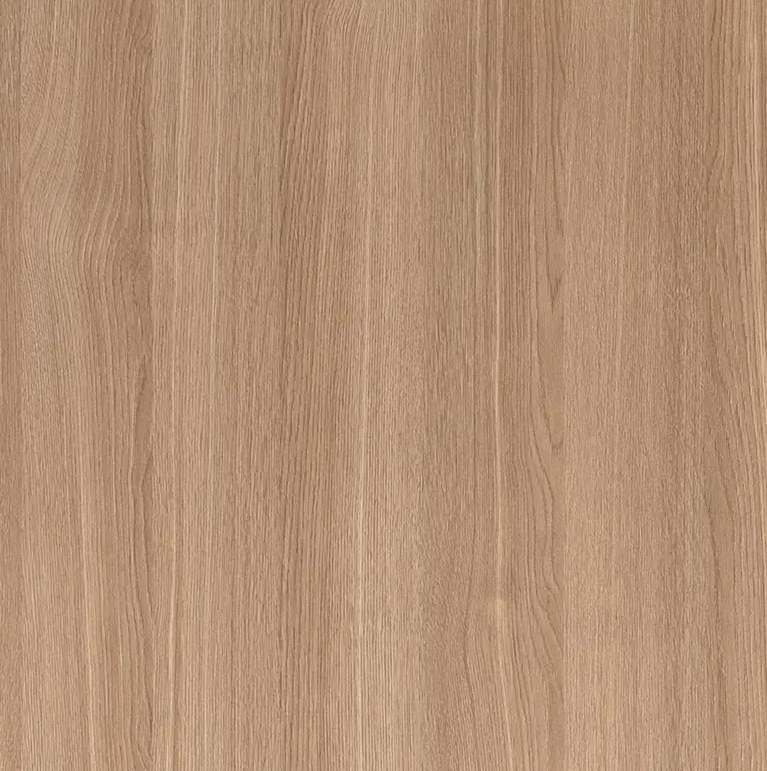
These films tend to sit quietly in the background of renovation projects, honestly. They don't really grab attention at first glance, and yet they end up shaping how furniture actually looks and feels within a space. From kitchen cabinets all the way to office desks, surfaces are getting reimagined rather than ripped out and tossed.
The growing interest in interior films really reflects a bigger shift in how people think about interiors these days. It's less about starting completely over, and a lot more about working with what's already there.
Renovation often begins with a simple question: what can be improved without taking everything apart? Furniture is usually still functional. The structure remains stable. The issue is often visual rather than practical.
Interior films offer a way to respond to that situation. They allow surfaces to be updated without changing the core of the furniture. This approach suits projects that aim to balance time, effort, and visual outcome.
In many renovation environments, the following factors play a role:
| Consideration | How It Influences Choice |
|---|---|
| Existing furniture condition | Encourages surface-level updates rather than replacement |
| Project timeline | Supports faster turnaround in renovation work |
| Design adjustments | Makes it easier to align furniture with new styles |
| Space usage | Allows updates without interrupting daily activities |
The appeal is not only about convenience. It is also about control. Renovation teams can decide how much change is needed and where to apply it.
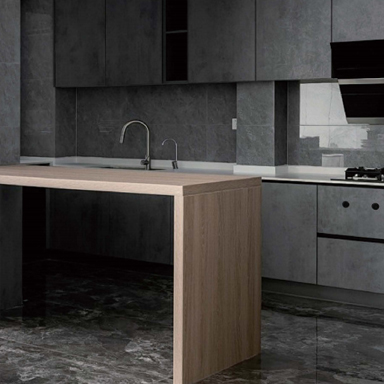
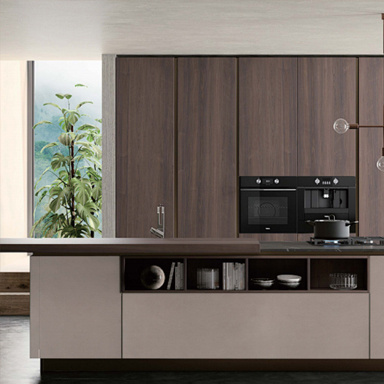
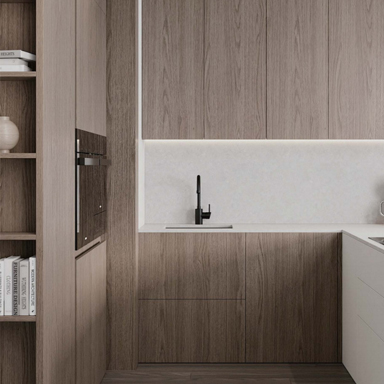
Furniture carries a certain visual weight in a room. A cabinet, a table, or a wardrobe can define the tone of a space. When its surface looks worn or outdated, the whole room may feel the same.
Interior films make it possible to reshape that impression. By applying a new layer, the surface begins to tell a different story. The structure stays the same, yet the appearance shifts.
This transformation does not rely on complex processes. It is more about thoughtful selection and careful application. A darker tone may create a calm atmosphere. A lighter finish may open up the space. Patterns can add character where plain surfaces once existed.
Renovation projects often use films to:
The result is not just a new look. It is a different experience of the same furniture.
Replacing furniture might seem like the direct solution on paper, but it really comes with its own set of headaches. Removal, transport, installation, adjustment — all of that takes time and coordination, and in some spaces, the whole process can end up disrupting daily activities way more than anyone wants.
Interior films offer a much quieter alternative here. They work with the existing setup instead of fighting against it. There's no real need to haul out large items or redesign the entire layout from scratch.
Renovation teams often end up weighing things like:
Films really provide a kind of middle path here. They sit somewhere between doing nothing at all and doing absolutely everything. That balance is exactly what makes them a good fit for projects where change is needed, but not necessarily at the cost of a full replacement.
The use of decorative interior films is not limited to one category of furniture. Their adaptability allows them to be used across different settings.
Common examples include:
| Furniture Category | Typical Purpose |
|---|---|
| Storage units | Updating external appearance |
| Work surfaces | Adjusting visual tone of the space |
| Doors and panels | Creating consistency within interiors |
| Shelving systems | Blending with surrounding design |
| Reception desks | Refreshing first impressions |
Each type of furniture presents its own surface and context. Renovation teams often look at how these elements interact within the space. A single updated piece may influence the perception of the entire room.
This approach allows gradual change. Not everything needs to be updated at once. Selected pieces can be renewed step by step.
Design thinking has shifted in recent years. There is more attention on adaptability and continuity. Spaces are expected to evolve over time, not remain fixed.
Interior films support this way of thinking. They allow surfaces to be revisited and adjusted without starting from scratch. Designers can respond to changing preferences or new functions within the same space.
In many projects, flexibility is valued:
Films make these transitions easier to manage. They act as a layer that can be changed when needed, without affecting the underlying structure.
This layered approach aligns with how modern interiors are planned. It keeps options open while maintaining stability.
Choosing a decorative interior film is not only about appearance. It involves understanding how the product will interact with the space and the furniture.
Buyers often reflect on several points:
1. Surface Compatibility
Not all furniture surfaces behave the same way. It is important to consider whether the film can be applied smoothly and remain stable over time.
2. Visual Direction
The selected design should match the overall intention of the space. A mismatch can create visual tension instead of harmony.
3. Project Conditions
Some renovation projects take place in active environments. Buyers need to think about how the application process fits into the daily use of the space.
4. Communication with Suppliers
Clear communication helps avoid misunderstandings. Buyers benefit from working with suppliers who can explain product features in a simple and practical way.
A careful approach to selection helps ensure that the renovation process moves forward without unnecessary adjustments.
Manufacturers are observing how interior films are used in real projects. They are not only producing materials but also responding to how customers apply them.
In many cases, feedback from renovation teams influences how products are developed. Manufacturers look at:
This ongoing exchange shapes the market. It encourages manufacturers to think beyond production and consider how their products fit into daily use.
The relationship between supplier and buyer becomes more interactive. It is less about one-time transactions and more about continuous understanding.
Furniture renovation is not driven by a single reason. It reflects a mix of practical needs and changing attitudes toward interiors. Interior films fit into this mix because they offer a way to adjust without removing what already exists.
They allow spaces to evolve. They support gradual change. They respond to both visual and functional needs.
In many projects, renovation is not about making something completely new. It is about seeing familiar objects in a different way. Decorative interior films make that shift possible through small, controlled changes that build into a larger transformation.
Contact us

+86-15726853660 / +86-18301913645
No. 99, Jinxiang Road, Hubin New District, Suyu, Suqian City, Jiangsu Province, China

Decorative Film Materials

 English
 Français
 Español
 عربى
عربى
 русский