+86-15726853660 / +86-18301913645
+86-15726853660 / +86-18301913645
Home decoration is shifting in a quiet but noticeable way. People are no longer only focused on large renovations or permanent changes. Instead, there is growing interest in simple surface updates that can refresh a space without heavy work. Window door film cling is one of the materials gaining attention in this movement.
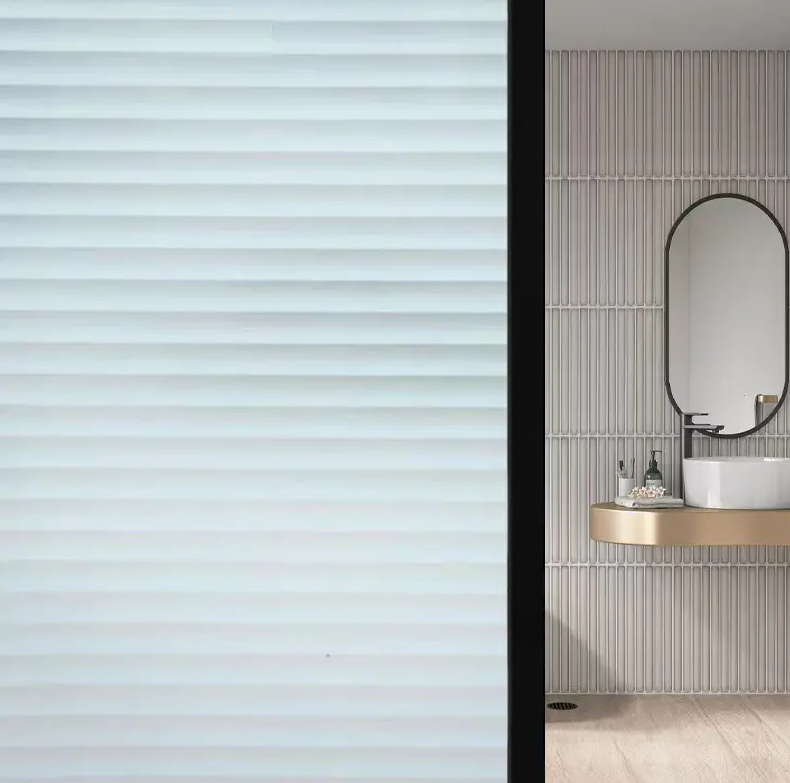
It is used directly on glass surfaces. Windows, doors, and partitions can all be adjusted with it. The appeal comes from its flexibility and ease of use. A space can look different without replacing the glass itself.
Modern living spaces are changing. Many homes now combine open layouts with glass features. This creates bright environments, but also raises concerns about privacy and glare.
Window door cling fits into this situation naturally. It allows glass surfaces to be adjusted without structural changes.
People often look for small upgrades that do not require long installation time. This type of film responds to that need. It can be applied and changed without major effort.
There is also a growing interest in reversible decoration. Instead of committing to permanent design decisions, many prefer options that can be updated over time.
Glass usually feels open and transparent. While this is useful for light, it can sometimes feel too exposed.
Once film cling is applied, the surface behavior changes. Light still passes through, but visibility can be softened. The room feels slightly more controlled without becoming dark.
Different patterns or finishes can also shift how the space looks. Some designs feel subtle, while others create stronger visual separation.
The transformation is not structural. It is surface-based. That makes it easier to adjust when needed.
Privacy is becoming a key part of interior planning. Homes are no longer fully separated from the outside environment. Glass walls and doors often connect multiple spaces visually.
This openness can feel modern, but not always comfortable in daily life.
Window cling provides a simple layer of separation. It does not block light completely. Instead, it softens visibility.
This balance between openness and privacy is one of the reasons it is gaining attention.
In shared spaces, it also helps define personal zones without adding physical walls.
Home decorating has shifted a lot lately; people love spaces they can refresh easily as their tastes change.
Rather than repainting walls or swapping out whole sets of furniture, many now prefer simple surface updates to switch up a room's look.
Static cling window and door film fits this trend perfectly. It can be stuck onto any glass surface wherever you want a quick makeover.
You can style living room windows one way, then use the exact same film differently on bathroom doors or office glass partitions. Every room gets its own unique vibe without buying separate decor supplies.
This versatile material lets you adjust your home's style freely, instead of locking yourself into one permanent design.
Its use is not limited to one type of space. It appears in both private and shared environments.
Common applications include:
Each area has different expectations. Some focus more on privacy. Others focus on light control or visual style.
The same material behaves differently depending on placement.
Natural light is an important part of interior comfort. Many design choices revolve around maintaining brightness while reducing discomfort.
Window film cling does not block light completely. Instead, it adjusts how light enters the space.
The brightness becomes softer. Shadows are less sharp. The room feels more balanced.
This effect is subtle, but noticeable in daily use. It helps reduce glare without making the space feel closed.
For many homes, this balance is more important than full transparency or full coverage.
One of the reasons for growing popularity is ease of application.
There is no need for structural changes. The film is placed directly on clean glass surfaces.
It can be adjusted during placement, which helps reduce alignment issues. If needed, it can also be removed without affecting the glass underneath.
This reversibility is important for renters or people who like to update interiors frequently.
The process feels more like surface styling than construction work.
Temporary decoration is becoming more common. People often change interior style based on seasons, mood, or lifestyle shifts.
Window film cling fits into this idea well.
Instead of committing to a long-term design, users can change patterns or coverage when needed.
This makes it suitable for:
The ability to refresh a space without rebuilding it is a key advantage.
Different approaches exist for glass styling. Each has its own use case.
| Option Type | Visual Effect | Flexibility | Installation Style |
|---|---|---|---|
| Window door film cling | Soft or patterned surface | High | Direct application |
| Curtains | Full coverage when closed | Medium | Hanging system |
| Blinds | Adjustable light control | Medium | Fixed structure |
| Frosted glass | Permanent diffusion | Low | Structural change |
Window film cling stands out because it does not require permanent modification. It sits between decorative and functional use.
Rental spaces often come with limitations. Permanent changes are usually not allowed.
This creates demand for reversible design solutions.
Window film cling fits this situation naturally. It allows personalization without altering the original structure.
Tenants can adjust privacy and style while still respecting property conditions.
When moving out, removal is simple and does not leave lasting marks.
This flexibility is a major reason for its increasing use in rental interiors.
Small changes in glass surfaces can influence how a room feels.
Clear glass creates openness. Covered glass creates separation. Film cling sits in between.
It does not fully close a space. Instead, it softens boundaries.
This can make large rooms feel more organized. It can also make small rooms feel less exposed.
The atmosphere becomes more controlled without losing brightness.
Several broader design trends are connected to its rising use:
These trends reflect a move away from fixed interior design toward adaptable environments.
Window film cling fits naturally into this direction.
In daily use, the material is not something that requires attention. It works quietly in the background.
It adjusts how light enters a room. It influences privacy without drawing attention to itself. It becomes part of the space rather than a separate object.
This low-profile role is part of its appeal.
It supports comfort without changing how people move or live inside the space.
Interior design is increasingly focused on flexible materials. Spaces are expected to serve multiple functions throughout the day.
A room may act as a workspace in the morning and a living area in the evening. Glass partitions play a role in this flexibility.
Window film cling allows those partitions to change character without physical reconstruction.
This makes it relevant not only for homes, but also for shared offices and mixed-use environments.
As living spaces continue to adapt, surface-based design elements are likely to grow in importance.
Window door film cling represents a simple but effective way to adjust environment without structural change.
Its role may expand as more people look for flexible, reversible, and low-intervention design solutions.
The focus is shifting toward adaptability, and materials like this fit naturally into that direction.
Contact us

+86-15726853660 / +86-18301913645
No. 99, Jinxiang Road, Hubin New District, Suyu, Suqian City, Jiangsu Province, China

Decorative Film Materials

 English
 Français
 Español
 عربى
عربى
 русский