+86-15726853660 / +86-18301913645
+86-15726853660 / +86-18301913645
PVC film for printing is used in a wide range of applications, from advertising displays and product labels to decorative panels and packaging materials. Each project has its own requirements. A business preparing promotional graphics may need a film with a smooth surface and clear color reproduction. A manufacturer producing decorative products may focus on appearance, flexibility, and compatibility with later processing.
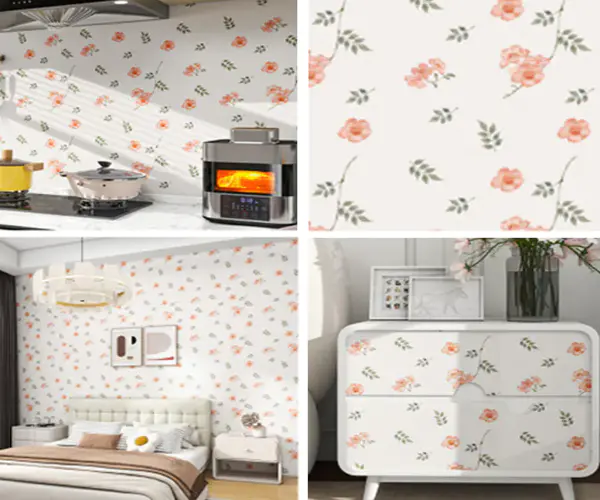
These different needs explain why customized PVC film has become an important option for printing-related businesses. Rather than selecting a standard material for every task, buyers can discuss the film's appearance, surface characteristics, flexibility, color, and intended use with a supplier. The aim is to match the material to the product and the printing process.
Customization does not always mean developing a completely new material. It can involve adjusting selected features of an existing film, choosing a suitable surface finish, or combining several requirements into one product specification. The appropriate approach depends on the application, production process, and expected result.
Understanding the available customization options can help buyers communicate their needs more clearly and reduce problems during production.
Printing projects almost never share identical requirements, even when they both happen to use PVC film. Working conditions, visual goals, processing methods — all of it can differ wildly. A material built for a decorative surface might fall apart the moment it needs to bend around a curve.
Think about a retail display next to a printed label. The display needs an appearance that grabs attention from across a room. The label needs clear text, consistent color, and a surface that cooperates with whatever printing method got chosen. Both involve printed graphics, sure, but their material needs don't overlap nearly as much as you'd think.
Customization exists precisely to handle these gaps, letting buyers pick film characteristics based on what the product actually needs to do.
A handful of factors tend to drive that selection:
These factors rarely stay neatly separated. A buyer might need a specific appearance and enough flexibility for later processing at the same time, which means a supplier has to weigh the combination rather than treating each requirement like its own isolated checkbox.
Customized PVC film ends up being the bridge between material selection and what a project genuinely requires. It also gives buyers something concrete to talk about when they're working through product development with a manufacturer.
What's actually available depends on the manufacturer, the material formulation, and what the film's going into. Some projects only need a color tweak or a different surface finish. Others need several features considered together, almost like solving a small puzzle.
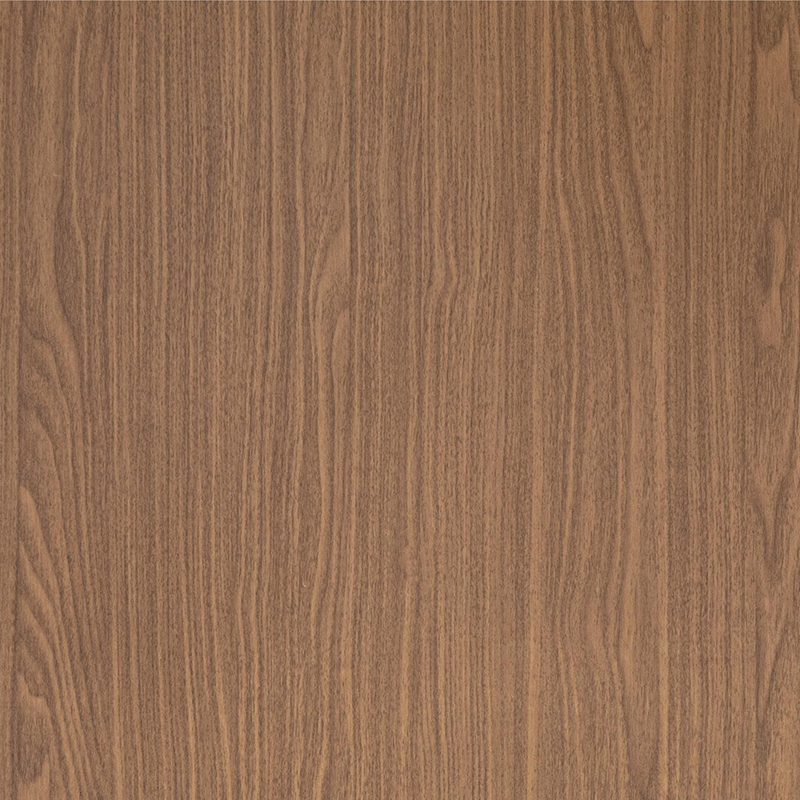
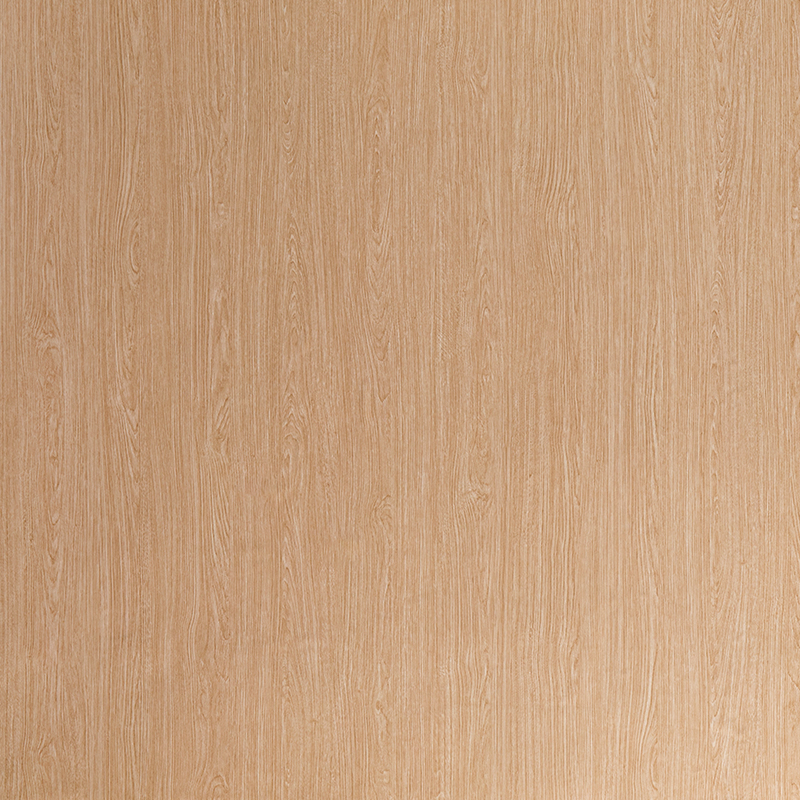
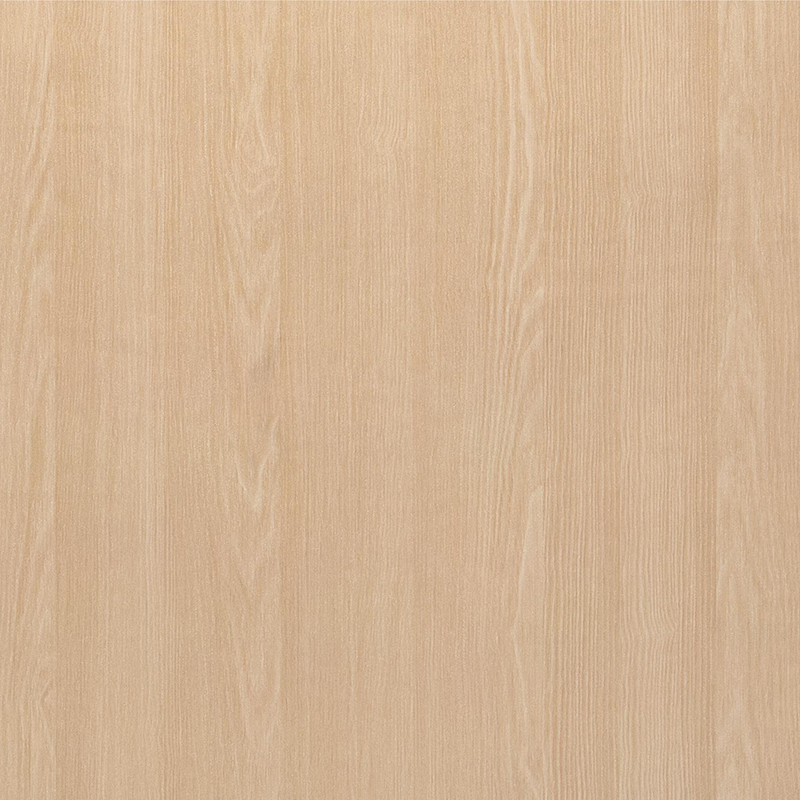
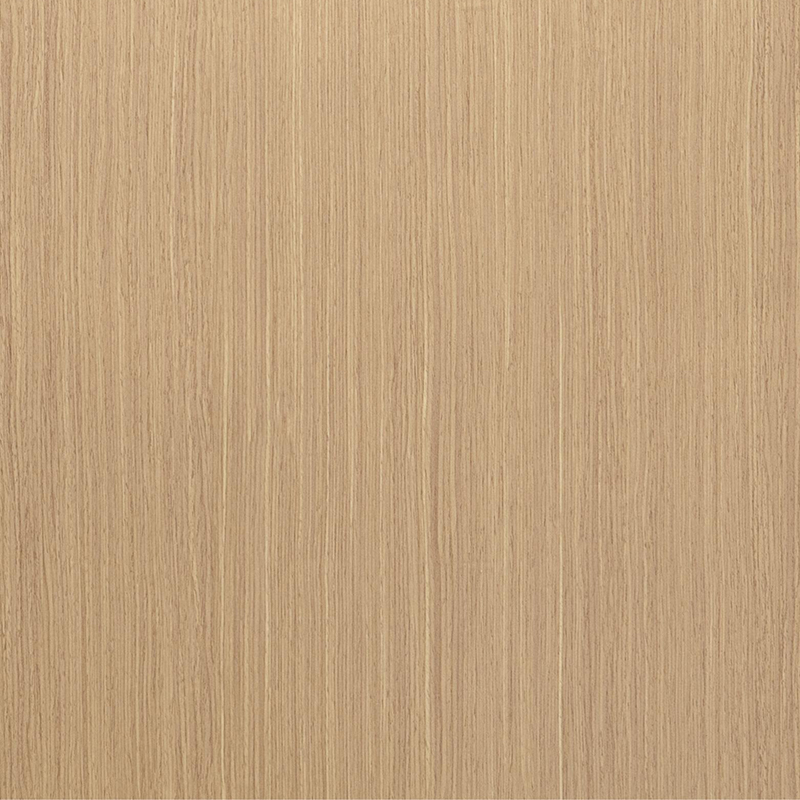
Surface finish changes how printed graphics read visually. Glossy film gives a smooth, reflective look; matte cuts down on glare in certain settings. Transparent film comes into play when the design needs to show through the material itself. Colored film lets the material contribute to the visual effect rather than just sitting underneath the print.
Patterned or textured surfaces can work well for decorative projects too. But whatever finish gets chosen has to actually suit the printing method — a surface that looks great before printing can disappoint fast if ink won't adhere properly or the design loses sharpness once it's applied.
Some projects need a specific background color locked in; others lean entirely on the film's transparency. Color customization helps keep things consistent — across a product line, a batch of promotional materials, a decorative collection, whatever the case may be.
Buyers should be upfront about whether the film's getting printed with solid colors, detailed images, text, or some mix of all three. Worth clarifying, too, whether the film's own base color stays visible in the final product.
Thickness shapes how a film handles, bends, forms, and just generally feels once it's part of a finished item. Flexible film suits wrapping and curved surfaces well; other products need something with more structural firmness.
Thickness and flexibility really need weighing together, not separately. A film that performs fine flat on a display might behave totally differently once it's wrapped around an object or shaped into a component. Describing the final product matters a lot more here than judging raw film by how it feels off the roll.
Width and delivery format affect handling and how efficiently production actually runs. Some buyers work straight off rolls; others need film prepped for specific cutting or processing steps.
The right roll width can cut down on wasted trimming and make the film easier to run through existing equipment. What's actually possible comes down to the manufacturer's setup and how the buyer's own production line is arranged.
The film's surface has to get along with whatever printing process and ink system is in play. Adhesion, drying behavior, how the printed image ultimately looks — all of it hinges on this compatibility.
Not every PVC film suits every printing method, and assuming otherwise tends to cause problems later. Testing a sample first is really the only reliable way to confirm a material actually meets what the process demands.
Where the printed product ends up is honestly one of the useful starting points for picking material. It helps narrow down which features actually matter and which ones can probably be skipped.
| Application | Common Customization Considerations | Main Selection Focus |
|---|---|---|
| Advertising displays | Surface finish, color, transparency, film format | Graphic visibility and presentation |
| Product labels | Print compatibility, surface appearance, flexibility | Readability and handling |
| Decorative panels | Color, pattern, texture, surface finish | Visual consistency and design |
| Packaging components | Transparency, flexibility, printed appearance | Product presentation and processing |
| Promotional products | Color, shape compatibility, print requirements | Design flexibility |
| Industrial identification | Surface compatibility, durability needs, legibility | Clear information and intended use |
Advertising work often lives or dies on how graphics hold up under different lighting. A business doing display graphics might want glossy for that reflective punch, or matte where glare would just get in the way of viewing.
Location matters here too. An indoor promotional panel has different needs than something installed where it's handled regularly or exposed to the elements.
Buyers should spell out where the material's going, how people will actually view the graphics, and whether the piece needs swapping out or replacing down the line.
Printed PVC film creates visual effects on decorative surfaces constantly, and color, pattern, texture usually sit at the center of these projects. The film often needs to complement other materials nearby or stay visually consistent across a whole product range.
What happens next in processing matters just as much. If the film's getting laminated, shaped, or bonded to another surface, it really needs evaluating under conditions that actually resemble that eventual production step — not just judged on how it looks sitting flat.
Labels and packaging blend visual design with real practical demands. Text has to stay readable, graphics need to suit how the product gets presented. Transparency helps when contents need to stay visible; colored film might support a specific package look instead.
Packaging work often involves folding, wrapping, cutting, bonding — so checking the film's compatibility with these operations before committing to regular production really saves a lot of trouble later.
Some projects just don't fit the usual categories cleanly. A manufacturer might need printed film for a shaped component, a product cover, some custom display piece that doesn't map onto anything standard.
In cases like these, sharing drawings, sample products, or detailed descriptions of the finished item goes a long way toward helping a supplier actually understand what's needed. The conversation should cover both the look they're after and exactly how the material gets processed.
PVC film spans a lot of printing applications, but compatibility always comes down to the film's surface, the ink system, and the equipment involved. Customization really should start from the printing method itself rather than treating film as some interchangeable commodity across every process.
Digital printing often makes sense for graphics that change frequently or need different designs across a product range. Screen printing fits certain designs and workflows better. Other methods come into play depending on the product and what the manufacturer can actually do.
Each process carries its own material demands. A film that takes one ink system well might behave completely differently with another. Surface treatments, when needed, should match the printing process and get verified through actual testing rather than assumption.
Before locking in a production order, a few things are worth nailing down:
Working through these questions upfront catches compatibility problems before they snowball into a much larger production run gone wrong.
Testing really needs to use the actual film grade and, ideally, the real printing setup. A sample reveals whether the printed image looks right, whether ink adhesion holds up, and whether the material still works for whatever processing comes after.
The test should mirror the final application too. A sample that looks fine flat might tell a very different story once it's bent, cut, laminated, or attached to something else.
Customization pays off most when it accounts for the whole production process — not just how things look right after the initial print run.
A clear project brief gives suppliers something real to work with, letting them recommend material options that actually fit instead of just offering generic descriptions. Without enough detail, the conversation tends to stay vague and miss what the finished item genuinely needs.
Buyers don't need some elaborate technical spec right out of the gate. A practical, grounded description of the project is plenty to get started.
Explain what this printed film is actually becoming — display graphic, label, decorative layer, packaging component, whatever it is. Mention shape, how it'll be installed, and what kind of handling it should expect.
If the film's getting applied to another material, name that surface too. The relationship between film and substrate shapes adhesion and how the final piece ends up looking.
Walk through preferred color, transparency, finish, printed design. Reference images or physical samples communicate this a lot more clearly than trying to describe it in words alone.
If color consistency matters across multiple products, explain how the film fits into that broader lineup. The supplier can then plan how samples and production batches get evaluated against each other.
State the printing method, plus any steps after that — cutting, laminating, shaping, bonding. This lets the supplier judge whether a proposed film actually survives the whole workflow, not just the printing stage.
Still deciding on a printing process? Mention that too. A supplier can usually talk through film options, but compatibility still needs confirming against whatever equipment and ink system ends up getting used.
Roll format, packaging, delivery timing, expected order pattern — all of this shapes production planning on the supplier's end. Buyers developing something new might also want samples first before committing to a bigger order.
Separating essential requirements from preferences helps a lot here. A required surface finish might be non-negotiable for the product, while packaging format might have real flexibility. Drawing that line early makes the whole conversation run smoother.
Customized film really deserves evaluation before it becomes part of regular production — especially when a project stacks several requirements together, like a specific appearance plus a particular printing method plus additional processing down the line.
A sample gives buyers a chance to actually test the material in a real setting — print the intended design, look closely at the result, see how it behaves through later production steps.
Worth checking:
Acceptance criteria should track the product's real needs. Decorative items lean hard on appearance; identification labels need information that's clear and durable; packaging components need to hold their shape through handling.
Clear communication matters a lot when a sample misses the mark. Buyers should pin down exactly what's wrong — material, printing process, or something in later processing — rather than guessing. And tweaking one feature can easily shift another, so adjustments deserve retesting rather than just assuming they'll fix things.
Once a sample gets approved, it becomes the reference point going forward. Buyer and supplier should agree on how that approved appearance and the relevant material traits get checked across repeat orders.
Customized PVC film works across project sizes, though the practical approach shifts depending on scale. A small project might just need a limited run with a specific color or finish. A larger production run cares a lot more about repeatability, material availability, and staying consistent delivery after delivery.
For smaller projects, it's worth asking which existing film options already cover the need without requiring heavy changes. Picking something already available with a suitable surface and format often simplifies things considerably. Sample availability and mini order quantities are worth bringing up early too.
Larger orders usually call for a more detailed look at production planning. Buyer and supplier need to lock down the approved material, printing compatibility, roll format, packaging, inspection process — consistency really starts mattering a lot more once the film's running across multiple batches or product lines.
Product development often unfolds in stages anyway — starting with a sample, moving to a trial order, then settling into regular production once the material's proven itself. That staged approach gives both sides room to catch issues before they affect a much bigger quantity.
Projects that start small sometimes grow. When that happens, it's worth checking whether the chosen material and customization choices actually hold up as demand increases. Whether the supplier can keep reproducing the approved product reliably is a conversation worth having before it becomes part of a long-term plan.
The decision really should weigh total project requirements, not just order size. A simple tweak might work fine for a small batch, while a complicated mix of features could need extra development and testing regardless of how much is actually being ordered.
Customization opens up more options, sure, but it also means more decisions that need careful coordination. Change one feature and it can ripple into printing, processing, cost, or how the finished product actually looks.
One common trap is describing the desired result too loosely. Words like "clear," "flexible," or "glossy" mean different things to different people. Reference samples, drawings, and specific descriptions cut down on that kind of misunderstanding fast.
Another trap is assuming every requirement can be bundled together without any trade-offs. A particular surface finish can affect how print looks. Changing flexibility can shift handling. A material that worked for one printing process might need retesting entirely if the production method changes.
So the project brief really benefits from separating what's essential from what's just preferred. That helps suppliers zero in on the characteristics that actually matter and spot alternatives when a requested combination just isn't practical.
Businesses should also think hard about where the finished product actually lives. Indoor displays, labels handled constantly, packaging components — each faces different pressures. If heat, sunlight, moisture, or repeated bending come into play, those conditions deserve discussion and testing where it matters.
Environmental and end-of-life questions can shape material choices too. Buyers can ask for available material documentation, handling guidance, and whatever options fit their intended market. Any environmental claims deserve actual supporting documentation — not just an assumption based on how the material happens to be named.
Clear communication, honest sample evaluation, and realistic acceptance criteria go a long way toward managing all of this. The goal was never to customize every single available feature. It's finding the combination that actually supports the project's design, its printing process, and what it's genuinely meant to do.
Contact us








+86-15726853660 / +86-18301913645
No. 99, Jinxiang Road, Hubin New District, Suyu, Suqian City, Jiangsu Province, China

Decorative Film Materials

 English
 Français
 Español
 عربى
 русский