+86-15726853660 / +86-18301913645
+86-15726853660 / +86-18301913645
Surface design has become an important part of many manufactured products. People notice the appearance of furniture, interior panels, cabinets, doors, and other products before they understand how those products are made. A suitable surface can change the visual character of an item and help it fit into a particular environment.
This has created more interest in materials that can support different surface applications. Flexible PVC Film is one material being considered for this purpose. It can be used as a covering layer on suitable surfaces and can provide another way to approach appearance, protection, and product design.
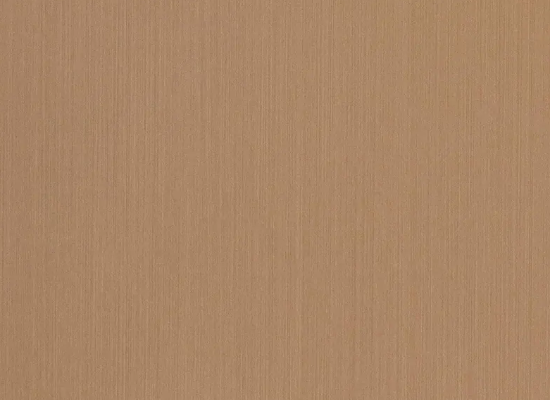
The value of PVC Film is not limited to decoration. Its flexible nature can make it suitable for surface designs where a flat sheet is not the only consideration. Depending on the product and the surface, the film can become part of a broader finishing process.
As manufacturers and buyers look at different ways to develop products, surface materials are being considered earlier in the design process. This gives Flexible PVC Film more opportunities across furniture, interior products, and other applications.
Surface materials often need to meet several needs at the same time. A product may require a particular visual effect while also needing a covering that works with its intended use. Buyers may also look at processing convenience, design choices, surface condition, and the overall product concept.
PVC Film offers another option for manufacturers working with these requirements. The film can be produced in different appearances and can be selected according to the surface and application. This gives product designers more room to consider how an item should look and feel.
The material is also associated with a wide range of surface applications. It can be considered for furniture panels, cabinets, interior products, doors, decorative surfaces, and other suitable products. Each application has its own requirements, so the film should not be treated as a universal solution.
Its flexibility is another part of the discussion. Some products include edges, curves, or shaped areas that may require a surface covering to follow the form of the product. A flexible film can provide an option for these designs when the surface and application are suitable.
The growing interest in surface appearance also supports this trend. Manufacturers are not only thinking about the basic function of a product. They are also considering how the finished product will appear in a room, retail environment, office, or other setting.
Film can be considered for many products where surface appearance is part of the product design. Furniture is one noticeable application area.
Cabinet doors and furniture panels may use decorative surface coverings to create a particular visual style. A film can help manufacturers offer different appearances without changing the basic structure of the underlying product.
Interior products are another area where Flexible PVC Film may be useful. Wall-related products, decorative panels, doors, and other interior elements can have large visible surfaces. The choice of surface material can influence how these products fit into a space.
The material can also be considered for products that need a more coordinated appearance. For example, furniture components and interior panels may need to share similar visual characteristics. Using a suitable surface film can provide another approach to creating this connection.
Common application areas can include:
| Application Area | Possible Role of Flexible PVC Film |
|---|---|
| Furniture | Surface decoration and visual finishing |
| Cabinets | Covering for suitable cabinet surfaces |
| Interior panels | Decorative surface treatment |
| Doors | Surface appearance and covering |
| Decorative products | Support for different design concepts |
| Suitable shaped products | Surface covering where flexibility is useful |
The actual suitability depends on the product structure and the condition of the surface. Manufacturers need to consider the intended use rather than selecting a film only because it has a particular appearance.
This is especially important for products that will be handled regularly. A surface material needs to fit the way the product is expected to be used.
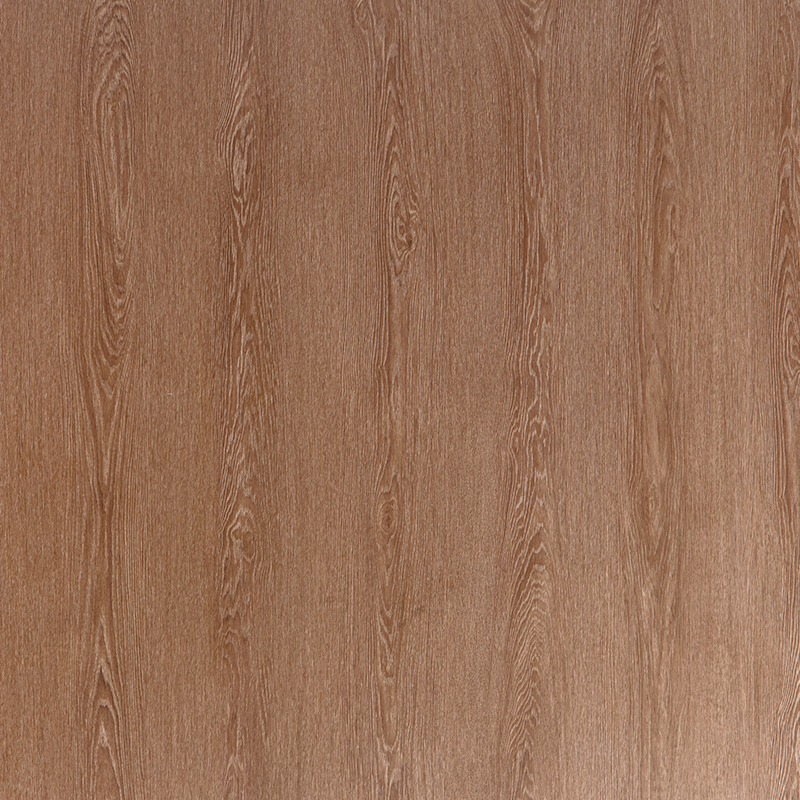
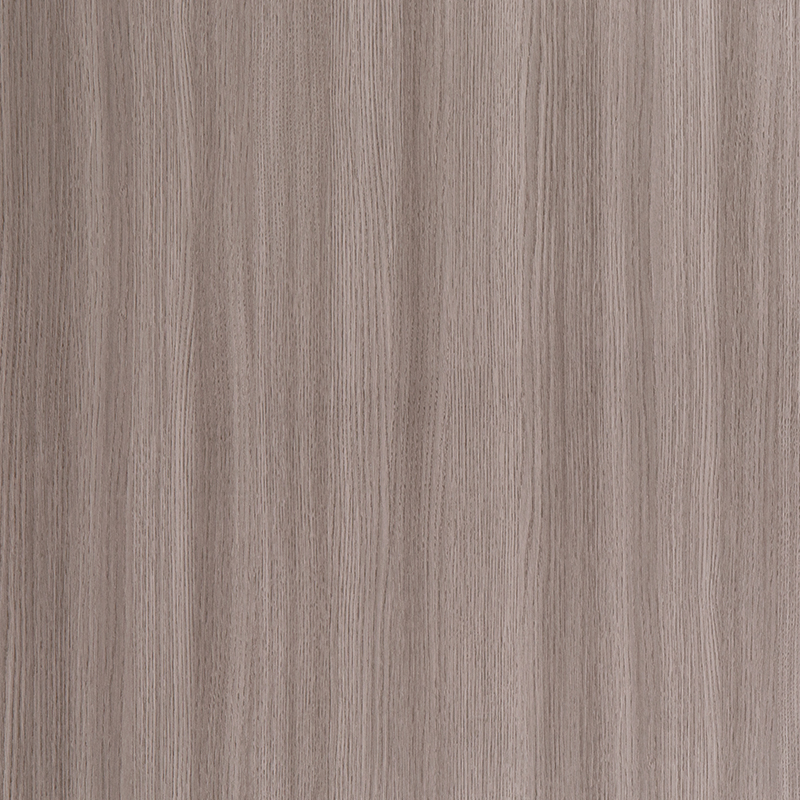
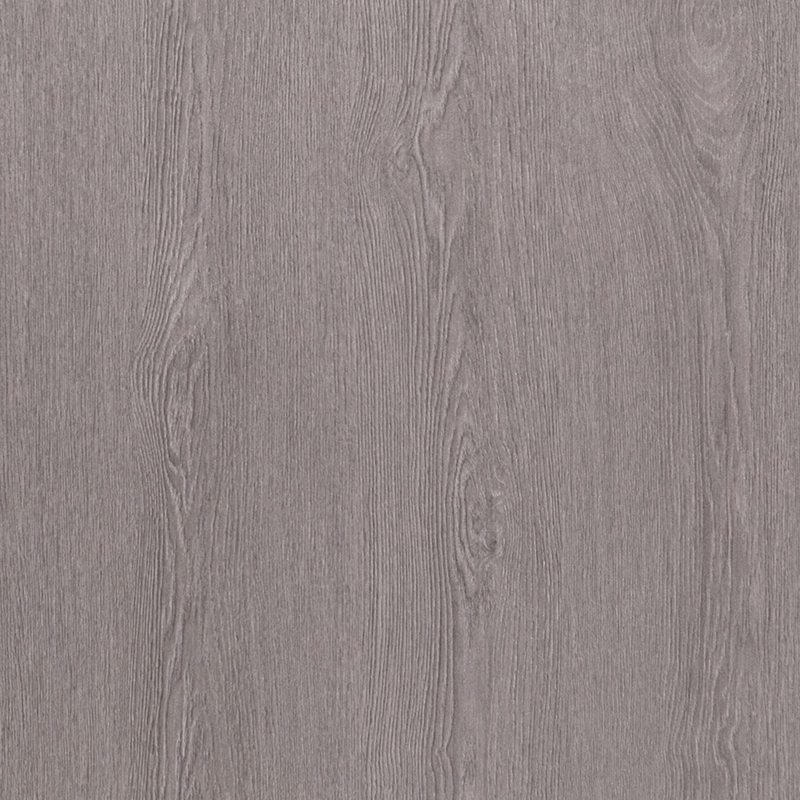
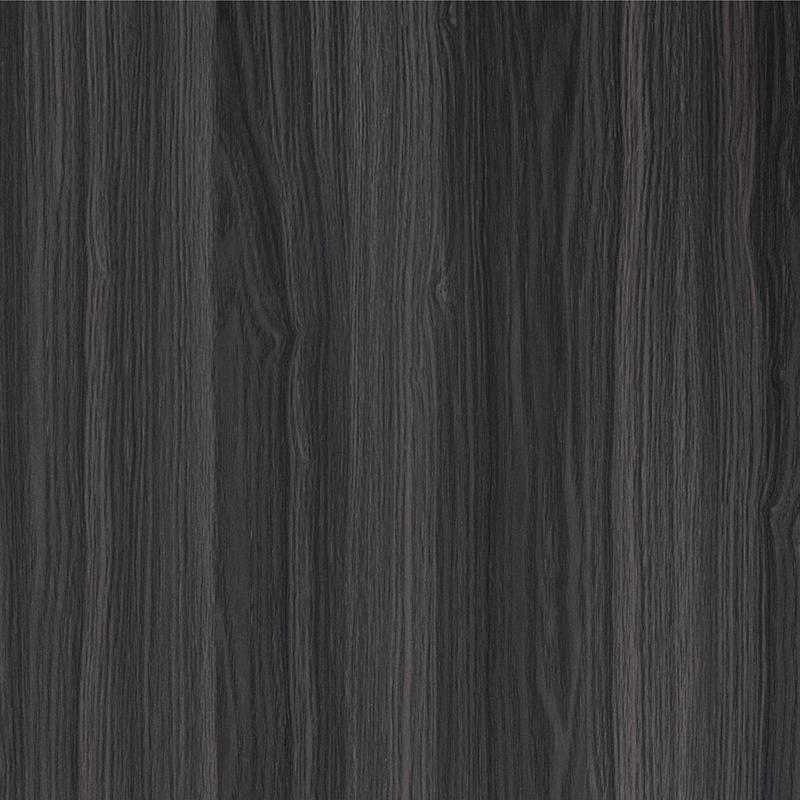
Product design has become more varied. Some manufacturers prefer simple surfaces, while others want wood-like appearances, colors, patterns, or other decorative effects. PVC Film can give manufacturers another way to explore these visual directions.
The surface of a product can strongly influence its overall character. A plain panel can look different when a decorative covering is introduced. A furniture product can also be designed around the appearance of the finished surface rather than treating the surface as an afterthought.
This creates opportunities for more flexible product development.
A manufacturer may work with several product styles while using surface films to create visual differences. This can be useful when a product range needs to address different interior preferences.
Film can also support the idea of combining appearance with practicality. The surface is visible, but it is also part of how people interact with the product. Cabinet doors are touched and opened. Furniture panels are handled during everyday use. Interior surfaces remain visible throughout their service life.
For this reason, the surface should be considered together with the product itself.
Designers may also pay attention to how the film works around product edges and shapes. A surface design that looks attractive on a flat panel may need a different approach when the product has corners, curves, or other forms.
Flexible materials can provide more design possibilities in these situations when the application is appropriate.
Not every surface is completely flat. Modern products can include curved edges, shaped panels, recessed areas, and other design details. These features can make surface finishing more complicated.
Flexible PVC Film can be considered when a surface covering needs to work with a product that has more than a simple flat face. Its flexible nature allows it to be explored for applications where the covering needs to follow the form of the surface.
This does not mean every shaped surface is automatically suitable. The condition of the substrate, the product design, the intended use, and the covering process all matter.
A manufacturer may need to ask several basic questions:
These questions help prevent surface material selection from becoming an isolated decision. The film and the product need to be considered together.
A surface film does not work independently from the surface underneath it. The condition of the substrate can affect the appearance and application of the finished product.
A clean and suitable surface gives manufacturers a better starting point. Dust, uneven areas, unsuitable coatings, or surface damage may affect the final result. For this reason, surface preparation should be part of the production discussion.
The exact preparation method depends on the type of product and the material being covered. Manufacturers may need to review the surface condition before deciding whether Flexible PVC Film is suitable.
This is particularly relevant when the product is being redesigned. A film may look appropriate during the design stage, but the underlying material may require additional preparation before the covering process.
Buyers can also ask suppliers about the types of surfaces the film is intended to cover. This can help clarify whether a particular product is suitable for a planned application.
Good communication at this stage can reduce unnecessary changes later in production.
Surface preparation also affects appearance. Decorative films are visible parts of a finished product. Any problem beneath the film may influence how the surface looks after application.
A practical surface assessment can therefore help manufacturers connect the material choice with the final product.
Choosing PVC Film should begin with the product rather than the film itself. A manufacturer needs to understand what the finished product should look like, how it will be used, and what kind of surface it has.
Appearance is an obvious consideration. The selected film should fit the product concept. Some applications may call for a calm and simple surface, while others may require a stronger decorative pattern.
The intended environment also matters. A film used for furniture may have different requirements from one used for a decorative interior product. Products used in different settings can experience different levels of handling and exposure.
Manufacturers may consider the following areas when evaluating a film:
This approach can make the selection process more practical. Instead of asking whether Flexible PVC Film is simply “good” or “bad,” buyers can ask whether a particular film fits a particular application.
That distinction is important because surface materials are not selected in isolation. The right choice depends on the relationship between the film, substrate, product design, and intended use.
Furniture and interior products are strongly connected with visual design. A cabinet, door, wall panel, or furniture surface can influence the atmosphere of a room. Manufacturers therefore have reasons to explore different surface materials.
Film gives these manufacturers another design option. It can be used to create different surface appearances while working with suitable underlying materials.
This can be useful when product ranges need visual variety. A manufacturer may want to offer several appearances without completely changing the structure of the product.
The material can also support coordination between different products. For example, a furniture maker may want cabinets, panels, and other visible components to share a similar visual direction.
Surface films can become part of that design strategy.
There is also a practical side to the growing interest in interior surface materials. Buyers may look for products that combine visual appeal with suitable everyday use. Manufacturers need to balance these expectations with production requirements.
Flexible PVC Film can therefore be part of a wider conversation about product design rather than simply a decorative layer.
Its role depends on the application, but its flexibility gives manufacturers another material choice when developing furniture and interior products.
Choosing a supplier involves more than comparing surface appearances. Buyers need enough information to understand whether the film is suitable for their intended application.
A useful conversation can begin with the product itself. Buyers can explain what they are manufacturing, what surface they plan to cover, and what kind of appearance they want. This gives the supplier a clearer basis for discussing suitable options.
Questions may include:
Samples can be particularly useful when appearance matters. A buyer can examine the actual material and consider how it fits the product concept.
Communication also matters when the application is more complicated. A supplier that understands the intended product can help buyers identify questions that may not be obvious at the beginning of the purchasing process.
For manufacturers, this type of discussion can make Flexible PVC Film selection more closely connected to actual production needs. The result is not simply a choice of surface appearance. It becomes a decision about how the material fits into the product, its design, its surface, and its intended use.
Contact us

+86-15726853660 / +86-18301913645
No. 99, Jinxiang Road, Hubin New District, Suyu, Suqian City, Jiangsu Province, China

Decorative Film Materials

 English
 Français
 Español
 عربى
عربى
 русский