+86-15726853660 / +86-18301913645
+86-15726853660 / +86-18301913645
Surface finishing has become a quiet but steady part of many industries. It appears in interior spaces, furniture production, commercial decoration, and light industrial protection. The focus is not only on appearance anymore. Ease of application, adaptability, and maintenance have also become important.
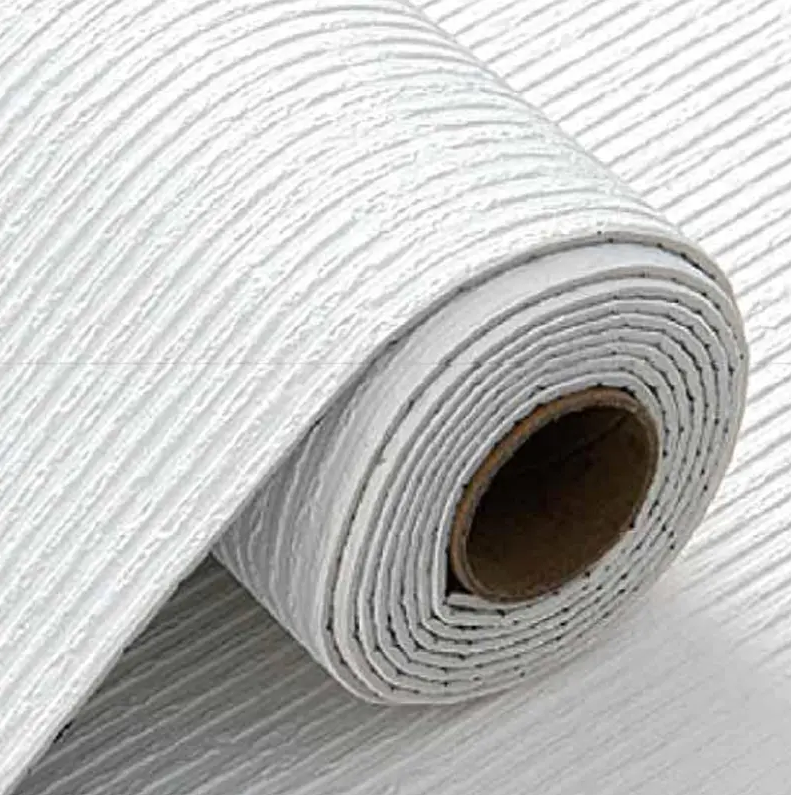
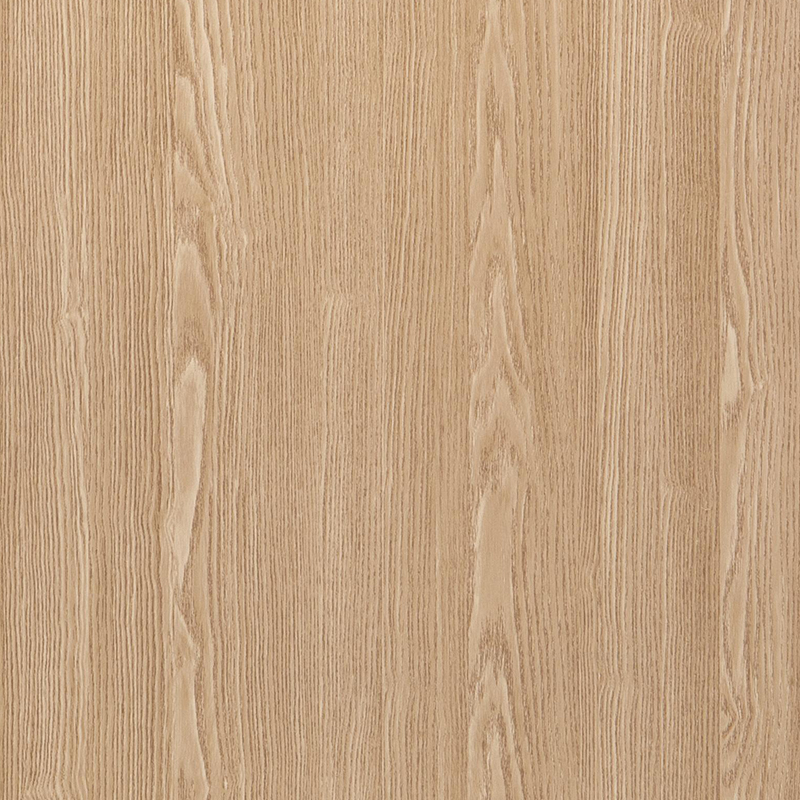
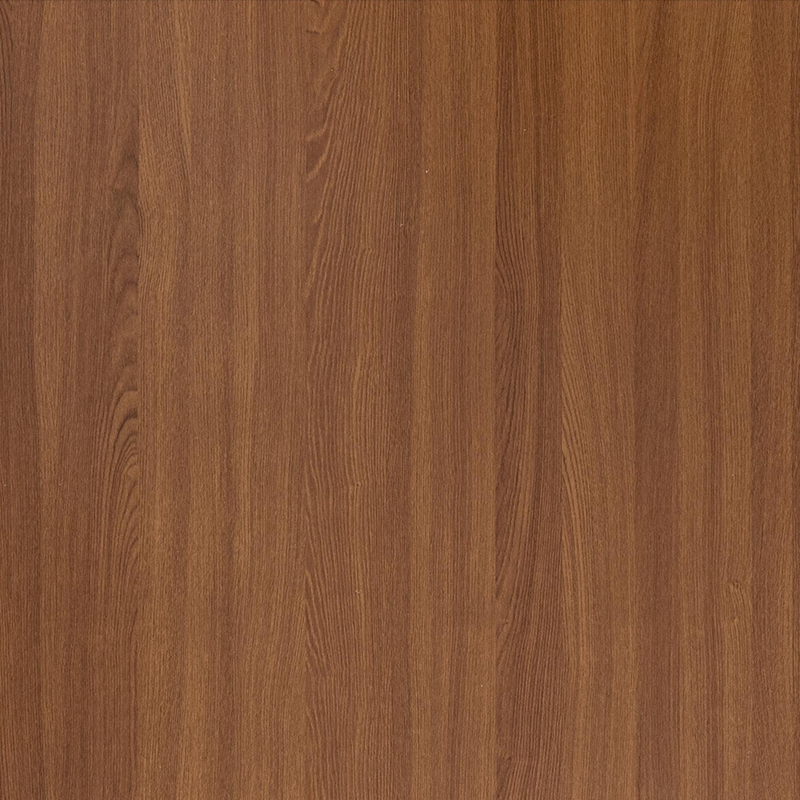
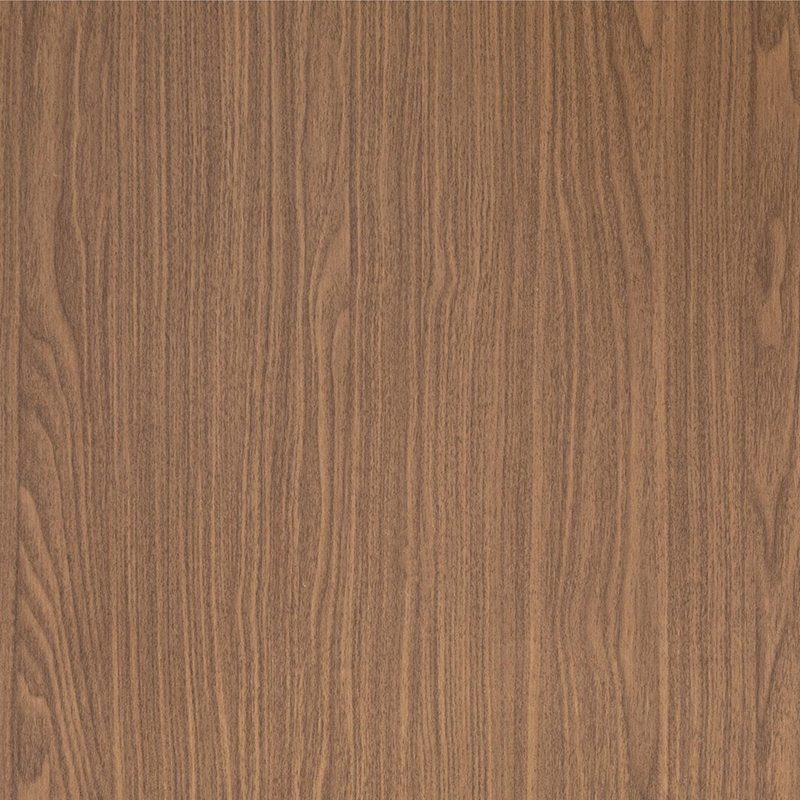
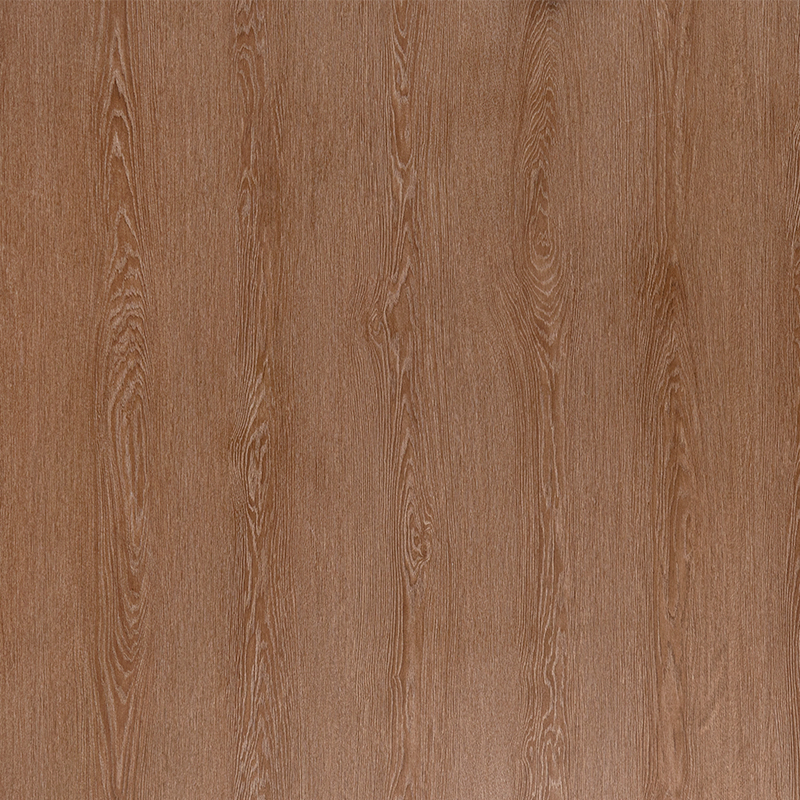
PVC self adhesive film roll is often used in this space. It is seen as a flexible surface covering material that can change the look of a base surface without structural modification. The key question is not simply whether it can stick. The real discussion is how it behaves across different surface conditions and why results can vary from one project to another.
Every surface carries its own "behavior." Some are smooth and controlled. Some are slightly uneven. Some are stable for long periods, while others change with temperature or usage.
When a film material is applied, it does not work alone. It reacts to what is underneath it.
Surface factors that influence performance include:
Even small differences in these conditions can affect how the film settles after application. That is why compatibility is not a single answer. It depends on the surface situation.
Smooth surfaces are usually the easiest starting point. They provide a stable base with fewer interruptions in contact.
These surfaces are often found on furniture panels, metal sheets, and processed boards. The film can lay evenly and form a continuous contact layer.
In practical use, smooth surfaces allow:
However, even smooth surfaces require preparation. Dust or oil residue can change the way the adhesive layer connects to the base. The surface may look fine but still cause weak bonding in certain areas.
Smoothness helps, but cleanliness completes the condition.
Curved surfaces introduce movement into the application process. Instead of a flat contact area, the film must follow a changing direction.
PVC self adhesive film roll has a certain level of flexibility. This allows it to adjust to gentle curves without breaking contact.
On curved surfaces, behavior usually includes:
Simple curves are usually manageable. Problems appear when curves become sharp or uneven. In those cases, the film must work harder to maintain consistent contact, and installation technique becomes more noticeable in the final result.
Curved surfaces are less about material strength and more about control during application.
Textured surfaces behave differently because they are not fully flat at the microscopic level. Small peaks and dips exist across the surface.
When film is applied, it tries to follow the outer shape of the surface. It cannot fully enter deep texture areas, which creates partial contact zones.
Typical outcomes on textured surfaces include:
| Surface Type | Film Behavior |
|---|---|
| Light texture | Mostly stable coverage with minor adaptation |
| Medium texture | Visible adjustment across uneven areas |
| Strong texture | Reduced full-surface contact in deeper points |
This does not mean application is impossible. It means results depend more on expectations. The film can cover the surface visually, but the level of contact consistency varies.
Surface preparation often plays a bigger role in these cases than the film itself.
Yes, surface material type influences how the adhesive layer interacts.
Different materials respond in different ways:
The same film can behave differently across these materials. This is why application experience can vary even when the product is the same.
The interaction is not only physical. It is also about surface behavior over time.
Surface preparation is often the quiet step that determines long-term performance.
Even if the film material is suitable, poor surface condition can reduce stability. Small particles or moisture can affect how the adhesive layer spreads and bonds.
Common preparation steps include:
These steps do not change the material itself. They change the environment the material is placed on.
In many cases, preparation has more influence on final outcome than installation speed.
Temperature affects both the film and the surface. Materials respond to environmental conditions even if changes are not visible immediately.
When temperature shifts, several things may happen:
Stable temperature conditions usually create more predictable results. Sudden changes can make installation feel less consistent, especially on larger surfaces.
Temperature does not stop application, but it influences how smooth the process feels.
Furniture is one of the common application areas for PVC self adhesive film roll. This includes cabinets, tables, shelves, and decorative panels.
Furniture surfaces often combine multiple conditions in one structure. Flat areas meet edges. Smooth areas meet joints.
On furniture, the film is typically used for:
Edges and corners require more attention. These areas tend to experience tension changes during application, which can affect long-term appearance if not handled carefully.
Furniture application is less about material limitation and more about surface complexity.
Wall surfaces vary widely. Some are newly finished and smooth. Others carry texture or older coatings.
On walls, application behavior depends heavily on surface condition. Smooth walls allow steady contact, while textured walls introduce variation.
Key points in wall application include:
Walls are usually installed in stages rather than one continuous sheet. This helps control alignment and reduces uneven tension.
The larger the surface, the more important controlled application becomes.
Metal and plastic surfaces appear often in commercial and industrial environments. These include panels, enclosures, signage, and equipment surfaces.
Metal surfaces usually provide stable contact when clean. Plastic surfaces depend more on surface treatment and finish quality.
In these applications:
These surfaces are often chosen because they provide predictable shapes, even if their surface chemistry differs.
Even when surfaces are suitable, installation method plays a strong role in final results.
Technique affects:
Slow and controlled application usually improves consistency. Fast or uneven application may create visible irregularities later.
Different surfaces require different handling speeds and pressure levels. This is where experience becomes important.
After application, the film continues to interact with its environment. Daily use, cleaning, and exposure all contribute to how it behaves over time.
Possible long-term changes include:
These changes are gradual rather than sudden. They depend on both the surface type and how the material is used.
Long-term behavior is shaped by environment more than installation moment.
Different surfaces create different expectations. A single material must adapt across many conditions without losing consistency.
PVC self adhesive film roll is used widely because it can respond to this variety. It does not rely on one fixed surface type. Instead, it adjusts to different environments through flexibility and controlled application.
Its performance is not defined by one scenario. It is defined by how it behaves across many surface conditions in real use.
Contact us

+86-15726853660 / +86-18301913645
No. 99, Jinxiang Road, Hubin New District, Suyu, Suqian City, Jiangsu Province, China

Decorative Film Materials

 English
 Français
 Español
 عربى
عربى
 русский