+86-15726853660 / +86-18301913645
+86-15726853660 / +86-18301913645
Window film is often tied to privacy, sunlight control and glass protection. Yet its role in modern spaces is moving closer to interior design. In China, residential interiors, commercial spaces, retail environments and renovation projects all have varied design needs. Decorative window film gives them another way to shape how glass looks.
Unlike conventional window coverings, decorative films change the look of a glass surface without hiding it behind bulky materials. Depending on the design, they add color, patterns, frosted effects or visual divisions between spaces. That makes them relevant to homes, offices, shops, hotels and other interiors where appearance and practical use have to work together.
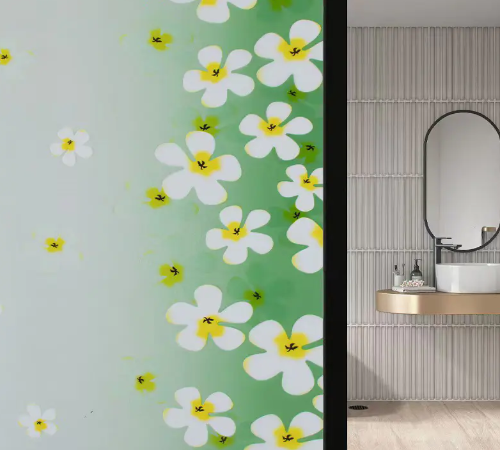
The China window film market includes products built for different purposes. Some focus on solar control or privacy. Others serve more decorative functions. These categories overlap at times, but they answer different needs. As interior design choices grow more varied, decorative films deserve attention as a distinct part of the wider window film industry.
Glass is now a common feature in modern buildings. Large windows bring daylight into rooms, glass partitions separate work areas and transparent doors support open interior layouts. These features make spaces feel bright and connected. They also raise challenges around privacy, visual comfort and decoration.
Traditional curtains and blinds remain useful, but they don't suit every glass surface. An office partition, shopfront or glass meeting room often needs a different approach. Decorative window film changes the appearance of glass while keeping it a visible part of the interior.
That's one reason decorative film has a place in discussions of the China window film market. Buyers don't always want a product that does only one thing. They want to soften a glass partition, create a private area or add a design element that matches the surrounding furniture and wall finishes.
The range of designs opens up different applications too. Frosted finishes give a restrained look. Patterned or colored films make glass a more noticeable part of an interior scheme. The choice depends on the building, the purpose of the space and the preferences of the people using it.
Decorative films don't replace every other type of window film. They serve a different set of design requirements within a broader market that includes residential, commercial and automotive applications.
The main difference is the product's intended role. Solar-control films are chosen for their effect on sunlight and indoor conditions. Safety-related films suit specific glass protection needs. Decorative films focus more directly on visual appearance, privacy and the way glass interacts with its surroundings.
Some products combine decorative features with other functions. A frosted film, for example, alters the look of a glass panel while reducing direct visibility through it. The actual level of privacy depends on the design, lighting conditions and viewing angle. Not every decorative film gives the same effect.
The table below outlines several common categories and their general purposes.
| Window Film Type | Main Purpose | Common Application Areas |
|---|---|---|
| Decorative window film | Changes the appearance of glass through patterns, colors, or surface effects | Homes, shops, offices, and interior partitions |
| Frosted window film | Softens visibility through glass while maintaining light transmission according to the product design | Bathrooms, meeting rooms, doors, and office partitions |
| Solar-control window film | Helps manage the effects of sunlight entering through glass | Residential and commercial windows |
| Privacy window film | Limits visibility under the conditions for which the product is designed | Offices, street-facing windows, and selected interior spaces |
| Safety-related window film | Provides specific glass-related protection functions according to its intended use | Suitable building glazing applications |
These categories aren't always separate. A decorative product also provides privacy, and a privacy-oriented film has a patterned look. Buyers should read the stated functions of each product. Don't assume all window films offer the same benefits.
For manufacturers and distributors, clear product descriptions matter. Customers need to know whether a film is meant mainly for decoration, privacy, sunlight management or a mix of purposes.
Residential spaces offer many chances to use decorative window film. Windows, shower enclosures, internal glass doors and room dividers all shape the look and use of a home. The right film helps these surfaces fit the interior design with no major structural changes.
In living rooms, decorative films add visual interest to selected glass panels. A subtle pattern complements furniture and wall finishes, while a frosted design softens the view through a glass partition. This works well in homes that favor open layouts but still need some separation between areas.
Bathrooms have different requirements. Glass surfaces face moisture and frequent cleaning, so product suitability and installation conditions need careful attention. Decorative or frosted film suits appropriate glass surfaces when the product is designed for the environment. It isn't an automatic substitute for purpose-designed privacy glazing or other bathroom materials.
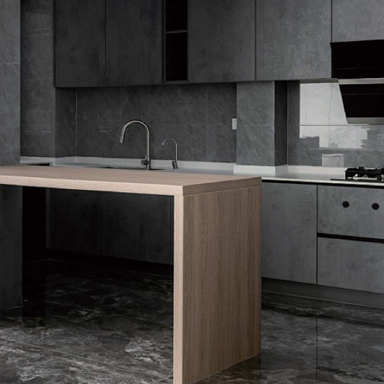
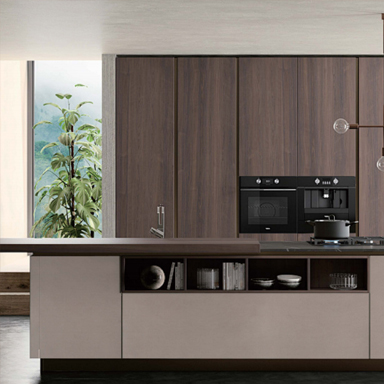
Kitchens and dining areas use decorative film to coordinate glass doors or selected windows with cabinetry and other finishes. The visual effect stays understated or turns more expressive, depending on the home's overall style.
Bedrooms and home offices add another consideration: the balance between daylight and privacy. A decorative film creates a softer visual boundary, but buyers need to think about how it performs by day and by night. A finish that blocks a view under one lighting condition behaves differently under another.
For residential projects, the better choice depends on the specific glass surface, the room's use, the desired appearance and the level of privacy required.
Commercial interiors need a clear visual identity and have to support everyday activities. Offices, retail stores, restaurants, hotels and service spaces often use glass to create an open, modern atmosphere. Decorative window film gives designers another tool for shaping these environments.
In offices, glass partitions let daylight travel between areas, but fully transparent walls don't suit every meeting room or workspace. Frosted bands, geometric patterns and other understated designs make partitions easier to see while creating some visual separation.
Retail environments use glass differently. Shopfronts, display windows and internal glass panels are part of how customers experience a store. Decorative film introduces patterns or visual accents that tie in with the store's interior design. It also marks off display areas from working spaces without adding a solid barrier.
Hotels and restaurants have their own design priorities. Glass doors, dividers and selected windows add to the atmosphere of a dining area, reception space or guest facility. Decorative film coordinates these surfaces with lighting, furniture and wall finishes.
The application still has to match the business's practical needs. Glass near entrances gets frequent contact, and restaurant windows need regular cleaning. Films in public areas must suit the surface and the maintenance conditions.
Commercial projects also demand attention to installation quality. Bubbles, uneven edges or poorly aligned patterns spoil the look of a large glass surface. Planning the layout and preparing the glass properly are key to getting the intended design.
Interior design preferences keep varying across residential and commercial projects. Some spaces favor simple surfaces and neutral colors. Others use strong patterns, textured effects or distinctive decorative details. This range creates different openings for decorative window film.
Minimalist interiors use subtle frosted finishes or restrained geometric patterns. These designs create visual separation without piling on decoration. Retail and hospitality spaces, by contrast, go for more noticeable patterns that support a particular atmosphere or design concept.
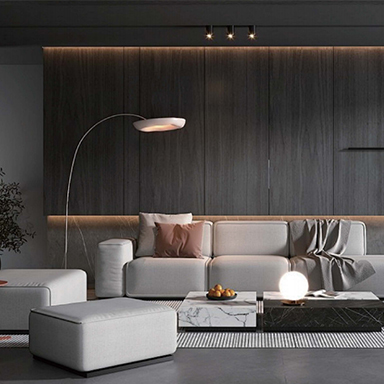
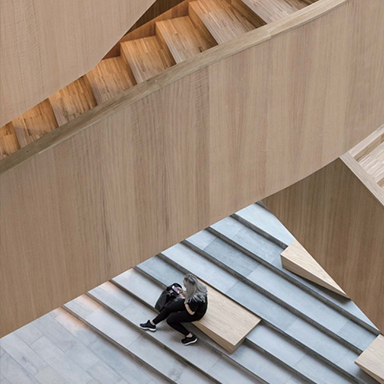
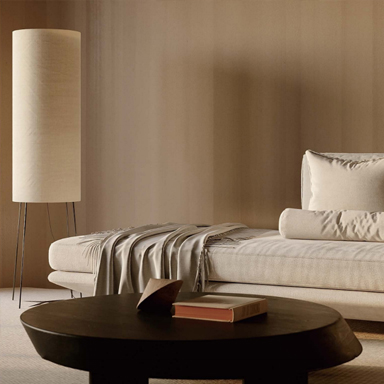
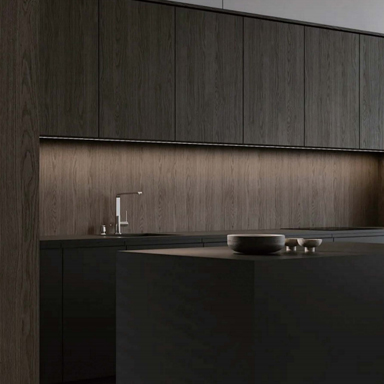
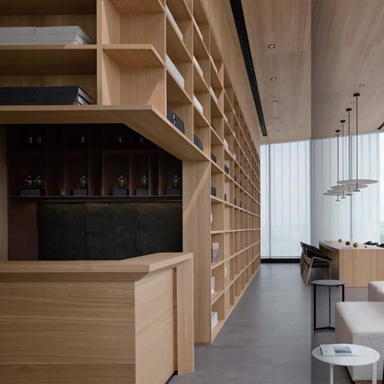
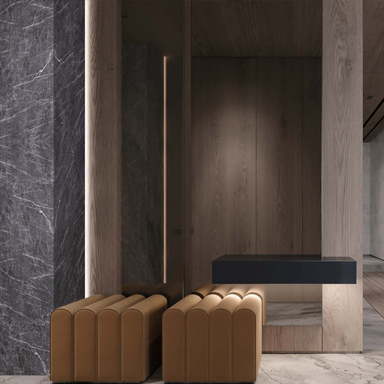
Nature-inspired interiors are another area where visual coordination counts. Furniture with wood-look finishes, neutral walls and soft lighting pair with glass treatments that keep a calm look. Decorative film doesn't have to imitate another material to fit this style. A simple translucent pattern gives contrast and lets the surrounding finishes stay visible.
Customization matters in commercial design too. Different businesses want glass surfaces that reflect their interior themes, mark out functional areas or look consistent across several locations. Decorative films offer design choices that planners weigh during renovation or fit-out.
None of this proves that every decorative film category is growing at the same pace. Demand depends on project budgets, design priorities, product availability, installation requirements and how well the film suits each application.
For businesses in the China window film market, understanding these differences clarifies which product styles matter to particular customer groups.
Choosing decorative window film means more than picking a color or pattern. The film has to suit the glass surface, the intended environment and the result the user expects.
Buyers and project designers compare products on several practical points.
Privacy deserves particular attention. Decorative films vary a lot in transparency. Some create a translucent effect, while others allow clear views through much of the glass. Don't assume a patterned or frosted look gives complete privacy from every angle.
The condition of the glass matters as well. Dust, residue, uneven surfaces and installation errors all affect the finished appearance. Where practical, test a sample on the intended glass to see how the pattern and light transmission look in the actual space.
These checks help individual consumers and commercial project teams alike. They connect product selection to the needs of the finished installation.
Decorative film gives manufacturers, distributors and installers another way to meet the varied requirements of building interiors. Its uses reach beyond conventional window treatment into glass partitions, interior doors, selected display surfaces and renovation projects.
For manufacturers, design variety means balancing appearance with practical product requirements. A pattern looks right in a sample, yet its performance and application method must also fit the intended glass and environment. Consistent product information helps customers understand what a film can and can't do.
Distributors face a related challenge. Customers use broad terms such as window film, privacy film or decorative film without knowing how the categories differ. Clear descriptions, representative samples and application guidance narrow the choices. That helps most when a project needs both visual coordination and a particular level of privacy.
Installers shape the final result too. Glass preparation, pattern alignment, edge treatment and conditions during application all affect the finished surface. A suitable product still looks poor if installation requirements get overlooked.
Product claims need care as well. Decorative appearance, privacy, sunlight control and glass protection are different functions. Any claim about a product should match its documented characteristics and intended application. That lets buyers decide with realistic expectations.
The market also holds customers with different priorities. A homeowner focuses on privacy and visual comfort, while an office designer cares more about partition appearance and consistency across a workspace. Retail projects put greater weight on visual identity. Recognizing these differences helps businesses talk about decorative films in terms that match real project needs.
As decorative choices enter more interior planning discussions, the role of window film in China reaches beyond basic glass treatment. Decorative films offer an added design option for spaces where light, privacy and appearance have to be weighed together.
Contact us

+86-15726853660 / +86-18301913645
No. 99, Jinxiang Road, Hubin New District, Suyu, Suqian City, Jiangsu Province, China

Decorative Film Materials

 English
 Français
 Español
 عربى
 русский