+86-15726853660 / +86-18301913645
+86-15726853660 / +86-18301913645
Furniture design is about more than shape and color now. Surface appearance, daily use and interior style all shape how people choose cabinets, wardrobes, tables and other household items. Furniture manufacturers are exploring new ways to decorate panels and lift the look of finished products, and soft PVC film has become a material worth discussing.
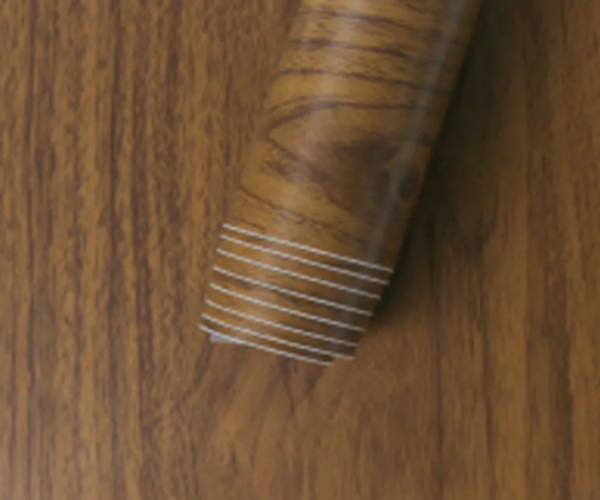
PVC film goes onto selected furniture surfaces to create different colors, patterns and visual textures. Its flexibility also makes it relevant to components with different shapes and design requirements. Not every part of a furniture item suits the same film or application method, though. The surface material, intended use and construction of each component all count.
Knowing where PVC film fits helps furniture makers, designers and buyers decide with more confidence. From cabinet doors to wardrobe panels, several furniture parts suit this type of decorative covering.
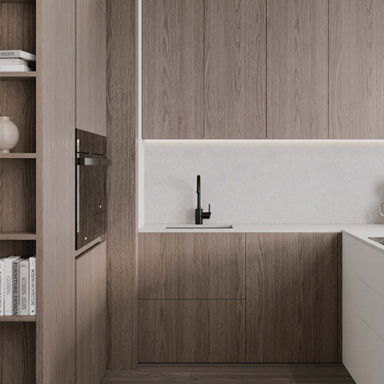
Cabinet doors are among the furniture parts where decorative PVC film finds practical use. They take up a large share of the visible surface in kitchens, living rooms, bathrooms and storage areas. Their look shapes the overall style of an interior.
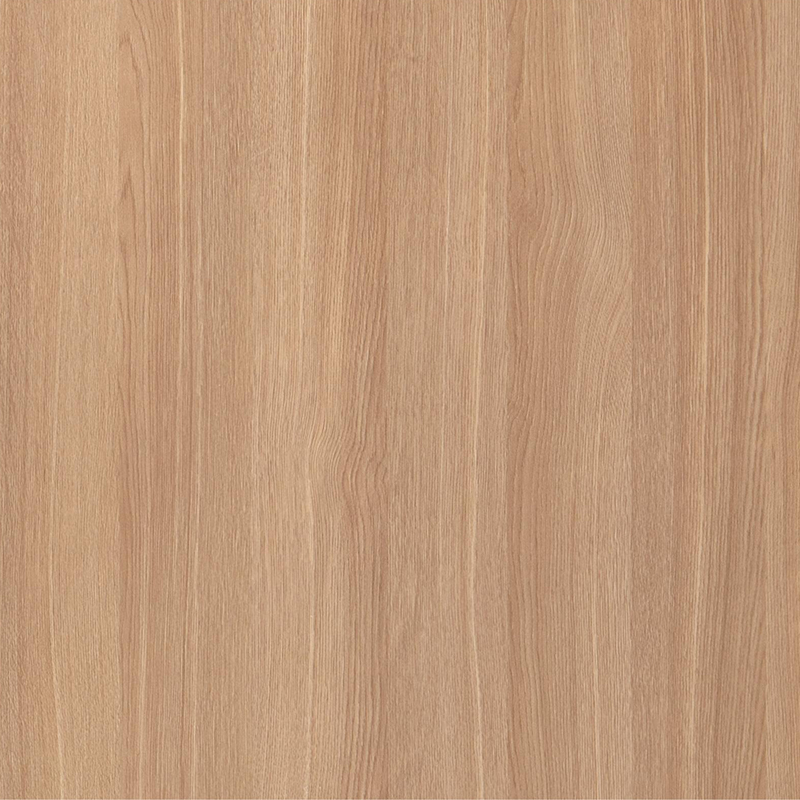
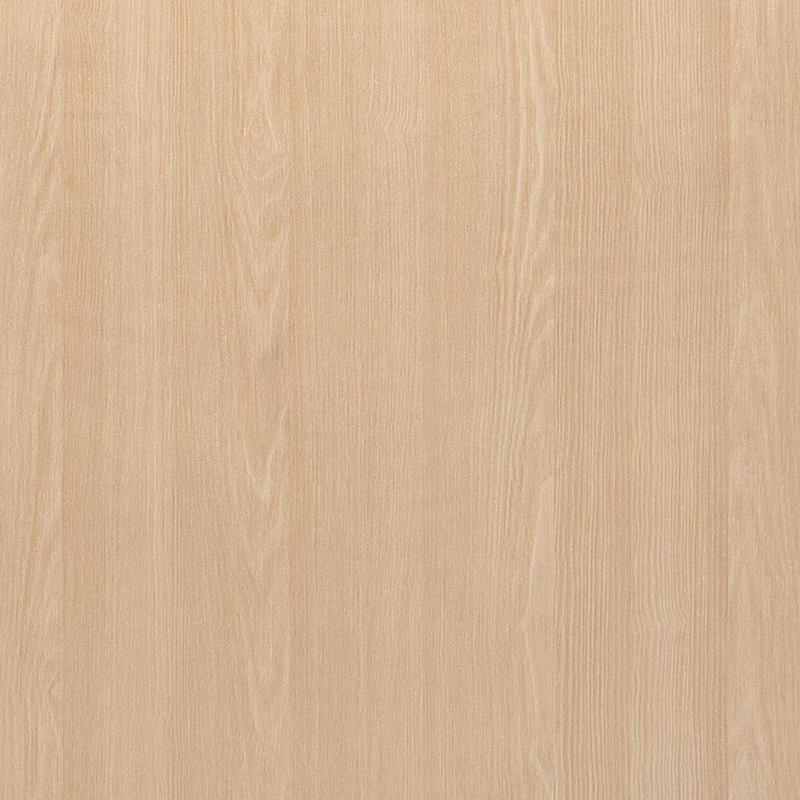
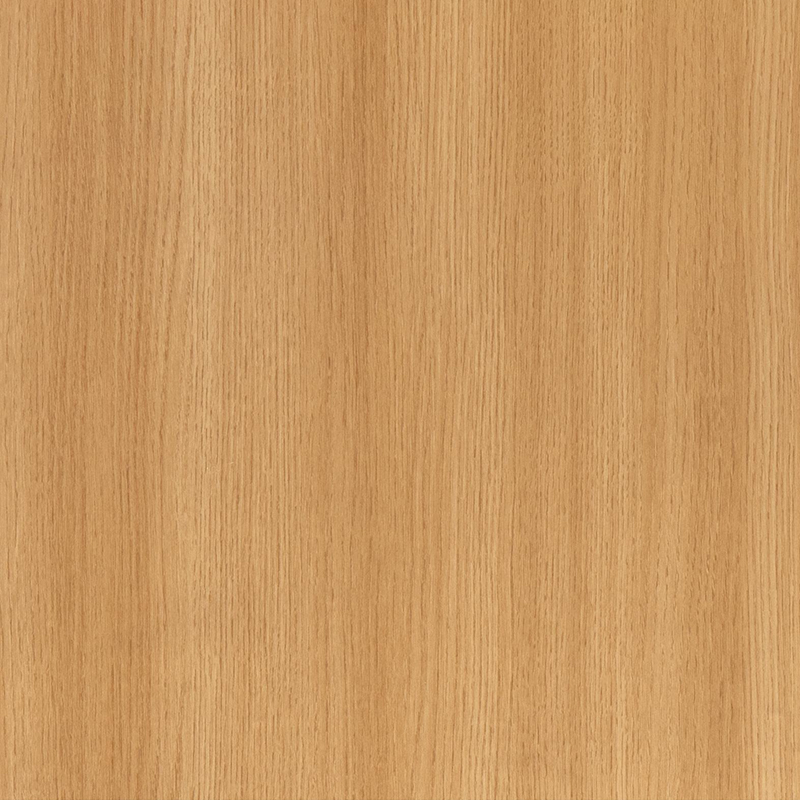
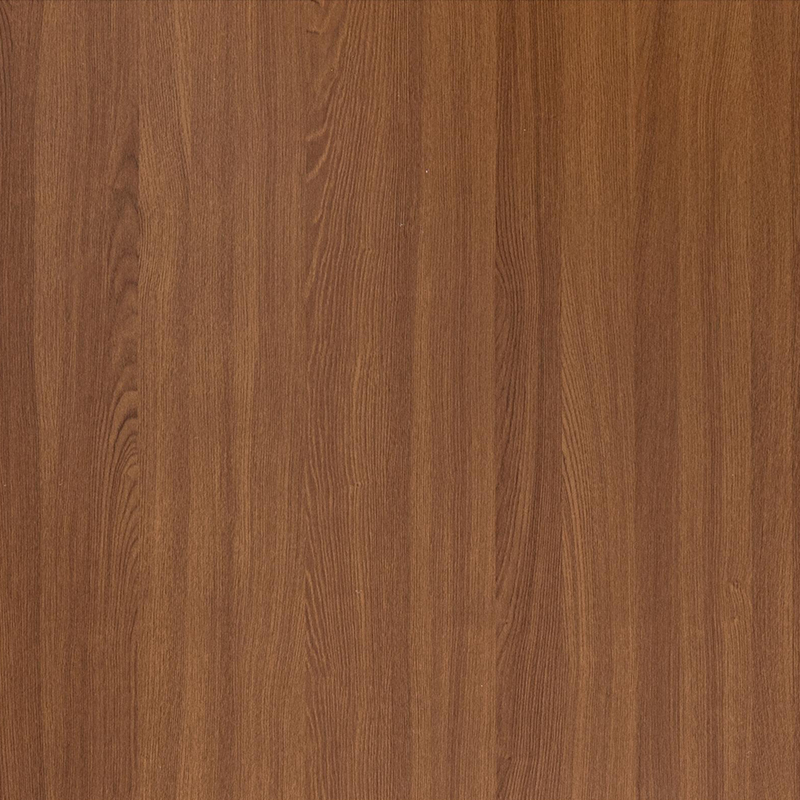
PVC film gives manufacturers a way to introduce different surface designs without leaning entirely on the natural look of the underlying panel. Depending on the film, cabinet doors carry wood-inspired patterns, solid colors or other decorative effects.
That flexibility gives designers room to coordinate cabinets with flooring, wall colors, countertops and other interior elements. A simple cabinet design takes on a different visual character through a change in surface color or texture.
The application also depends on the door material. Some doors have smooth surfaces. Others include shaped edges, recessed sections or decorative profiles. These differences affect how the film goes on and how well it follows the door's shape.
Kitchen cabinets need extra thought because their surfaces meet moisture, grease, cleaning products and frequent handling. Choose the film for the intended environment and the requirements of the finished furniture. Don't assume suitability just because a film covers the panel.
Wardrobes are another category where surface decoration plays a noticeable role. Large doors and side panels take up substantial visual space in a bedroom, dressing room or hallway. Their finishes often decide whether the furniture blends into the room or becomes a design feature.
Consider PVC film for suitable wardrobe panels when you want to explore different decorative looks. Wood patterns give a natural visual effect, while plain colors suit minimalist interiors. Other surface designs help coordinate wardrobes with bedside cabinets, dressing tables and surrounding furniture.
Sliding wardrobe doors and hinged doors have different construction requirements. Look at the panel's shape, its edges and the way the door moves before selecting a covering. A film that works on a flat decorative panel won't suit every shaped or frequently handled component.
Wardrobe interiors deserve attention too. Shelves, dividers and selected exposed panels take decorative coverings when the surface material and expected conditions are appropriate. These areas are less visible than the doors, but their appearance still affects the overall impression of the furniture.
Manufacturers need to look beyond color matching. Clothing storage areas see friction from stored items, regular cleaning and shifts in humidity. The film, adhesive and supporting panel have to work together for the intended use.
Living room furniture includes TV cabinets, sideboards, display units, storage cabinets and occasional tables. These products mix practical storage with decorative functions. Their visible surfaces therefore get plenty of attention during product development.
PVC film suits cabinet fronts, side panels, decorative inserts and other exposed sections. Its range of surface appearances lets manufacturers create different furniture styles while keeping one decorative theme across several components.
A TV cabinet, for example, combines wood-look doors with a plain-colored panel. A sideboard uses a similar finish to tie its design to nearby shelving. These choices build a coordinated interior without forcing every furniture item into the same shape.
The table below outlines common furniture parts where film is an option and the factors that influence its use.
| Furniture Part | Possible Application | Key Consideration |
|---|---|---|
| Cabinet doors | Decorative colors and surface patterns | Cleaning needs and frequent handling |
| Wardrobe panels | Coordinated finishes for doors and exposed sides | Panel shape and visual consistency |
| Drawer fronts | Matching or contrasting decorative surfaces | Repeated contact and edge coverage |
| TV cabinets and sideboards | Decorative front panels and side surfaces | Interior style and everyday maintenance |
| Shelving units | Selected exposed panels and suitable shelves | Contact with stored items and surface wear |
| Desk panels | Decorative sections of office and home furniture | Frequency of use and cleaning requirements |
| Curved furniture components | Covering suitable rounded or shaped surfaces | Film flexibility and application suitability |
These applications are possibilities, not universal recommendations. Check the supporting material, construction, intended environment and film specifications before you pick a particular furniture part.
Furniture edges and shaped components pose different design challenges from broad, flat panels. Their contours influence both appearance and the way a decorative covering has to fit the surface.
PVC film works on certain edges, rounded sections and shaped furniture components when the material is designed for that application. Its flexibility matters where a covering has to follow a contour instead of lying on a flat plane.
That helps in furniture with rounded cabinet fronts, shaped decorative panels or curved design details. Matching the visible surface across different sections keeps the appearance consistent.
Flexibility alone doesn't decide whether a film will work. The degree of curvature, the condition of the supporting material, the adhesive and the application process all shape the result. Tight curves and detailed profiles pose different challenges from gently rounded edges.
Edges also get frequent contact in everyday use. People open doors, move drawers and handle furniture by its corners and sides. A covering in these areas has to suit the expected handling and cleaning conditions.
Furniture manufacturers need to check whether the chosen film keeps its intended appearance on the specific shape. They also need to look at how exposed edges are finished and whether the construction protects the covering from peeling or damage in normal use.
Drawer fronts are another possible application. They're highly visible on dressers, bedside cabinets, office storage units and kitchen furniture. Their surface finish helps tie a series of drawers into one unified design.
PVC film gives furniture makers more options for the look of drawer fronts. Use the same decorative finish across several drawers, or mix colors and patterns for contrast.
Suitability depends on the drawer front's construction and daily use. Drawer fronts get handled again and again, often around the edges and pull areas. They also meet hands, cleaning cloths and household products.
Storage units include side panels, front panels and selected interior surfaces. Decorative film suits these parts when the panel material and application conditions are right. Internal surfaces don't always need the same decorative treatment as visible exterior sections.
Drawer movement matters too. The film must not interfere with the drawer's operation or rub against adjacent parts. Where handles, grooves or recessed details appear, manufacturers need to plan how the covering fits around them.
For furniture buyers, the useful question isn't whether PVC film goes on a drawer front. It's whether the chosen material and finish suit the drawer's construction, appearance and expected use.
Desks and office furniture bring different priorities to surface selection. Appearance matters, and so do cleaning needs, repeated contact and the activities carried out on them.
PVC film suits desk panels, cabinet fronts, modesty panels and decorative sections of office furniture. These applications help coordinate desks with storage cabinets and other items in the same workspace.
Reception counters and office storage units also use decorative coverings on selected visible panels. In these settings, surface appearance adds to the overall interior design without requiring every component to use the same material.
Work surfaces need more careful evaluation. Desks meet pens, stationery, computer equipment, drinks and frequent wiping. Some worktops also face heat or other conditions a decorative film isn't designed to handle.
Don't treat a film meant for a decorative vertical panel as suitable for a heavily used desktop. The product's stated application, surface requirements and maintenance needs should drive the decision.
Office furniture varies by environment as well. A home study has different usage patterns from a shared office, school or commercial workspace. Choosing a surface covering by its actual role prevents a mismatch between appearance and practical needs.
Start the decision with the furniture component, not the look of the film. Two parts of the same furniture item have different requirements because they serve different functions.
Several considerations guide the selection.
Manufacturers also review the intended use of the finished furniture. A decorative panel for a bedroom wardrobe has different requirements from a cabinet door in a frequently cleaned kitchen. A film that suits a low-contact side panel won't always work on a busy work surface.
Small-scale application trials expose issues with adhesion, surface appearance, edge coverage and the handling of shaped components before wider production begins. They matter most when a design includes curves, grooves or several joined surfaces.
Clear communication between film suppliers, furniture designers and manufacturers cuts uncertainty. Sharing details about the panel material, component shape, intended environment and desired appearance helps each party judge whether a particular film is suitable.
Furniture design keeps reflecting changing preferences in home organization, interior decoration and the use of living spaces. Compact apartments, multifunctional rooms and coordinated storage systems all shape how furniture is designed and finished.
These changes affect where decorative films come into play. Wardrobe doors, modular cabinet panels, storage fronts and selected decorative components offer chances to coordinate surface finishes across different pieces of furniture.
Color and texture matter too. Some interiors favor natural-looking wood patterns. Others use muted colors, contrasting surfaces or understated finishes. Decorative PVC film offers options for exploring these styles, as long as the chosen product suits the intended application.
Design consistency is another factor. Furniture collections hold several components with different shapes and functions. A shared surface finish ties these parts together visually, even when their dimensions and uses differ.
Manufacturers still have to balance design preferences with practical requirements. A finish that works well on a wardrobe door won't suit a tabletop, curved edge or surface exposed to frequent moisture. Application decisions should reflect the conditions each component will face.
Soft PVC film suits a range of furniture parts, but its suitability depends on the relationship between the covering, the supporting panel, the furniture's design and its intended use. Weighing these factors helps manufacturers find appropriate applications and choose decorative surfaces that fit each furniture product.
Contact us

+86-15726853660 / +86-18301913645
No. 99, Jinxiang Road, Hubin New District, Suyu, Suqian City, Jiangsu Province, China

Decorative Film Materials

 English
 Français
 Español
 عربى
 русский