+86-15726853660 / +86-18301913645
+86-15726853660 / +86-18301913645
PVC film has become one of the widely used material forms across multiple industries. Its presence is often subtle, yet it plays a role in daily use products, packaging layers, protective covers, and surface finishes. Behind this material flow, pvc film manufacturers in china operate structured production systems that support different application needs in a flexible way.

The focus is not limited to producing sheets of film. It is about adjusting material behavior, surface feel, and usability to match different end uses. This adaptability is what allows PVC film to move across industries without losing functional stability.
The workflow behind it is continuous. Material preparation, shaping, finishing, and handling are all connected. Each stage influences how the final film behaves in real applications.
PVC film is widely used in so many different situations mainly because it's incredibly versatile. Manufacturers can easily adjust its feel and appearance without changing the core properties of the material. That's why it works so well for packaging, protecting surfaces, decoration, and general covering purposes.
Of course, different applications need different performance. Sometimes the film has to be soft and flexible for easy folding, while other uses call for something stiffer that holds its shape. Factories just tweak the production settings accordingly, so the same basic PVC can be adapted to fit all kinds of needs.
Rather than switching to entirely new materials every time the requirements change, manufacturers prefer to fine-tune their current process. This keeps things efficient and helps ensure steady, reliable quality.
Production adjustment usually begins at the preparation stage. Raw materials are selected and arranged based on the expected film behavior. The focus is not only on composition, but also on how the material will respond during shaping.
During processing, temperature balance, rolling speed, and surface treatment direction are carefully coordinated. These elements influence how the film behaves once it is formed.
Instead of changing the entire system, manufacturers make small controlled adjustments. These adjustments help the film achieve different levels of softness, transparency, or surface finish.
Handling also plays a role. Movement between stages is kept smooth to avoid unnecessary distortion. This helps maintain consistency across different production batches.
A simple view of adjustment areas can be shown below:
| Adjustment Area | Purpose |
|---|---|
| Material selection | Matching base behavior |
| Processing flow | Controlling formation stability |
| Surface handling | Defining appearance quality |
| Cooling balance | Maintaining structural consistency |
Each adjustment works together rather than independently. This is what allows a single production system to serve multiple application needs.
Packaging is one of the common application areas for PVC film. In this field, the material is often used as a protective layer that helps maintain product condition during storage and transport.
The film acts as a barrier between the product and the external environment. It helps reduce direct contact with dust or moisture. At the same time, it allows visibility in many cases, which supports product presentation.
In packaging use, flexibility is important. The film must wrap smoothly around different shapes without tearing or losing clarity. This requires stable forming behavior during production.
Manufacturers usually focus on surface smoothness and consistent thickness behavior when preparing film for packaging use. These characteristics help ensure that the film performs reliably across different packaging formats.
Packaging applications do not rely on a single style. The same material may be used for simple wrapping or layered protection, depending on the product requirement.
This variety of usage keeps demand for adaptable film production steady and continuous.
PVC film is a common and reliable option for surface protection work across many industries. It is applied directly onto object surfaces to shield them from physical wear and outside environmental damage.
The film is designed to work well on both flat and gently curved surfaces. After pasting, it can stay firmly in place without sliding or shifting, which relies on a good balance of flexibility and structural stability.
For covering scenarios, practical performance is not the only priority. Visual effect also plays a big role. The film needs to match the style of the base surface it covers, which is why manufacturers offer many different surface treatments during production.
Factories adjust the film's texture and gloss level based on real usage needs. Some projects require a plain, low-key finish, while others need a better-looking surface to upgrade the overall appearance of products.
Manufacturers also take on-site operation into account when designing the film. If the material is overly rigid or too flimsy, it will be hard to apply and fail to achieve a good covering effect.
Overall, PVC film for surface protection proves that qualified protective materials need more than just basic durability. They also need to fit and cooperate well with different target surfaces in actual use.
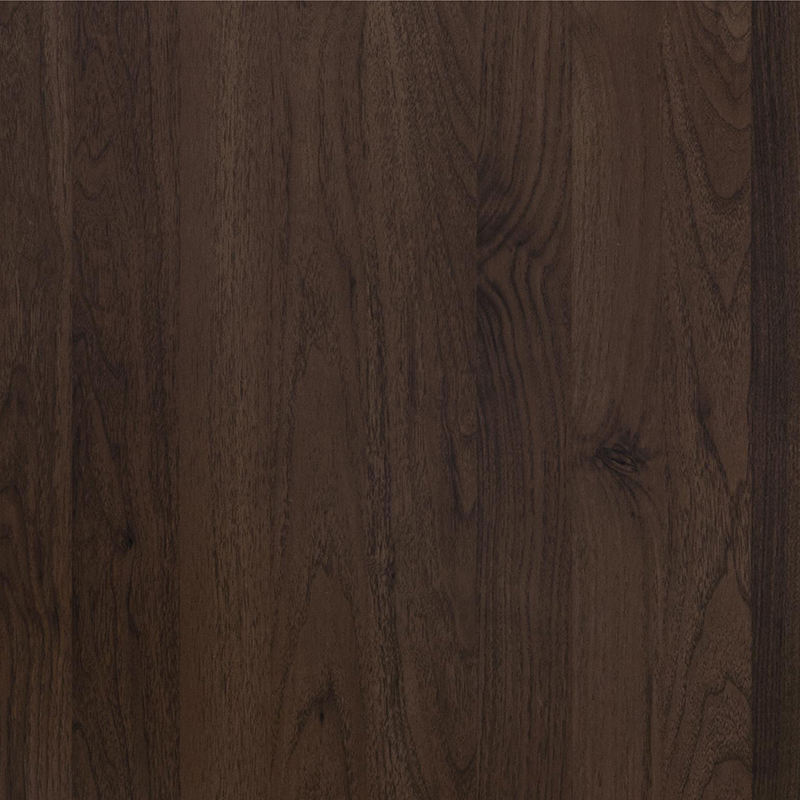
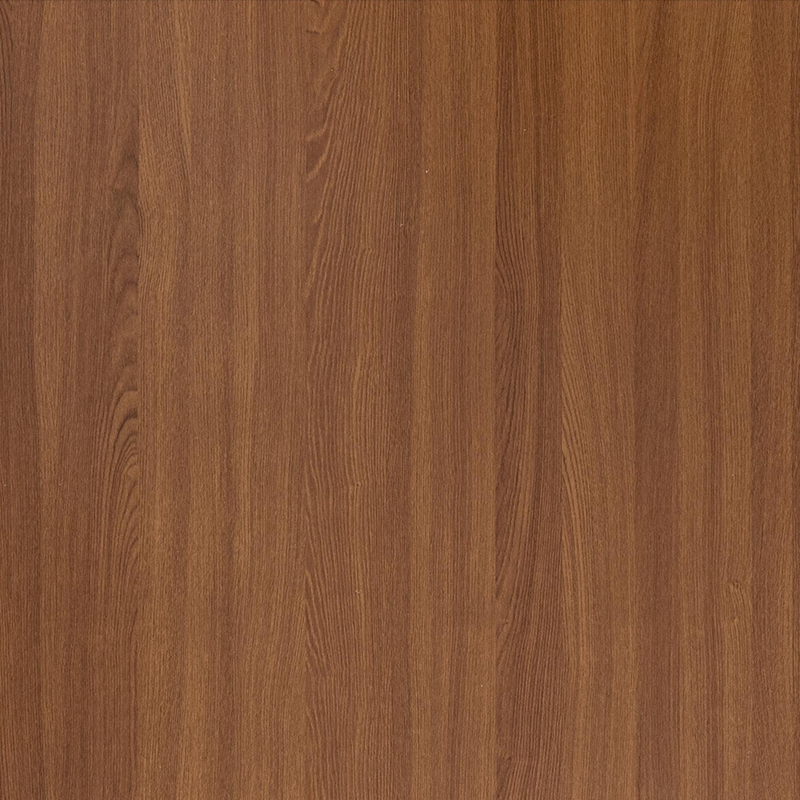
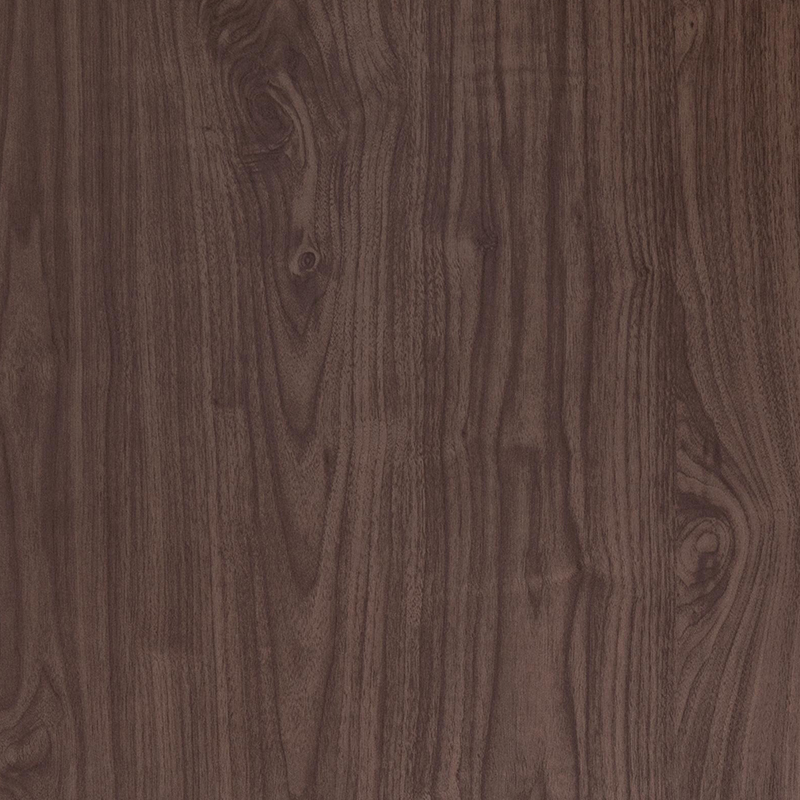
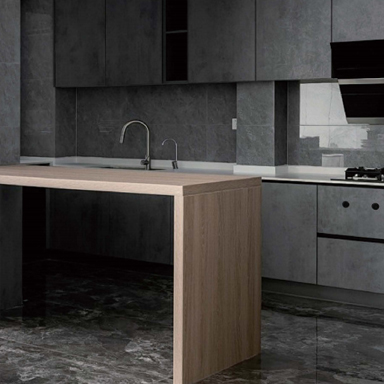
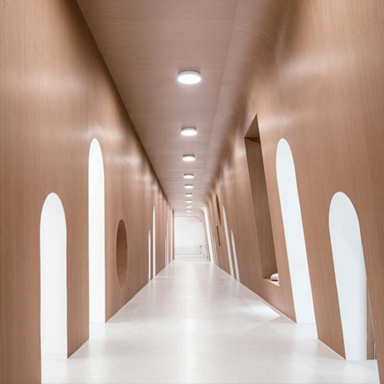
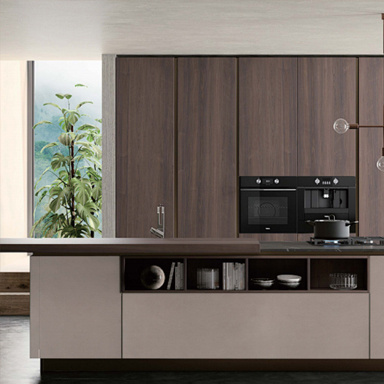
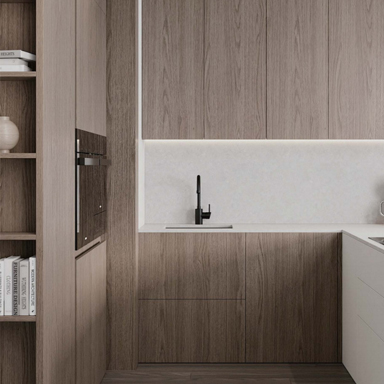
PVC film is not limited to protective use. It is also used in decorative environments where appearance plays a central role.
In these applications, the film may be used on surfaces to create visual consistency or design effects. The material becomes part of the visible structure rather than just a hidden layer.
Color balance and surface reflection are important here. Even small variations in finish can change how the material is perceived in lighting conditions.
Manufacturers often control surface treatment to achieve different visual results. Some films are designed to reflect light softly, while others reduce reflection for a calmer appearance.
In decorative use, stability over time is also important. The film should maintain its appearance without noticeable change during normal use conditions.
Below is a simple overview of application focus:
| Decorative Use | Main Requirement |
|---|---|
| Interior surfaces | Visual consistency |
| Product covering | Balanced appearance |
| Design layering | Controlled reflection |
| Surface styling | Stable finish quality |
These uses show how material design is not only functional but also visual in nature.
When a single material supports many applications, consistency becomes an important factor. Manufacturers focus on maintaining stable output even when production settings change.
This is managed through structured process control. Each stage of production is monitored to ensure that changes in one area do not create unexpected effects in another.
Material flow is kept steady from beginning to end. This helps avoid sudden variation in film behavior. Even when adjustments are made for different applications, the overall system remains balanced.
Operators usually work within defined ranges rather than fixed points. This allows flexibility while still maintaining structure.
Consistency is also supported through repeated production cycles. Over time, stable patterns form in the workflow, which helps maintain predictable output.
The goal is not uniformity in appearance alone. It is stability in behavior across different uses.
Industrial environments often require film that can handle continuous use conditions. This may involve repeated contact, movement, or exposure to changing surroundings.
In these cases, the film must maintain structure without losing its functional balance. It should remain usable across different operational conditions.
General-use environments are different. Here, flexibility and ease of handling become more important. The film should be easy to apply, adjust, and remove if needed.
Manufacturers respond to these differences by adjusting production flow rather than creating separate systems. This approach keeps production efficient while still meeting varied requirements.
Adaptation also happens at the surface level. Texture and finish are modified to match expected handling conditions.
This ability to serve both structured and flexible environments is one reason PVC film continues to appear in so many fields.
PVC film production is arranged as a continuous flow rather than isolated steps. This flow allows manufacturers to shift focus between different application needs without interrupting the entire system.
Material preparation leads into forming. Forming leads into surface treatment. Surface treatment connects directly to finishing and handling. Each stage is linked.
This connection makes it possible to adjust output characteristics in a controlled way. Instead of stopping production to change direction, small adjustments are made within the flow.
Different industries receive film with slightly different behavior profiles, even when the base material remains the same. This variation is not random. It is the result of controlled production flexibility.
Industries using packaging, covering, and surface protection all rely on this adaptability. The same production system can support them without major structural change.
This flow-based approach helps maintain continuity while still supporting diversity in application needs.
Contact us


+86-15726853660 / +86-18301913645
No. 99, Jinxiang Road, Hubin New District, Suyu, Suqian City, Jiangsu Province, China

Decorative Film Materials

 English
 Français
 Español
 عربى
عربى
 русский