+86-15726853660 / +86-18301913645
+86-15726853660 / +86-18301913645
PVC self adhesive film roll is a material that appears simple at first glance, yet it plays a quiet role in many everyday environments. It is used on surfaces that need covering, refreshing, or light protection. The structure is flexible, and the backing layer allows it to stick to different materials without extra tools or complex steps.
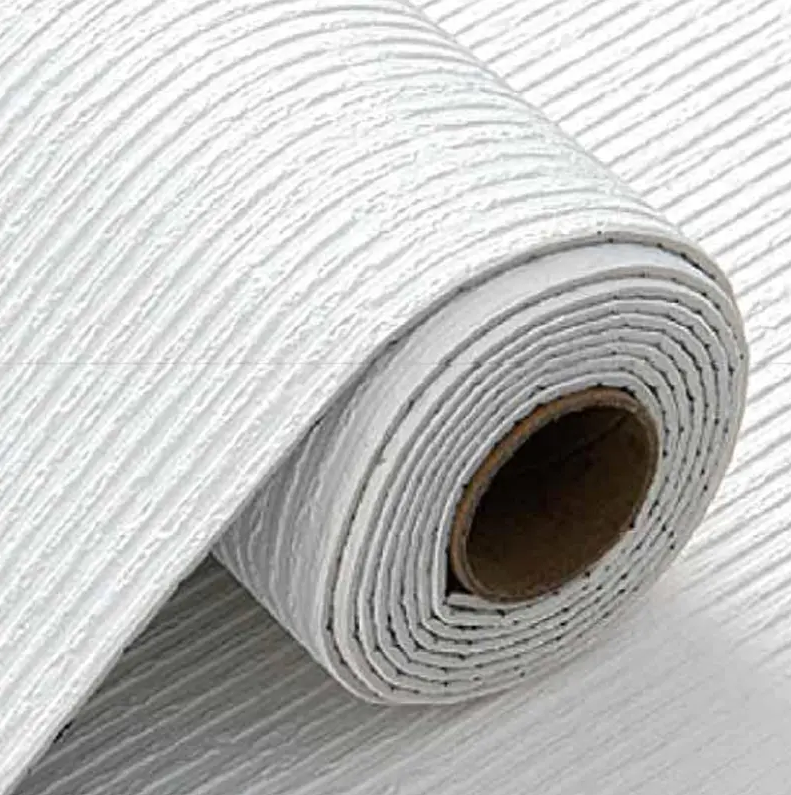
This type of film is usually supplied in roll form, which makes it easy to store, transport, and apply in continuous lengths. The adhesive layer is already integrated into the material, so users only need to cut and place it on a surface. That simplicity is one reason it appears in both home use and commercial settings.
Behind the surface, production involves controlled layering and surface finishing. Manufacturers adjust texture, softness, and adhesion behavior depending on intended use. The result is a material that can serve both decorative and functional roles in daily environments.
Film roll can be described as a flexible covering material with a built-in sticking layer. It is designed to attach directly to flat or slightly curved surfaces.
Instead of using glue or external adhesive, the bonding layer is already part of the film. This allows it to be applied with light pressure and repositioned during installation in some cases.
The structure usually includes three simple parts:
Each layer has a clear role. The surface layer provides appearance. The middle layer gives structure. The backing layer allows attachment.
This layered design helps the film stay stable while still being easy to handle during use.
It is commonly used where surface renewal or protection is needed without changing the base material underneath.
The reason this material appears in many daily settings is its balance between flexibility and practicality. It does not require complicated tools or long installation processes.
Surfaces can be updated without replacing the entire structure. This makes it suitable for environments where changes are needed from time to time.
Another reason is its ability to adapt to different surface types. Wood-like surfaces, smooth panels, and flat boards can all accept this type of film with proper application.
In many cases, it is chosen for visual refresh rather than structural change. A surface can look different without being rebuilt.
It is also used where light protection is needed. It can reduce direct contact with dust or minor scratches in daily handling environments.
Its role is not limited to one industry. It moves between home spaces, retail areas, and light commercial environments with ease.
Application is usually a manual process that does not require complex equipment. The film is unrolled, measured, cut, and placed on the target surface.
Before application, the surface is typically cleaned and smoothed. This helps the film attach evenly and reduces trapped air pockets.
Once positioned, the backing layer is gradually removed while the film is pressed onto the surface. The process is slow and controlled to maintain alignment.
Light pressure is applied during placement to help the adhesive layer settle. Some adjustments can be made during early placement before full contact is established.
A simple view of the application steps is shown below:
| Step | Purpose |
|---|---|
| Surface preparation | Improve contact stability |
| Measuring and cutting | Match required size |
| Positioning | Align film on surface |
| Gradual adhesion | Reduce air gaps |
| Final pressing | Stabilize attachment |
The process is designed to be straightforward. It focuses on steady movement rather than speed.
Once applied, the film remains in place under normal conditions of use.
This material appears in many environments, often without being noticed directly. Its use is linked to surface covering, visual change, and light protection.
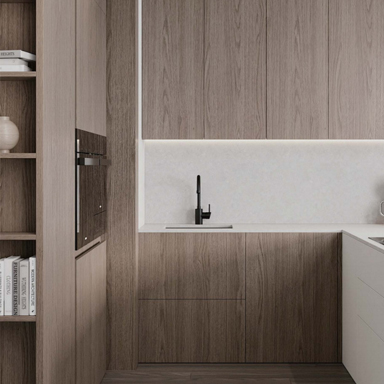
In home environments, it is often used on furniture surfaces, cabinets, and flat decorative areas. It helps refresh appearance without replacing the original structure.
In shared spaces, it may be used on counters or panels where surface wear appears over time. Instead of full replacement, a new layer is applied.
In retail environments, it is sometimes used for display surfaces or background panels. It helps create a consistent visual tone across different areas.
Below is a simple breakdown of usage areas:
| Environment | Common use |
|---|---|
| Home spaces | Furniture and surface covering |
| Retail areas | Display and visual design |
| Office settings | Panel covering and surface renewal |
| Light commercial spaces | Protective surface layering |
Each environment uses the same material in slightly different ways. The core function remains consistent, but the visual and practical role shifts.
After installation, rolls of self-adhesive PVC film form a thin outer coating that fits snugly against any base surface shape.
The material stays bendable to wrap around mild curves, yet holds firm enough to avoid peeling or moving through regular everyday use.
Light wiping works well on its surface to preserve a clean look, making it a great pick for spots that get touched often.
It will not alter the original material it covers, simply resting as an extra protective layer on the exterior.
Its long-term look relies heavily on surrounding conditions. Sun exposure, cleaning routines and how often it gets touched all alter its appearance gradually.
This film keeps stable once fitted properly and won't slide around with routine contact.
A big factor behind its widespread use is how easy it is to refresh surfaces with minimal work. There's no need to swap out whole boards or items—you only replace this thin outer film.
You can revamp the whole look of a space quickly while keeping all the original base structures intact.
Sold in long rolls, it lets you cover extended surfaces seamlessly; careful application leaves almost no noticeable seams between sections.
It can also be peeled off cleanly in most situations. When removed properly, it rarely leaves residue or damages the original surface beneath.
This trait fits spaces that require frequent updates to their visual style.
The simple, reversible makeover it offers is what sets this film apart from other decoration materials.
Factories tweak multiple production details to meet various real usage demands, and all changes are small and carefully regulated.
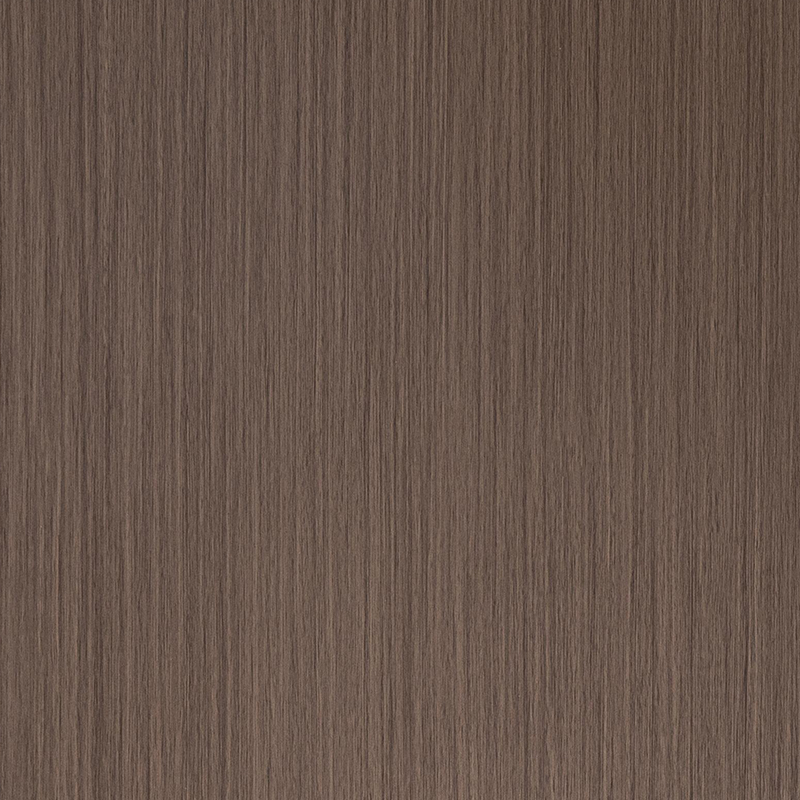
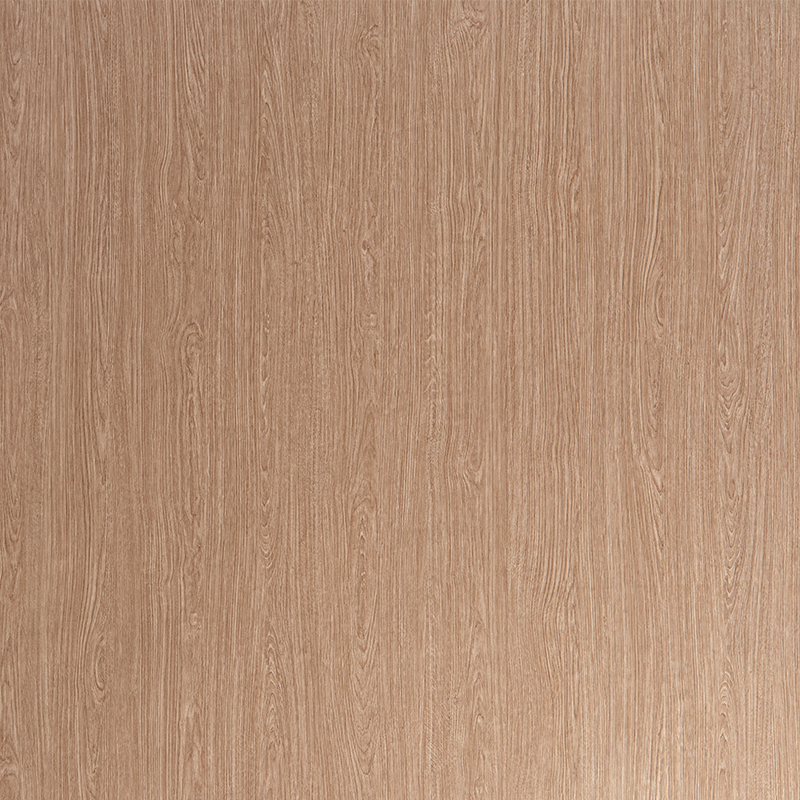
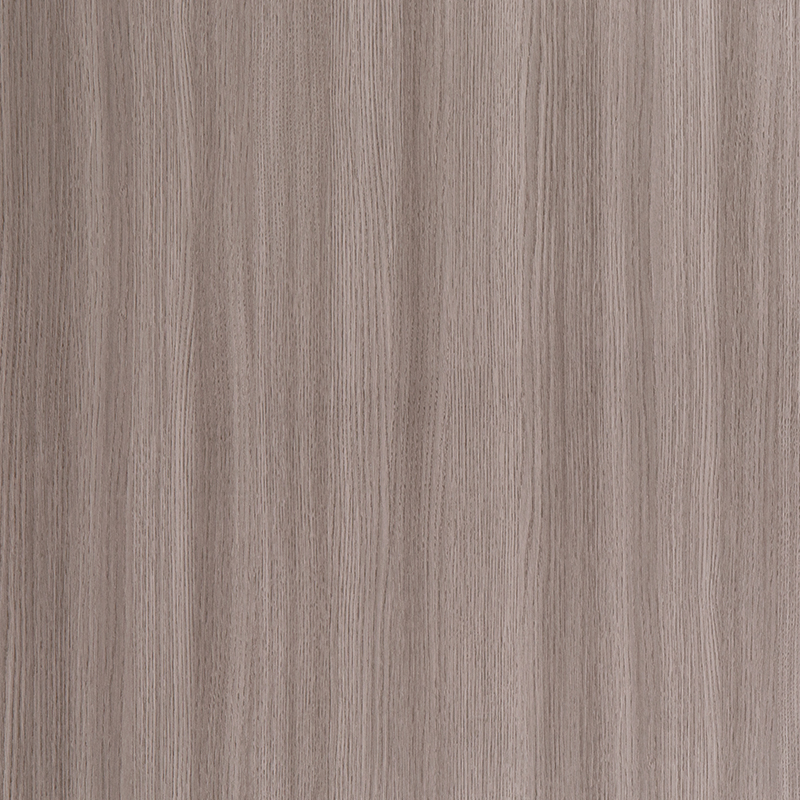
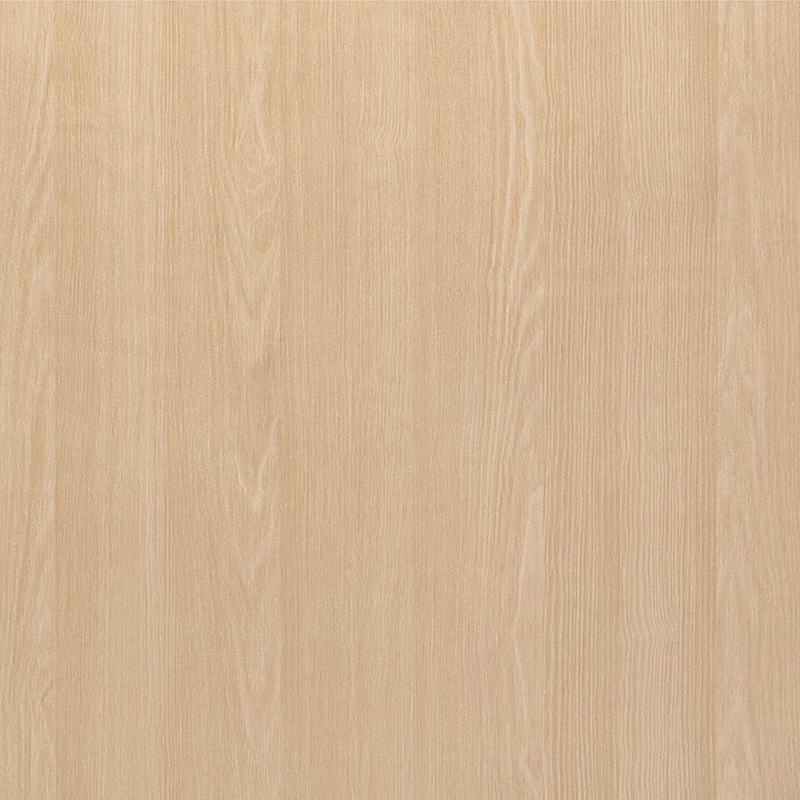
Surface texture is a key adjustable feature. Smooth finishes are produced for neat, clean decorative spaces, while textured options add layering effects and hide minor scratches.
The stickiness of the glue is also modified to match different scenarios. Light adhesive lets users move and re-stick the film easily, whereas stronger glue keeps the film firmly attached for long-term use.
Film softness gets adjusted too. More bendable film works great on curved surfaces, and stiffer versions fit flat panel installation much better.
A simple overview is shown below:
| Adjustment area | Purpose |
|---|---|
| Surface finish | Visual appearance control |
| Adhesion level | Stability of attachment |
| Flexibility | Adaptation to surface shape |
| Thickness feel | Handling and application comfort |
These adjustments allow the same material category to serve multiple daily applications without changing its core structure.
In daily use, Film roll acts as a protective layer that reduces direct contact with the base surface.
It helps limit minor scratches that may appear from light handling. It also provides a buffer between objects and the original surface.
In areas with frequent movement or contact, this layer helps maintain visual consistency over time.
Protection is not about blocking all external influence. It is more about reducing direct wear on the underlying material.
In some environments, this helps extend the visible lifespan of surfaces without structural changes.
The protective effect is subtle but continuous.
Modern surface design often focuses on flexibility and change. Instead of permanent finishes, there is increasing interest in adjustable surface layers.
Film roll fits into this direction because it allows surfaces to be updated without reconstruction.
It supports both visual and functional needs. A surface can look different while still serving the same basic role.
It also allows experimentation with design choices. Different finishes can be applied and changed without long-term commitment.
This makes it suitable for environments that evolve over time rather than staying fixed.
Surface design becomes more adaptable, and this material plays a role in that shift.
Maintenance of surfaces covered with film roll is usually simple. Regular light cleaning helps maintain appearance.
Gentle wiping is often enough to remove surface dust or marks from daily use. Heavy cleaning methods are not typically required.
Avoiding sharp contact helps maintain surface condition over time. The film responds better to steady, light interaction rather than forceful contact.
In many cases, maintenance is more about routine care than repair.
The material is designed to remain stable under normal use conditions, which reduces the need for frequent replacement.
Over time, users may choose to refresh the surface depending on appearance needs, rather than functional failure.
Contact us

+86-15726853660 / +86-18301913645
No. 99, Jinxiang Road, Hubin New District, Suyu, Suqian City, Jiangsu Province, China

Decorative Film Materials

 English
 Français
 Español
 عربى
عربى
 русский