+86-15726853660 / +86-18301913645
+86-15726853660 / +86-18301913645
PVC color film shows up widely in decorative surfaces, furniture production, interior finishing, and other applications where color and surface appearance genuinely matter. Its visual quality can shape the final look of a finished product, but that quality depends on more than the manufacturing process alone. Storage and handling play an important role too.
When film gets stored incorrectly, it may develop creases, surface marks, uneven edges, or other defects that make it harder to use down the line. Poor handling can create similar problems, even when the material arrives in good condition. Dust, moisture, pressure, and unsuitable storage conditions may also affect how the film performs during later processing.

For manufacturers, distributors, and purchasing teams, proper storage is part of everyday material management. It helps reduce avoidable waste, protects the appearance of the film, and makes production planning easier overall. The right approach depends on the film's construction, packaging, intended application, and supplier instructions.
Understanding how to store and handle PVC color film can help businesses maintain material condition from delivery all the way through to final use.
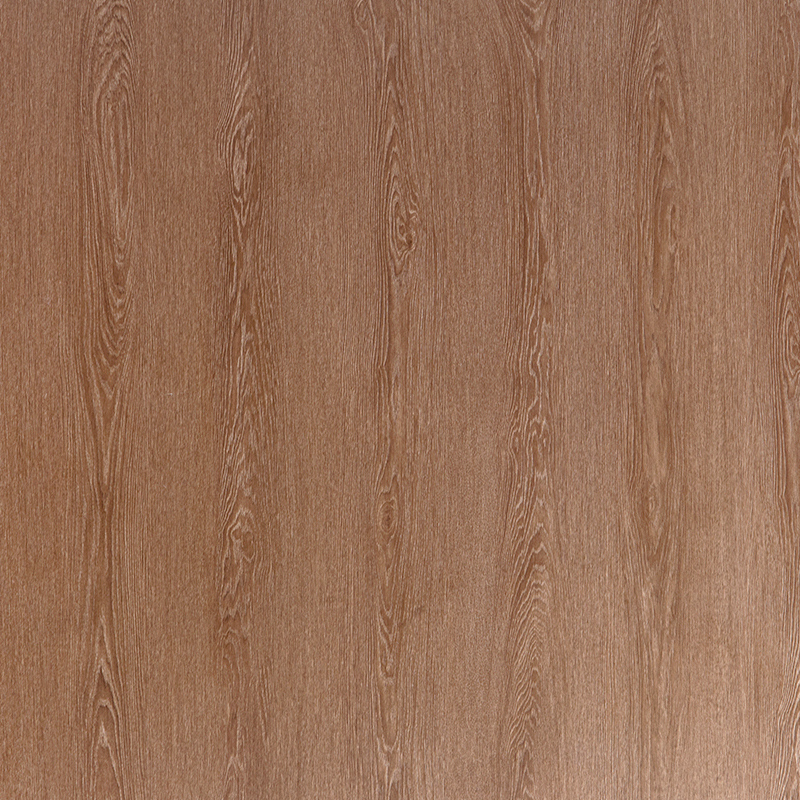
PVC color film is often chosen for its decorative appearance. Depending on the product, it may feature solid colors, printed patterns, textured surfaces, or finishes designed to resemble other materials. These features can be affected by the way the film gets stored and moved around.
A roll exposed to uneven pressure may become deformed or develop marks. If the outer packaging gets damaged, dust and other contaminants may reach the surface. Improper handling can also create scratches, folds, or edge damage that becomes visible during application.
Storage conditions may affect the material in other ways too. Excessive heat can influence its flexibility or dimensional stability, while unsuitable environmental conditions may affect the adhesive or surface finish of certain film products. The exact risks depend on the film formulation and whether it includes additional layers or a self-adhesive backing.
Good storage practices help protect the film before it enters production. They also make it easier for staff to identify materials, manage stock, and prepare the correct rolls for specific orders.
The financial impact is worth considering too. Damaged film may need trimming, reworking, downgrading, or discarding entirely. Even when the damage stays limited, sorting and inspection can delay production. These problems are often preventable through clear storage procedures and careful material handling.
Proper storage doesn't guarantee a film will remain unchanged indefinitely, worth noting. PVC products can carry different storage requirements, and some may be more sensitive to environmental conditions than others. Following the supplier's instructions remains an important part of material management.
A suitable storage area should protect film from environmental conditions that may affect its appearance or usability. Temperature, humidity, light exposure, cleanliness, and air circulation all deserve attention here.
PVC color film should be stored under the conditions recommended by its supplier. Frequent or substantial temperature changes may affect certain products, particularly when the film includes adhesive layers or other sensitive materials.
Storage locations near heating equipment, hot machinery, or direct sources of sunlight may expose the material to unwanted heat. A stable indoor environment is generally easier to manage than an area subject to large environmental swings.
Staff should also avoid moving film directly between environments with very different conditions without considering the supplier's handling guidance. Depending on the material and surrounding environment, sudden changes may contribute to condensation or other storage concerns.
Moisture can create problems for packaging, labels, and some film constructions. Condensation may also affect surface cleanliness or interfere with later processing when it occurs under unsuitable conditions.
The storage area should stay dry and free from leaks. Rolls shouldn't be placed directly on damp floors, near open doors exposed to rain, or beside areas where water gets used frequently.
If a package becomes wet, staff should inspect it before placing the material into normal stock. The film shouldn't be assumed unaffected simply because the outer roll looks intact.
Direct sunlight can affect the appearance and condition of some decorative films over time. Depending on the material, prolonged exposure may contribute to color changes or surface deterioration.
Storage shelves and racks should be positioned away from windows where strong sunlight reaches the stock. If that's not possible, suitable protective coverings or other measures may help reduce exposure, provided they're compatible with the supplier's storage instructions.
Dust, oil, and other contaminants can settle on exposed film surfaces. These substances may become difficult to remove or may interfere with later bonding and finishing operations.
A clean storage area helps reduce this risk. Staff should keep film away from dusty production activities, chemical storage areas, and locations where airborne particles are common.
Ventilation should support a suitable indoor environment without exposing the material to unnecessary dust or direct airflow that could disturb protective packaging.
These conditions work together, not in isolation. A clean room can't compensate for unsuitable heat exposure, and a dry floor doesn't protect a roll from pressure damage. Storage procedures should address the overall environment rather than fixate on a single factor.
How rolls get positioned can influence their condition during storage considerably. Improper support may place unnecessary pressure on the film, damage the edges, or cause deformation that becomes difficult to correct later.
The correct storage position depends on the roll design, core, packaging, and instructions provided by the supplier. Some products are intended to remain in a particular position or on designated supports. Staff shouldn't assume every PVC color film roll can be stored the same way.
Where racks or shelves are used, they should provide stable support and suit the weight and shape of the rolls. The material shouldn't rest against sharp edges, uneven surfaces, or objects that may press into the film.
Stacking requires care too. Excessive weight can compress lower rolls or distort their shape. Rolls shouldn't get stacked simply to save floor space without checking whether the packaging and material can actually support the arrangement.
Clear organization makes a real difference as well. Rolls should sit where employees can identify and retrieve them without pulling other materials out of position. Crowded storage can increase the chance of impact, friction, and accidental drops.
A practical storage system may separate film according to:
These categories help staff locate the correct material without repeatedly moving unrelated stock around. They can also reduce the risk of using a similar-looking film that doesn't match the requirements of a particular order.
Labels should stay visible and readable. If identification information sits only on the outside of protective packaging, employees should avoid removing that packaging earlier than necessary.
Good organization isn't merely an inventory task. It helps protect the physical condition of the film while making stock management more predictable overall.
Handling begins when a shipment arrives and continues through storage, internal transportation, production preparation, and installation or application. Each movement creates an opportunity for damage if staff use unsuitable methods.
Workers should follow the supplier's instructions for lifting, moving, and supporting rolls. Appropriate handling equipment may be needed for larger or heavier packages. Employees shouldn't rely on the film's outer wrapping as a lifting point unless the packaging is actually designed for that purpose.
Rolls should be moved carefully to avoid dropping, striking, or dragging them across rough surfaces. Impacts may damage the core or edges, while dragging can tear packaging and expose the material to dirt.
Clean hands or suitable handling gloves may be appropriate, depending on the product and the next processing step. The choice should reflect the manufacturer's guidance. Gloves that are dirty, rough, or unsuitable for the surface can create marks instead of preventing them.
Workers should also avoid touching decorative surfaces unnecessarily. Fingerprints, oils, and dirt may stand out especially on glossy, dark, or textured finishes. Keeping the film covered until it's needed can reduce contact with the surrounding environment.
When opening a package, staff should use tools carefully and keep sharp edges away from the film. Cutting too deeply into protective wrapping may leave scratches or cuts that extend into the material itself.
Unrolling requires similar attention. The roll should be supported so the film doesn't fall, twist, or drag across a dirty work surface. Pulling the film too forcefully can create tension or folds that affect its appearance.
If the film needs temporary placement on a workbench, the surface should be clean, smooth, and free from loose components. Employees should avoid placing tools, packaging scraps, or other materials on top of the exposed film.
A short handling procedure can help new employees learn these practices. Clear instructions also reduce differences between shifts and make it easier to investigate damage when it occurs.
In many cases, keeping PVC color film in its original packaging until it's needed is simply the sensible approach. The packaging may protect the roll from dust, accidental contact, and other environmental influences during storage and transportation.
That said, the role of packaging varies by product. Some packaging is designed mainly to prevent physical damage, while other materials may provide additional protection against light, moisture, or contamination. The supplier's instructions should determine whether the original packaging needs to remain sealed or whether it can get opened for inspection.
Staff should inspect the packaging when a shipment arrives. Torn wrapping, crushed edges, damaged cores, or signs of moisture may indicate the material needs further assessment before being accepted into stock.
If the packaging must be opened for inspection, employees should handle the roll carefully and restore suitable protection afterward. Replacement coverings should be clean and compatible with the film. They shouldn't leave adhesive residue, press unwanted patterns into the surface, or trap moisture in a way that could affect the material.
Partial rolls need particular attention here. After some film has been used, the remaining material may be more exposed to dust and accidental contact. It should be rewound carefully where appropriate, protected, labeled, and returned to a suitable storage location.
The remaining quantity and product identity should get recorded so staff can distinguish partially used rolls from unopened stock. This proves especially useful when several colors or patterns look similar.
Packaging shouldn't be treated as a substitute for a suitable storage environment, worth stressing. A sealed roll may still get affected by excessive heat, unsuitable positioning, or pressure from other materials. Effective protection combines appropriate packaging with proper storage and handling together.
Inspection helps catch problems before the film enters production. It proves useful when receiving new stock, returning partially used rolls to storage, and preparing material for a specific order.
The inspection process should reflect the product's intended application and the supplier's acceptance requirements. Staff don't need to make every check unnecessarily complicated, but they should know what to look for and when to report a concern.
A practical inspection may cover several areas.
Packaging condition: Check for tears, water damage, crushed sections, or signs the roll has been exposed during transportation.
Roll and edge condition: Look for deformation, uneven edges, damaged cores, or other visible signs of impact and pressure.
Surface appearance: Check for scratches, stains, dust, creases, color differences, or other defects that may affect the finished product.
Product identification: Confirm the label matches the intended material, color, pattern, and order requirements.
Storage history: Where relevant records exist, review whether the material has been kept under the recommended conditions.
Inspection should happen under suitable lighting. Some marks may be hard to spot when the film is tightly rolled or when the surrounding light stays uneven. If the application requires close visual matching, comparison with an approved reference may also help.
A roll shouldn't automatically get accepted just because its outer surface looks clean. Damage may hide within the roll, and a small defect at the edge may become more noticeable once the material gets unrolled.
When an issue turns up, staff should identify the affected material and keep it separate from stock accepted for use. The concern should get recorded and reported to the responsible person or supplier where necessary.
The film shouldn't be modified or cleaned with an unapproved substance simply to make the defect less visible. Some cleaning agents may affect the surface, color, or adhesive properties. Any cleaning method should suit the specific product.
A consistent inspection routine helps keep questionable material out of production and reduces the risk of discovering defects after time and labor have already gone into the work.
Many problems with PVC color film trace back to routine actions rather than major incidents. A roll may get damaged when someone places a tool on it, leaves it beside a heat source, or moves it without suitable support.
Recognizing common mistakes can help businesses tighten up daily procedures.
Placing rolls on unsuitable surfaces: Floors may contain dust, moisture, debris, or sharp objects. Suitable racks or supports help keep the material away from these hazards.
Applying unnecessary pressure: Heavy objects or poorly planned stacking can deform rolls and damage edges. Storage arrangements should provide stable support without placing excessive weight on the film.
Leaving film exposed: Open rolls can collect dust and may get scratched during nearby work. Unused material should be protected and returned to an appropriate storage location.
Ignoring damaged packaging: Torn or wet packaging should get checked rather than overlooked. Damage may indicate the film needs closer inspection.
Using unsuitable cleaning products: Solvents or aggressive cleaners can affect some film surfaces and adhesive layers. Staff should use only methods approved for the specific material.
Mixing similar products: Films with similar colors or patterns may carry different product specifications or intended uses. Clear labels and organized stock help prevent selection errors.
Failing to record handling issues: If damage gets discovered but not documented, the same problem may occur repeatedly. Recording the location, condition, and circumstances can help identify patterns and improve procedures.
These issues are often addressed through a combination of training, clear work instructions, suitable storage equipment, and regular checks. Employees should know how to handle material, where to place it, and whom to contact when they find a problem.
A reliable storage routine should fit the company's operations rather than add unnecessary steps for the sake of it. A small workshop may need a simple rack and clear labeling, while a larger warehouse may require designated storage areas, material tracking, and formal inspection records.
The routine should start with receiving. Staff can check packaging condition, verify product identification, and record any visible concerns before placing the shipment into stock. Materials needing further assessment should stay separate until their status is clear.
Storage locations should get selected according to the supplier's recommendations and the physical needs of the rolls. Employees should be able to access materials without moving other stock in ways that may cause damage.
Regular checks help confirm storage conditions remain suitable. These checks can identify problems such as leaking roofs, damaged shelves, blocked access routes, exposed packaging, or labels that have become difficult to read.
Stock rotation deserves attention too. Businesses should follow any applicable shelf-life or storage-duration guidance and use inventory records to help select suitable material for each order. Older stock shouldn't automatically get used if its condition or storage history is uncertain.
Staff training should cover more than lifting and moving. Employees need to understand how to protect surfaces, open packages safely, identify damage, and report problems. These practices prove particularly useful when several workers share responsibility for the same inventory.
The routine should also include supplier communication. When storage instructions stay unclear or an unexpected defect appears, asking for product-specific guidance makes more sense than applying a general method to every type of PVC color film.
A clear process helps keep material handling consistent from delivery through to production. It also gives purchasing and production teams better information about stock condition, reducing avoidable delays and helping them plan material use with greater confidence.
Contact us











+86-15726853660 / +86-18301913645
No. 99, Jinxiang Road, Hubin New District, Suyu, Suqian City, Jiangsu Province, China

Decorative Film Materials

 English
 Français
 Español
 عربى
 русский