+86-15726853660 / +86-18301913645
+86-15726853660 / +86-18301913645
Colored PVC film is exactly what it sounds like — a polyvinyl chloride (PVC) plastic film with color worked into it during manufacturing, or sometimes applied as a surface treatment afterward. It comes in a range of shades, finishes, and transparency levels, and depending on how it's formulated, the film itself might be flexible or quite firm. That versatility is what makes it useful across decorative, commercial, packaging, and industrial work.
The key difference from printed PVC film is worth noting here. Printed film gets its visual character from images, patterns, or text applied through a printing process. Colored PVC film, by contrast, carries its color throughout the material itself, giving a consistent look rather than a surface graphic. Some products split the difference, combining a colored base with printing, embossing, or other treatments to land on a specific visual effect.

Businesses reach for colored film when they need something that handles both looks and function at once — coordinating the appearance of furniture pieces, dressing up product presentation, or giving signs and display materials a solid colored surface. What exactly works better comes down to the film's flexibility, finish, thickness, and how well it plays with whatever processing comes next.
Getting a solid grasp on what colored film actually is — and where it tends to show up — makes it a lot easier for buyers to pick the right material and talk through requirements with manufacturers, especially when color consistency and processing details are on the line.
Color is really the defining trait here. Because that color gets built into the material during manufacturing, the film holds a consistent appearance across its whole surface — a meaningful contrast to transparent film that only picks up color from printed graphics or a decorative layer added afterward.
PVC gets chosen for film production largely because its properties bend to fit different needs. Depending on how it's formulated, a PVC film might come out flexible, smooth-surfaced, or structurally firm. Manufacturers can also dial in different finishes depending on what the project calls for, visually and in terms of processing.
It's worth saying plainly: colored PVC film isn't one single, predictable product. Appearance and behavior shift depending on the materials and production method behind it. Some films carry a glossy surface that catches light; others go matte for something softer. Transparent or translucent colored versions let light through to varying degrees, while opaque film simply covers whatever's underneath.
Processing requirements shape the material too. A film meant for wrapping needs to bend around a product without fighting back. A decorative layer destined for a flat panel cares more about surface appearance and how well it bonds to the substrate underneath.
When sizing up colored film against other plastic films, color alone doesn't tell the whole story. Intended use, printing requirements, surface traits, and whatever processing comes afterward all factor into the decision. A film that looks good as a sample can behave quite differently once it's actually put to work under real conditions.
Colored film can be grouped in several ways, including color, transparency, surface finish, and flexibility. These categories help buyers narrow their choices before discussing a specific product with a supplier.
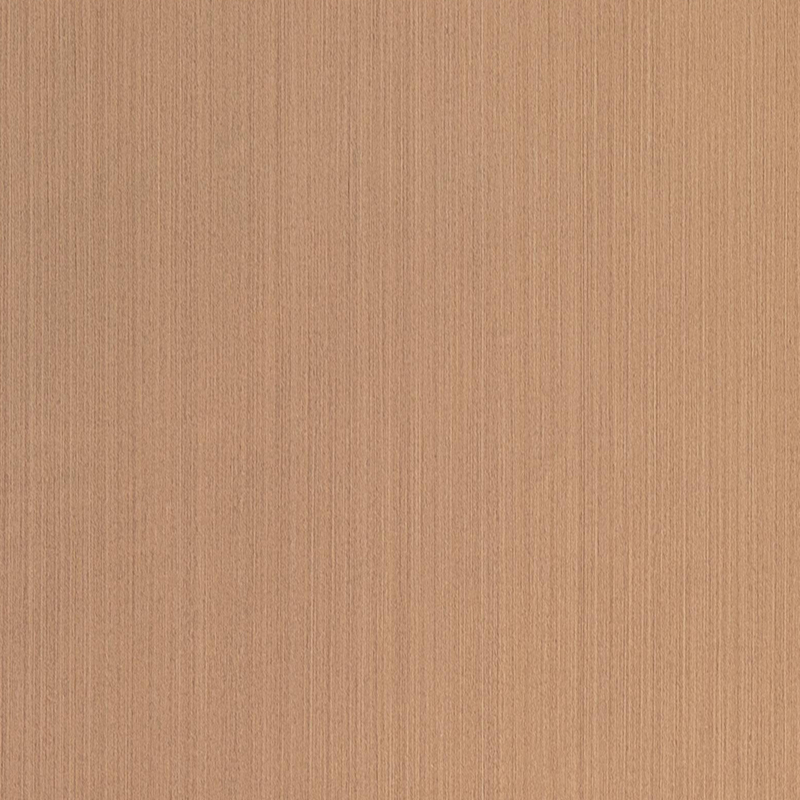
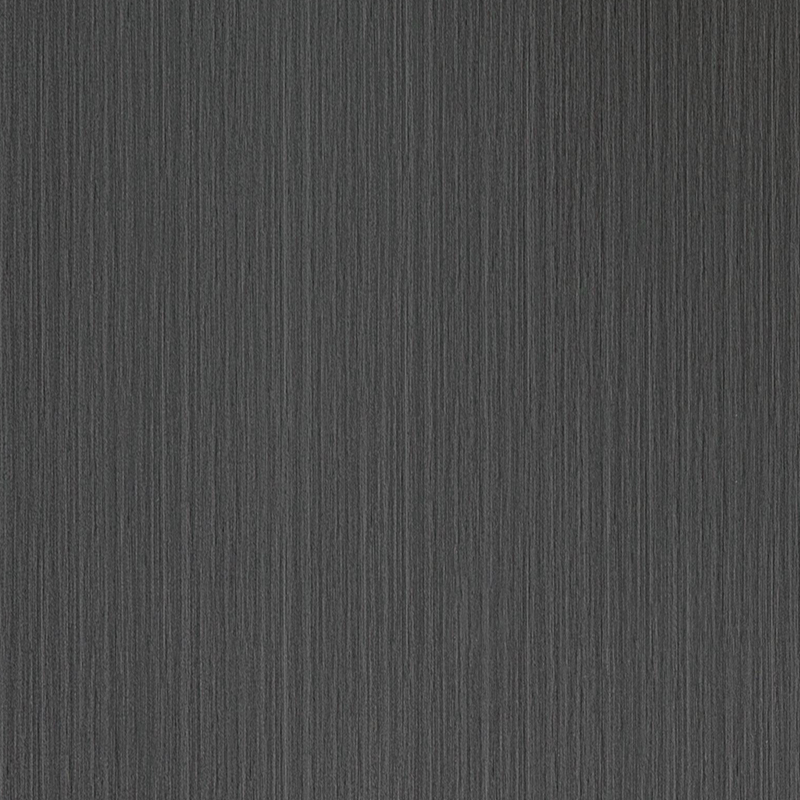
PVC film can be produced in a wide range of colors. Common options include white, black, gray, red, blue, green, and yellow. Some projects require neutral shades that blend into an existing design, while others use stronger colors to create a clear visual distinction.
Custom colors may also be available, depending on the manufacturer's production capabilities and order requirements. Buyers developing a coordinated product range should explain whether the color needs to match an existing component, a design sample, or a wider visual identity.
Colored PVC film may be transparent, translucent, or opaque.
These differences can affect how the film is used in decorative panels, display products, and packaging components. The appropriate choice depends on whether the project needs visibility, light transmission, or surface coverage.
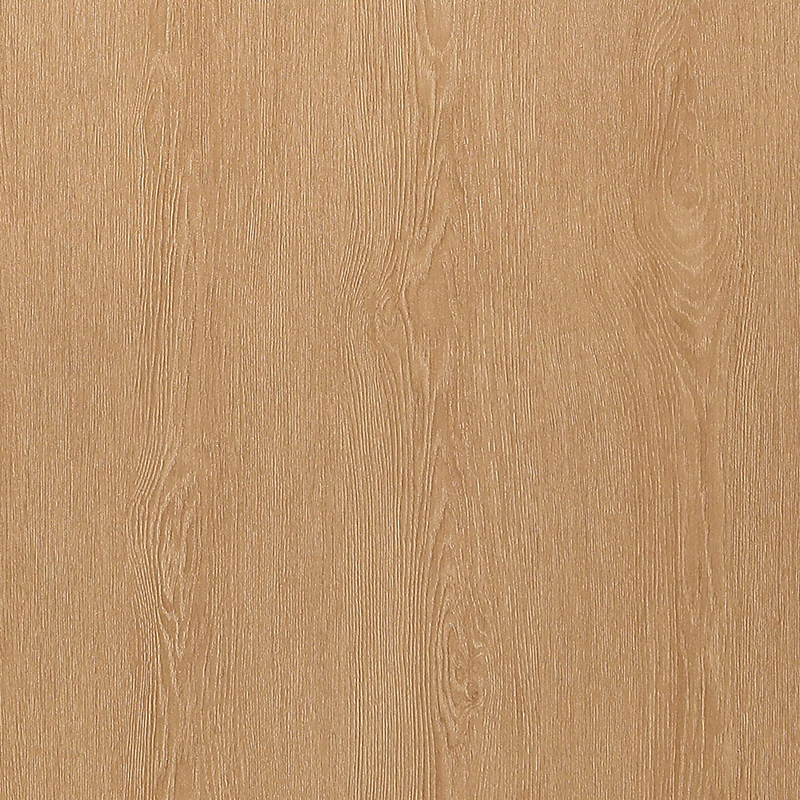
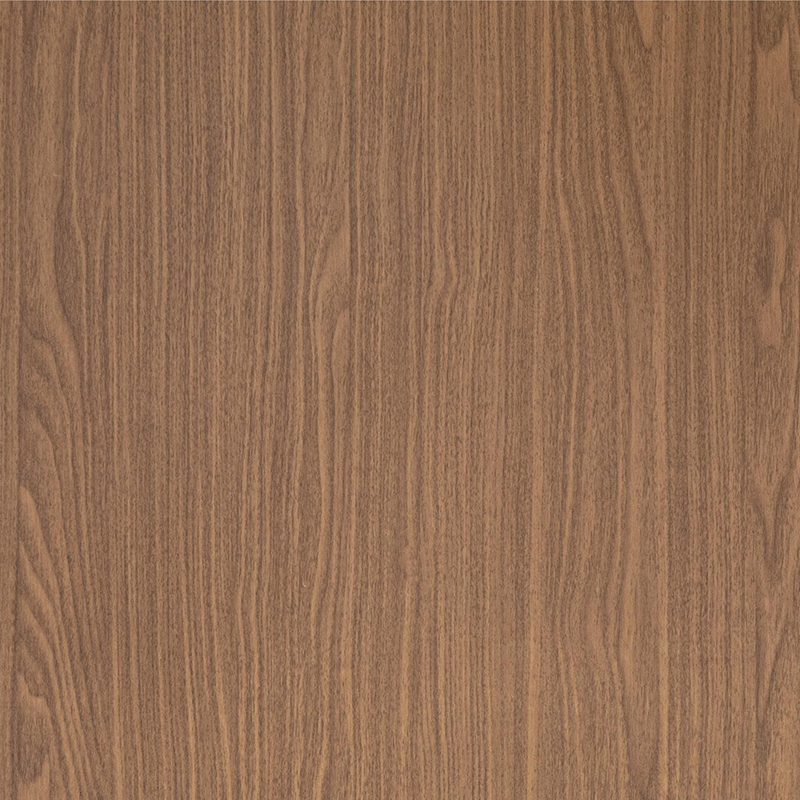
Surface finish influences the way a colored film looks and feels. Glossy film has a reflective appearance that may suit decorative or display applications. Matte film offers a less reflective surface and can create a more restrained visual effect.
Some products may feature a textured or embossed surface. This can add visual depth or a particular tactile quality. However, the surface finish should be evaluated alongside the intended printing or bonding process, since not every finish suits every production method.
Flexible PVC film is often considered for wrapping, covering, and other applications that involve bending. Firmer film may be more suitable for applications that require the material to retain a defined shape.
The terms used to describe flexibility can vary between suppliers. Buyers should explain how the film will be handled and applied rather than relying only on a general product label. A sample can help confirm whether the material behaves as expected during the intended process.
Colored film appears in many products because it combines visual options with a material structure that can suit different forms of processing. The following applications illustrate how its role changes according to the needs of each industry.
| Application Area | How Colored PVC Film Is Used | Key Considerations |
|---|---|---|
| Furniture and interiors | Decorative surfaces, coverings, and selected panel finishes | Color coordination, surface finish, bonding |
| Advertising and displays | Colored display elements, signs, and promotional materials | Visibility, appearance, handling |
| Packaging | Decorative components and selected protective or covering layers | Product presentation, processing compatibility |
| Consumer products | Covers, decorative parts, and product surfaces | Flexibility, appearance, intended use |
| Industrial applications | Colored covers, surface layers, and identification-related components | Handling needs, surface compatibility |
| Craft and design | Decorative sheets and materials for visual projects | Color selection, cutting, shaping |
Furniture is a common area for colored film. The material may be used as a decorative covering on selected furniture surfaces or panels. It can help create a consistent appearance across different components without requiring every part to be made from the same colored base material.
Color choice often depends on the surrounding design. Neutral shades may suit furniture intended for offices or shared spaces, while stronger colors can be used for products designed to attract attention. A textured finish may also be chosen to create a particular decorative effect.
The film must be compatible with the surface to which it will be applied. Buyers should consider the substrate, bonding method, and expected handling conditions. A decorative sample should be checked on the intended surface rather than evaluated only as a loose piece of film.
Advertising and display projects use color to attract attention and organize information. Colored PVC film may form part of signs, display panels, promotional materials, or other visual products.
The choice of film depends on where the display will be used and how people will view it. A glossy surface may create a noticeable reflection, while a matte finish can reduce that effect in some settings. Transparent colored film may be useful when the design needs to preserve visibility through the material.
Some display projects also require printed text or graphics. In these cases, buyers should confirm that the colored film is compatible with the intended printing method. The base color can affect the appearance of printed ink, especially when the design contains light shades or fine details.
Colored PVC film can be used in selected packaging components and product coverings. Its color can help separate product variations, support a coordinated package design, or create a particular visual effect.
The material must suit the packaging process. Depending on the finished design, it may need to be cut, folded, wrapped, bonded, or combined with other materials. The film should be tested during these operations to identify issues such as unwanted creasing, poor bonding, or changes in appearance.
Packaging requirements also depend on the product being packed. Buyers should not assume that a decorative PVC film is automatically suitable for direct contact with food, medical products, or other sensitive contents. Any such application requires appropriate confirmation of material suitability and compliance with the relevant requirements.
Colored film may also be used as a covering or decorative layer for selected consumer products. It can support product differentiation through color and surface appearance. In industrial settings, colored material may help distinguish components or provide a visible covering for a particular part.
The requirements in these applications can vary widely. Some products need a film that bends around a shaped surface. Others require a material that remains stable during assembly or routine handling. Buyers should provide information about the finished product and its working conditions before selecting a film.
Yes. Many film products can be customized, although the available options depend on the manufacturer's capabilities and the intended application. Customization may involve selecting a color, changing the surface finish, choosing a suitable film format, or matching the material to a specific processing method.
Color matching is often important for businesses that use the film across a product range. A buyer may want the film to coordinate with furniture components, packaging elements, display materials, or existing product designs. A physical sample or reference material can help communicate the desired appearance.
Surface finish is another potential area for customization. A project may call for a smooth glossy surface, a matte appearance, or a textured finish. The chosen surface should support the visual design while remaining compatible with the planned manufacturing process.
Film flexibility and thickness may also be considered. A wrapping application can have different needs from a flat decorative panel. The film should be selected according to how it will be handled, applied, and processed.
Buyers can make customization discussions more productive by preparing a clear project brief. Useful information includes:
Not every request requires a completely new product. An existing film may already meet most of the requirements, with only a small adjustment needed. In other cases, several features must be considered together. Sample testing helps determine whether the proposed material is suitable before regular production begins.
Choosing film starts with the purpose of the finished product. Buyers should identify the material's main function before comparing color options or surface finishes. This helps prevent decisions based on appearance alone.
Describe where the film will be used and what it needs to do. A decorative surface may require a consistent finish and reliable bonding. A display component may need a particular color and level of transparency. A covering that bends around a product may require greater flexibility.
The more clearly the application is described, the easier it becomes to identify relevant material options.
Color can look different under different lighting conditions and against different backgrounds. A film that appears suitable in a small sample may look different when applied across a larger surface.
Where color consistency matters, buyers should request a representative sample and evaluate it under conditions similar to those in which the finished product will be viewed. If the film will be combined with other materials, those components should also be considered during the review.
A film may need to pass through printing equipment or undergo cutting, bonding, laminating, or forming. Buyers should confirm that the material is suitable for these operations.
It is also important to consider the entire production sequence. A film that performs well during initial application may react differently during a later process. Testing the material through the relevant stages can help identify potential issues.
Suppliers should be able to explain the intended use of the film, its available finishes, and any known processing limitations. Buyers can also ask how samples are approved and how the selected product will be identified for repeat orders.
For customized materials, clear records of the approved color, surface finish, and other essential characteristics can reduce misunderstandings during future purchases.
The quality of film depends on more than whether the color looks attractive. Material consistency, surface condition, processing suitability, and storage can all influence the finished result.
Color consistency is an important consideration, especially when a film is used across several components or production batches. Differences in appearance may become noticeable when materials are placed next to each other. Buyers should explain the level of consistency required and agree on a suitable method for checking samples and delivered materials.
Surface condition also matters. Uneven appearance, visible marks, or unwanted defects can affect products where the film remains exposed. A clear inspection process can help identify issues before the material moves into printing, bonding, or assembly.
Processing compatibility is another part of quality evaluation. If the film is difficult to cut, does not bond as expected, or changes appearance during forming, it may not suit the intended workflow. These issues should be assessed using the actual production method wherever possible.
Storage and handling should not be overlooked. Film can be affected by unsuitable storage conditions, contamination, or rough handling. Buyers should follow the supplier's guidance for storage and transportation and keep the material protected before use.
A practical quality review may cover the following areas:
The relevant checks depend on the application. A decorative product may place greater emphasis on appearance, while an industrial component may require closer attention to handling and processing behavior. Defining the acceptance criteria in advance gives buyers and suppliers a shared basis for evaluating the material.
Ordering colored film involves more than choosing a color from a product list. Businesses should consider the application, customization requirements, order format, and the way the material will be evaluated.
A useful starting point is to determine whether a standard product can meet the project requirements. Existing options may cover the needed color, finish, and flexibility. If customization is necessary, buyers should identify which features must change and which can remain standard.
Samples are especially helpful when appearance is important. They allow the buyer to inspect the material, test the intended process, and confirm whether the final result matches the project needs. Any concerns should be discussed before a larger order is approved.
Order format is another practical consideration. Some projects require film in rolls, while others may need a different format for cutting or further processing. Buyers should explain how the material will enter their production workflow so that the supplier can confirm the available options.
Businesses planning repeat purchases should also discuss consistency between orders. A record of the approved sample and its relevant characteristics can help maintain a common reference. If the design or processing method changes, the material may need to be reviewed again.
Environmental conditions and regulatory requirements should be considered where relevant. Buyers should ask for appropriate product information when the film will be used in applications with specific compliance needs. Claims about suitability, safety, or environmental performance should be supported by documentation rather than assumptions.
Clear communication between buyer and supplier can reduce avoidable delays. When the intended use, visual requirements, and processing methods are defined early, it becomes easier to identify a suitable colored PVC film and evaluate its performance in the finished product.
Contact us







+86-15726853660 / +86-18301913645
No. 99, Jinxiang Road, Hubin New District, Suyu, Suqian City, Jiangsu Province, China

Decorative Film Materials

 English
 Français
 Español
 عربى
 русский