+86-15726853660 / +86-18301913645
+86-15726853660 / +86-18301913645
PVC film has become a familiar material across many manufacturing and design fields. It can appear on furniture surfaces, interior products, packaging materials, building products, and various industrial items.
Although the material is widely recognized, the needs behind each application can be quite different.
A furniture manufacturer may care about surface appearance and design consistency. A packaging producer may focus more on handling and product presentation. An interior project may require a film that works with a particular surface structure. Industrial users may have different expectations based on how the finished product will be handled.

This variety is encouraging PVC Film China Manufacturers to take a more application-focused approach.
Instead of treating PVC film as one general product, manufacturers can develop different options around the needs of specific users. Material selection, surface appearance, product structure, processing, packaging, and communication can all become part of the discussion.
For buyers, this shift can make sourcing more than a simple product comparison. It can become a conversation about how the film will be used and what the finished product needs to achieve.
PVC film can serve many purposes, but no two applications necessarily place the same demands on the material.
A decorative furniture surface may need a particular visual effect. An interior product may need to fit a certain design concept. A packaging application may place more attention on presentation and handling.
The difference is not always visible when looking at the film itself.
The manufacturing process behind the film can be influenced by its intended use. This makes it useful for buyers to explain the final application before discussing a specific product.
Some common application questions include:
These questions can help manufacturers understand the actual requirement.
Manufacturers can then adjust product planning around the application rather than relying on a single general-purpose approach.
This does not mean every application requires a completely different product. In many cases, small changes in material choice, appearance, structure, or processing approach may be enough to create a better fit.
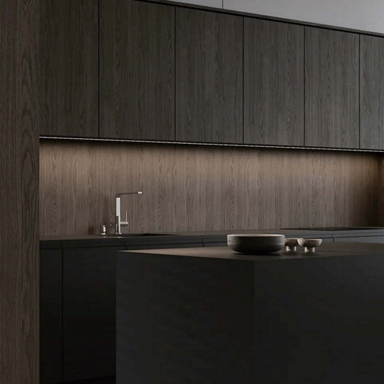
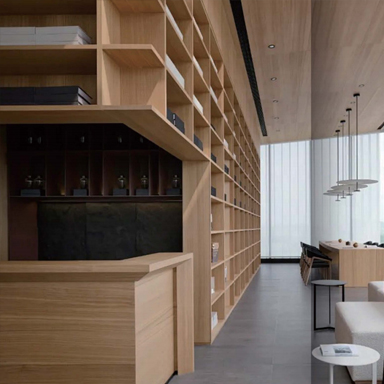
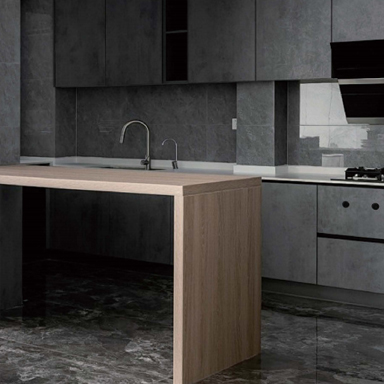
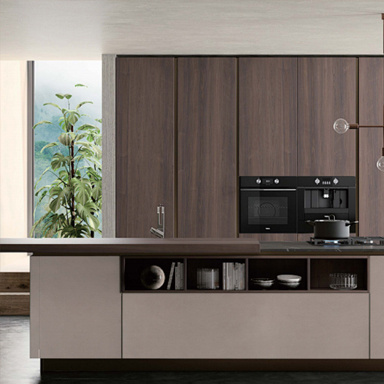
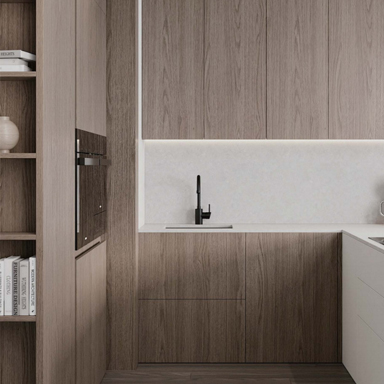
Furniture is one area where PVC film can play a visible role. Cabinets, doors, panels, shelves, and other furniture elements may use film to create a particular surface appearance.
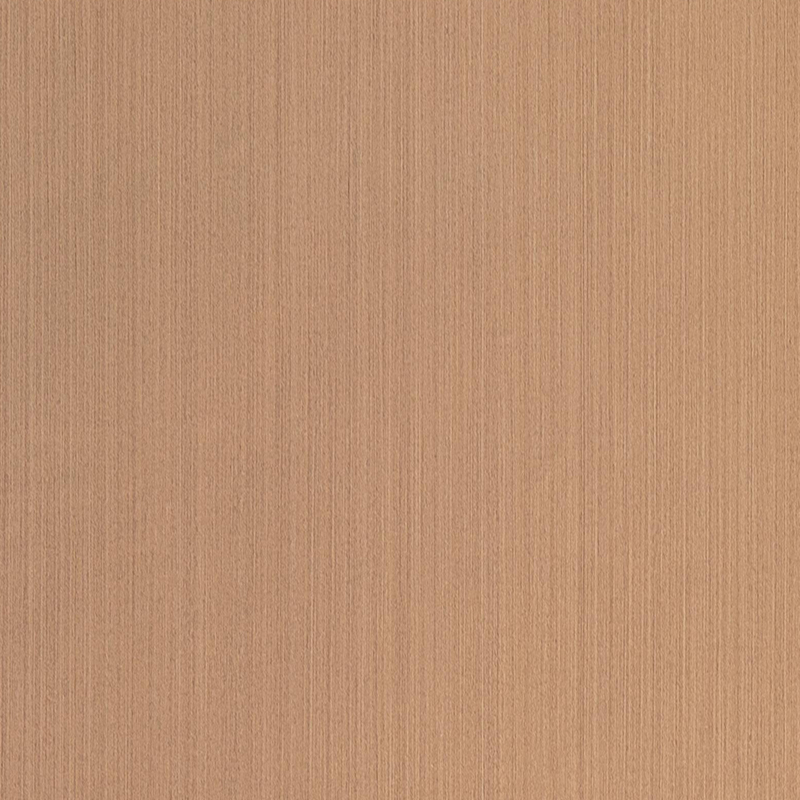
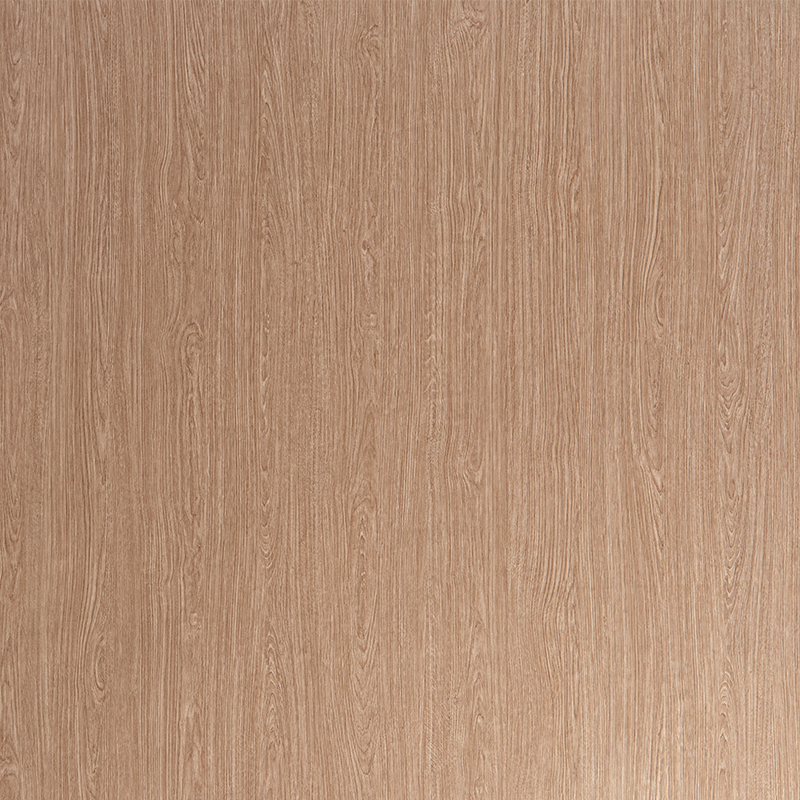
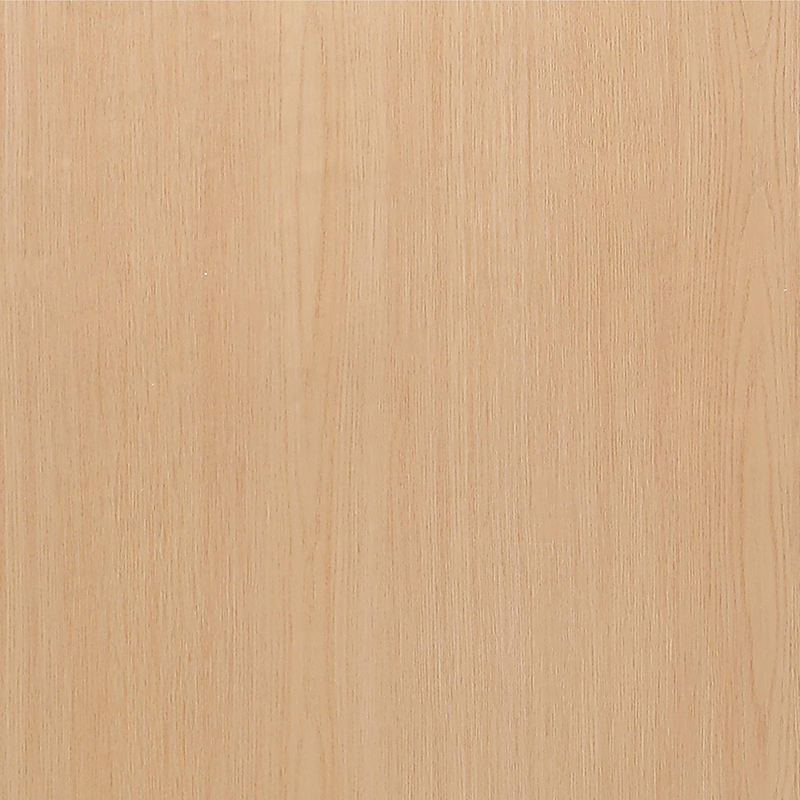
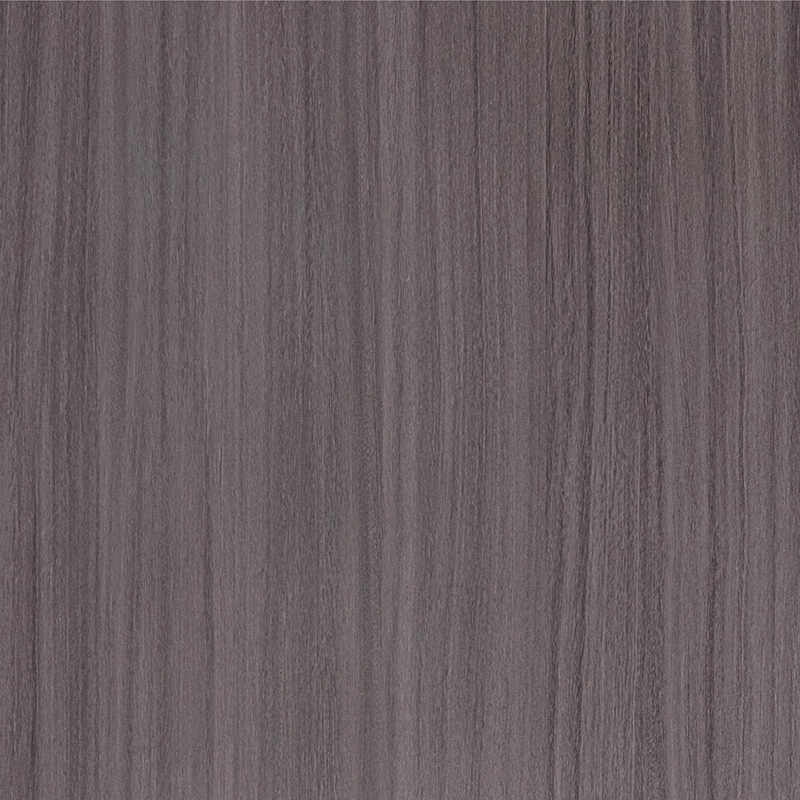
Design is important in this market. Buyers may want wood-inspired patterns, solid colors, decorative effects, or other visual styles.
At the same time, furniture manufacturers need to think about how the film fits into their production process.
Manufacturers can support this by discussing the relationship between the film and the finished furniture component.
| Furniture Application | Common Requirement | Possible Manufacturing Focus |
|---|---|---|
| Cabinet Surfaces | Consistent visual appearance | Surface design and suitable film selection |
| Furniture Doors | Decorative surface treatment | Pattern and product structure |
| Wall Panels | Interior design coordination | Appearance and application suitability |
| Shelving | Practical surface use | Material and processing considerations |
| Decorative Panels | Visual consistency | Surface style and product compatibility |
| Interior Furniture | Design flexibility | Different appearance and application options |
| Office Furniture | Coordinated appearance | Suitable surface design |
| Custom Furniture | Individual design requirements | Flexible product planning |
The conversation can also include the shape of the furniture component.
A flat panel may have different requirements from a shaped surface. A manufacturer may need to consider how the film interacts with the intended substrate and production process.
This is why furniture buyers often benefit from sharing product information early.
The film is not simply selected because it looks attractive. It needs to make sense within the entire furniture production process.
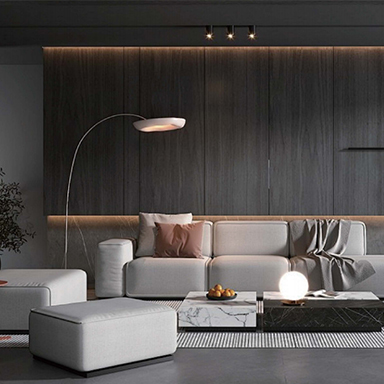
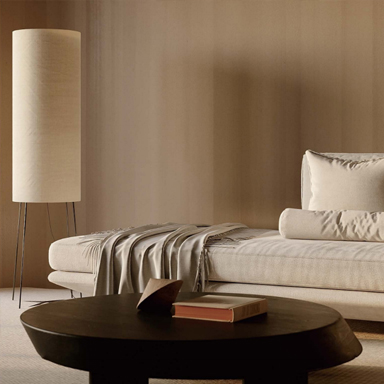
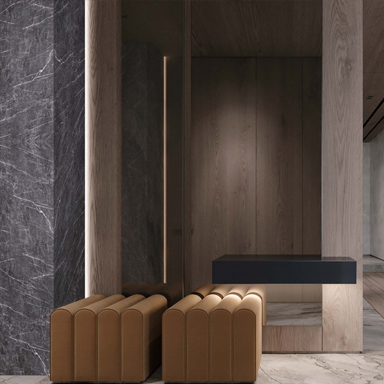
Interior design is constantly influenced by changing preferences. Colors, patterns, textures, and surface styles can shift as designers look for different ways to create a particular atmosphere.
PVC film provides one way to explore these changes.
Manufacturers can offer different surface appearances to support different design directions. This can help furniture producers and interior product manufacturers respond to varied project requirements.
The role of the manufacturer can extend beyond producing the film.
A manufacturer may discuss:
Surface appearance
The visual effect should fit the intended interior concept.
Application surface
The film needs to work with the type of surface being covered.
Product structure
The shape and construction of the finished item can influence film selection.
Processing needs
The production method should be considered during product planning.
Design consistency
Patterns and surface effects need to fit the overall product concept.
This approach gives designers more room to think about the finished product rather than treating the film as an isolated material.
For PVC Film China Manufacturers, understanding interior applications can also help them organize their product range around real market needs.
Packaging is another area where appearance and practical use meet.
A package may need to protect its contents while also presenting a clear visual identity. The surface material can influence how the package looks and how it fits within a broader product design.
PVC film can be considered for selected packaging applications where its properties and appearance are appropriate.
Manufacturers may need to understand the package structure before recommending a film option.
Questions can include:
The answers can guide product development.
Packaging buyers may also care about consistency between different product designs. If a company produces several packages with a related visual identity, the film needs to support that design direction.
Manufacturers can therefore become part of the packaging development conversation.
The focus moves from simply supplying a roll of film to understanding how the film contributes to the finished package.
Building and interior products can have very different surface requirements.
Wall panels, decorative boards, doors, ceilings, and other products may use surface films as part of their appearance. The film can help create a particular design effect without requiring the finished product to be made entirely from the desired surface material.
For manufacturers, this creates an opportunity to coordinate surface design with product structure.
A practical development discussion may cover:
| Development Area | Question to Consider | Possible Benefit |
|---|---|---|
| Product Surface | What surface will receive the film? | Helps identify suitable product options |
| Appearance | What visual effect is required? | Supports interior design goals |
| Product Shape | Is the surface flat or shaped? | Helps plan the application |
| Material | What materials are used underneath? | Supports compatibility considerations |
| Processing | How will the film be applied? | Connects product design with manufacturing |
| Handling | How will finished products be moved? | Helps consider practical product use |
| Packaging | How will finished products be protected? | Supports later storage and distribution |
| Design Changes | May the appearance change later? | Encourages flexible product planning |
This type of planning can be particularly useful for interior products that are produced for different projects.
One project may call for a simple appearance. Another may need a more distinctive surface. Manufacturers that understand these differences can organize product development more effectively.
Price is naturally part of purchasing decisions. But buyers may also look at how easily a supplier can respond to changing requirements.
A furniture company may change its surface design. A packaging company may introduce a new product appearance. An interior manufacturer may need a different film for a new product line.
These situations can create new questions for the supplier.
A flexible PVC Film Manufacturer may be able to discuss changes in:
Flexibility does not mean accepting every request without review.
A responsible manufacturer needs to understand whether a proposed change is practical and what effect it may have on production.
Clear communication is therefore important.
When buyers explain what has changed and why, manufacturers can provide more useful feedback. This can help reduce misunderstandings during product development.
Choosing a supplier can be easier when buyers prepare application-focused questions.
Instead of asking only about the product itself, buyers can explain the finished product and intended use.
Useful questions may include:
Application
Design
Manufacturing
Packaging
Communication
These questions can help buyers compare suppliers from a broader perspective.
A supplier that understands the application may provide more useful guidance than one that only discusses product availability.
The relationship between material manufacturers and buyers is becoming more closely connected to product development.
Manufacturers may receive requests from furniture producers, packaging companies, interior product manufacturers, building material producers, and other users.
Each market can provide different feedback.
A manufacturer may notice that furniture buyers want more design choices. Packaging users may ask for surface options that fit a new product concept. Interior product companies may need films that work with different panel designs.
This information can influence how manufacturers organize their products.
The development process can look like this:
Application Need → Product Discussion → Material Review → Design Selection → Sample Development → Production Planning → Product Supply
The process is not always linear. A change in the sample may lead to another design discussion. A packaging requirement may affect the product structure. A change in the finished product may require another material review.
This is where supplier communication becomes useful.
Manufacturers that listen to application feedback can adjust their product planning around actual market needs. Buyers, in turn, can provide clearer information about how the film will be used.
The result is a closer relationship between PVC film production and the products that use it.
As PVC film continues to appear across furniture, packaging, interior products, building materials, and industrial applications, the focus is shifting toward application-based product development.
PVC Film China Manufacturers are adapting by paying more attention to surface design, material choices, product structures, processing needs, packaging, and communication.
For buyers, the sourcing process can therefore begin with a simple question: not just what PVC film is available, but how the film needs to work within the finished product.
Contact us

+86-15726853660 / +86-18301913645
No. 99, Jinxiang Road, Hubin New District, Suyu, Suqian City, Jiangsu Province, China

Decorative Film Materials

 English
 Français
 Español
 عربى
عربى
 русский