+86-15726853660 / +86-18301913645
+86-15726853660 / +86-18301913645
PVC film is often viewed as a material used on the surface of a finished product. That view is becoming too narrow.
In modern manufacturing, PVC film can appear at several points along the supply chain. It may begin with material planning, move into film production, and later become part of furniture, interior products, packaging, building materials, or other manufactured goods.

This means the role of PVC Film Manufacturers in China is not limited to making film. Their products can connect upstream material preparation with downstream product manufacturing.
For buyers, this connection is important. A company sourcing PVC film may not be purchasing a finished consumer product. It may be purchasing one part of a much larger production process.
The film can influence the appearance of a cabinet door. It can become part of a decorative panel. It can support the surface design of an interior product. It may also be selected for certain packaging or industrial applications.
Each stage creates different questions.
Where does the film enter the supply chain? Who uses it? How does it move from a film manufacturer to a finished-product producer? What should buyers consider when working with PVC Film Manufacturers in China?
These questions provide a broader way to understand the position of PVC film in manufacturing.
PVC film generally enters the supply chain before the final product reaches the market.
A manufacturer may purchase film as a production material rather than as a finished item. The film can then be incorporated into another product through a later manufacturing process.
This creates a simple chain:
Material Planning → PVC Film Manufacturing → Product Manufacturing → Assembly or Finishing → Packaging → Distribution
The actual process can vary between industries.
A furniture manufacturer may use PVC film on a cabinet surface. A building product manufacturer may incorporate it into a decorative panel. An interior product company may use it as part of a surface design.
The position of PVC film within the supply chain can therefore depend on the finished product.
| Supply Chain Stage | Typical Activity | Role of PVC Film |
|---|---|---|
| Material Planning | Product materials are selected | Film requirements are identified |
| Film Manufacturing | PVC film is produced | Creates the material for downstream use |
| Product Manufacturing | Base products are formed | Film becomes part of the product surface |
| Assembly | Components are combined | Film-covered parts are incorporated |
| Finishing | Products receive final treatment | Surface appearance becomes part of the finished item |
| Packaging | Finished products are prepared | Film remains part of the protected product |
| Distribution | Products move to customers | Finished surfaces are handled through the supply chain |
This structure shows why a film supplier can have an influence beyond the material itself.
Furniture is one of the clearest examples of PVC film moving through a supply chain.
Manufacturers of cabinets, doors, shelves, wall panels, and decorative furniture may use PVC film as part of their surface design.
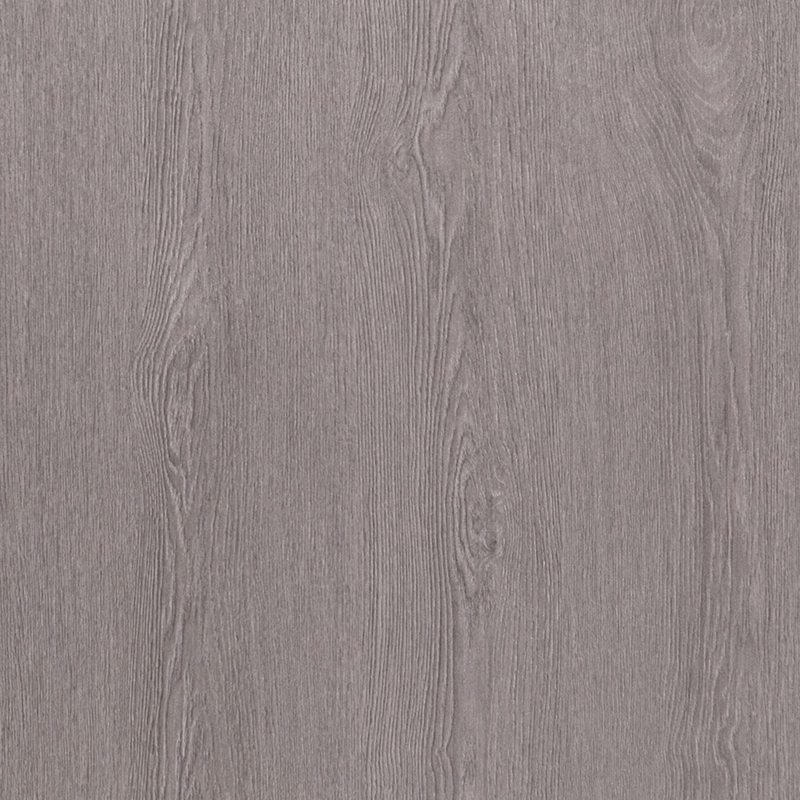
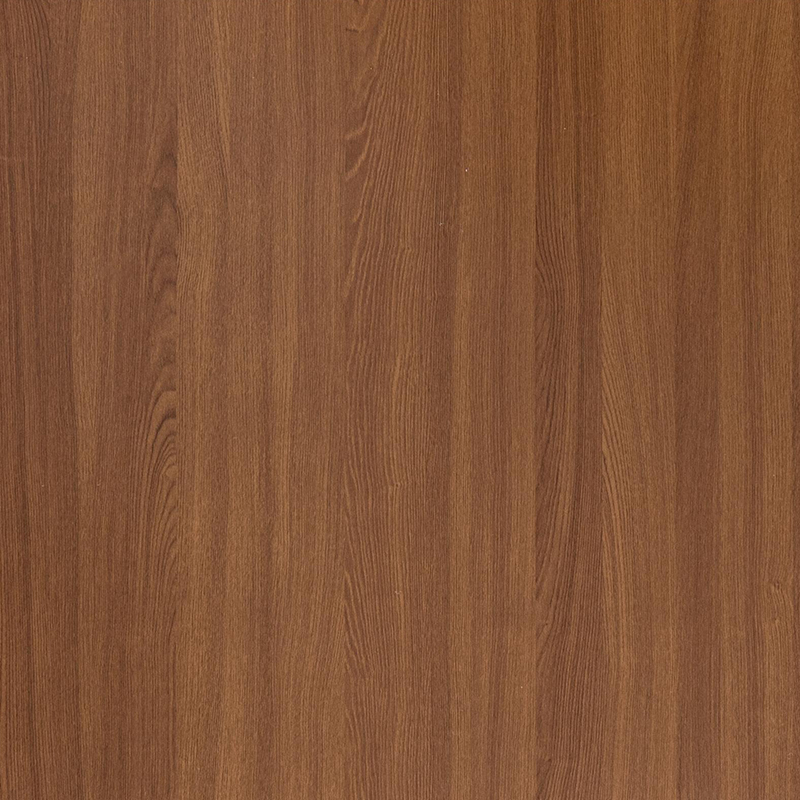
The film can help create different visual directions. Wood-inspired surfaces, solid colors, decorative patterns, and other finishes can be considered according to the product concept.
For furniture producers, the discussion often begins with the finished product rather than the film.
The manufacturer may need to explain:
These details give PVC Film Manufacturers a clearer understanding of the downstream application.
The relationship can then extend from material supply to product development.
A furniture producer may request a particular appearance. The film manufacturer can discuss available options and how they relate to the intended application. Sample development may follow before regular production begins.
This makes the film supplier part of an extended manufacturing chain.
Interior products create another important connection.
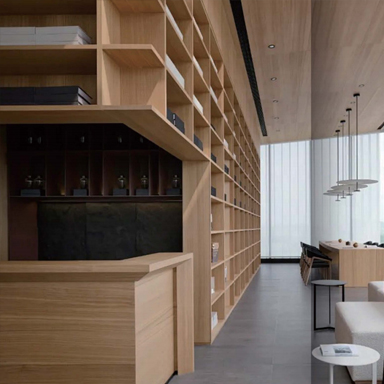
Wall panels, decorative boards, doors, ceilings, and other interior elements often depend on surface appearance. Designers may want materials that coordinate with furniture, flooring, lighting, or the wider room concept.
PVC film can become part of this design process.
The downstream manufacturer may begin with a product concept. The film supplier then needs to understand how the surface will be used.
Several factors can influence the discussion:
Design direction
The desired appearance can guide the choice of film.
Base material
The material underneath the film can affect how the finished product is planned.
Product shape
Different product structures may create different application requirements.
Production process
The way a manufacturer works with the film needs to fit its production routine.
Packaging and handling
The finished product needs to move through later stages without unnecessary complications.
This connection gives PVC Film Manufacturers in China a role in a much larger product development process.
The supplier does not determine the interior design. Instead, it provides material options that can be considered alongside the product's intended appearance and use.
Packaging is another point where PVC film can enter the supply chain.
Packaging manufacturers often need to balance product presentation with practical handling. Surface materials can influence the appearance of packaging and may become part of the visual identity of a product.
When PVC film is considered for an application, the manufacturer may need to understand the complete package rather than looking at the film alone.
A useful discussion can cover:
Product type: What is being packaged?
Surface role: Is the film intended mainly for appearance, protection, or another purpose?
Design: What visual effect does the package require?
Processing: How will the packaging manufacturer work with the film?
Handling: How will the finished package be stored and moved?
Distribution: What happens to the package after production?
These questions help connect the film with the downstream process.
For PVC Film Manufacturers in China, packaging applications may also create demand for different surface styles. The supplier may need to respond to changes in product design, packaging concepts, and customer preferences.
The supply chain therefore becomes a two-way relationship. Buyers communicate what their finished products require, while film manufacturers provide material choices that can support those requirements.
The supply chain extends beyond furniture and interior products.
PVC film may also be considered for selected building materials, decorative products, household items, industrial products, and other manufactured goods.
The specific role can vary.
| Application Area | Downstream Product | Possible Role of PVC Film |
|---|---|---|
| Furniture | Cabinets and doors | Decorative surface |
| Interior Products | Wall and decorative panels | Surface design |
| Building Products | Selected decorative components | Surface treatment |
| Household Products | Selected product surfaces | Appearance and protection |
| Packaging | Certain packaging products | Surface presentation |
| Industrial Products | Selected manufactured components | Surface covering |
| Decorative Products | Interior and display items | Visual finish |
| Custom Products | Application-specific products | Design-oriented surface material |
This range explains why application knowledge matters.
A film that is suitable for one type of product may not automatically be suitable for another. The finished product, manufacturing process, and expected use all need to be considered.
Manufacturers can therefore organize their product development around application categories.
This approach can make communication easier for buyers.
Instead of searching for a generic PVC film, a buyer can explain the product it is intended to become part of. The supplier can then focus the discussion around the actual application.
Buyers are not simply the final point in the process. In many B2B situations, they are part of product development.
A buyer may represent a furniture manufacturer, building product company, interior product producer, packaging business, or distributor.
Each buyer can bring different requirements.
The purchasing process may involve several departments. Product designers may care about appearance. Production teams may focus on processing. Quality teams may ask about product consistency. Packaging teams may consider storage and transportation.
A buyer can make the supplier discussion more productive by preparing relevant information.
| Buyer Information | Why It Helps the Supplier |
|---|---|
| Finished Product | Shows where the film will be used |
| Surface Type | Helps identify suitable product options |
| Desired Appearance | Guides design discussions |
| Product Shape | Provides information about the application |
| Production Method | Helps connect the film with manufacturing |
| Packaging Method | Supports downstream planning |
| Expected Product Changes | Helps the supplier understand future needs |
| Market Application | Gives context for product development |
This information does not need to be complicated.
A simple description of the finished product can be enough to begin a useful discussion.
The more clearly the application is explained, the easier it becomes for both sides to discuss suitable product options.
A supply chain can involve many businesses and departments. Misunderstandings can occur when information is passed from one stage to another.
PVC Film Manufacturers in China may communicate with purchasing teams, product designers, production managers, packaging teams, and distributors.
Each group may use different language.
A designer may describe a visual effect. A production manager may explain a processing concern. A buyer may focus on supply arrangements.
A supplier needs to understand how these requirements connect.
Clear communication can help with several areas:
This becomes particularly useful when a product changes.
A furniture company may introduce a new surface design. A packaging producer may revise its package structure. An interior manufacturer may develop a new product category.
The film supplier needs enough information to understand whether the existing product remains suitable.
This is where a supplier becomes part of an ongoing supply chain relationship rather than simply an order-processing point.
The position of PVC film within the supply chain makes supplier selection more important.
Buyers can look beyond product appearance and purchasing price. They can consider whether the manufacturer understands downstream applications and communicates clearly about production.
Several areas deserve attention.
Application understanding
Can the supplier understand where the film will be used?
Product development
Can it discuss samples, design requirements, and potential product adjustments?
Material communication
Can the supplier explain available material choices in a clear way?
Production capability
Can it organize manufacturing around the agreed product requirements?
Packaging
Can it consider how the finished film will be handled and stored?
Flexibility
Can it respond to reasonable changes in product requirements?
Communication
Can buyers reach the appropriate person when product questions arise?
Supply coordination
Can the supplier communicate clearly about production planning and changes?
These factors can help buyers understand the supplier's role within the wider supply chain.
A useful supplier relationship is not built around one transaction alone. It develops as manufacturers, buyers, designers, and production teams exchange information.
PVC Film Manufacturers in China can sit between material production and a wide range of downstream industries. Their products may become part of furniture, interior products, building materials, packaging, household goods, and other manufactured items.
The supply chain connection begins with the film but continues through the finished product. Understanding that connection can help buyers communicate their needs more clearly and evaluate suppliers according to the role they need the material to play.
Contact us










+86-15726853660 / +86-18301913645
No. 99, Jinxiang Road, Hubin New District, Suyu, Suqian City, Jiangsu Province, China

Decorative Film Materials

 English
 Français
 Español
 عربى
عربى
 русский