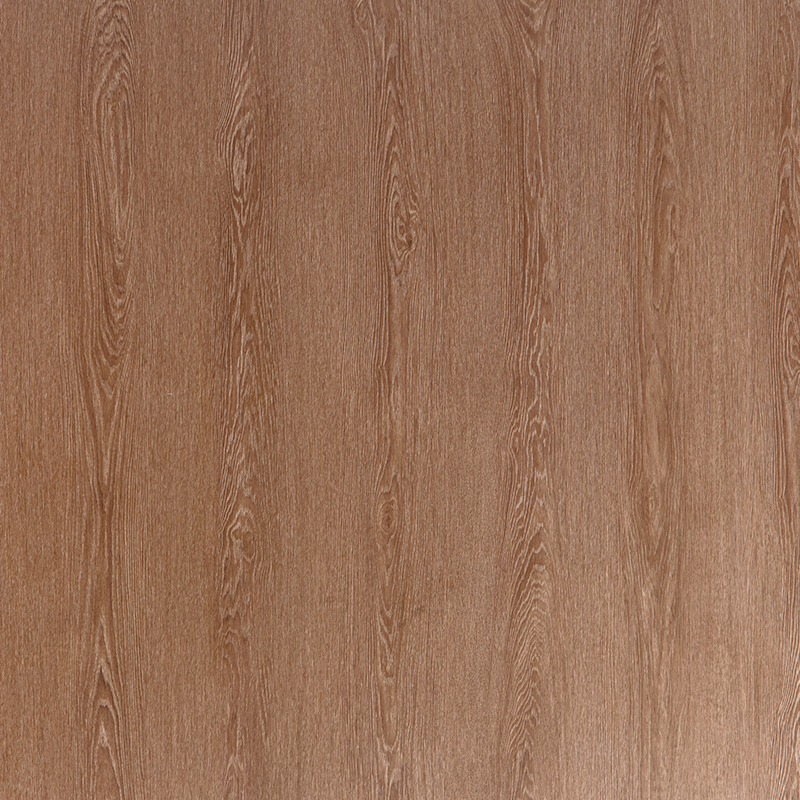
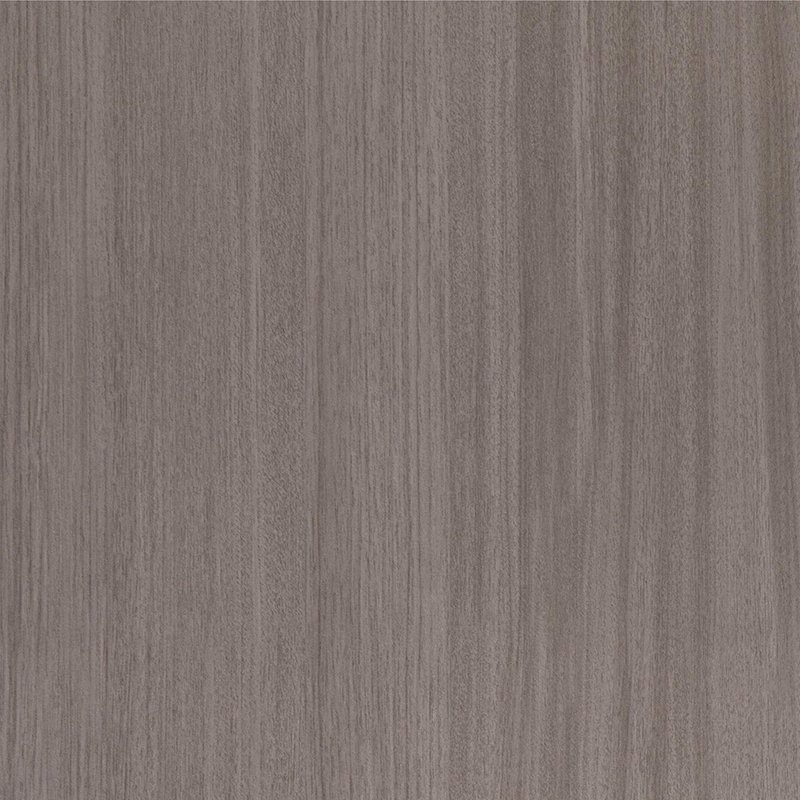
Matte solid color PVC film tends to give a very calm impression when you look at it. It does not shine or reflect surroundings in a sharp way, so the surface feels quieter to the eye. Instead of drawing attention through gloss, it relies on steadiness.
When light falls on it, the surface does not bounce it back strongly. The result is a softer visual experience. Colors look more grounded, and there is less distraction from reflections or glare.
This is one of the reasons it appears so often in spaces where people want a controlled visual mood. It fits into backgrounds without competing with other design elements.
Even in changing light conditions, the appearance does not shift dramatically. Morning light, artificial lighting, or indirect shadows all interact with it in a balanced way. The surface stays visually stable, which helps maintain a consistent atmosphere in a room.
Unlike glossy materials that may feel "loud" visually, this one tends to sit quietly in the environment. That subtle behavior is often what makes it noticeable in a different way.
Why Does the Matte Surface Change the Way Colors Are Perceived?
Color is not only about pigment. It is also about how light interacts with a surface. Matte solid PVC film handles light in a way that spreads it gently instead of reflecting it directly.
Because of that, colors appear more even and less influenced by surrounding objects. You do not see strong highlights or reflections breaking the surface into patches of brightness. Everything feels more unified.
This effect becomes more obvious when the surface is large. Walls, panels, or furniture coverings all benefit from that steady tone. The eye reads the surface as one continuous color field.
There is also a slight visual softness that comes from the matte texture itself. It creates a kind of muted depth, even though the material is physically smooth. That small illusion of depth helps the surface feel less artificial.
In spaces where lighting changes throughout the day, this consistency becomes even more valuable. The color does not shift dramatically when the light direction changes. Instead, it holds its identity.
How Does It Maintain Color Consistency Across Different Surfaces?
One of the more practical features of matte solid PVC film is how evenly it behaves across different shapes and applications. Whether it is placed on flat panels or curved surfaces, the color does not easily break or distort.
This happens because the material is designed to distribute color evenly across its surface. There are no obvious transitions or patchy areas when it is applied correctly. Even large installations tend to look unified.
Curved surfaces are where many materials start to show weaknesses. Some films stretch unevenly or create visible changes in tone. Matte PVC film handles this more smoothly, keeping its visual balance even when bent.
Here is a simple comparison of how it behaves in different conditions:
| Application Type |
Visual Behavior |
| Flat surface |
Even and stable color |
| Light curved surface |
Consistent tone without obvious distortion |
| Complex shape surface |
Slight variation but still visually unified |
| Large-area installation |
Continuous appearance across sections |
What stands out is not just the color itself, but how little it changes when the surface changes. That stability is often what designers rely on when working across multiple materials in one space.
Where Do People Commonly Use Matte Solid Color PVC Film?
This type of material appears in many everyday environments, even if it is not always noticed directly. It blends into backgrounds in a way that supports the overall design rather than taking attention away from it.
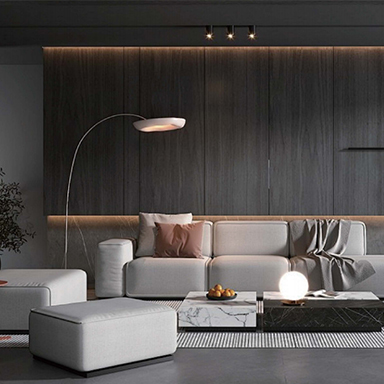
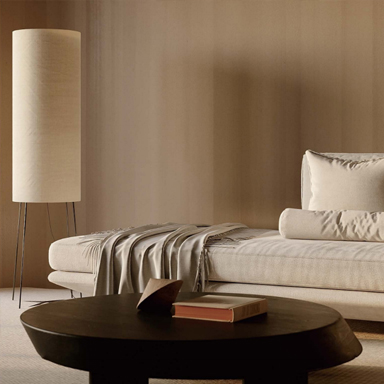
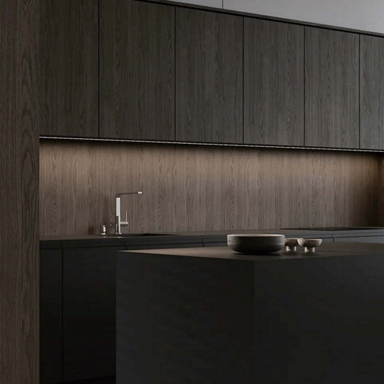
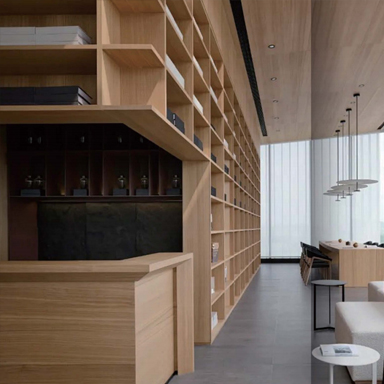
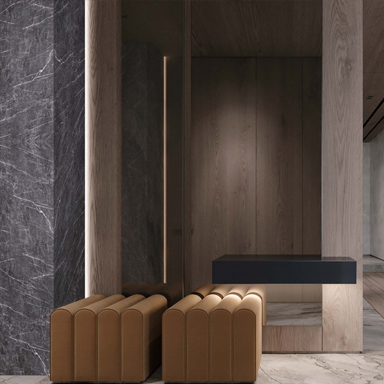
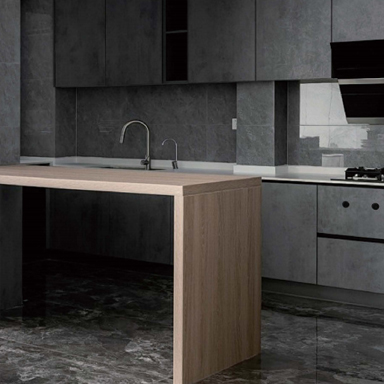
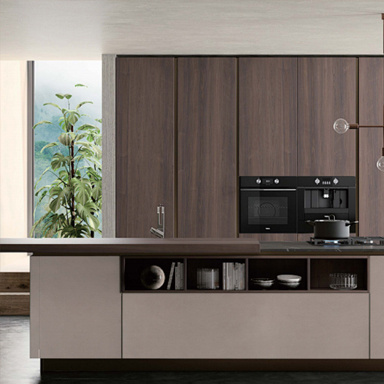
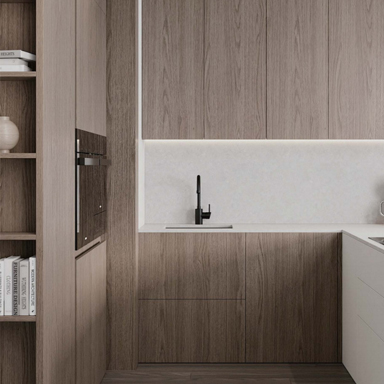
In interior spaces, it is often found on cabinet doors, wall panels, and furniture surfaces. The matte finish helps create a calm atmosphere, especially in rooms that aim for a simple and clean visual structure.
In commercial settings, it can be used in display areas or structural panels. Because it does not reflect surrounding objects strongly, it allows products or focal points to stand out more clearly.
In transport interiors, it is sometimes applied to decorative panels or functional surfaces. The material holds its appearance even under frequent use and changing lighting conditions.
In public spaces, it supports a balance between durability and visual order. Surfaces remain consistent even when exposed to repeated contact or varying environmental conditions.
Its adaptability is part of what makes it so widely used. It can shift between decorative and functional roles depending on the need, without changing its core visual behavior.
How Does It Respond to Daily Use and Environmental Changes?
Every material interacts with its environment in some way, and matte solid PVC film is no different. What makes it interesting is how quietly it handles those interactions.
In daily use, small marks or fingerprints are less noticeable compared to glossy surfaces. The matte texture diffuses light in a way that hides minor imperfections rather than highlighting them.
This does not mean the surface is immune to wear, but the appearance stays more stable over time. Even after regular contact, it tends to maintain a consistent look.
Lighting changes also have a softer impact. Strong lighting does not create harsh reflections, which helps reduce visual strain in bright environments. At the same time, low lighting still allows the color to remain visible without becoming dull.
Cleaning is generally straightforward. Dirt does not cling strongly to the surface texture, so regular wiping is usually enough to maintain appearance.
A simple breakdown of everyday behavior might look like this:
| Condition |
Surface Response |
| Frequent touch areas |
Marks remain subtle |
| Bright lighting |
No strong glare |
| Dust exposure |
Easy to wipe clean |
| General wear |
Gradual, not visually aggressive |
The overall impression is one of stability. It does not try to resist change completely, but it handles it in a way that keeps the surface visually steady.
What Role Does Flexibility Play in Its Practical Use?
Flexibility is one of the more functional strengths of matte solid PVC film. It allows the material to follow different shapes without losing its visual identity.
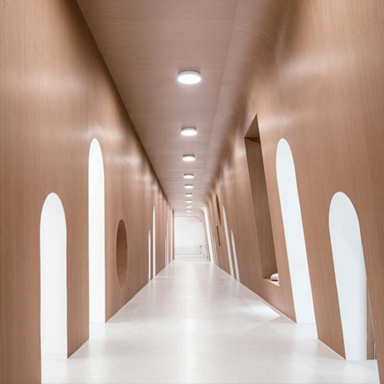
Flat surfaces are straightforward, but modern design often involves curves, edges, and layered structures. This material can adapt to those shapes without breaking the sense of color continuity.
When applied to curved areas, it tends to hold its tone without obvious stretching effects. That makes it useful in design work that includes irregular or customized forms.
It also simplifies installation in many cases. Instead of redesigning surfaces to match the material, the material can adjust to existing structures.
There is also a practical side to flexibility in everyday environments. Surfaces may expand or shift slightly with temperature changes, and flexible materials tend to handle those movements more smoothly.
The combination of adaptability and visual stability is what gives it a wide range of uses. It can sit quietly in the background or become part of more expressive design forms.
How Do Light and Texture Shape the Experience of the Material?
The way a surface interacts with light often defines how people perceive it, even before they consciously think about it. Matte solid color PVC film manages light in a very controlled way.
Instead of reflecting sharp highlights, it spreads light softly across the surface. This reduces glare and creates a more comfortable visual environment, especially in spaces with strong lighting.
The texture itself is subtle. It is smooth to the touch, but visually it carries a slight grain-like softness that prevents it from feeling flat.
This combination affects how people experience the material in daily life. It does not demand attention, but it contributes to the overall feeling of the space.
In close contact areas such as furniture or wall surfaces, the tactile experience also matters. The surface feels steady and controlled, without being overly slick or rough.
There is a balance between visual softness and physical smoothness that makes it suitable for long-term use in both private and shared environments.
What Should Be Considered When Choosing This Type of Material?
Choosing matte solid PVC film is not only about color selection. It involves thinking about how the material will behave in a specific environment.
The lighting of the space is one of the things to consider. Since matte surfaces respond differently under various light sources, it helps to observe how the material looks in real conditions rather than just samples.
The shape of the surface is also important. Flat applications are easier, but curved or complex structures may require more attention to flexibility and installation technique.
Color consistency matters as well. Even small variations in tone can affect the overall harmony of a design, especially when multiple panels are used together.
Maintenance expectations should not be overlooked. Some environments require frequent cleaning, while others are more stable. The surface should match the level of upkeep that is realistic for the space.
A small overview can help summarize these points:
| Consideration Area |
What It Affects |
| Lighting conditions |
Visual softness and tone stability |
| Surface shape |
Installation behavior |
| Color selection |
Overall design harmony |
| Maintenance needs |
Long-term appearance stability |
When these factors are balanced together, the material tends to integrate more naturally into its environment.





 English
 Français
 Español
 عربى
عربى
 русский