+86-15726853660 / +86-18301913645
+86-15726853660 / +86-18301913645
Full Matte PVC Film is widely used in interior surfaces, furniture finishing, and decorative applications. Its soft, low-reflection appearance fits modern design preferences. It creates a calm visual effect and reduces glare in bright environments.
Despite its growing use, real-world application often reveals small but noticeable challenges. These issues are not always related to the material itself. Many arise from handling, surface preparation, or environmental conditions during installation.
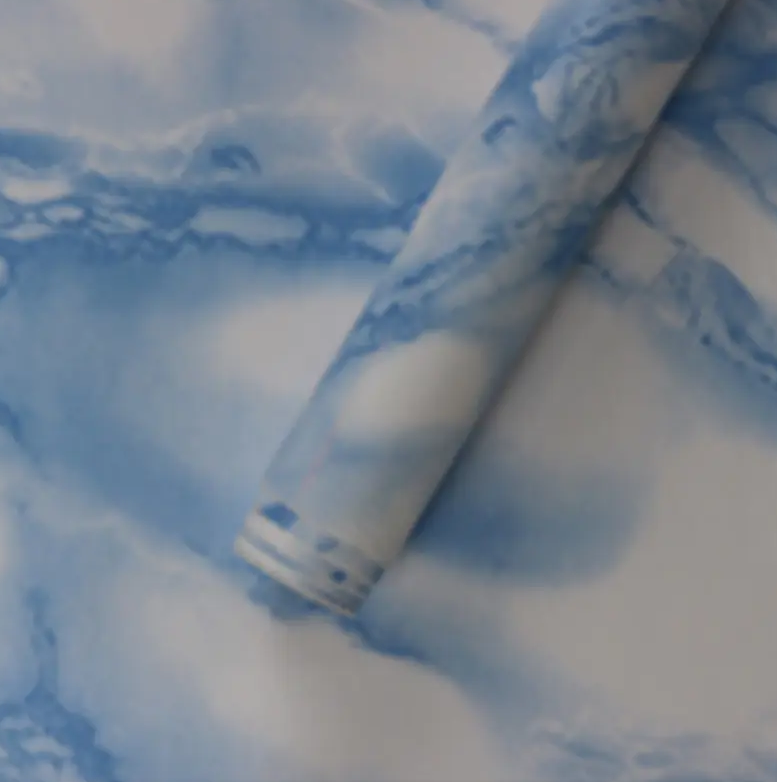
Understanding these common problems helps users make better decisions and avoid unnecessary rework.
Air bubbles are one of the frequently observed issues. They can show up immediately after installation or become visible over time.
This usually happens when air is trapped between the film and the surface. Uneven pressure during application can make this worse. If the surface is not fully clean or smooth, small gaps may form, allowing air pockets to remain.
Temperature also plays a role. When the environment changes, trapped air may expand or shift slightly, making bubbles more visible.
Careful application techniques and steady pressure can reduce this problem, but it rarely disappears completely in uncontrolled conditions.
In daily applications, several recurring issues appear across different environments. The table below outlines typical problems, possible causes, and how they affect the final result:
| Common Problem | Possible Cause | Visible Impact |
|---|---|---|
| Air bubbles | Trapped air during installation | Uneven surface appearance |
| Poor adhesion | Dust or residue on surface | Peeling or loose sections |
| Edge lifting | Uneven tension or environment | Edges curling or separating |
| Surface scratches | Frequent contact or friction | Marks visible under light |
| Color variation | Batch differences or lighting | Inconsistent visual tone |
| Wrinkling | Improper handling or stretching | Distorted surface finish |
These problems may appear separately or together, depending on how the film is applied and used.
Adhesion depends heavily on surface compatibility. Full matte PVC film tends to perform better on flat, clean, and stable surfaces.
Problems begin when the surface has dust, oil, or slight texture variations. Even a thin layer of residue can weaken the bond. Over time, this may to edge lifting or partial detachment.
Surface materials also influence adhesion behavior. Some finishes may not interact well with the adhesive layer, Find to inconsistent results.
In practice, surface preparation often determines whether the film stays in place or begins to peel.
Edge lifting is often linked to stress concentration. The edges of the film are more exposed to external factors such as touch, friction, and airflow.
If the film is not applied with balanced tension, the edges may carry uneven force. Over time, this can cause them to lift slightly.
Environmental changes can also contribute. Heat and humidity shifts may cause minor expansion or contraction, placing additional stress on the edges.
Once lifting begins, it may gradually spread if not addressed early.
Matte surfaces are valued for their soft visual effect, but they can be more sensitive to surface marks. Scratches may appear as lighter or darker lines depending on how light interacts with the surface.
Unlike glossy finishes, matte textures do not reflect light evenly. This makes even small marks more noticeable under certain angles.
Frequent contact, cleaning tools, or rough handling can increase the likelihood of visible wear.
The issue is not always structural damage. It is often a visual change that affects how the surface looks in everyday use.
Color variation can occur when different batches of film are used in the same space. Even slight differences may become visible when placed side by side.
Lighting conditions also influence perception. Natural light, artificial light, and viewing angles can all change how color appears.
Surface background may play a role as well. A darker or uneven base layer can subtly affect the final look of the film.
These variations are usually small, but they can stand out in large, continuous surfaces.
Over time, daily use introduces gradual changes. These changes may not be obvious at first, but they accumulate.
Common long-term issues include:
These effects depend on how the film is used and maintained. Areas with higher activity tend to show changes earlier.
Environmental factors influence both installation and long-term behavior. Temperature, humidity, and air quality all play a role.
High humidity can affect how the adhesive interacts with the surface. Dry conditions may influence flexibility during application.
Temperature shifts may cause small expansions or contractions. These changes are subtle but can affect alignment and adhesion over time.
Stable conditions usually to more predictable results.
Many problems can be traced back to installation methods. Even small inconsistencies can affect the final outcome.
Typical mistakes include:
These factors often interact with each other. A small issue at the start may to a visible problem later.
Before installation, storage conditions already begin to affect material behavior.
Improper storage may to slight deformation or surface changes. Exposure to dust or moisture can also influence how the film performs later.
Handling during transport and preparation matters as well. Creases or pressure marks may not disappear completely after installation.
Careful handling helps preserve the original condition of the material before it reaches the application stage.
Surface preparation is often underestimated, yet it directly affects nearly every outcome.
A well-prepared surface supports better adhesion, reduces bubble formation, and improves overall appearance.
Preparation usually involves cleaning, smoothing, and ensuring the surface is dry and stable.
When preparation is incomplete, even high-quality film may struggle to perform as expected.
Daily interaction shapes how the film ages over time. Touch frequency, cleaning methods, and environmental exposure all contribute.
Gentle use tends to preserve the surface appearance longer. Rough handling or frequent friction may accelerate visible wear.
Cleaning practices also matter. Some methods may leave marks or affect surface texture if not applied carefully.
Usage patterns vary widely, which explains why performance can differ even under similar conditions.
Contact us



+86-15726853660 / +86-18301913645
No. 99, Jinxiang Road, Hubin New District, Suyu, Suqian City, Jiangsu Province, China

Decorative Film Materials

 English
 Français
 Español
 عربى
عربى
 русский