+86-15726853660 / +86-18301913645
+86-15726853660 / +86-18301913645
PVC soft film does not usually stand out in daily life. It is not a material people talk about directly, yet it appears in many familiar places. Packaging, surface covering, storage protection, and even decorative finishing often rely on it in quiet ways.
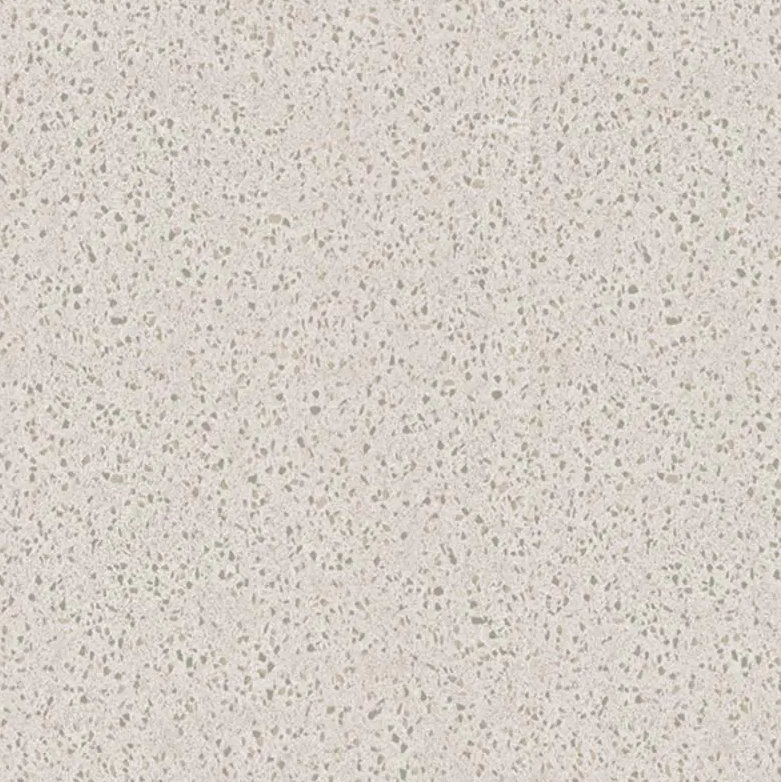
What makes it interesting from an industry point of view is not a single strong function, but its ability to move across different uses without losing practicality. It adapts. Sometimes it protects. Sometimes it decorates. Sometimes it simply helps products survive handling and transport.
The applications are broad, and they often overlap rather than sit in neat categories.
There is a simple reason behind its wide usage: it behaves in a flexible way during processing and application.
It can be shaped without difficulty. It can wrap around objects without breaking structure. It can also remain transparent or be adjusted for appearance depending on the requirement.
This means manufacturers do not need to redesign systems around the material. Instead, the material fits into existing processes.
In many cases, it is chosen not because it is the most advanced option, but because it integrates smoothly into production and end use.
Packaging is probably the most visible application, even if users do not notice it directly.
PVC soft film is often used when products need to be seen but still protected. That balance matters in retail settings. A product has to be visible on the shelf, but also needs a layer that reduces dust, scratches, or minor contact damage.
It also works well when multiple items are grouped together. The film helps hold them in place without adding bulk or weight.
In storage conditions, its role becomes more practical. It acts like a simple barrier between the product surface and external contact. Nothing complicated, just a layer that reduces unwanted exposure.
Outside packaging, PVC film often appears as a temporary or semi-temporary protective layer.
Think of furniture waiting to be delivered, equipment stored in a warehouse, or materials waiting for installation. These items do not need permanent covering, but they do need protection during transition stages.
The film wraps around surfaces and follows shapes without resistance. That flexibility matters more than it seems. Rigid coverings often fail when surfaces are uneven or irregular.
Here, the film is less about strength and more about contact coverage. It stays close to the surface and reduces exposure to dust, friction, or light handling damage.
It can be removed quickly as well, which is important in environments where timing matters.
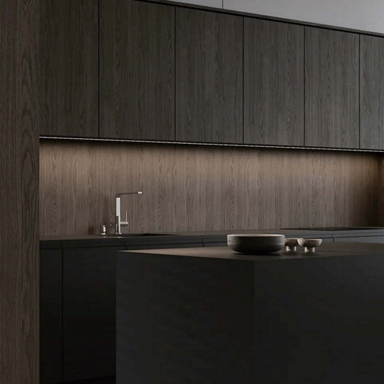
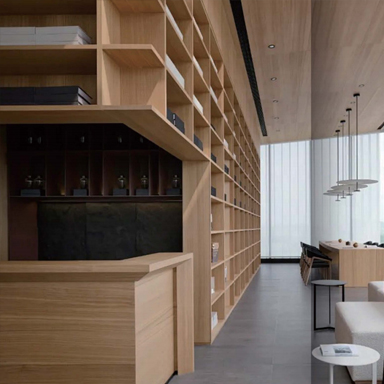
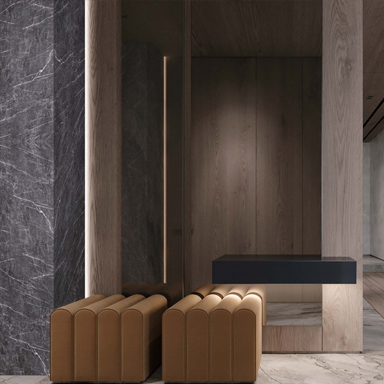
Interior applications often use the material in a different way. Instead of only protecting, it also contributes to appearance.
It can be applied on surfaces like panels, furniture layers, or decorative structures. The visual effect depends on how it is processed. Sometimes it looks clear and minimal. Sometimes it carries texture or color variation.
In real use, it often performs two roles at once. It improves appearance while also protecting the underlying surface from daily wear.
This combination is practical in spaces where both durability and design matter, especially in frequently used environments.
Outside industrial and interior spaces, PVC soft film also shows up in smaller, everyday objects.
It may be used in simple covers, storage items, or protective sleeves. These are not complex applications, but they rely on the same basic behavior: flexibility, light weight, and ease of handling.
In these products, the material is not there to perform heavy-duty tasks. It is there to make handling easier and extend usability slightly.
Even in simple items, it helps maintain shape and surface condition over time.
Transport introduces a different kind of challenge. Products move. They shift. They come into contact with other surfaces repeatedly.
PVC film is sometimes used as a protective wrap in this environment. It helps reduce direct friction between surfaces during movement and stacking.
It also keeps grouped items together in a loose but stable way. Not rigid, but enough to reduce separation during handling.
The value here is subtle. It does not prevent all damage, but it reduces small surface issues that often appear during repeated transfer stages.
PVC Film China is rarely limited to a single function when used in more advanced applications.
It can be combined with other materials. Paper layers, foam structures, or other plastic films may be integrated depending on the requirement.
In these combinations, it often plays a supporting role rather than a structural one.
It contributes surface behavior, flexibility, or protective balance while other layers handle strength or rigidity.
This layered approach allows designers and manufacturers to adjust performance without changing the entire system.
| Area of use | How it appears in practice | Main role |
|---|---|---|
| Packaging | Product wrapping and grouping | Visibility and light protection |
| Surface protection | Temporary covering of items | Dust and contact reduction |
| Interior finishing | Panels and surface layers | Appearance and wear resistance |
| Consumer items | Covers and storage products | Flexibility and handling support |
| Logistics | Transport wrapping | Movement protection |
| Layered systems | Combined materials | Functional support layer |
Materials often gain or lose attention depending on trends in manufacturing. PVC film stays present not because it dominates any one field, but because it continues to fit into many small roles.
It is adaptable. It does not require major changes in production methods. It can be adjusted for different thicknesses, appearances, and handling requirements.
That flexibility makes it easy to keep using even as product designs evolve.
In many cases, industries do not replace it directly. They adjust how they use it.
Over time, applications tend to shift rather than disappear.
In some areas, the material is being used in thinner forms. In others, it is integrated into more complex layered systems.
There is also a gradual shift toward combining it with different protective or decorative materials, depending on end-use needs.
Instead of being tied to one fixed application, it moves between roles as requirements change.
This slow evolution keeps it present in both traditional and newer product designs.
PVC soft film continues to appear across packaging, protection, decoration, and logistics without drawing much attention. Its role is not defined by a single strong feature, but by how easily it fits into many different working environments.
Contact us








+86-15726853660 / +86-18301913645
No. 99, Jinxiang Road, Hubin New District, Suyu, Suqian City, Jiangsu Province, China

Decorative Film Materials

 English
 Français
 Español
 عربى
عربى
 русский