+86-15726853660 / +86-18301913645
+86-15726853660 / +86-18301913645
A PVC film factory is often mentioned in packaging, decoration, and industrial supply chains. Yet the actual output behind this term is not always clear to buyers or new industry observers. The word "film" sounds simple, but in practice it covers a wide range of materials with different looks, functions, and end uses.
Inside such a factory, production is less about a single product and more about variations of the same base material. Thickness, surface feel, transparency, flexibility, and application style all change the final result. What leaves the production line may look similar at glance, but behaves very differently in real use.
PVC film refers to a flexible plastic sheet made from a polymer base. It can be soft, semi-rigid, or more structured depending on how it is processed.
In daily life, it appears in many unnoticed forms. It can wrap products, cover surfaces, or act as a protective layer. It can also be decorative, adding color or texture to flat surfaces.
Inside a factory setting, the focus is not just on making "a film," but on controlling how that film behaves. Some versions stretch easily. Others resist bending. Some are clear, while others are opaque or patterned.
The same base material can shift into very different product categories depending on how it is shaped during production.
A PVC film factory usually produces several product families rather than a single output. Each serves a different purpose and market.
This type is soft and adaptable. It bends easily and can wrap around irregular shapes. It is often used in packaging and protective covering.
Its appeal lies in its ability to conform without breaking or losing structure.
This version sits between soft and hard. It holds shape better while still allowing some flexibility. It is often chosen when structure is needed but full rigidity is not required.
It appears in display materials, covers, and layered product designs.
Clarity becomes the main feature here. Light passes through with minimal distortion. This makes it suitable for packaging where visibility matters.
It is also used when product presentation is part of the design purpose.
Color is added for visual impact or functional separation. It can be uniform or layered, depending on application needs.
In many cases, color is not only decorative. It can help identify categories or usage zones.
One of the important aspects of PVC film production is surface variation. The same base material can take on completely different appearances.
Factories often adjust surface texture during processing. This can create:
These changes affect more than appearance. They influence how the film interacts with light, touch, and surrounding materials.
A textured film may hide scratches better. A glossy one may highlight visual detail. A matte surface may feel more subdued and practical in certain environments.
Packaging is one of the visible uses of PVC film production. In this area, the material is expected to balance protection and presentation.
Products wrapped in film need to remain visible while also being shielded from dust, moisture, or minor physical contact.
PVC film in packaging often appears in forms such as:
The factory's role is to ensure consistency. A packaging film must behave the same way across large batches. Any variation can affect how products are stored or displayed.
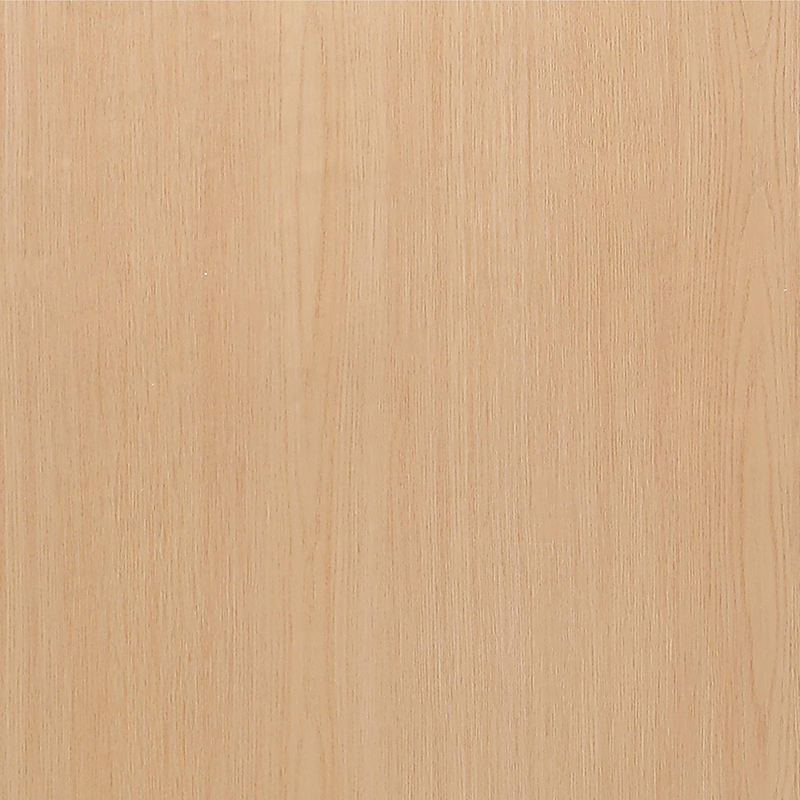
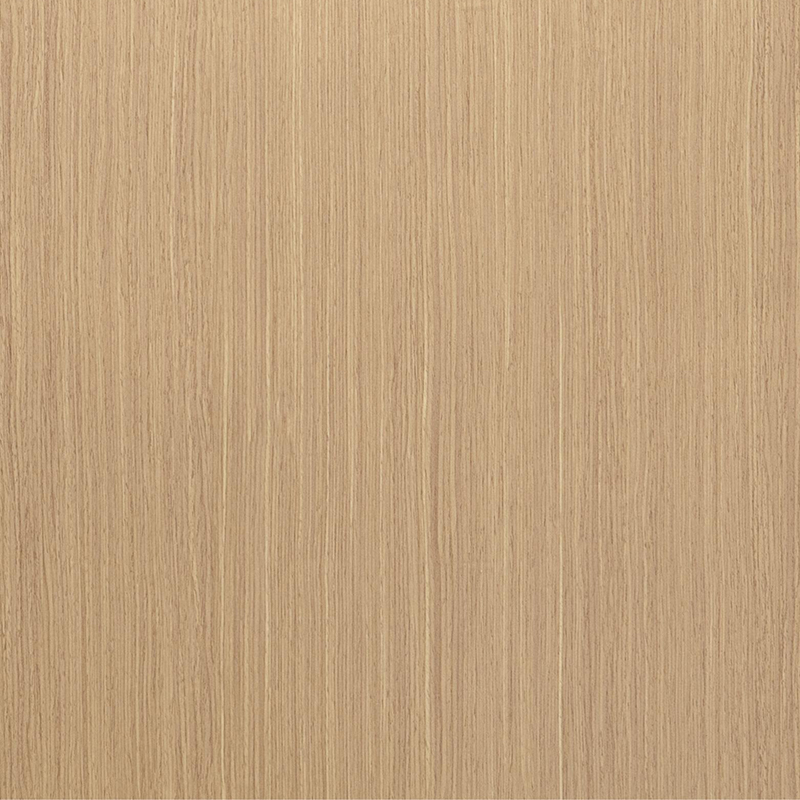
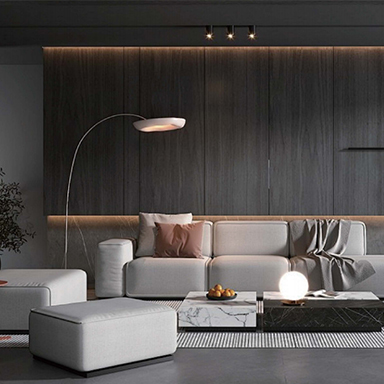
Beyond packaging, PVC film also plays a role in interior and surface design. It is often applied to flat surfaces to change appearance without replacing the base material.
In this context, the film acts as a visual layer. It can imitate textures, add color, or create a uniform surface finish.
Common uses include:
The appeal here is flexibility. Instead of replacing entire structures, a film layer can shift the look of a surface with less effort and lower material use.
Factories producing decorative film often focus heavily on visual consistency. Even small variations in tone or texture can be noticeable when applied across large surfaces.
Industrial applications tend to focus more on function than appearance. Here, durability and stability become more important than design.
PVC film may be used as:
In these environments, the film is expected to resist wear from movement, contact, or environmental exposure.
Factories producing industrial-grade film often pay close attention to stability across batches. A small change in performance can affect how the material behaves under pressure or friction.
A PVC film factory does not operate as a single-line output system. Instead, production is adjusted based on order type and intended use.
Different customers may request different combinations of:
This means production lines must be adaptable. Machines are adjusted, materials are blended, and output is checked repeatedly during runs.
Quality control is not only about final inspection. It happens throughout the process. Small shifts in temperature, material flow, or timing can change the final product behavior.
Factories often rely on repeat testing across batches to maintain consistency.
Making PVC film relies on more than a single raw material; different ingredient mixes directly decide how the finished film performs.
The base polymer sets the basic structure of the film. Extra additives control its softness, transparency and service life, while surface‑treatment materials change its look and touch.
Even tiny changes to the formula can make obvious differences to how bendable or clear the final film is.
With this blended‑ingredient method, manufacturers can make many kinds of PVC film using one standard production line, instead of building totally separate processes for each product.
Keeping product quality steady is a major difficulty when making PVC film in bulk. Big‑batch orders need every roll to stay the same from start to finish.
Manufacturers keep checking these key points non‑stop during production:
These quality checks run while production is ongoing, not only after the film is finished.
Even if products look nearly identical, small differences may still happen. The main aim is to keep these minor variations within safe ranges so they won't affect real‑world use.
What kinds of PVC film a factory makes mainly depends on market demand. Packaging needs, popular design styles and industrial application requirements all guide production choices.
When packaging‑grade film is in high demand, factories produce more soft, see‑through types. If interior decoration trends change, decorative PVC films become more popular.
Manufacturers adjust their product focus to match these shifting market needs. A single factory can switch between different film types without rebuilding its main production equipment.
This high flexibility is why PVC film is still widely used in many different industries today.
The wide range of PVC film products comes from its flexible base nature. It is not limited to a single purpose.
Instead, it acts as a material platform that can be shaped into different roles. A factory may produce packaging film one day and decorative sheets the next, using similar core processes but different settings.
This versatility is what defines PVC film manufacturing more than any single product description.
It is not just about what comes out of the factory. It is about how many different forms the same material can take once controlled, adjusted, and shaped for specific use.
Contact us


+86-15726853660 / +86-18301913645
No. 99, Jinxiang Road, Hubin New District, Suyu, Suqian City, Jiangsu Province, China

Decorative Film Materials

 English
 Français
 Español
 عربى
عربى
 русский