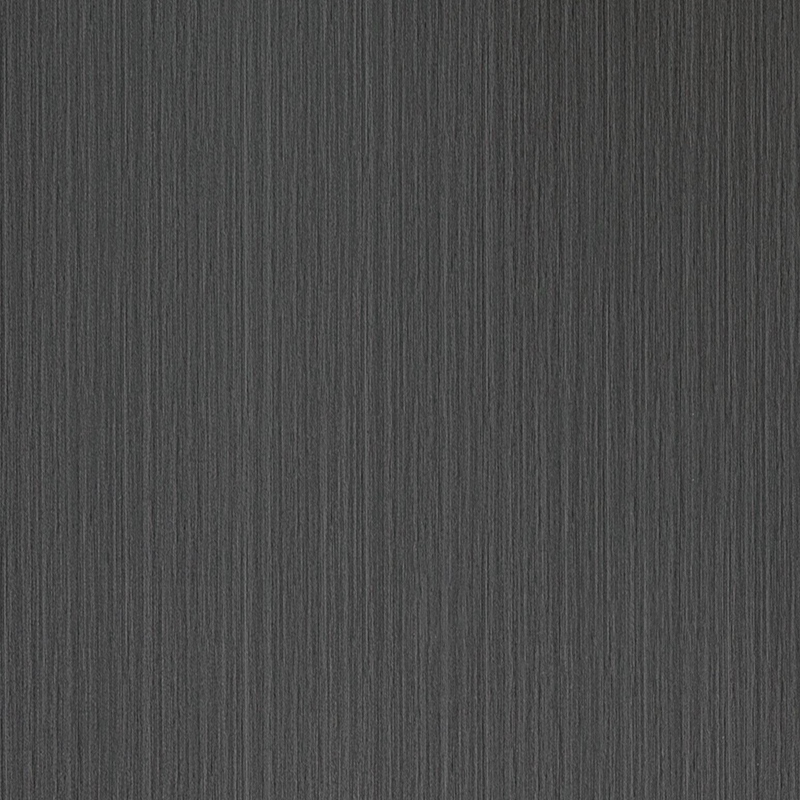
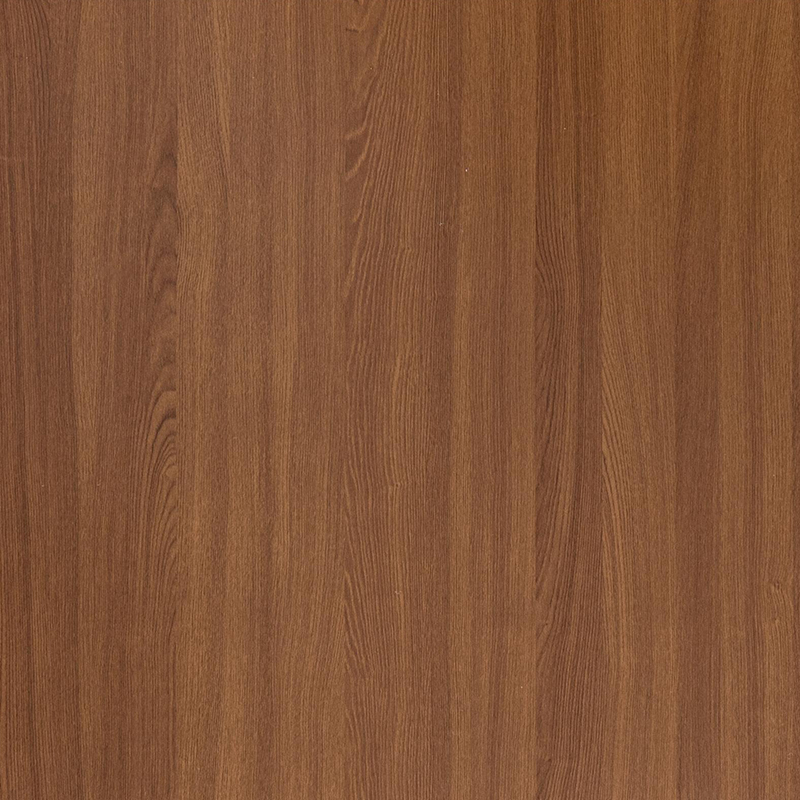
Wall updates often look simple from the outside. A new color, a different pattern, and the room feels refreshed. In practice, small details tend to decide whether the result feels smooth or slightly off. Self Adhesive Wallpaper is one of those options that seems easy at first, but benefits from a bit of planning before getting started.
It is widely used in everyday residential spaces, from rental apartments to long term homes. People choose it for different reasons. Some want a quick change, others want something that can be removed later. Whatever the reason, it helps to understand how it behaves in real situations rather than relying only on how it looks in photos.
The Starting Point Is Always the Surface
Before thinking about design or price, it makes sense to check the wall itself. This step is often skipped, but it influences almost everything that follows.
A smooth, dry wall gives the material a stable base. If the surface has dust, grease, or uneven texture, the adhesive may not perform in the same way.
| Wall Condition |
What Usually Happens |
| Smooth and clean |
Easier to install, more even finish |
| Slightly uneven |
May need extra care during smoothing |
| Rough or textured |
Edges may lift over time |
| Dusty or oily |
Adhesion may not hold consistently |
Cleaning the wall with a dry or slightly damp cloth and letting it fully dry is often enough for basic preparation.
Material Choice Shows Up During Use
Many products look similar when rolled up, but differences become clearer during installation and daily use.
Some materials feel thicker and slightly more rigid. Others are thinner and easier to handle. Neither is automatically better. The choice depends on where and how it will be used.
| Material Direction |
Practical Features |
Suitable Areas |
| Vinyl based |
Flexible, more resistant to moisture |
Kitchens, entry areas |
| Paper based |
Lightweight, softer feel |
Bedrooms, low activity rooms |
| Textured surface |
Adds depth to the wall |
Accent areas |
| Smooth coated |
Easier to wipe clean |
Hallways, workspaces |
Instead of focusing only on appearance, it helps to match the material with the environment.
Design Looks Different After Installation
Choosing a pattern on a screen or from a sample is one thing. Seeing it across a full wall is another.
Some changes people notice after installation:
- Light colors can make a room feel more open
- Large patterns may draw more attention than expected
- Repeating designs require careful alignment
- Neutral tones are easier to combine with furniture
Lighting also plays a role. A wall that looks soft in daylight may appear more defined under artificial lighting in the evening. Thinking about both conditions can help avoid surprises.
Installation Is Simple, But Not Instant
The main appeal of this product is the direct application. There is no need for additional paste, which saves time. Still, the process benefits from a steady pace.
A common workflow:
- Measure and plan placement
- Cut pieces with a small extra margin
- Peel the backing gradually
- Apply from top to bottom
- Smooth the surface as you go
During installation, a few things may happen:
- Small air bubbles appear
- Edges shift slightly out of line
- Corners need extra attention
These are normal and can usually be adjusted during the process. Working in smaller sections often makes it easier to control the result.
Removal Depends on Conditions
Flexibility is one of the reasons many homeowners consider this option. Being able to remove it later can be useful, especially in temporary living spaces.
However, removal does not always look the same.
Factors that affect the result:
- How long the material has been on the wall
- The condition of the paint underneath
- Temperature and humidity in the room
- Adhesive characteristics
In some cases, it comes off with little change to the wall. In others, small areas of paint may lift, especially if the original surface was not stable. Testing a small section first is often a practical step.
Maintenance Is Part of Daily Use
After installation, the surface does not require complicated care, but a few habits can help maintain its condition.
Typical maintenance:
- Wipe gently with a soft cloth
- Avoid strong cleaning chemicals
- Check edges from time to time
- Keep sharp objects away from the surface
In spaces where walls are used more frequently, such as kitchens or corridors, occasional cleaning helps keep the appearance consistent.
Cost Should Be Viewed as a Process
The price of the material is only one part of the overall effort. Other elements can influence the total cost in practice.
These may include:
- Time spent preparing the wall
- Basic tools for cutting and smoothing
- Extra material for alignment
- Effort needed during removal
Looking at the full process provides a more balanced understanding than focusing on the purchase alone.
Different Homes Use It in Different Ways
The way wallpaper is used often depends on the living situation.
In rental properties:
- Temporary use is often preferred
- Easy removal becomes important
- The original wall condition needs to be preserved
In long term homes:
- Durability becomes more relevant
- Maintenance is part of daily use
- Consistency in design may be considered
For decorative purposes:
- One wall may be enough to change the look
- Patterns and textures become more noticeable
- Flexibility in future changes is useful
Matching the product to the situation usually leads to a better experience.
Indoor Environment Can Influence Performance
After installation, some materials may have a light odor that fades with time. Ventilation during and after application helps improve comfort.
Other factors include:
- Airflow in the room
- Exposure to moisture
- Temperature changes
These conditions can affect how the material behaves over time, especially in areas like kitchens or bathrooms.
Comparing With Other Wall Finishes
It can be helpful to place this option alongside other common methods.
| Method |
Installation |
Flexibility |
| Self adhesive wallpaper |
Direct application |
Easier to change |
| Traditional wallpaper |
Requires paste |
Less flexible |
| Paint |
Multiple steps |
Requires repainting |
Each method suits different needs depending on how permanent the change is.
Common Misunderstandings
Some expectations may not match real situations:
- It will stick the same way on all surfaces
- Wall preparation is not necessary
- It can be reused many times without change
- All products behave the same way
Planning Before Starting
- Measure the wall carefully
- Check if the surface is clean and stable
- Think about how the room is used
- Observe lighting during different times of day
- Prepare a small extra amount of material
Everyday Use Examples
A small apartment update
A tenant wants to refresh the space without making permanent changes. A lighter design can improve the overall feel.
A kitchen wall
A surface that is easier to clean is used in areas where spills may occur.
An accent wall
One wall is used to introduce a different look, while the rest of the room remains simple.
Practical Tips
- Do not remove all the backing at once
- Smooth the surface gradually
- Check alignment before pressing firmly
- Keep extra pieces for small fixes
These small steps can help achieve a more even result.
Over time, environmental conditions and daily use can influence how the material performs. Some installations remain stable for longer periods, while others may need adjustment depending on the space.
Thinking about how long the wallpaper is expected to stay in place can help guide the initial decision.
Wall updates are often about balancing appearance with practicality. Self Adhesive Wallpaper offers a flexible option for many situations, but the result depends on how it is applied and where it is used.
By paying attention to surface condition, material choice, and installation steps, homeowners can approach the process with clearer expectations and achieve a result that fits everyday use.





 English
 Français
 Español
 عربى
عربى
 русский