+86-15726853660 / +86-18301913645
+86-15726853660 / +86-18301913645
PVC lamination film appears in many everyday products, though it often goes unnoticed. It sits on surfaces, wraps around panels, and protects printed layers. People see the final result more than the material itself. Still, its role is hard to ignore once you look closely.
In recent discussions across manufacturing and design circles, this material keeps coming up. Not because it is new, but because its use keeps shifting. It moves between industries, adapts to new styles, and responds to changing expectations. That makes it worth a closer look.
PVC film is a thin, flexible layer used to cover or bond onto another surface. It is applied through heat or pressure, sometimes both. Once attached, it forms a protective and decorative outer skin.
The film itself can be clear or patterned. It may carry colors, textures, or simple finishes. In some cases, it is barely visible. In others, it becomes the main visual element.
What matters is how it interacts with the surface beneath it. It does not replace the base material. It enhances it, protects it, or changes how it looks and feels.
There is no single reason. Its appeal comes from a mix of practical and visual benefits.
It can help extend the life of a surface. It can also change how that surface appears without replacing the base layer. This makes it useful in situations where both durability and appearance matter.
Another reason is adaptability. The same type of film can be used in different ways. It may appear on furniture one day and on packaging the next. That flexibility allows it to fit into many production lines without major changes.
It also supports faster finishing processes. Instead of painting or coating in multiple steps, a laminated layer can achieve a similar effect in less time.
Application methods vary depending on the product and the surface. Some processes rely on heat to soften the film and bond it smoothly. Others use pressure to ensure a tight connection.
In many cases, the film is fed through machines that guide it over flat or shaped surfaces. As it passes through, it conforms to edges and corners.
Manual handling still exists in smaller setups. Workers align the film carefully, making sure there are no bubbles or gaps. The process requires attention, even when supported by machines.
Below is a simple comparison of common approaches:
| Application Method | Typical Use Scenario | Key Feature |
|---|---|---|
| Heat-based | Decorative panels | Smooth surface finish |
| Pressure-based | Flat materials | Strong bonding effect |
| Combined process | Complex shapes | Better edge coverage |
| Manual handling | Small-scale production | Flexible adjustment |
Its presence spreads across several industries. Some uses are visible, others less so.
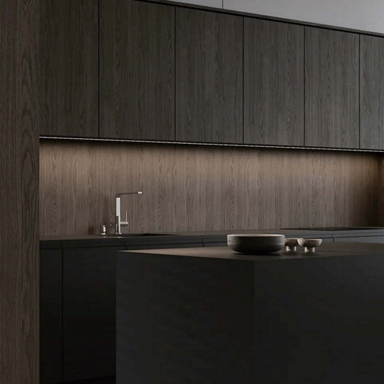
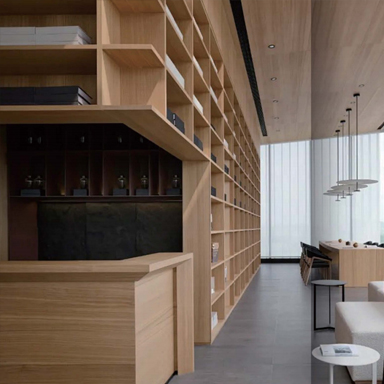
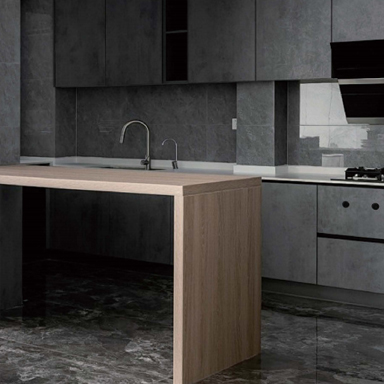
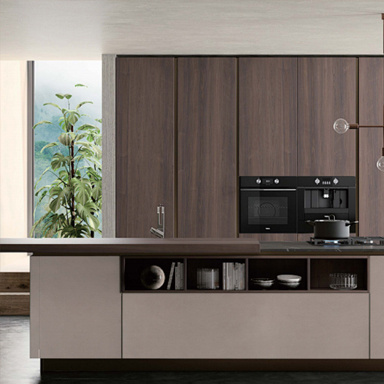
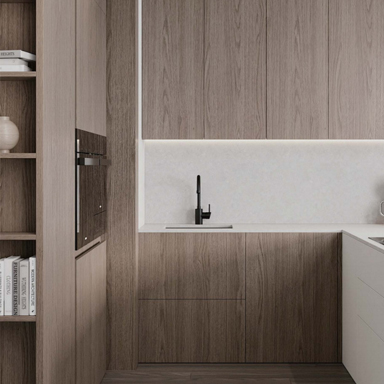
In furniture production, it covers boards and panels. It gives them a finished look while protecting the surface from daily wear. It also allows designers to explore different textures without changing the core material.
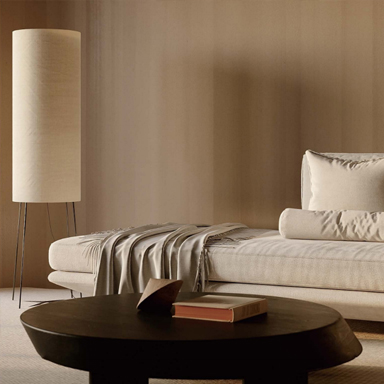
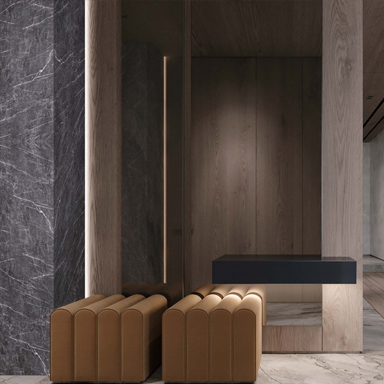
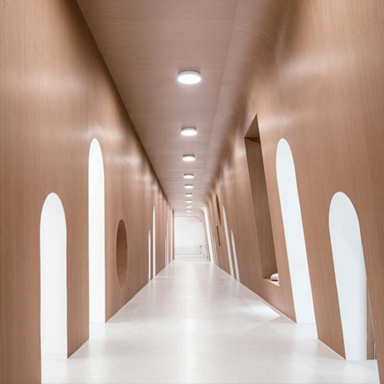
In interior decoration, it appears on wall panels, doors, and trims. It helps create uniform surfaces across large areas. At the same time, it can imitate natural patterns or simple solid tones.
Packaging is another area where it plays a role. It adds a layer that protects printed designs and improves handling. It can make packaging feel smoother or slightly textured, depending on the need.
In printed materials, it is used to seal and protect surfaces. This includes items that need to last longer under frequent handling.
Appearance is one of its noticeable effects. A plain board can look very different after lamination.
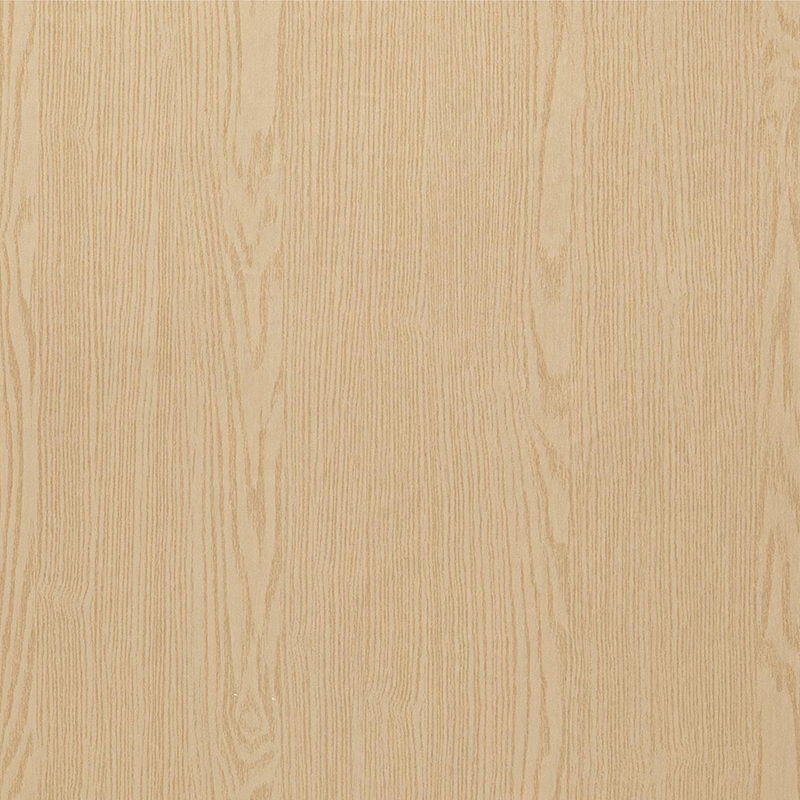
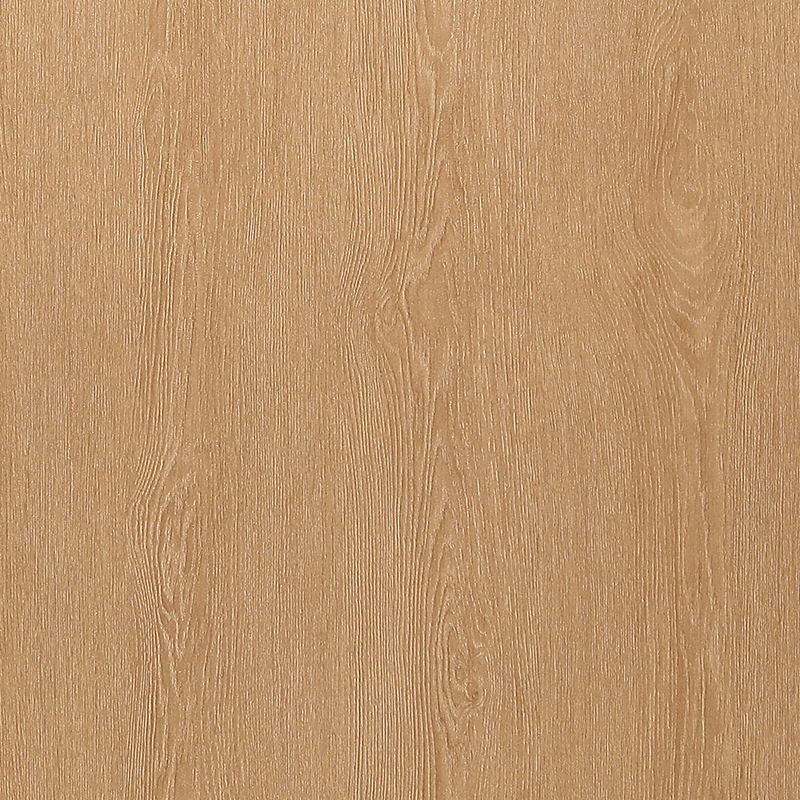
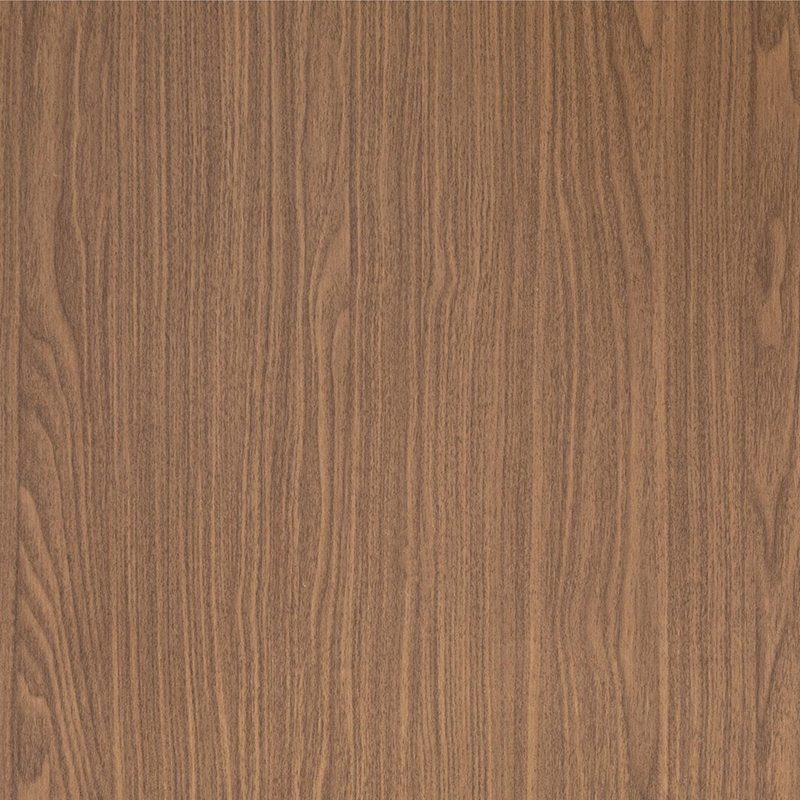
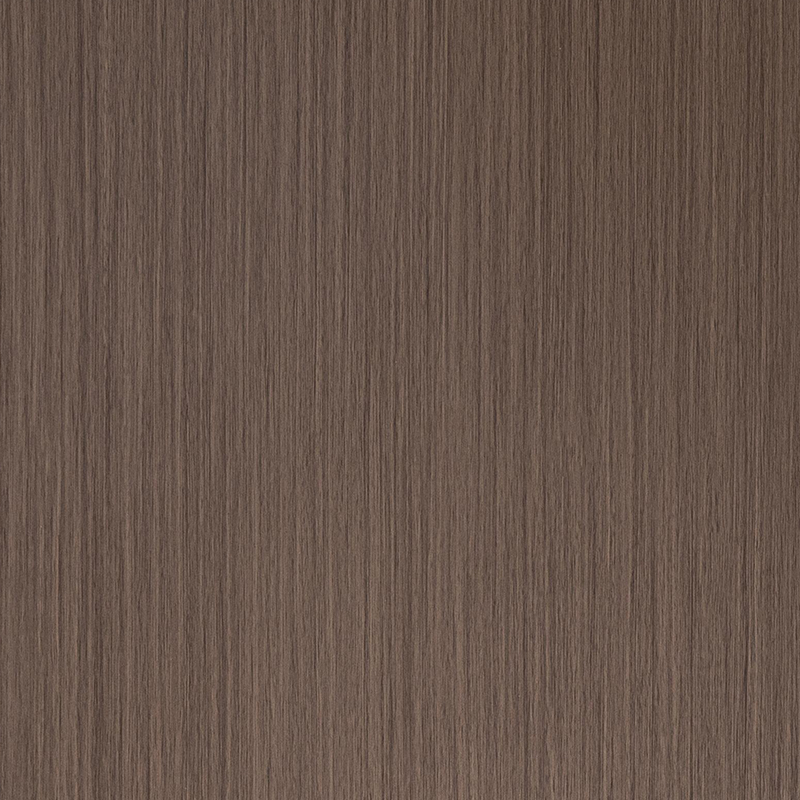
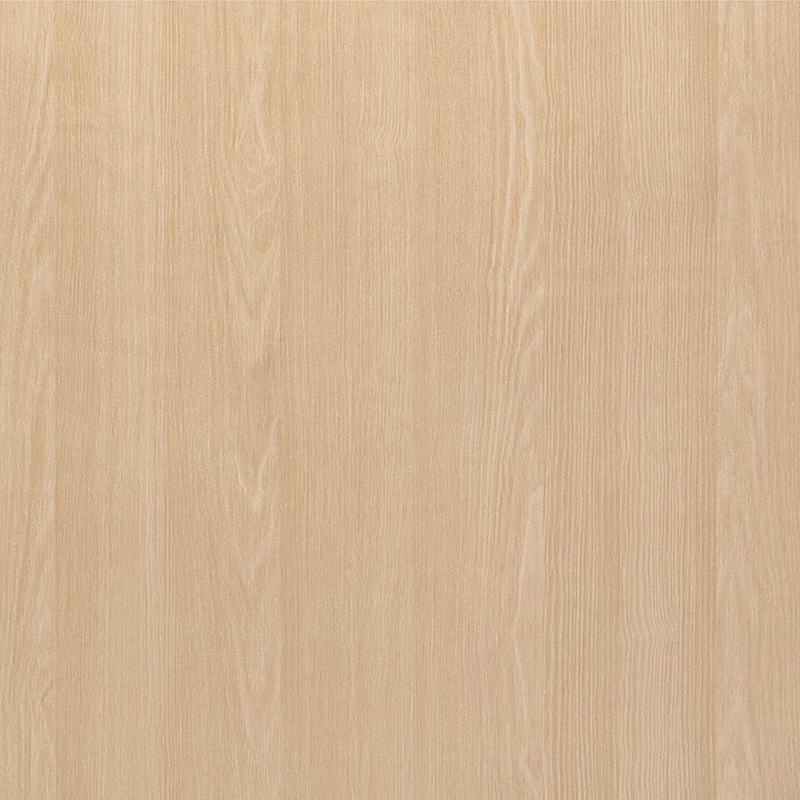
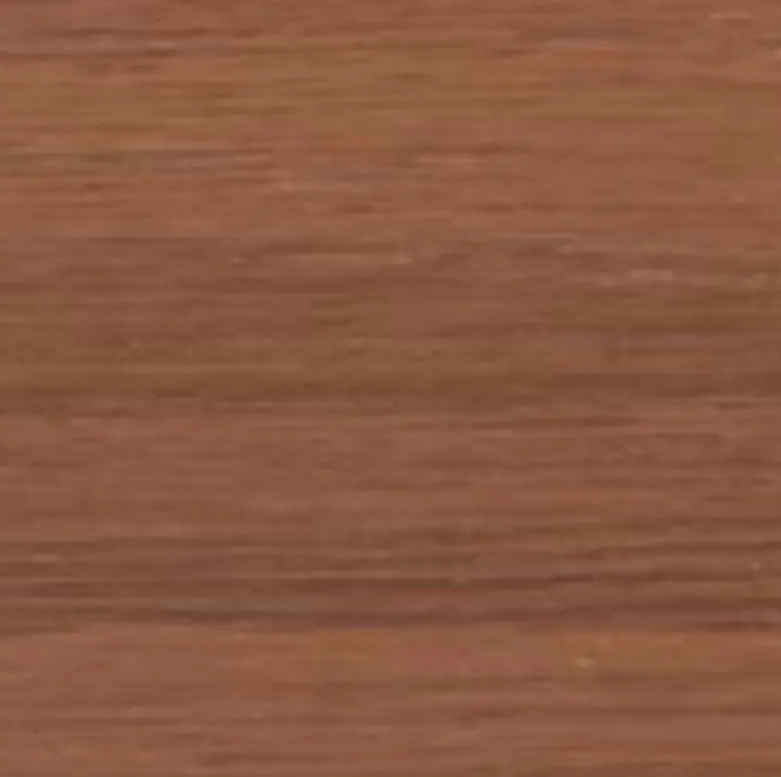
The film can carry patterns that resemble wood, stone, or fabric. It can also offer matte or glossy finishes. Each choice changes how light interacts with the surface.
Texture matters as well. Some films create a soft touch, while others feel more rigid. These subtle differences affect how people perceive the final product.
Color stability is another point. The laminated layer helps maintain consistent tones across multiple items. This is useful in large production runs where uniformity is expected.
Durability often comes up in discussions about surface materials. PVC film contributes in several ways.
It forms a barrier against minor scratches and everyday wear. It also reduces direct exposure to moisture or dust. This does not make the product immune to damage, but it helps slow down visible aging.
In environments where surfaces are handled often, this added layer becomes more noticeable. It helps maintain a cleaner look over time.
Still, durability depends on how the film is applied and how the product is used. A well-applied layer performs differently from one that is poorly attached.
Comparisons often come up, especially with other decorative films. Each type has its own characteristics.
PVC film is known for its flexibility. It can adapt to curves and edges more easily than some alternatives. This makes it suitable for shaped surfaces.
Other films may focus more on stiffness or clarity. They might perform better in flat applications or where a different finish is needed.
The choice often depends on the intended use. Instead of one option replacing another, they tend to serve different purposes.
No process is without issues. Lamination can face several common challenges.
Air bubbles may form if the film is not aligned properly. Uneven pressure can to weak bonding in certain areas. Edges may lift if the surface is not prepared well.
Temperature control also matters. Too much heat can affect the film's appearance. Too little may reduce adhesion.
These challenges are usually addressed through careful setup and monitoring. Experience plays a role in achieving consistent results.
Its continued use is not only about function. It also supports creative flexibility.
Designers can experiment with different looks without changing base materials. Manufacturers can maintain consistent output across large volumes.
It also fits into existing workflows without major disruption. This makes it practical for both small workshops and larger production lines.
The balance between appearance and function keeps it relevant. It does not draw attention to itself, yet it shapes how many products are perceived.
Recent conversations often focus on materials that combine practicality with visual appeal. PVC film fits into that space.
There is also growing attention on how materials are used rather than just what they are. In this context, lamination becomes part of a broader approach to surface design.
Some discussions look at how to reduce waste or improve efficiency during application. Others explore how finishes influence user experience.
The material itself stays familiar, but the way it is used continues to evolve.
Contact us

+86-15726853660 / +86-18301913645
No. 99, Jinxiang Road, Hubin New District, Suyu, Suqian City, Jiangsu Province, China

Decorative Film Materials

 English
 Français
 Español
 عربى
عربى
 русский