+86-15726853660 / +86-18301913645
+86-15726853660 / +86-18301913645
A glass door can be more than an entrance. It can also become a place for decoration, communication, branding, or privacy.
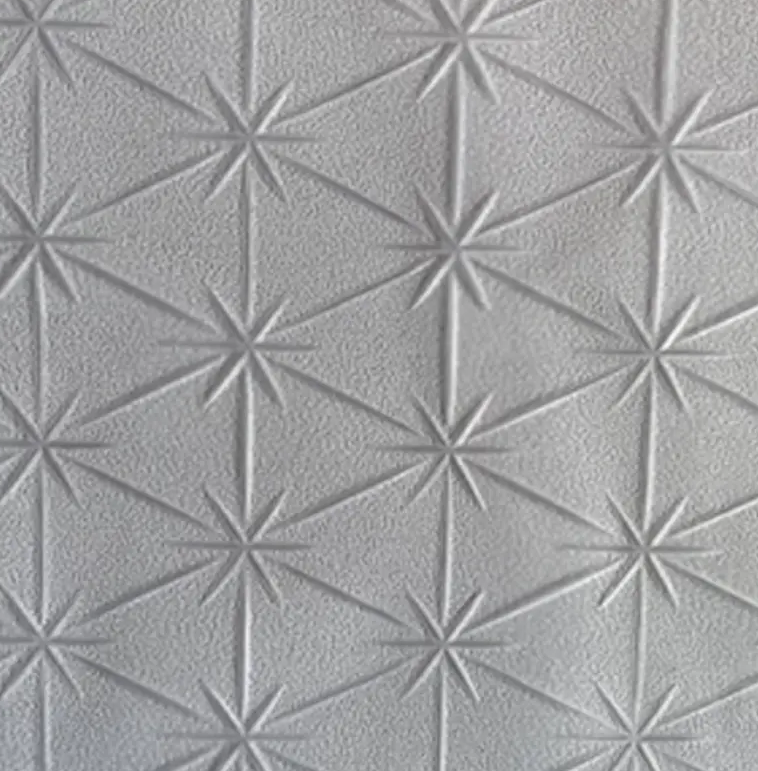
This is where a Door Window Cling can offer a practical option. It is a type of graphic or decorative film designed to adhere to smooth glass surfaces without relying on permanent installation methods. Depending on the design and purpose, it can change the appearance of a glass door while keeping the underlying surface intact.
It can appear in retail stores, offices, homes, restaurants, temporary spaces, and other environments where glass surfaces are part of the interior or exterior design.
Their appeal comes partly from flexibility. A glass door can look different for a seasonal promotion, a decorative update, or a privacy-related purpose without requiring a permanent change to the door itself.
As businesses and property users pay more attention to adaptable space design, window clings are becoming an interesting part of the discussion around glass decoration.
It is a decorative or informational graphic designed for application to a glass door or similar smooth surface.
Unlike permanent signs or fixed decorative elements, a cling can generally be applied and removed with less disruption to the underlying surface.
The design can contain text, patterns, illustrations, images, or simple visual elements. Its appearance depends on the intended application.
Some clings are designed mainly for decoration. Others may communicate information or help create a visual boundary.
A typical use may involve a clean glass door receiving a printed or decorative cling.
The result can change the appearance of the space without replacing the glass or modifying the door itself.
This makes the product relevant to both commercial and residential environments.
The concept is simple, but the possible applications are broad.
| Door Window Cling Use | Typical Purpose |
|---|---|
| Storefront Display | Attracts attention and communicates visual information |
| Office Door | Adds decoration or helps create visual separation |
| Home Decoration | Changes the appearance of glass doors |
| Seasonal Display | Supports temporary decorative themes |
| Privacy Application | Reduces direct visibility through glass |
| Promotional Display | Presents messages or visual content |
| Event Decoration | Adds temporary graphics to a space |
The suitable design depends on the surface, environment, and purpose.
The basic idea is straightforward.
The cling is placed against a smooth glass surface and held in position through its surface characteristics. Unlike a traditional permanent adhesive sign, some window clings are designed to be repositionable or removable.
This creates an important difference in how the product is used.
A permanent graphic may be chosen when a business wants a long-term installation.
A cling may be more appropriate when the design is expected to change.
This is particularly useful for seasonal decoration.
A store may want one visual theme during a holiday period and another design later. An office may update its glass doors when the interior design changes. A homeowner may want to experiment with decoration without making a permanent alteration.
The application process is also part of the product experience.
The glass should generally be clean and suitable for the intended material. The cling is then positioned carefully on the surface.
A neat application can help the graphic look more integrated with the door.
The simplicity of the process is one reason window clings can be attractive for temporary visual changes.
The retail environment is one obvious application.
Glass doors and windows are already visible from outside a store. A cling can turn this unused surface into part of the visual display.
Retailers may use graphics to communicate a seasonal theme, highlight a promotion, display opening information, or simply create a more distinctive entrance.
Offices are another useful setting.
Modern offices often contain glass doors and partitions. While these surfaces can create an open feeling, they may also provide limited visual privacy.
A decorative cling can help create a visual boundary.
It can also add character to an otherwise plain glass surface.
Homes offer another area of use.
Glass patio doors, shower doors, interior glass doors, and other smooth surfaces can become part of a home's decorative scheme.
Instead of changing the door itself, a homeowner can introduce a pattern or visual element through a cling.
Restaurants and hospitality spaces can also use them.
A glass entrance may need to communicate a particular atmosphere. A simple decorative graphic can contribute to that impression without requiring a permanent redesign.
Events provide another temporary application.
Glass doors can be decorated for a particular occasion and then returned to their original appearance afterward.
This temporary nature can be valuable when a space has to serve different purposes at different times.
Yes, privacy is one of the interesting applications.
Clear glass provides visibility. In some spaces, that openness is useful. In others, it can make people uncomfortable.
A window cling can introduce a visual barrier without completely changing the glass.
The effect depends on the design.
A patterned cling may obscure direct views while still allowing some light into the space.
A more visually dense design can create a stronger sense of separation.
This gives users more options than simply covering a glass door with an opaque material.
Privacy clings can be useful in:
Privacy does not always need to mean complete visual blocking.
Sometimes a partial pattern is enough to signal that a space is separate.
This makes design an important part of the product.
A glass door is often one of the surfaces a customer sees.
That makes it a natural place for visual communication.
A business can use a Door Window Cling to introduce a brand message, seasonal theme, service announcement, or promotional graphic.
The advantage is that the existing door becomes part of the communication space.
No additional sign structure is necessarily required.
The design can also be changed as the business changes.
For example, a retailer may use one graphic for a seasonal campaign and replace it with another design later.
This creates a flexible approach to storefront communication.
However, promotional graphics should remain easy to understand.
Too much information can make a door look crowded.
A simple visual message may be more effective than a complicated design.
| Business Application | Possible Function |
|---|---|
| Store Entrance | Introduces visual messaging |
| Restaurant Door | Supports atmosphere and promotion |
| Office Entrance | Displays company information or decoration |
| Service Counter Area | Communicates selected information |
| Temporary Retail Space | Creates a customized appearance |
| Event Venue | Supports themed decoration |
The value of a cling is therefore not limited to decoration.
It can combine visual design with practical communication.
Flexibility is one of their main attractions.
Permanent decoration can involve more planning.
A temporary display requires a different approach.
Businesses often need to change visual content. Seasonal campaigns come and go. Events have limited durations. Retail displays are regularly refreshed.
It can fit this type of environment because it is designed around change.
The glass door remains the same.
Only the surface appearance changes.
This can also appeal to renters.
A tenant may want to personalize a space without making a permanent modification.
A removable decorative treatment can provide that option.
The same concept applies to temporary offices and event venues.
The space can be adapted for a particular purpose and then returned to its previous appearance.
This makes window clings part of a wider trend toward flexible interior and storefront design.
The right cling depends on more than appearance.
The surface should be considered.
A smooth glass door may be suitable for a particular product, while another surface may require a different solution.
The purpose also matters.
A decorative cling does not necessarily serve the same function as a privacy cling.
A promotional graphic may have different design requirements from a residential pattern.
Several factors can help guide the selection.
Purpose:
Is the goal decoration, privacy, information, promotion, or a combination?
Design:
Does the graphic match the surrounding space?
Application:
Can the product be installed and removed in a practical way?
Surface:
Is the glass suitable for the intended cling?
Visibility:
Should the design be highly visible or subtle?
Replacement:
Will the graphic need to be changed regularly?
Environment:
Will the door be used indoors, outdoors, or in a location exposed to changing conditions?
These questions help move the decision beyond simple visual preference.
Glass surfaces are becoming more common in modern commercial and residential spaces.
They create openness and allow light to move through a room.
At the same time, large glass areas can sometimes feel visually plain.
This creates an opportunity for temporary surface decoration.
It can respond to that need without requiring major construction or replacement.
They can change a glass door from a simple functional surface into part of the room's visual identity.
For businesses, this may mean using glass doors for communication.
For offices, it may mean combining decoration with visual separation.
For homes, it may mean adding personal style.
For temporary spaces, it may mean creating a customized environment without permanent changes.
The concept also allows designs to evolve.
A space does not have to look the same throughout its entire use.
Visual elements can be replaced as needs change.
That flexibility is one reason Door Window Cling products can fit into different design strategies.
As glass continues to play a role in storefronts, offices, homes, and shared spaces, the demand for adaptable surface decoration can create new opportunities for window cling products.
Contact us

+86-15726853660 / +86-18301913645
No. 99, Jinxiang Road, Hubin New District, Suyu, Suqian City, Jiangsu Province, China

Decorative Film Materials

 English
 Français
 Español
 عربى
عربى
 русский