+86-15726853660 / +86-18301913645
+86-15726853660 / +86-18301913645
Interior walls often do more than divide a room. They also shape how people experience the space. A plain wall can make a room feel simple and open, while a patterned surface can immediately draw attention to a particular area.
This is where PVC wooden wallpaper can take on a useful design role.
Instead of covering every wall, homeowners and interior designers can use pvc wallpaper wooden on one selected surface. The wall then becomes an accent feature. It can introduce a wood-inspired appearance without making the entire room visually busy.
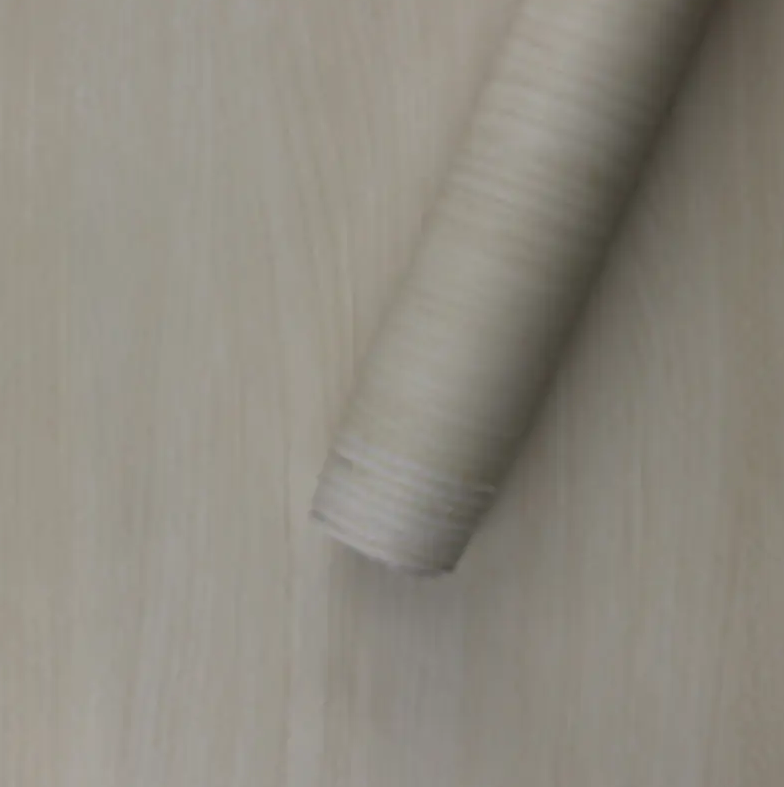
The idea is simple. Choose one wall, give it a distinct appearance, and let the surrounding space support the design.
This approach can work in living rooms, bedrooms, dining areas, offices, shops, and other interior settings. The final effect depends on the room layout, lighting, furniture, color choices, and the type of wood grain selected.
An accent wall is designed to attract attention without taking over the entire room. It gives the eye a natural point of focus.
PVC wooden wallpaper can support this idea because wood grain already has a strong visual identity. Lines, shades, and patterns create movement across the surface. Even when the surrounding walls remain relatively simple, one wood-inspired wall can add character.
This can be useful in rooms where the existing decoration feels too plain. Rather than adding many decorative objects, a homeowner can change the appearance of one wall.
The approach also gives people more freedom when planning an interior. A wood-inspired finish does not need to cover the whole room to have an effect.
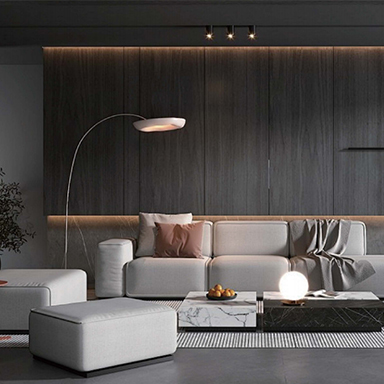
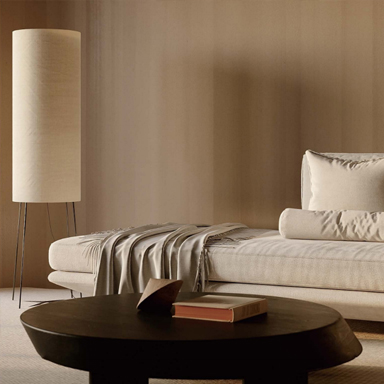
For example, a living room may have a simple wall behind the sofa. Applying PVC wooden wallpaper to this area can create a visual background for the furniture. In a bedroom, the wall behind the bed can become the main decorative surface. In a dining area, a selected wall can help define the eating space without requiring a physical divider.
The accent wall becomes part of the room's identity.
There is also a practical design advantage. Using the wallpaper on one wall can make it easier to combine a wood-inspired appearance with other colors and materials. The room does not have to look entirely wooden. Instead, the wood grain becomes one element within a wider design.
Not every wall has the same visual importance.
A suitable accent wall often has a clear relationship with the main activity or furniture in the room. It may sit behind a sofa, bed, dining table, reception desk, or another central feature.
The wall should also have enough visual space for the wood grain to be noticed. A very fragmented wall with many openings may make the pattern harder to appreciate.
Several locations can work well:
| Interior Area | Potential Accent Wall |
|---|---|
| Living Room | Wall behind the sofa or main seating area |
| Bedroom | Wall behind the bed |
| Dining Area | Wall beside or behind the dining table |
| Home Office | Wall behind the desk |
| Entry Area | Wall visible when entering the room |
| Shop | Wall behind a display or reception area |
| Office | Wall used for a visual background |
| Lounge | Wall behind the main seating arrangement |
The right choice depends on the room.
A wall that people naturally see when they enter the space may have a stronger design effect. A wall behind a major piece of furniture can also create a clear visual relationship.
The purpose is not to find a universal "correct" wall. It is to identify the surface that can benefit from additional visual interest.
Windows and doors also matter. If a wall contains many openings, the wood grain may be interrupted. That does not automatically make it unsuitable, but the pattern should be considered alongside the wall layout.
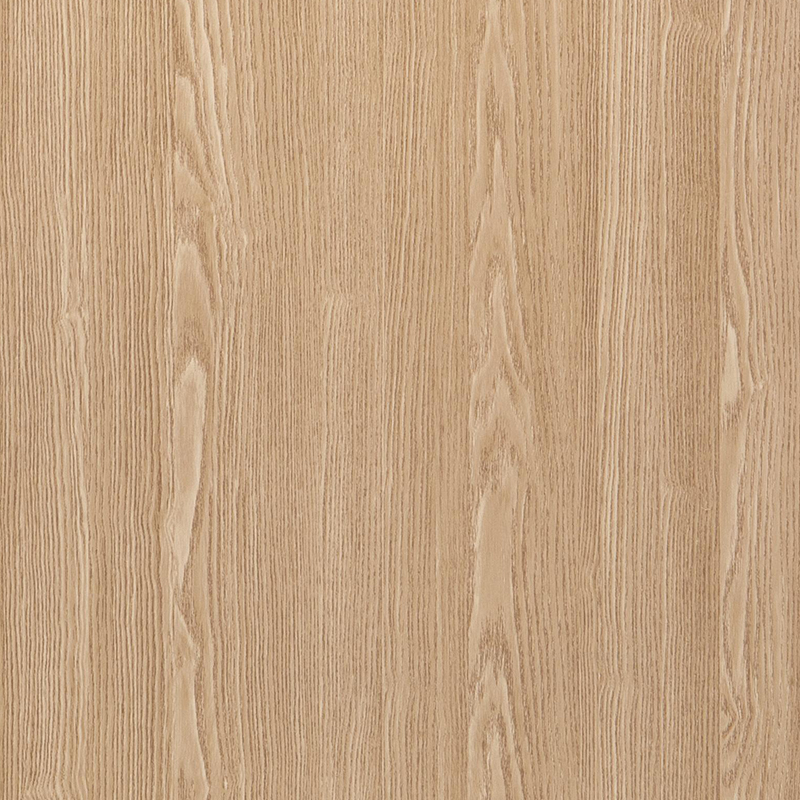
Wood grain has a visual connection with natural materials. Its lines and tonal changes can make a plain surface feel more layered.
PVC wooden wallpaper can use this visual language to introduce warmth without relying on a completely wood-covered interior.
The effect can change depending on the pattern.
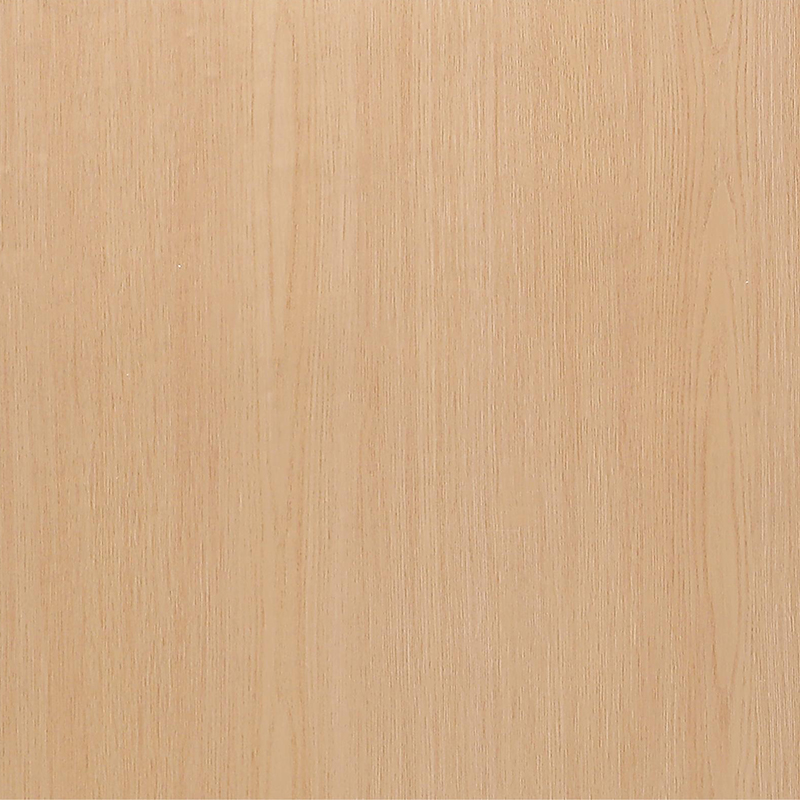
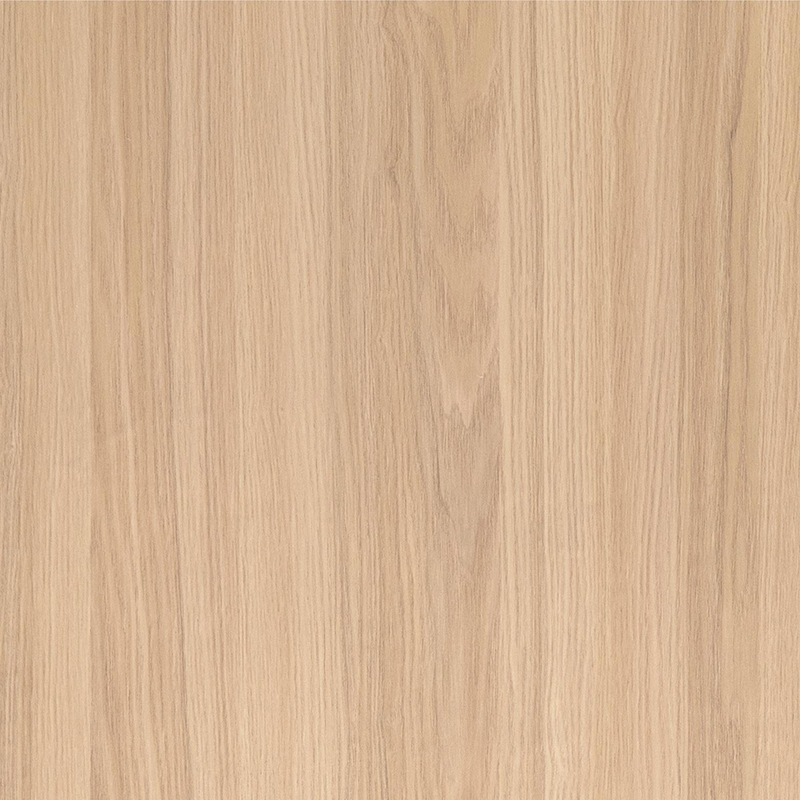
A subtle grain may create a calm background. A more visible grain can become a stronger decorative feature. Lighter wood-inspired appearances may contribute to an open and relaxed feeling, while darker visual styles can create a more grounded atmosphere.
The direction of the grain also influences perception.
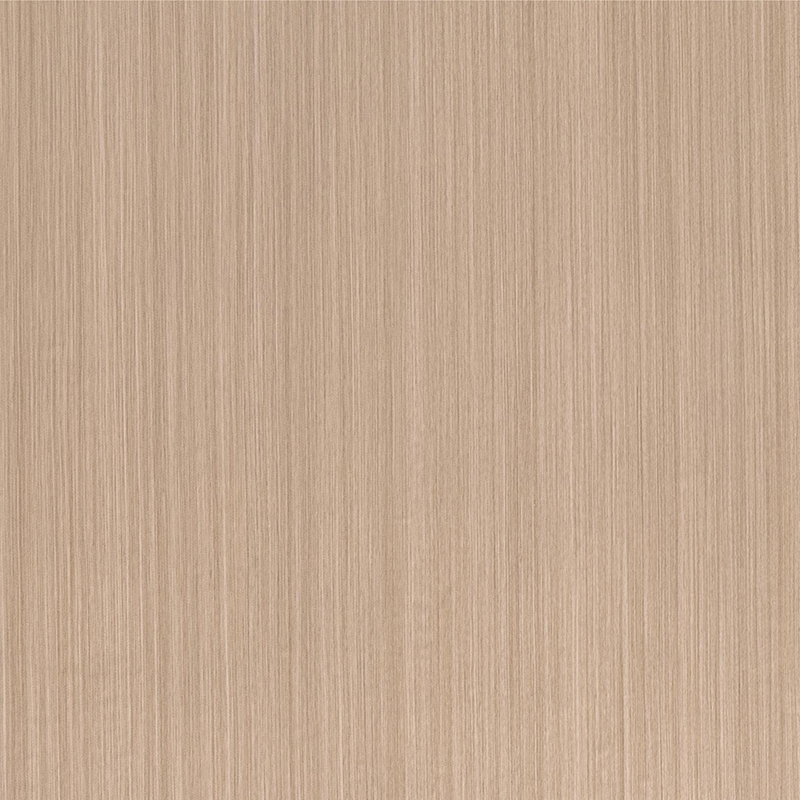
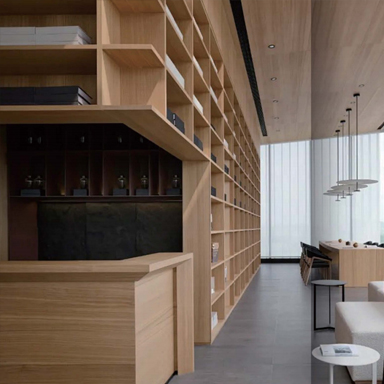
Vertical patterns can draw the eye upward and make the wall feel visually taller. Horizontal patterns can emphasize width. More irregular patterns can create a relaxed and natural impression.
These are design considerations rather than fixed rules. The same pattern can look different depending on room size, lighting, furniture, and surrounding colors.
This is one reason sample evaluation can be useful before making a final decision. A small sample provides some information, but the surrounding environment also needs to be considered.
A wall is not an isolated object. Its appearance changes in relation to everything around it.
A wood-inspired accent wall does not belong to one particular design style.
It can be adapted to different interiors by changing the pattern, color, and surrounding decoration.
In a minimalist room, a relatively quiet wood grain can add texture without creating visual clutter. Simple furniture and open space can allow the wall to remain the main feature.
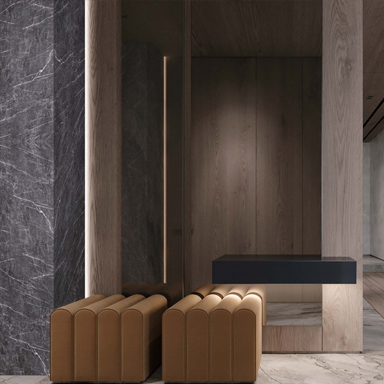
In a contemporary interior, the wallpaper can be combined with clean furniture shapes and neutral colors. The contrast between a wood-inspired surface and modern furniture can create visual interest.
In a more traditional room, a deeper wood appearance may work with furniture that already uses natural-looking materials. The wall can reinforce the existing character of the room rather than competing with it.
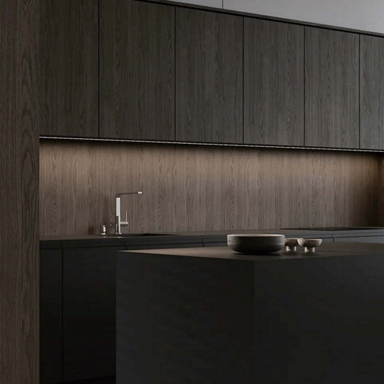
An industrial-inspired space can take another approach. A wood grain wall can soften the appearance of harder surfaces and introduce a warmer visual element.
The key is coordination.
A wood-inspired wall does not need to match every item in the room. In many cases, matching everything too closely can make the design feel repetitive. It can be more effective to allow the wall to relate to the furniture and floor while maintaining some contrast.
This creates a sense of connection without making every surface look the same.
Furniture placement can determine whether an accent wall feels intentional.
A large piece of furniture placed directly in front of the wall can partly hide the wood grain. That may be suitable if the wallpaper is intended to act as a background. If the wall is meant to attract more attention, too many objects may reduce its visual impact.
The space around the wall should therefore be considered during the design stage.
A sofa can frame a living room accent wall. A bed can naturally anchor a bedroom feature wall. A desk can provide a clear foreground for a home office wall.
Color relationships are also important.
If the wallpaper has a warm wood appearance, furniture in neutral shades may allow the wall to stand out. Furniture with similar wood patterns can create continuity, but too many similar surfaces may reduce contrast.
Decorative objects can also be used carefully. Artwork, lighting, shelves, or plants may complement the wall. They do not need to cover it.
A useful approach is to decide which element should attract the attention. If the wood grain is the main feature, surrounding decoration can remain relatively restrained.
If the room already contains a strong focal point, the wallpaper may need to play a quieter supporting role.
Lighting can change the appearance of wall decoration throughout the day.
Natural light may make some wood grain details more visible during the daytime. Artificial lighting can create a different impression in the evening. Shadows may emphasize the pattern, while softer illumination may make the wall feel calmer.
This is especially relevant when choosing between light and dark wood-inspired designs.
A lighter appearance may reflect more light and feel visually open. A darker appearance can create stronger contrast against lighter furniture or surrounding walls.
The position of the light source matters as well. Light coming directly toward the wall may produce a different appearance from light coming across the surface.
Accent lighting can also be used to highlight selected parts of the wall. However, excessive lighting may make the wall compete with other elements in the room.
The goal is balance.
Before installation, it can be useful to observe the wall under the lighting conditions normally used in the room. This can provide a better idea of how the wood grain will interact with the rest of the interior.
Accent walls are not limited to large rooms.
A small room can also use a wood-inspired wall, but the visual balance deserves attention. Covering one wall can give the space a clear feature without adding many physical objects.
The choice of pattern can influence the result.
A busy pattern may attract considerable attention in a compact room. A simpler grain may provide texture while keeping the overall appearance calmer.
The location of the wall also matters.
For example, placing wood grain wallpaper behind a bed can define the sleeping area. In a small home office, the wall behind a desk can provide a visual background for the workspace. In a compact dining area, one wall can distinguish the dining zone from the rest of the room.
Color relationships become particularly important in smaller spaces. If the accent wall is visually strong, the remaining walls and furniture can use quieter tones.
This allows the accent wall to add personality without making the room feel crowded.
The idea is not to make a small room look like a large room. Instead, the goal is to give the space a clear visual structure.
The design decision should be made before the installation begins.
The wall needs to be checked for cleanliness, smoothness, moisture, and other surface conditions. A decorative covering can draw attention to the wall, so visible surface problems may become more noticeable after installation.
The pattern should also be planned.
Wood grain has direction. Adjacent sections should be considered as part of the same visual composition. Doors, windows, corners, shelves, and furniture can affect how the pattern is perceived.
It is useful to think about the wall from several viewpoints. The wall may look different from the entrance, seating area, or opposite side of the room.
The surrounding colors should also be reviewed. Flooring, curtains, furniture, ceiling finishes, and nearby walls all contribute to the final appearance.
A simple preparation list can help:
These steps do not require complicated design theory. They simply encourage people to view the wall as part of the entire room.
PVC wooden wallpaper can be more than a replacement for plain wall decoration. When used selectively, it can define a particular area, frame furniture, introduce visual warmth, and create a stronger sense of identity within a room.
The accent wall does not have to dominate the space. Its role can be quieter. A carefully chosen wood grain may sit behind a sofa, bed, desk, or dining table and provide a visual layer that connects the surrounding elements.
That flexibility is what makes the accent wall approach useful for different interior settings.
Contact us

+86-15726853660 / +86-18301913645
No. 99, Jinxiang Road, Hubin New District, Suyu, Suqian City, Jiangsu Province, China

Decorative Film Materials

 English
 Français
 Español
 عربى
عربى
 русский