+86-15726853660 / +86-18301913645
+86-15726853660 / +86-18301913645
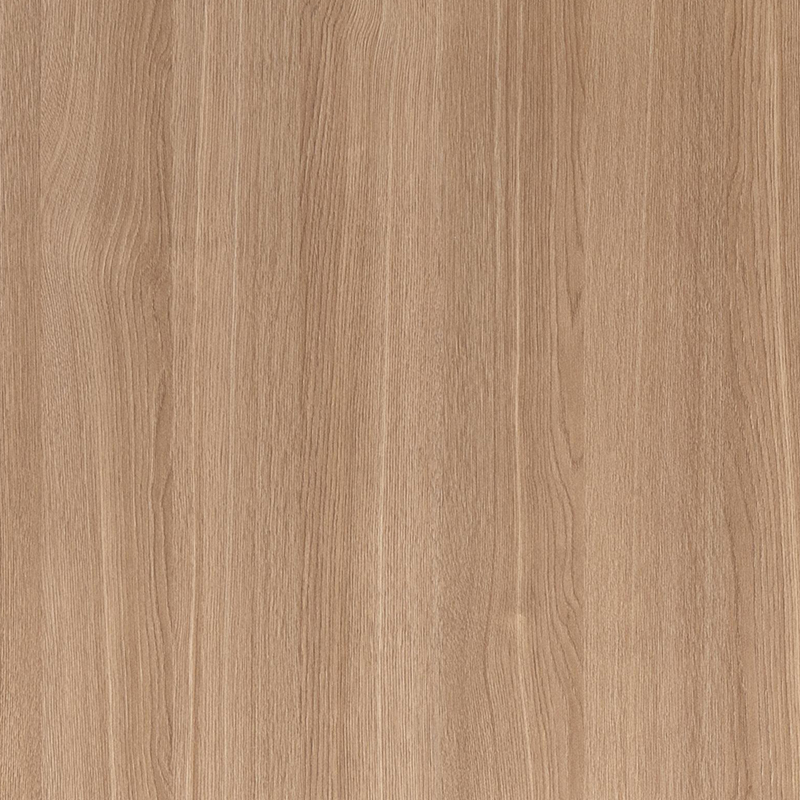
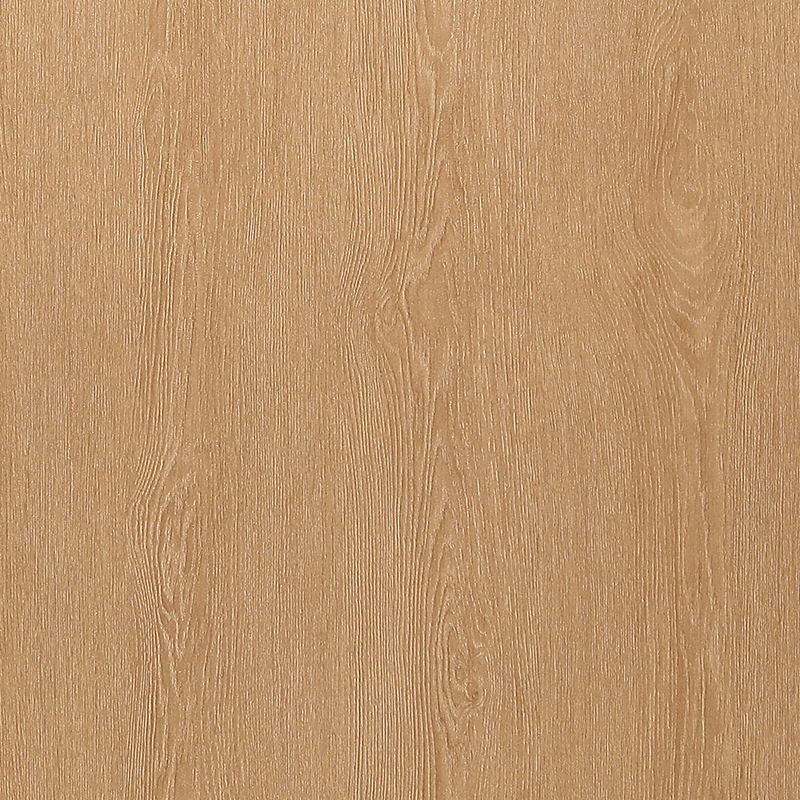
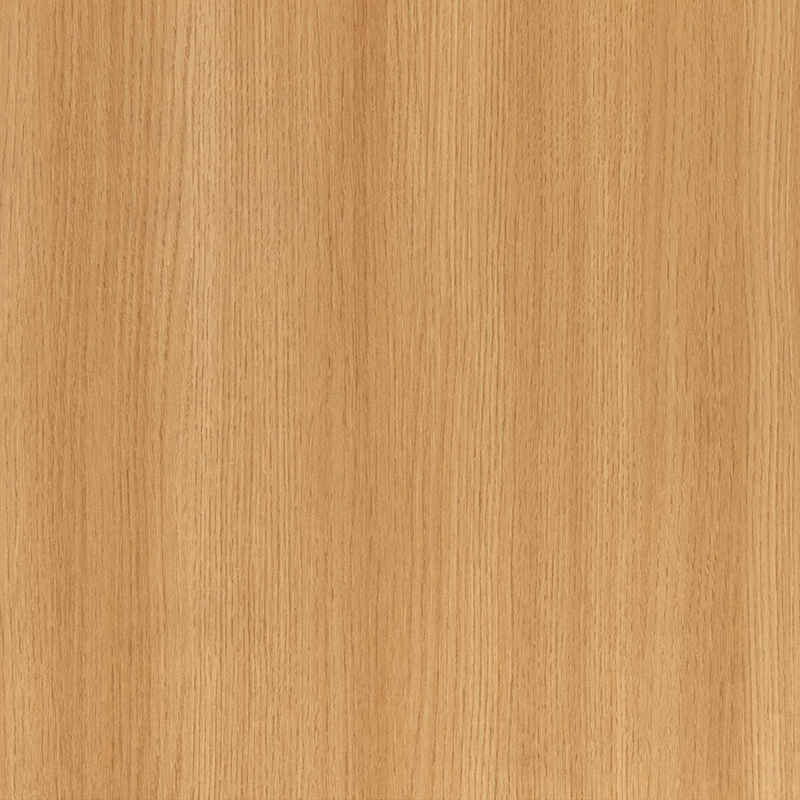
PVC wood grain wallpaper has genuinely become a practical option for people who want the visual warmth of wood without committing to a full wood wall treatment. It brings texture and character into a room while fitting a whole range of interior styles. But the finished appearance genuinely depends on a lot more than just the wallpaper itself.
Preparation genuinely plays a huge role here.
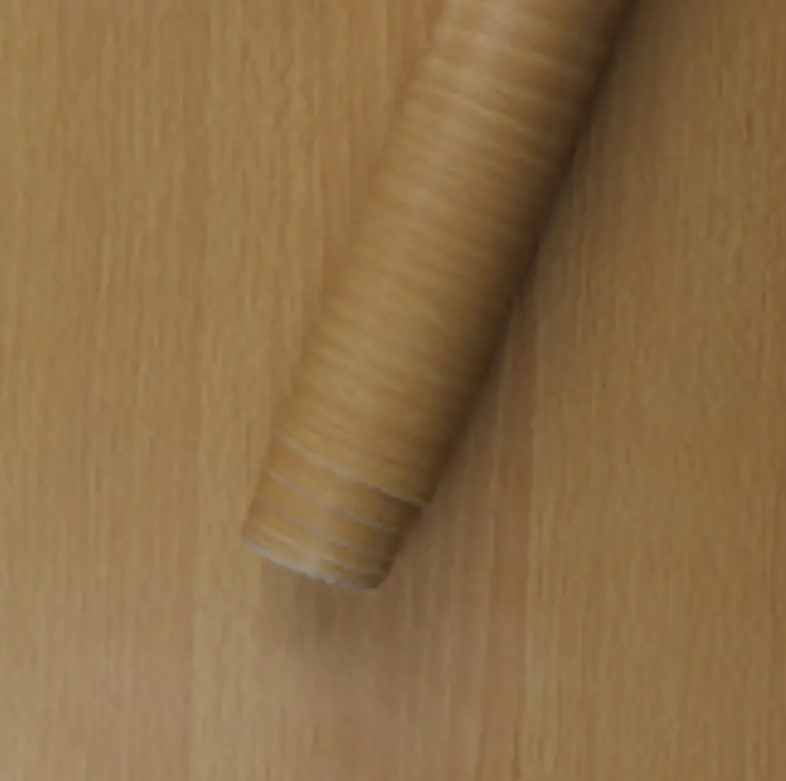
A wall might look ready at a quick glance, but small surface problems can genuinely become a lot more noticeable once the wallpaper's actually installed. Uneven areas, dust, moisture, poor alignment, or unsuitable working conditions can all affect the final appearance. Good preparation genuinely cuts down these concerns and makes the whole installation process a lot more organized.
For homeowners, decorators, and interior professionals, knowing what to prepare before installation genuinely makes the entire project a lot easier to manage.
PVC wood wallpaper has a decorative surface that can draw attention to the wall. The wood grain pattern creates visual lines and texture. This means the condition of the wall underneath can influence how the finished surface looks.
Preparation is not simply about cleaning the wall. It involves checking the surface, organizing the materials, considering the room environment, and planning how the pattern will be positioned.
A well-prepared installation area can help with several practical concerns:
The preparation stage also gives installers a chance to identify problems before the wallpaper covers the wall. This is useful because correcting a wall before installation is generally more convenient than dealing with the same issue after the decorative covering has been applied.
PVC wood wallpaper is often chosen because it can create a wood-inspired appearance in different spaces. That visual effect deserves careful preparation. When the wall surface is properly assessed and the installation plan is clear, the decorative pattern has a better chance of looking natural and balanced.
The wall genuinely needs a careful inspection before any wallpaper work even begins.
A surface might look smooth from a distance but reveal small cracks, loose areas, stains, dust, or uneven sections once you look closer. These conditions can genuinely affect how the wallpaper sits against the wall.
The wall should stay clean and reasonably smooth. Loose material shouldn't linger on the surface. Dust and dirt genuinely interfere with the installation process and can make it harder for the wallpaper to stay properly positioned.
Moisture deserves real attention too. A wall that feels damp or shows signs of moisture shouldn't simply get covered up and forgotten about. The source of that moisture genuinely needs consideration before decorative work continues. Covering a problem, after all, doesn't remove the problem sitting underneath.
Old wall coverings deserve assessment as well. If an existing covering is loose, damaged, or unsuitable as a base, it might genuinely need removing or properly prepping before the new material goes on.
A simple wall inspection can include the following:
| Wall Condition | What to Check |
|---|---|
| Surface Cleanliness | Dust, dirt, grease, or loose particles |
| Smoothness | Raised areas, dents, cracks, or rough patches |
| Dryness | Signs of moisture or dampness |
| Existing Coating | Loose wallpaper, peeling paint, or unstable surfaces |
| Corners and Edges | Areas that may require careful fitting |
| Wall Joints | Visible transitions or uneven sections |
The purpose is not to make the wall look flawless at every angle. The goal is to create a stable and suitable surface for the new decorative layer.
Cleaning is genuinely one of the simplest parts of preparation, but it shouldn't get rushed through.
Dust tends to collect on walls, especially in rooms that recently went through renovation work. Fine particles can also linger around corners, edges, and areas close to the floor. Grease or other residue often shows up in spaces where cooking or frequent activity happens regularly.
The surface should get cleaned based on its existing condition. A suitable cleaning method genuinely removes loose dust and visible dirt without introducing unnecessary moisture into the mix.
After cleaning, the wall genuinely needs time to dry properly.
Small surface defects deserve attention during this stage too. A raised area can create a visible bump right under the wallpaper. A shallow depression can affect how the finished surface reflects light. Cracks or unstable sections can also become a lot more noticeable later on.
It genuinely helps to view the wall from different angles and under the room's normal lighting. Natural light reveals surface changes that stay hidden under artificial lighting. This simple check genuinely helps flag areas that need attention.
The preparation process, then, might involve:
This stage might feel routine, sure, but it genuinely shapes the appearance of the finished PVC wood wallpaper.
Having the necessary materials ready before installation can prevent unnecessary pauses during the work.
The wallpaper itself is only part of the preparation. Depending on the installation method and wall condition, installers may need suitable adhesive materials, cutting tools, measuring tools, smoothing tools, cleaning cloths, and other basic accessories.
The exact selection can vary according to the product and installation method. It is important to follow the instructions associated with the chosen PVC wood grain wallpaper rather than assuming that every product should be installed in exactly the same way.
Measuring tools are particularly useful because wood grain patterns need visual coordination. The installer should be able to determine where each section will begin and end before cutting.
A clean cutting surface is also helpful. Wallpaper should not be cut casually on an unsuitable floor or cluttered workbench. A controlled workspace reduces the chance of accidental damage.
Before work starts, it can be useful to arrange materials into groups:
Installation materials
Basic working tools
Safety and workspace items
Preparation becomes easier when everything has a clear place. It also helps the installer focus on alignment and surface quality instead of searching for tools halfway through the project.
Pattern planning is one of the important parts of preparing PVC wood grain wallpaper.
Wood grain is directional. Unlike a simple plain surface, it has visible lines and visual movement. If adjacent sections are positioned without considering the pattern, the wall may look disconnected.
The installer should decide how the grain will run across the wall before cutting the material.
Room layout matters as well. Doors, windows, corners, wall openings, furniture, and other architectural features can influence where seams become visible. A good layout considers these features rather than treating the wall as one uninterrupted surface.
The pattern should also be checked across adjoining sections. The aim is not necessarily to make every grain line continue perfectly from one piece to another. Instead, the overall arrangement should look intentional and visually balanced.
This is especially important when the wallpaper is used as an accent wall. A wood grain pattern may become the visual focus of the room. Poor planning can make the pattern appear uneven or fragmented.
Before cutting, consider:
A simple layout plan can save time later. It also gives the installer a chance to reconsider the arrangement before material is cut.
The room itself is part of the preparation process.
Installation is easier when the workspace is clean, accessible, and comfortable to work in. Furniture should be moved or protected so that the installer has enough room to handle the wallpaper.
Lighting is another practical consideration. Good visibility makes it easier to inspect the wall, identify surface defects, check pattern direction, and observe the position of each section.
The room should also be considered in terms of moisture and ventilation. Installation conditions should follow the product's recommended requirements. A room that is unusually damp, dusty, or unsuitable for wall covering work may create unnecessary difficulties.
Temperature changes can also affect working conditions. The installer should avoid making assumptions based on a different product or previous project. The manufacturer's installation guidance should remain the reference for the specific material being used.
The surrounding area should be protected as well. Flooring, furniture, electrical fixtures, and nearby decorative items may need suitable covering.
A prepared room should allow the installer to move around the wall without repeatedly shifting objects. This sounds like a small detail, but a clear workspace can make the installation much more efficient.
Homeowners do not necessarily need to handle every technical part of installation. However, they can make the project easier by preparing the space and making design decisions in advance.
Furniture can be moved away from the working wall. Fragile decorations can be stored safely. Wall-mounted items can be removed where necessary. The installation area should be accessible.
It is also useful to decide where the wallpaper will be used. A homeowner may want a full wall, a feature wall, a partial wall, or a selected decorative area. Knowing the intended layout helps the installer plan the work.
The relationship between the wallpaper and the rest of the room should also be considered.
For example, a wood grain wall may already provide a strong visual texture. Additional patterns on curtains, furniture, rugs, or decorative objects may change how the room feels. Choosing complementary elements can help create a more balanced interior.
Homeowners can prepare by answering a few simple questions:
These decisions do not need to be complicated. The main purpose is to reduce uncertainty before work begins.
Some installation problems begin before the wallpaper is even opened.
One common mistake is assuming that a wall is ready simply because it looks clean. Surface condition matters. Small defects should be noticed before the decorative layer is applied.
Another mistake is cutting material before deciding on the pattern layout. With wood grain wallpaper, direction and visual continuity deserve attention. Premature cutting can make later adjustments more difficult.
Ignoring moisture is another concern. If a wall has an underlying moisture issue, covering it without investigation may create additional problems.
Poor workspace organization can also slow down the process. Too many objects around the installation area can restrict movement and increase the risk of accidental damage.
Some people also focus heavily on the wallpaper pattern while overlooking the surrounding interior. A design that looks attractive on a sample may produce a different visual impression when placed across a large wall. Lighting, furniture, wall size, and nearby colors all influence the final effect.
Preparation mistakes can often be reduced through a simple checklist:
PVC wood grain wallpaper can play many roles in interior decoration. It can add warmth to a plain wall, introduce a natural visual element, or help define a particular area of a room. The preparation stage determines how smoothly those design ideas can be translated onto the wall.
When the surface, materials, room conditions, and pattern layout have been considered before installation begins, the work becomes more predictable. The wallpaper then has a better opportunity to show its intended texture and wood-inspired appearance without unnecessary visual distractions.
Contact us

+86-15726853660 / +86-18301913645
No. 99, Jinxiang Road, Hubin New District, Suyu, Suqian City, Jiangsu Province, China

Decorative Film Materials

 English
 Français
 Español
 عربى
عربى
 русский