+86-15726853660 / +86-18301913645
+86-15726853660 / +86-18301913645
Interior design continues to explore new ways to refresh spaces without completely rebuilding them. Decorative interior film has become an option that attracts attention because it allows existing surfaces to receive a new appearance through a flexible application method.
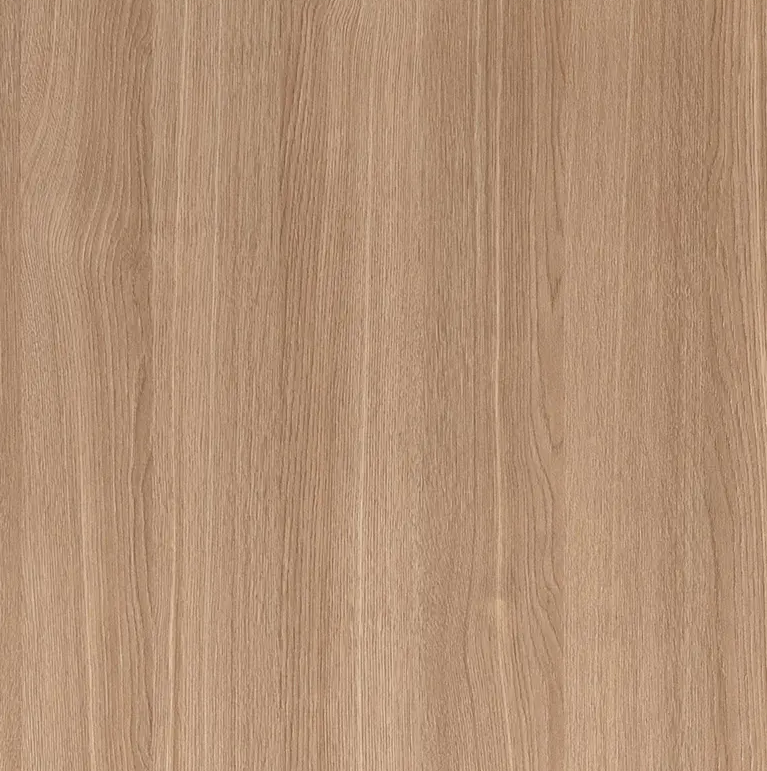
From residential rooms to commercial environments, this material is being considered for different renovation projects. It can create new visual effects on various surfaces while helping reduce the need for large-scale changes.
The key question for many designers, builders, and property owners is simple: what types of surfaces can decorative interior film actually be used on?
Interior surfaces do a lot of the heavy lifting when it comes to how a space actually feels. Walls, furniture, doors, panels — all of it feeds into the overall visual style of an environment. Once those areas start looking dated, renovation tends to come up as the obvious next step.
Traditional renovation usually means replacing existing materials outright, which drags in more prep work and a longer project timeline than most people want to deal with. Interior film offers a different route entirely, focusing purely on surface transformation instead of rebuilding from scratch.
That range of application possibilities is a big part of why this material has caught on. Rather than changing the whole structure, designers can update just the visible areas and land a genuinely refreshed look.
Common surface categories tend to include:
| Surface Type | Common Application |
|---|---|
| Walls | Creating new decorative finishes |
| Furniture panels | Updating cabinets and storage units |
| Doors | Refreshing interior door appearances |
| Glass surfaces | Adding privacy or decorative effects |
| Metal surfaces | Changing visual styles of fixtures |
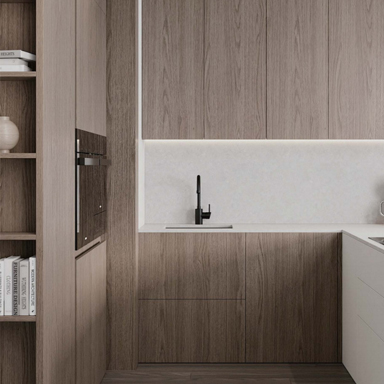
| Wood surfaces | Enhancing or updating existing finishes |
That breadth of application is really what makes interior film fit so many different design ideas at once.
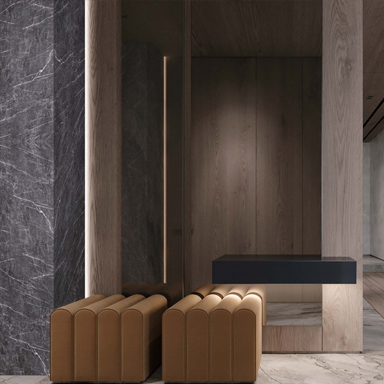
Walls are probably the obvious place interior film shows up. A wall covers so much visual real estate that even a fairly small design change ends up shifting the whole atmosphere of a room.
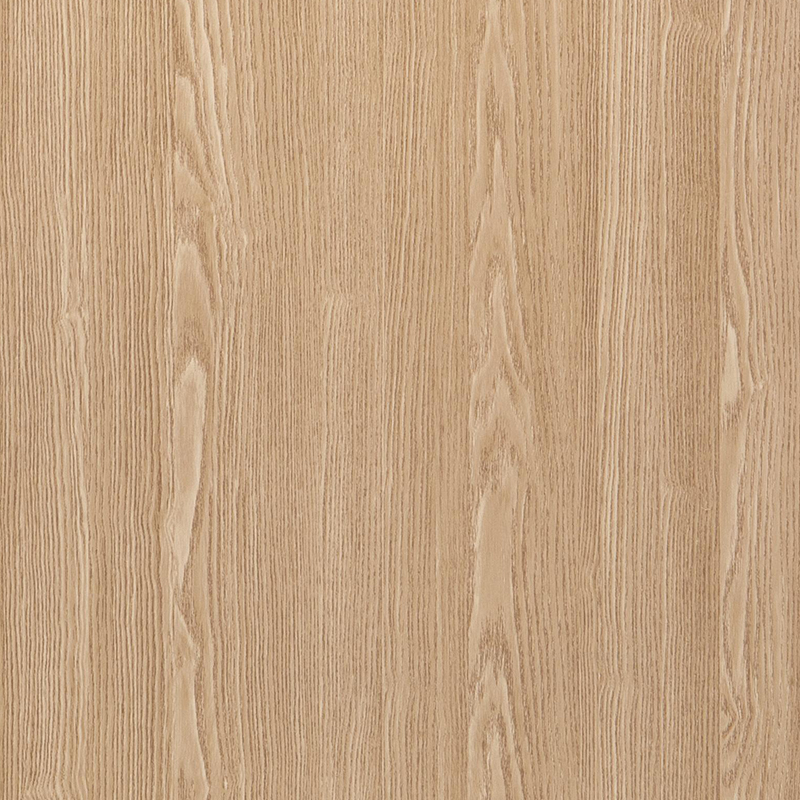
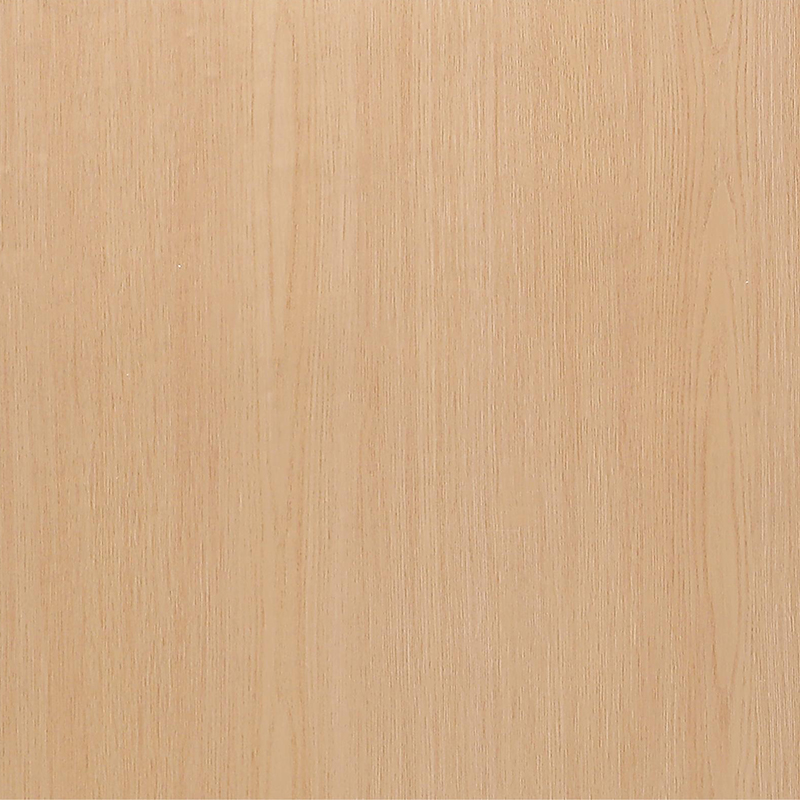
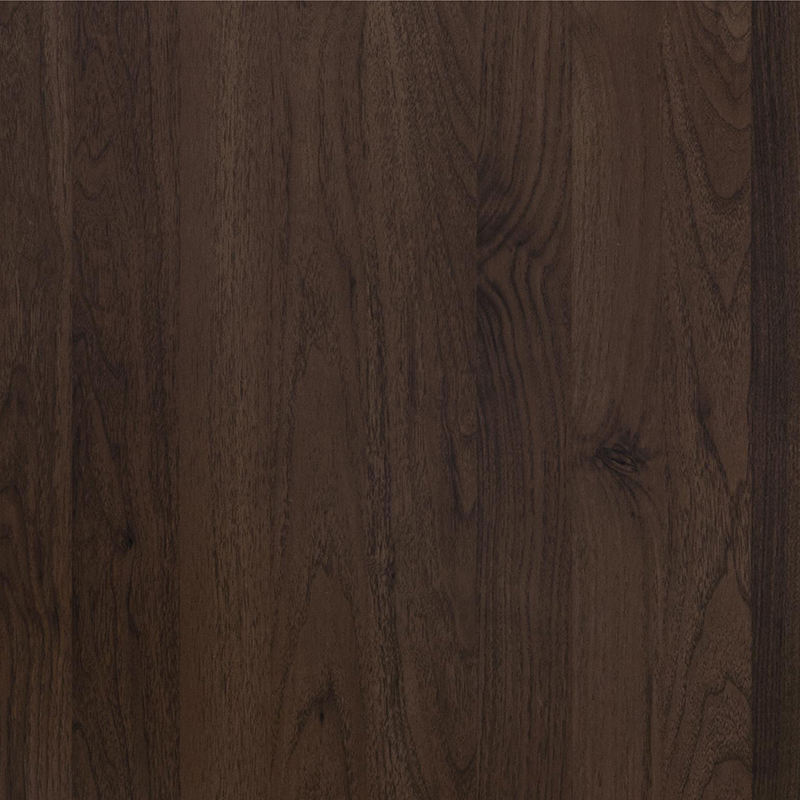
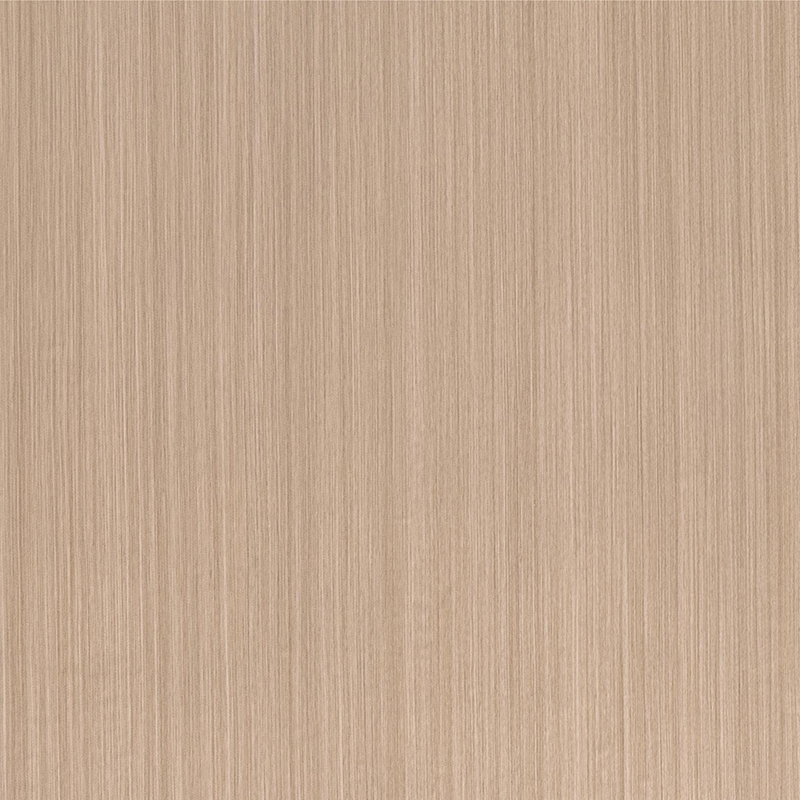
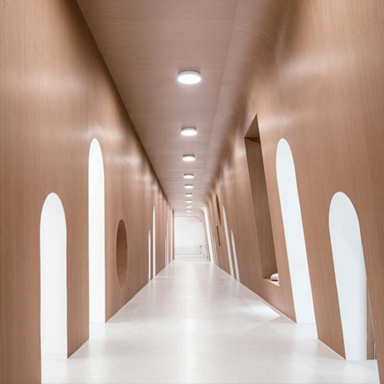
Interior film works on a wide range of wall surfaces, as long as they're properly prepped beforehand. It can pull off wood patterns, stone effects, solid colors, and plenty of other decorative styles depending on what a project calls for.
In residential spaces, wall applications tend to show up in:
Commercial spaces lean on wall film just as often, in places like:
The real appeal here comes down to updating a space without ripping into the original wall structure at all. That opens the door to a lot more stylistic experimentation while keeping the renovation process genuinely flexible.
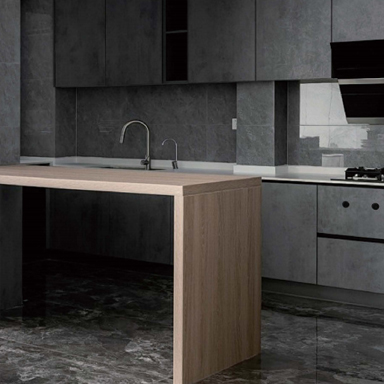
Furniture is another area where this material has found real, practical use. Plenty of furniture pieces stay perfectly functional long after their appearance starts feeling dated.
Instead of replacing an entire unit, a lot of projects now focus purely on changing the outer surface instead.
Decorative interior film shows up on things like:
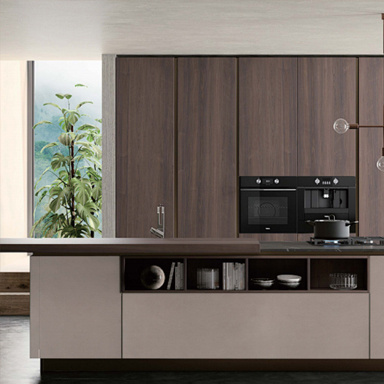
This lets furniture line up with a new interior theme without much fuss. An older cabinet, for instance, can take on a completely different visual style that suddenly fits a redesigned room.
Furniture applications tend to matter most in spaces that need frequent style updates. Retail environments, offices, and hospitality spaces gravitate toward this approach often, mainly because full furniture replacement demands so much more planning and budget.
Doors get overlooked constantly during interior updates, even though they take up a genuinely noticeable chunk of visual space in any room. A simple change to a door's surface can shift the whole feel of the design.
Interior film works well on plenty of interior doors, including:
Updating door appearance helps tie a space together visually. A room with fresh walls and updated furniture can end up feeling oddly unfinished if the doors are still stuck in the old style.
Using film on doors gives designers another way to coordinate everything in a space without needing to replace the entire door structure just to make it match.
Glass surfaces have become a lot more common in modern interiors, mostly because they open up a space while letting natural light move through freely. That said, some areas still need more privacy or visual interest layered on top.
Interior film handles glass surfaces for purposes like:
Common applications include:
Glass applications really show that interior film isn't confined to solid surfaces at all — it supports genuinely creative design solutions in transparent areas just as easily.
Metal shows up constantly in modern interiors, from fixtures and panels to furniture details and architectural accents.
Metal has a strong visual character on its own, but that character doesn't always line up with a new design direction. Interior film gives designers a way to adjust the visual feel of metal surfaces without touching the material underneath.
Possible applications include:
Applying film to metal lets designers bring in a completely different finish while leaving the underlying material exactly as it was.
Wood has always been a popular interior material thanks to its natural warmth and appearance. But existing wood surfaces can get worn down over time, or simply stop matching a space's updated design direction.
Interior film offers a genuine way to refresh wood-related surfaces without starting over.
It shows up on things like:
This isn't about diminishing the value of real wood, either. It's simply another option for projects where an appearance update is needed but full replacement isn't practical or necessary.
For renovation work specifically, this approach genuinely extends the visual life of items that would otherwise need replacing.
Not every surface is automatically ready to take interior film. Proper preparation shapes the final result more than people often expect.
Surface condition. The surface generally needs to be clean and stable. Damaged or uneven spots usually need attention before any film goes on.
Material type. Different surfaces come with different characteristics, and designers or installers typically check whether a given film actually suits the specific material in question.
Environmental conditions. Where the application happens matters, too. Areas with different usage patterns or exposure levels often call for different film approaches.
Design purpose. The actual goal of the renovation matters just as much. A short-term decorative refresh has different requirements than a long-term commercial installation.
Weighing all of this beforehand is really what keeps interior film landing in the right situations rather than the wrong ones.
The rising popularity of interior film really traces back to shifting renovation preferences across the board. A lot of projects now put a genuine premium on flexibility and efficient updates over full-scale rebuilds.
A few reasons keep coming up:
Modern interiors need to adapt constantly. Businesses update spaces to keep pace with shifting style trends. Homeowners want a new atmosphere without committing to major construction. Interior film sits right in the middle — somewhere between simple decoration and full renovation.
As interior design continues to develop, material applications are becoming more flexible. Interior film has already moved beyond simple wall decoration and entered furniture, glass, metal, and other areas.
Future applications may continue exploring new possibilities as designers look for adaptable solutions.
The value of decorative interior film comes from its ability to work with existing structures. It allows spaces to change while maintaining a connection with the original environment.
Rather than replacing every traditional material, it creates another path for interior transformation. The choice of surface, design goal, and project requirements will continue to determine where this material fits best.
Contact us

+86-15726853660 / +86-18301913645
No. 99, Jinxiang Road, Hubin New District, Suyu, Suqian City, Jiangsu Province, China

Decorative Film Materials

 English
 Français
 Español
 عربى
عربى
 русский