+86-15726853660 / +86-18301913645
+86-15726853660 / +86-18301913645
Interior spaces have been shifting in ways that aren't always obvious at first glance. Walls, furniture surfaces, and built-in fixtures used to come down to paint, wood panels, or stone finishes almost by default. That's not the whole story anymore. Architectural interior film has worked its way into offices, retail spaces, homes, and public interiors, offering a surface solution that sits somewhere between pure design choice and pure practicality.
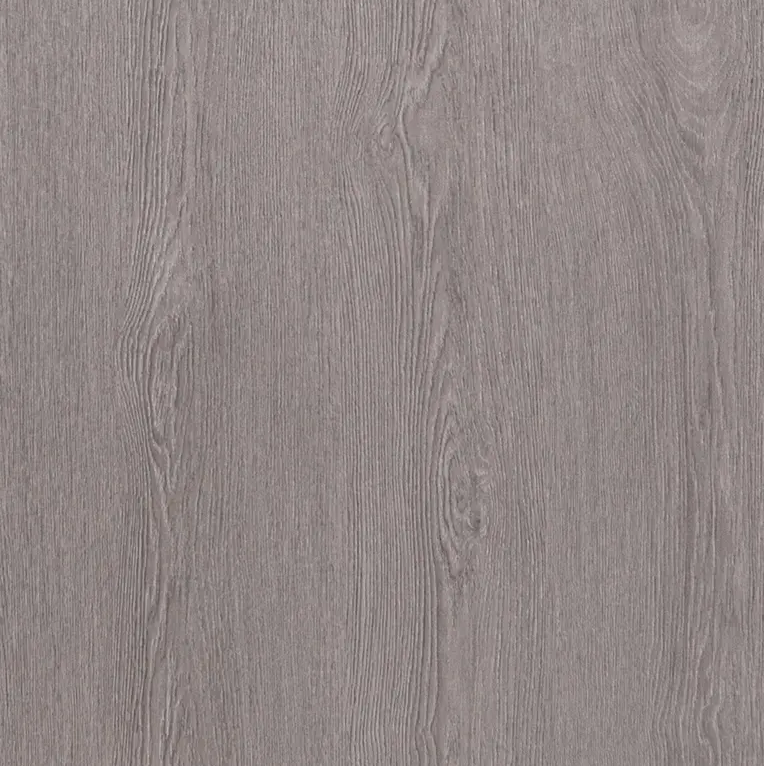
The real question stopped being whether this material exists a while ago. It's now about how far it can actually go — whether it genuinely replaces traditional interior materials, or whether it's carving out its own distinct role inside modern design instead.
Interior materials earned their place for durability, appearance, and sheer familiarity over decades. Wood brings warmth. Stone signals permanence. Paint offers straightforward simplicity. None of that has gone away, but what people expect from a space has shifted underneath it all.
A lot of projects now revolve around speed, flexibility, and the ability to update fast. Spaces get redesigned far more often than they used to. Commercial interiors shift layouts constantly. Retail spaces refresh their look on a rotating basis. Even homeowners are looking for ways to adjust their interiors without weeks of disruption hanging over daily life.
Traditional materials usually demand removal, replacement, and a genuinely extended work period to pull off. That process eats into daily operations or everyday living in a way that's hard to ignore. So designers and project managers have been looking for alternatives that cut down on both downtime and installation complexity.
That's the exact context interior film steps into. It's not purely about replacing materials outright — it's about offering a genuinely different path to a similar visual result.
Interior film gets applied directly onto existing surfaces. It can cover walls, furniture panels, doors, and a lot of other interior elements, all with the goal of changing appearance without tearing out the original structure underneath.
Common applications tend to include:
This approach lets designers reshape a space while leaving the underlying structure completely untouched. That's really shifted how people think about interior transformation as a whole.
Instead of rebuilding from the base up, a lot of projects now focus purely on surface-level changes that still land a genuinely visible impact.
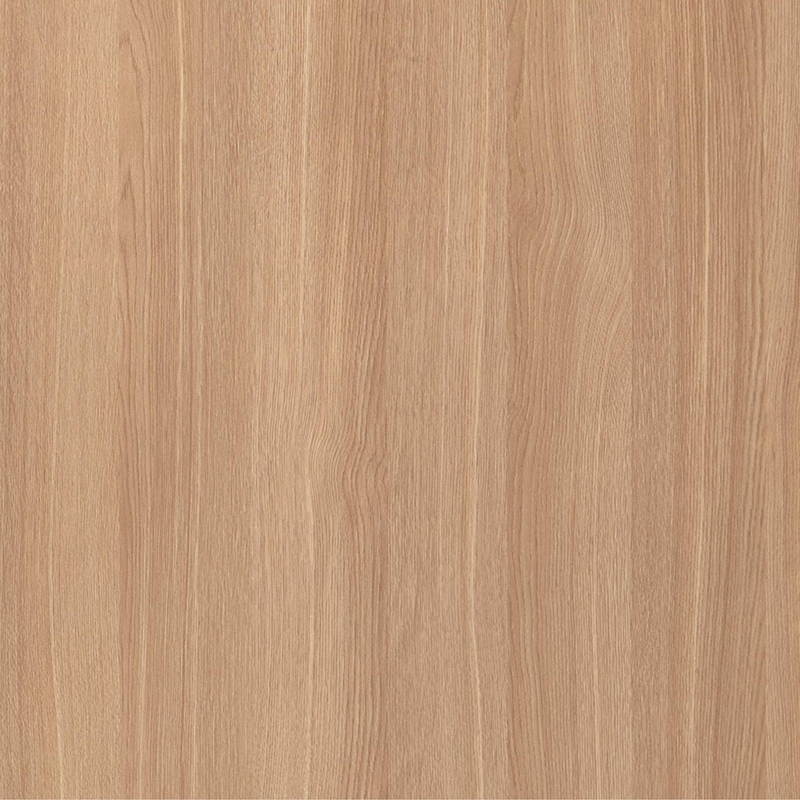
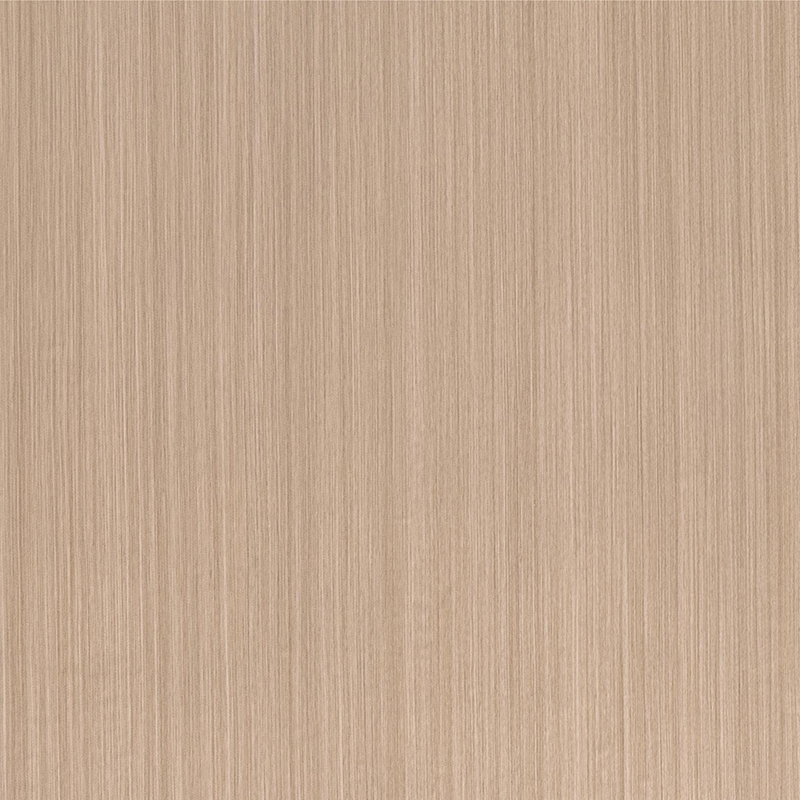
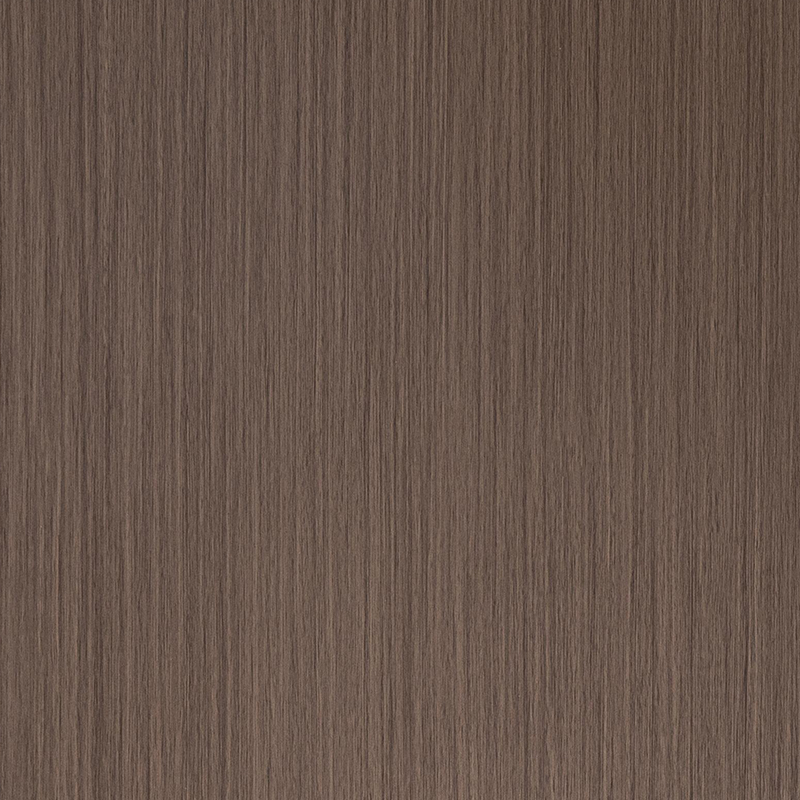
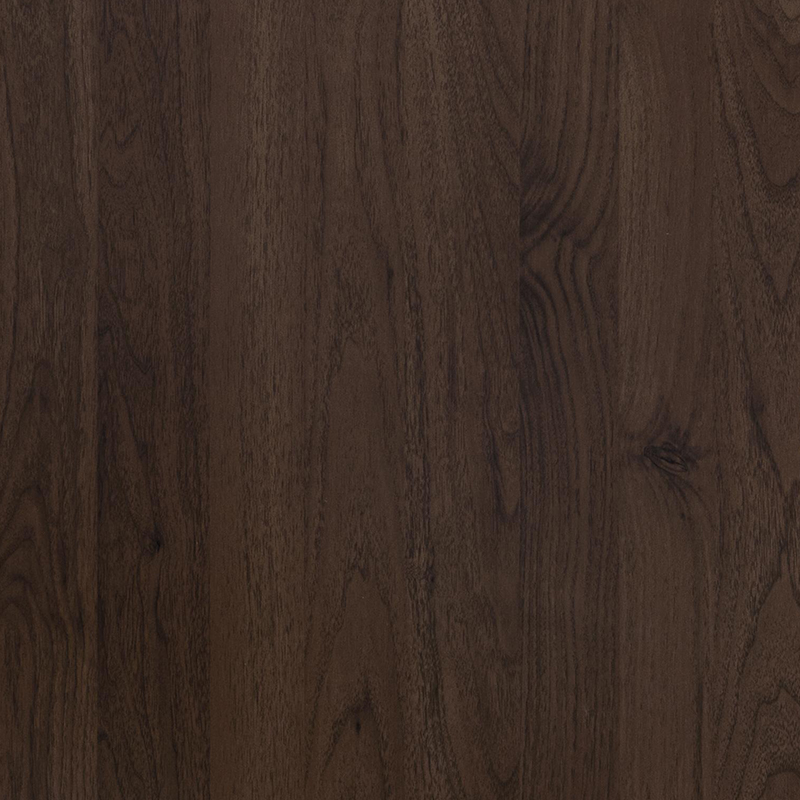
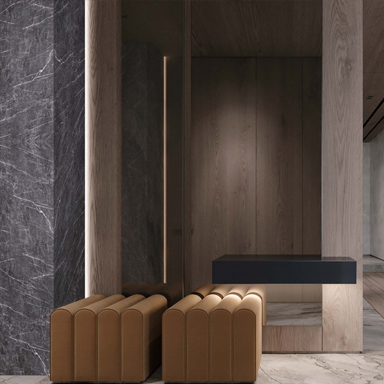
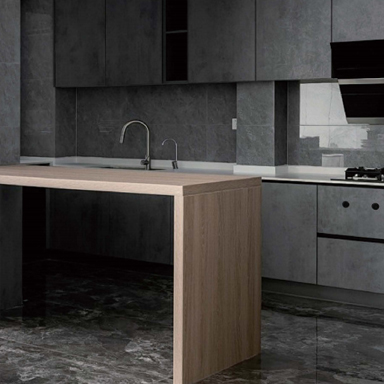
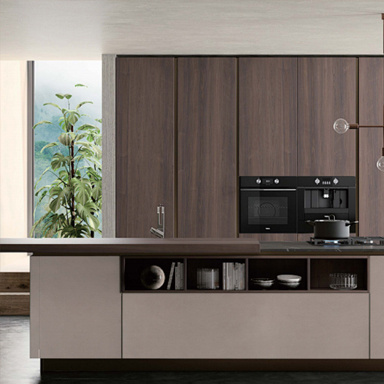
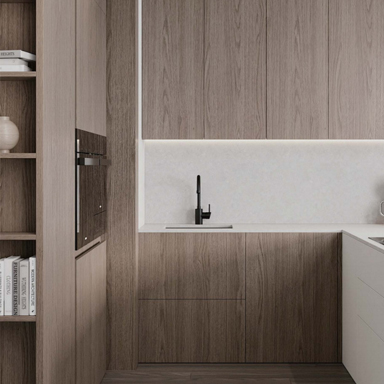
Whether it counts as a "replacement" really depends on how loosely that word gets defined. In plenty of situations, interior film can pull off a visual effect genuinely close to traditional materials — mimicking wood grain, stone texture, or a clean solid color finish convincingly.
But looking similar doesn't automatically mean performing identically in every context.
A quick comparison helps clarify where the real differences sit:
| Aspect | Traditional Materials | Interior Film |
|---|---|---|
| Installation process | Often requires removal and rebuilding | Applied over existing surfaces |
| Design flexibility | Limited once installed | Easier to update or change |
| Surface consistency | Depends on material variation | More uniform appearance |
| Renovation impact | May involve longer disruption | Usually less invasive |
What this really shows is that interior film doesn't always replace materials in a structural sense. What it actually replaces is the need for certain processes — especially in renovation and redesign work where speed and minimal disruption matter most.
Renovation projects often face practical constraints. Time, cost control, and operational continuity all influence decision-making.
Architectural interior film supports these needs in several ways:
Reduced disruption
Spaces can remain functional during updates. This is important for offices, hotels, and retail areas.
Faster visual transformation
Changes in appearance can be achieved without extensive rebuilding.
Adaptability
Designs can be updated again in the future without major removal work.
Surface coverage
Existing elements do not always need to be replaced, which simplifies planning.
These points explain why interior film is often chosen for projects that require flexibility.
Every material has a range where it genuinely shines, and architectural interior film is no exception to that rule. It brings real advantages in certain areas, but it doesn't fully replace traditional materials across every possible situation.
Worth keeping in mind:
All of this points toward interior film working better as one piece of a broader design strategy, rather than something expected to solve every single requirement on its own.
Designers tend to evaluate where it genuinely fits within a project instead of treating it as a blanket solution for everything.
Design thinking has been drifting steadily toward flexibility. A lot of professionals have stopped treating interiors as fixed, permanent environments and started viewing them as spaces meant to evolve.
Surface-based solutions like interior film line up naturally with that mindset. They let a space genuinely change over time without demanding major reconstruction every time.
Designers tend to value:
That's really part of a much broader shift in how interiors get created and maintained across the industry as a whole.
Material selection isn't purely about physical properties anymore. Adaptability, maintenance demands, and long-term usability have all worked their way into the conversation just as firmly.
Architectural interior film introduces a genuinely different way of framing the question. Instead of asking which material to install permanently, designers increasingly ask how a surface might evolve over time instead.
None of this pushes traditional materials out of the picture entirely. Wood, stone, and paint still hold genuinely important roles. Their use is just becoming a lot more selective and deliberate than it used to be.
Interior film shapes decisions by offering:
Taken together, these possibilities suggest materials are becoming a lot more dynamic than the fixed, one-time choice they used to represent.
Choosing interior film takes a genuine understanding of both where it excels and where it hits real limits. It's not purely a design call — it's a practical one too.
Worth weighing beforehand:
A careful look at all of this is really what determines whether interior film genuinely fits a specific project or not.
Some spaces end up benefiting from a mix of traditional materials and surface film working together. Others lean much more heavily on one approach alone.
The discussion often returns to a central idea. Interior film does not always replace traditional materials in a direct sense. Instead, it offers an alternative method of achieving similar visual outcomes.
In some cases, it acts as a substitute for materials that would otherwise require removal and replacement. In other situations, it complements existing elements.
This dual role makes it difficult to define in simple terms. It is both a design tool and a practical solution.
As interior spaces continue to change, the line between material and surface treatment becomes less clear. Architectural interior film exists within that space, where design flexibility meets everyday function.
Contact us

+86-15726853660 / +86-18301913645
No. 99, Jinxiang Road, Hubin New District, Suyu, Suqian City, Jiangsu Province, China

Decorative Film Materials

 English
 Français
 Español
 عربى
عربى
 русский