+86-15726853660 / +86-18301913645
+86-15726853660 / +86-18301913645
Walls take up a large part of an indoor space. They can shape how a room feels even when the furniture and lighting stay the same. A plain wall may make a space feel simple. A decorated wall can create more visual interest and give the room a clearer style.
This is one reason wall decoration continues to change. People are no longer limited to paint, wallpaper, framed pictures, or fixed decorative panels. Wall stickers have also become part of the conversation.
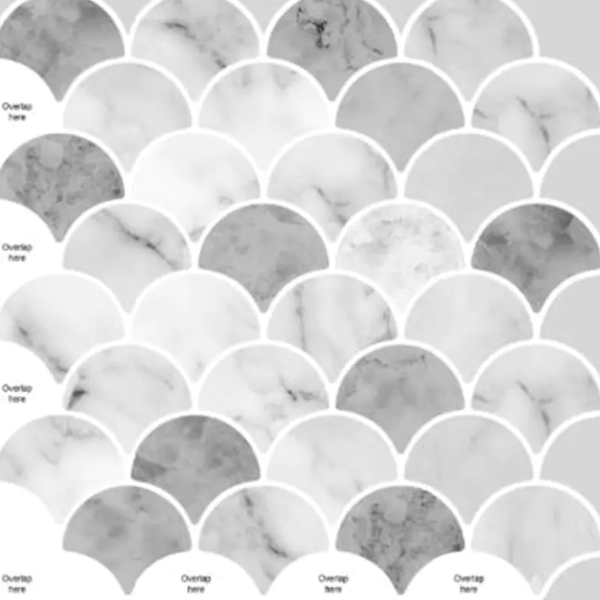
Among different decorative options, 3D Crystal Wall Stickers are drawing attention for their visual depth and flexible appearance. They can add another layer to a wall without changing the whole room. Their use can also vary from one space to another.
The important question is not simply whether these stickers look attractive. It is where they make sense. A bedroom may need a different decorative approach from a living room. A children's space may call for another visual direction. Commercial interiors may have different needs again.
Understanding the application can therefore help buyers, designers, and manufacturers think about Wall Stickers in a more practical way.
Wall decoration is closely connected with how people use a space. A wall is not always just a background. It can become part of the room's visual identity.
Stickers offer a way to introduce patterns, shapes, texture, and visual depth without covering every part of a wall. This makes them suitable for people who want to change the appearance of a space while keeping the overall design relatively simple.
The word "3D" also points to an important feature of this type of decoration. The visual effect can make patterns appear more dimensional than a flat printed surface. Depending on the design, light and surrounding colors may change how the wall decoration is perceived.
This creates several possible uses:
| Space | Possible Decorative Role |
|---|---|
| Living Room | Create a feature wall or visual focus |
| Bedroom | Add a softer decorative element |
| Children's Room | Introduce playful patterns and shapes |
| Dining Area | Give a plain wall more character |
| Office | Add visual interest to selected areas |
| Retail Space | Support a particular interior style |
| Reception Area | Create a more distinctive wall surface |
| Hallway | Break up a long or empty wall |
The flexibility is part of the appeal. Instead of treating wall decoration as a permanent design decision, users can look at it as a changeable part of interior styling.
Residential interiors are one of the natural application areas for decorative wall stickers. Homes contain many different spaces, and each one can have its own mood and purpose.
The living room is often a shared space. It may contain a sofa, television, shelves, artwork, and other visual elements. A large empty wall can sometimes make the room feel unfinished. A carefully selected 3D Crystal Wall Sticker can provide another visual layer without requiring a complete redesign.
Bedrooms offer a different opportunity. The wall behind a bed can become a natural decorative area. Instead of adding several separate objects, homeowners can use a wall pattern to create a stronger visual connection between the bed, lighting, and surrounding furniture.
Dining areas can also benefit from decorative wall treatment. A plain wall beside a dining table may become more interesting with a suitable pattern. The design does not need to dominate the room. It can simply provide a small change that separates the dining area from the rest of the home.
Hallways are another possible application. Long corridors often contain large areas of unused wall space. A decorative sticker can help break up that space and make the passage feel less empty.
This makes residential use less about covering walls and more about choosing specific areas where decoration can have a visible role.
Children's rooms often allow more freedom in wall design. Colors, animals, stars, plants, cartoon-inspired shapes, and other playful patterns can become part of the room.
Wall Stickers can fit this environment because the wall itself can become part of the visual story. A blank surface beside a bed, study area, or play space can be given a new appearance without adding more furniture.
The choice of design still matters. A child's room can contain many visual elements already. Too many patterns may make the space feel crowded. A simple arrangement can sometimes create a clearer result.
Parents may consider several questions when selecting wall stickers for children's spaces:
These questions shift attention from appearance alone to the relationship between the sticker and the room.
For children's interiors, wall decoration can also change as interests change. A design that feels suitable at one stage may not fit later. Flexible decoration can therefore become part of a room that evolves over time.
Commercial spaces often use walls to communicate a certain atmosphere. The design may need to feel welcoming, creative, calm, modern, or connected to a particular type of business.
A reception area is one possible application. Visitors often notice the wall behind or near a reception desk. A decorative wall can provide visual character without requiring large furniture or complicated decoration.
Retail stores can also use decorative stickers in selected areas. A wall behind a product display can become part of the presentation. The sticker does not necessarily need to cover the entire surface. A smaller decorative area may be enough to create separation between different sections.
Restaurants and cafés can use wall decoration in a similar way. Different dining areas may have different themes or moods. A decorative wall can help define a space while working with tables, lighting, signs, and other interior elements.
Offices provide another application. A plain meeting room or shared working area may benefit from a subtle wall design. The goal is not always to create a strong visual statement. Sometimes the purpose is simply to make an otherwise empty area feel more considered.
| Commercial Space | Potential Application |
|---|---|
| Retail Store | Display background and feature wall |
| Restaurant | Dining area decoration |
| Café | Theme-related wall styling |
| Office | Meeting room or common-area decoration |
| Reception Area | Visual focal point |
| Studio | Creative background |
| Showroom | Product display environment |
| Hotel Interior | Selected decorative wall areas |
For commercial users, consistency is often important. A wall design should work with the surrounding space rather than appear disconnected from it.
A feature wall does not need to be complicated. It simply gives one wall or one section of a room more visual attention.
This is where Wall Stickers can have a practical role. They allow users to focus decoration on a selected surface rather than changing every wall.
For example, a living room may have four walls, but only the wall behind the sofa may need additional decoration. In a bedroom, the wall behind the bed may naturally become the main visual area. In a store, a wall behind a display may be chosen for the same reason.
This approach can create a stronger relationship between the decoration and the layout of the room.
Several factors can influence how a feature wall works:
The idea of a feature wall also prevents overuse. A decorative sticker does not have to be placed everywhere to have an effect.
Interior design can range from simple and calm to colorful and expressive. A wall sticker needs to fit the visual language of the surrounding space.
A geometric design may work with a modern interior. Nature-inspired patterns may suit a more relaxed room. Soft shapes can work in bedrooms, while brighter and more playful designs may fit children's spaces.
This does not mean that one pattern belongs to only one style. The same type of sticker can look different depending on its placement, surrounding colors, lighting, and furniture.
This flexibility makes design selection important.
| Interior Style | Wall Decoration Direction |
|---|---|
| Modern | Clean shapes and balanced patterns |
| Minimal | Limited decoration with clear visual space |
| Natural | Plants, leaves, or nature-related forms |
| Playful | Colorful and imaginative patterns |
| Classic | Decorative patterns with a more traditional feel |
| Creative | Unusual shapes and artistic arrangements |
| Casual | Simple designs that blend with daily living |
The key is not to force a sticker into a particular style. The surrounding room should be considered as a whole.
A wall decoration that looks attractive on its own may not create the same effect once it is placed beside furniture, curtains, flooring, and lighting. Application therefore becomes part of the design process.
The wall itself is an important part of the application. Even a well-designed decorative sticker may not work as expected if the surface is unsuitable.
A smooth and properly prepared wall generally provides a different starting point from a rough, damaged, dusty, or heavily textured surface. Existing paint and other wall treatments can also influence how a sticker interacts with the surface.
Before application, buyers can look at several basic conditions:
| Wall Condition | Question to Consider |
|---|---|
| Surface Smoothness | Is the wall reasonably even? |
| Cleanliness | Is the surface free from dust and loose material? |
| Existing Finish | Could the current wall treatment affect application? |
| Wall Damage | Are there cracks, peeling areas, or other problems? |
| Moisture | Is the wall suitable for the intended indoor environment? |
| Available Space | Is there enough clear surface for the chosen design? |
| Furniture | Will nearby objects block the decorative pattern? |
This preparation stage is easy to overlook because the sticker itself receives most of the attention. Yet the relationship between the product and the wall can affect the final appearance.
Buyers should also think about the future use of the room. A wall that looks suitable today may later be covered by a shelf, cabinet, picture, or other object. Planning the position before application can reduce unnecessary changes.
The development of wall decoration is not only about adding more patterns. It is also about giving people more ways to change their surroundings.
Wall Stickers fit into this trend because they can be considered for many different spaces. Their role can range from a small decorative detail to a major feature wall.
The growing range of interior applications also creates opportunities for manufacturers and designers. Product development can focus on different visual themes, room types, surface needs, and design preferences.
For buyers, this means the selection process may involve more than choosing a pattern from a catalog. The intended space should remain part of the decision.
A useful way to approach the choice is to move through the following points:
This approach keeps the product connected to its actual application.
As interior spaces become more personalized, wall surfaces are gaining a larger role in visual design. 3D Crystal Wall Stickers can occupy a small section of that wider market. Their value lies not only in the sticker itself, but in how the decoration interacts with the wall, the room, and the way people use the space.
Contact us

+86-15726853660 / +86-18301913645
No. 99, Jinxiang Road, Hubin New District, Suyu, Suqian City, Jiangsu Province, China

Decorative Film Materials

 English
 Français
 Español
 عربى
عربى
 русский