+86-15726853660 / +86-18301913645
+86-15726853660 / +86-18301913645
Sunlight can make a room feel bright and welcoming. It can also bring a noticeable amount of heat through windows and other glass surfaces.
This is especially easy to notice in spaces with large areas of glass. As sunlight enters, indoor surfaces can become warmer. The temperature near windows may change. People may then adjust curtains, blinds, cooling systems, or other parts of the indoor environment.
Glass itself allows natural light to enter. Yet the same opening can also allow solar heat to pass into the space.
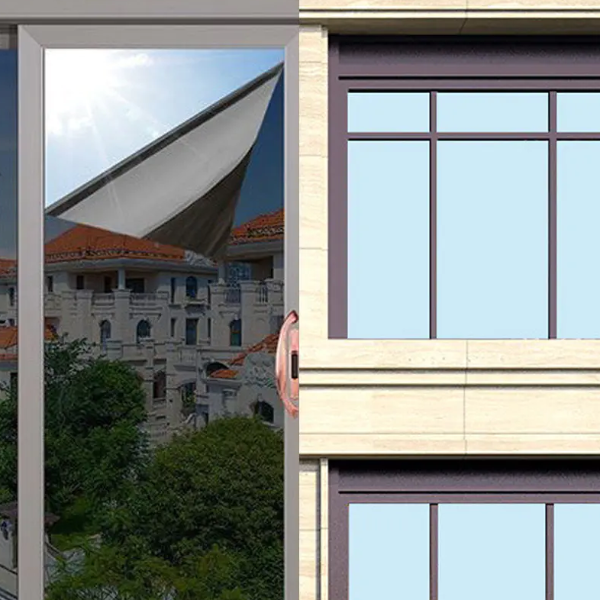
This is where Heat Insulation Film has found a practical place in modern building design.
A window film can add another layer to an existing glass surface. Depending on its design, it can interact with sunlight and help manage the amount of solar heat entering an indoor area.
The idea is simple. Instead of replacing the entire window, a film can become part of the existing surface.
That makes Heat Insulation Film relevant to buildings, offices, homes, vehicles, and other spaces where sunlight and indoor comfort need to be considered together.
A glass window is more than a transparent opening in a wall. It creates a connection between the indoor and outdoor environments.
When sunlight reaches the glass, part of that energy can enter the space. The effect becomes easier to notice when windows receive strong sunlight for long periods.
Indoor surfaces near the glass may warm up. Furniture, floors, walls, and other objects can absorb some of that heat. As the surrounding surfaces become warmer, the indoor environment may feel less comfortable.
The amount of heat entering through a window depends on several conditions. Window position, sunlight exposure, glass design, surrounding structures, and the indoor environment can all influence the experience.
A simple way to understand the relationship is:
| Solar Condition | Possible Indoor Effect |
|---|---|
| Strong Direct Sunlight | More heat may enter through the glass |
| Long Sun Exposure | Indoor surfaces may become warmer |
| Large Glass Area | More of the indoor space may be affected |
| Changing Sun Position | Heat distribution can change during the day |
| Limited Window Protection | More solar energy may reach indoor surfaces |
This does not mean sunlight is undesirable. Natural light remains an important part of many building designs.
The challenge is finding a practical balance between daylight and solar heat.
Insulation Film can become one part of that balance.
Insulation Film is designed to interact with sunlight before it freely enters the indoor space.
The film is placed on the glass surface. Its material structure can help reduce the amount of solar heat that passes through the window.
Rather than completely blocking the outside environment, the film can change how sunlight interacts with the glass.
This is one reason window film has become part of discussions around thermal comfort.
The basic process can be understood through several steps:
The exact effect depends on the type of film, glass surface, installation conditions, and surrounding environment.
Film is therefore not simply a dark layer placed over a window. Different film designs can serve different purposes.
Some are developed with stronger attention to heat management. Others may also consider light transmission, privacy, appearance, or glare.
The important point is that the film creates another layer between the outdoor sunlight and the indoor environment.
Not every window receives sunlight in the same way.
A window facing strong afternoon sunlight may have a different heat management need from one that receives softer light. A large glass wall may also create a different indoor experience from a small window.
This means Heat Insulation Film needs to be considered as part of the window system rather than as an isolated product.
Building orientation can influence sunlight exposure. Nearby buildings can provide shade. Trees can block part of the sunlight. Curtains and blinds can also change how much direct sunlight reaches the glass.
The existing glass matters as well.
When choosing a film, users may need to understand the condition and type of the glass surface. The film needs to be suitable for the intended application.
Several considerations can be reviewed:
| Window Consideration | Why It Matters |
|---|---|
| Window Position | Influences sunlight exposure |
| Glass Area | Affects the amount of surface receiving sunlight |
| Glass Type | Can influence film selection |
| Indoor Use | Helps determine the desired thermal environment |
| Existing Window Condition | Affects installation planning |
| Exterior Surroundings | May change sunlight reaching the window |
This approach helps prevent a common mistake: treating every window as if it has the same requirements.
A film may be suitable for one glass surface but require a different approach on another.
Understanding the window before choosing the film can make the application more practical.
Indoor comfort is not only about the overall room temperature.
People can notice heat differences near windows even when the rest of the room feels comfortable. A chair beside a sunny window may feel warmer than one farther away.
This uneven experience can affect how people use a room.
Film can help reduce the influence of direct solar heat entering through glass. As a result, areas near windows may experience a more manageable indoor environment.
The effect can be particularly relevant in spaces with large windows.
Offices, homes, shops, hotels, and other buildings may use extensive glass to bring in daylight and create an open appearance. Yet larger glass surfaces can also create more opportunities for solar heat to enter.
Window film offers one way to address that issue without changing the entire window structure.
It can also work alongside other measures.
Curtains can block sunlight. Blinds can provide adjustable control. Shading structures can reduce direct exposure from outside. Building cooling systems can manage indoor temperature.
Heat Insulation Film can become another layer within this group.
The goal is not necessarily to replace every other method. It is to make the window itself part of the solar heat management approach.
Heat management is an important reason for using window film, but it is not the only consideration.
Modern glass surfaces often need to support several practical needs at the same time.
People may want natural light while reducing uncomfortable heat. They may also want more privacy, less glare, or a different visual appearance.
Depending on the film design, these functions can be considered together.
| Possible Function | Relationship With Window Use |
|---|---|
| Solar Heat Management | Helps reduce the effect of incoming solar heat |
| Light Management | Can influence the way sunlight enters the space |
| Glare Reduction | May make bright areas more comfortable |
| Privacy | Can reduce direct visibility through some glass surfaces |
| Appearance | Can change the visual character of the window |
| Surface Protection | Some film types can provide an additional surface layer |
Not every Heat Insulation Film provides all of these functions.
That distinction is important for buyers. A product should be selected according to the actual needs of the application rather than assuming that every film has the same purpose.
The film's appearance may also matter.
A building owner may want to preserve the visual character of existing windows. An office may need a more neutral appearance. A home may require a different balance between light, privacy, and heat management.
This makes film selection part of the wider window design process.
One reason window film attracts attention is that it can be considered for existing glass surfaces.
Replacing windows can involve construction work, changes to the building appearance, and coordination with other parts of the property.
Film provides another option for situations where the existing windows remain usable but solar heat has become a concern.
This can be relevant during building upgrades.
Instead of viewing a window as a fixed part of the building, property owners can consider whether its performance can be adjusted through an additional surface layer.
The decision still depends on the condition of the glass and the intended application.
A practical evaluation may involve:
This process is useful because solar heat problems are not always evenly distributed.
Some windows may need more attention than others.
A targeted approach can make window upgrades more closely connected to actual building conditions.
The material of the film influences how it interacts with sunlight, glass, and the surrounding environment.
Different film constructions can provide different combinations of light control, heat management, appearance, and surface characteristics.
This is why the phrase "Heat Insulation Film" covers more than one type of product.
Material selection should match the intended application.
For example, a film used on residential windows may have different priorities from one used in a commercial building. Vehicle glass can present another set of conditions. Large glass surfaces may require different planning from smaller windows.
The surrounding environment also matters.
A film installed in a location with strong sunlight may need to be selected differently from one used in a shaded area. Indoor use, window orientation, glass condition, and visual requirements can all influence the decision.
Manufacturers therefore need to consider the relationship between the film and the application.
| Selection Area | Question to Consider |
|---|---|
| Solar Exposure | How much direct sunlight reaches the glass? |
| Window Type | What kind of glass will receive the film? |
| Indoor Environment | What kind of heat control is needed? |
| Appearance | How should the finished glass look? |
| Light | How much natural light should remain? |
| Privacy | Is additional visual control needed? |
| Installation | Is the existing surface suitable for application? |
This kind of selection process can help buyers avoid choosing a film based only on a general product name.
A useful way to approach Film is to begin with the problem rather than the product.
A buyer may notice that a room becomes uncomfortable near certain windows. Another may want to reduce the effect of strong sunlight without replacing existing glass. Someone else may be looking for a balance between daylight, appearance, privacy, and indoor comfort.
Each situation can lead to a different requirement.
Before selecting a product, buyers can consider:
These questions help turn a general interest in Heat Insulation Film into a more specific application plan.
The market for window film is also connected with changing attitudes toward existing buildings.
Not every improvement needs to involve replacing a complete building component. Sometimes an additional layer can change how an existing surface performs.
For glass windows, that additional layer can become part of a broader approach to managing sunlight.
The window remains a source of daylight. The film adds another consideration to the surface. Curtains, shading, building design, and indoor climate management can continue to play their own roles.
This creates a more connected way of thinking about solar heat.
Rather than treating sunlight as something that must simply be blocked, building designers and property users can consider how glass surfaces receive it, how heat moves into indoor spaces, and how different layers of protection can work together.
Heat Insulation Film fits into that process by making the window itself part of the conversation about solar heat management.
Contact us





+86-15726853660 / +86-18301913645
No. 99, Jinxiang Road, Hubin New District, Suyu, Suqian City, Jiangsu Province, China

Decorative Film Materials

 English
 Français
 Español
 عربى
عربى
 русский