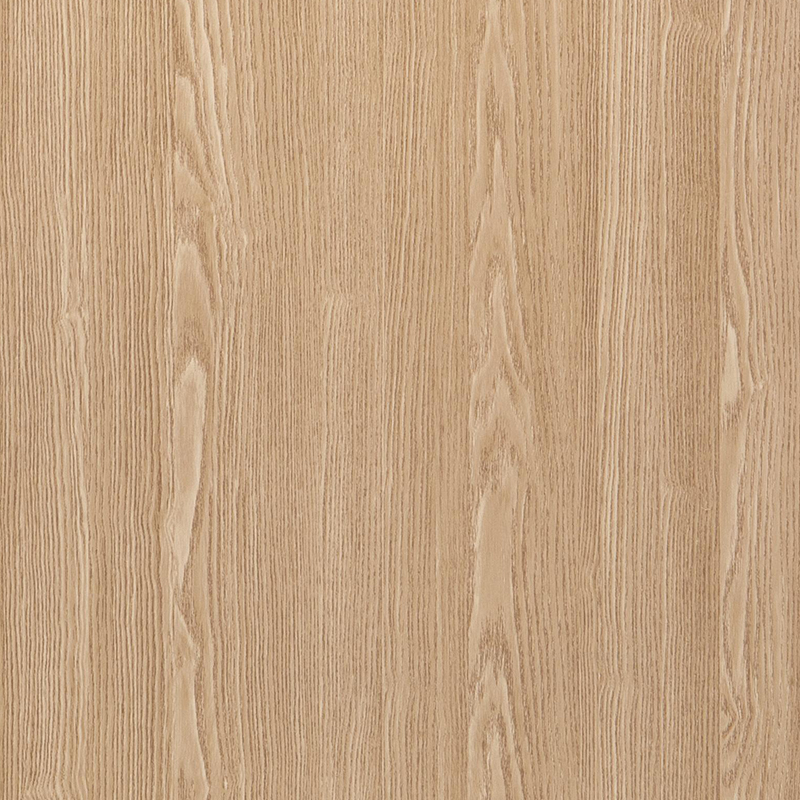
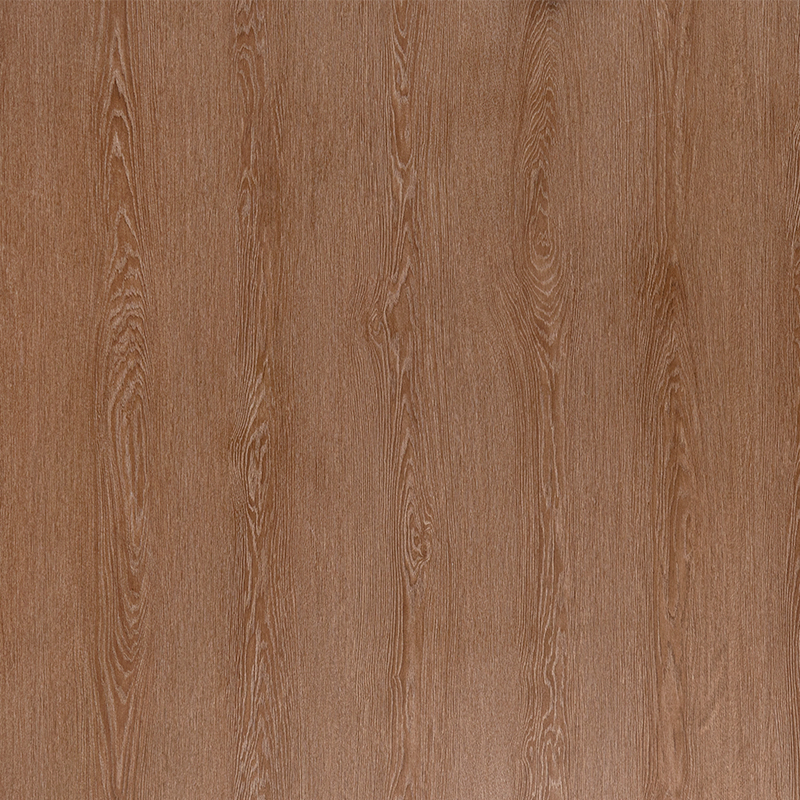
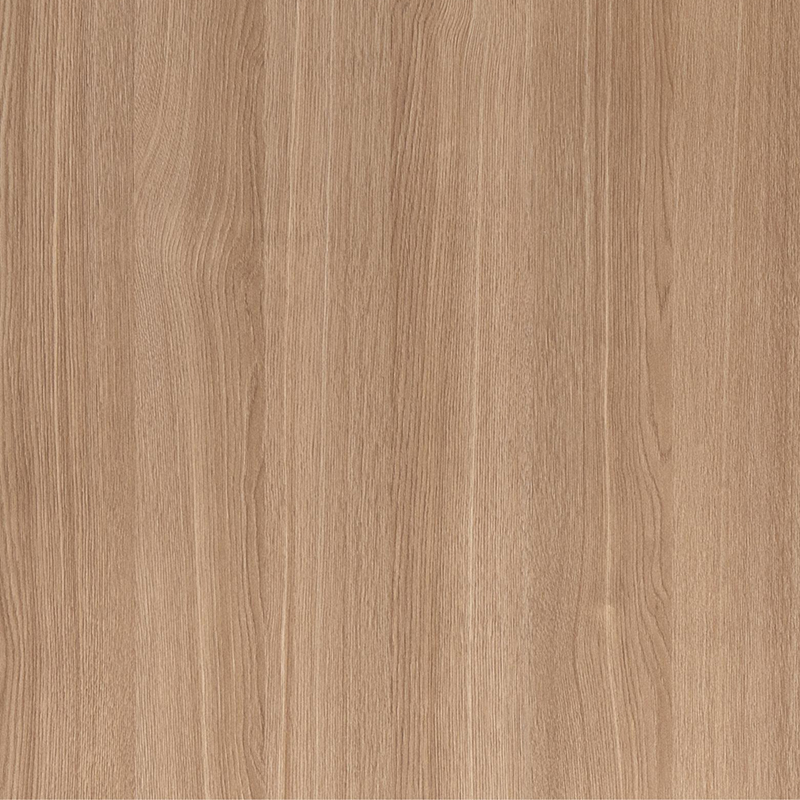
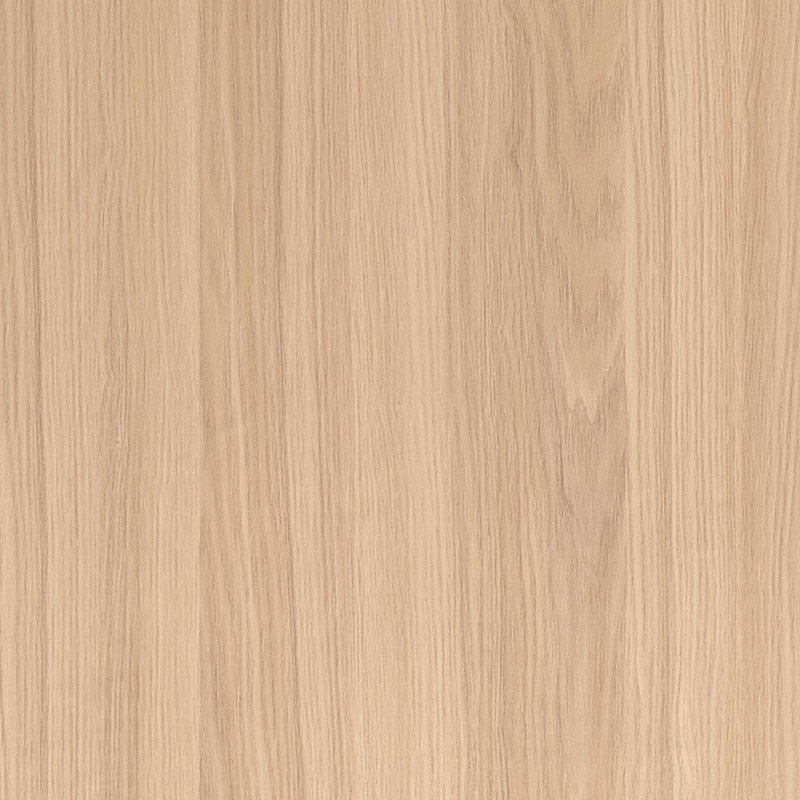
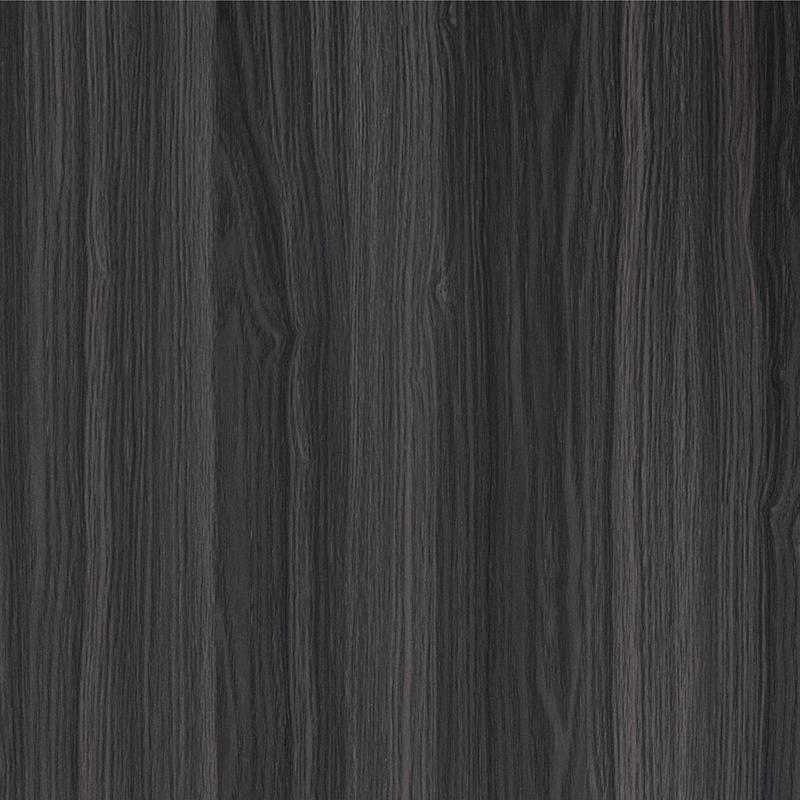
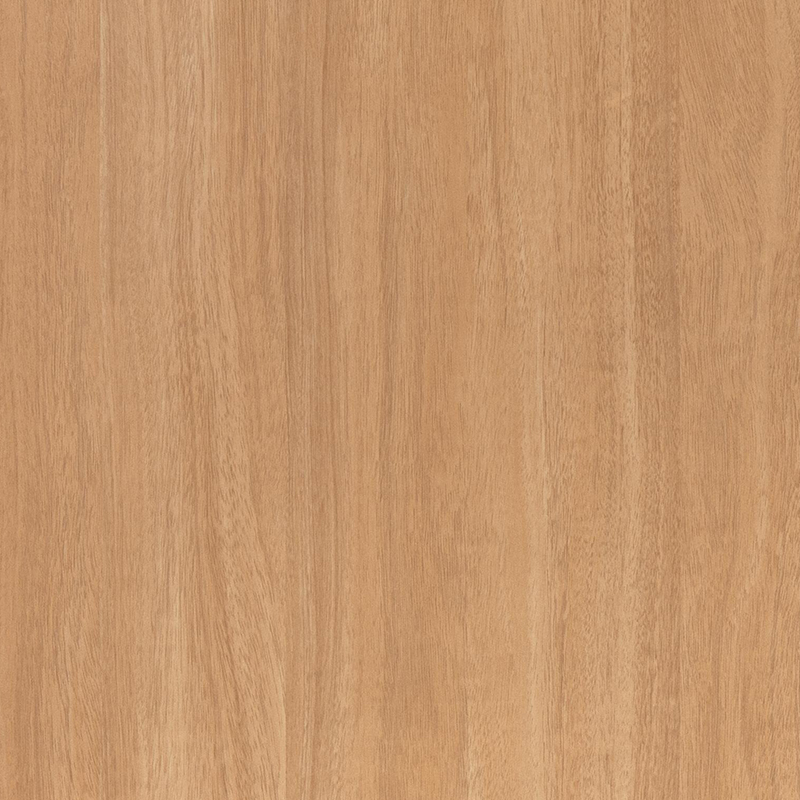
Walk into any recently updated space and you may notice something subtle. Surfaces look refreshed, yet nothing seems completely replaced. Walls carry a new texture. Cabinets appear different. Even doors seem to match a new design direction. In many cases, these changes come from surface solutions rather than full renovation.
Self adhesive interior film has quietly entered a wide range of interior projects. It is not limited to one type of environment. Instead, it follows how people use space today. Interiors are expected to adapt, sometimes quickly, sometimes without major construction.
The question is no longer what this material is. The more practical question is where it actually fits.
Why Are Walls Still the Most Common Application Area?
Walls set the tone of a room. Even a small change in surface appearance can shift how a space feels. Because of this, walls often become the starting point for updates.
Self adhesive interior film is frequently used on:
- Living room feature walls
- Bedroom headboard areas
- Office partitions
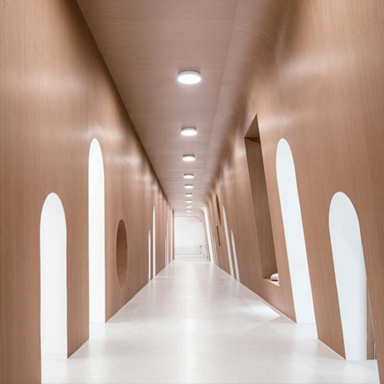
- Hallway panels
In residential settings, older walls may show wear or outdated finishes. Repainting is one option, but it often involves preparation, drying time, and odor concerns. Film offers a different route. It can be applied directly over a prepared surface, creating a new look without changing the wall structure.
In office environments, walls are not only decorative. They also divide space. Updating them with film allows businesses to maintain a consistent visual identity across multiple rooms.
What makes walls suitable is their flat surface. A smooth base allows the material to sit evenly, which affects both appearance and durability.
Can Furniture Really Be Transformed Without Replacement?
Furniture is often replaced not because it stops working, but because it no longer fits the desired style. This is where self adhesive interior film finds another role.
It is commonly applied to:
- Wardrobe doors
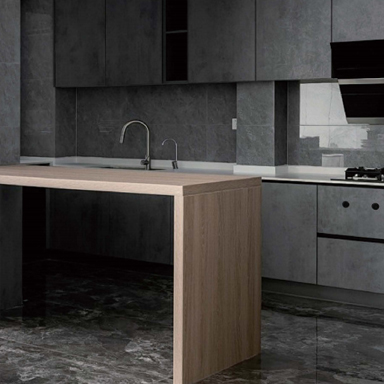
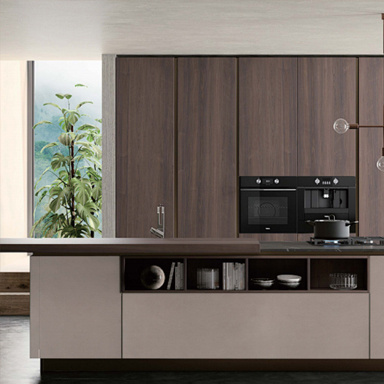
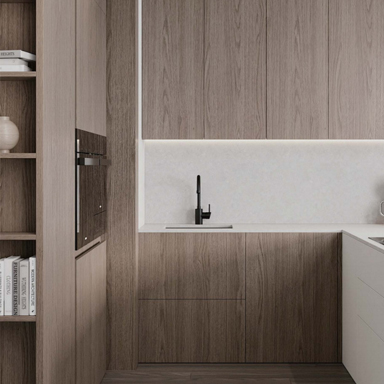
- Kitchen cabinets
- Office desks
- Storage units
Instead of removing these items, their surfaces can be covered. A dark cabinet may be changed into a lighter tone. A plain surface can take on a textured finish.
In shared spaces such as offices or rental apartments, this approach is especially practical. Furniture remains in use, while the overall appearance shifts to match new preferences.
There is also a quieter benefit. Reusing furniture reduces the need for disposal and replacement. This aligns with the growing interest in minimizing unnecessary waste during renovation.
Still, the condition of the original surface matters. A stable base supports better results.
How Is It Used in Commercial Interiors Without Interrupting Business?
Commercial spaces rarely have the luxury of long closures. Shops, offices, and service areas often need to remain open while updates take place.
Self adhesive interior film is used in:
- Retail display areas
- Office workstations
- Reception counters
- Meeting rooms
In a retail setting, visual identity can change with seasons or marketing strategies. Instead of rebuilding displays, surfaces can be adjusted with film. This allows a store to refresh its look within a short timeframe.
In offices, the layout may stay the same while the design evolves. Applying film to desks, partitions, or cabinets helps create a unified appearance.
The key factor here is time. Installation can often be done in stages, which allows daily operations to continue.
This flexibility explains why the material appears more often in business environments where continuity matters.
Is It Practical in Kitchens and Other High-Use Areas?
Kitchens present a different kind of challenge. Surfaces are used frequently. They are cleaned often. They are exposed to changing conditions.
Even so, self adhesive interior film is still used in areas such as:
- Cabinet exteriors
- Drawer fronts
- Appliance panels
- Storage surfaces
The goal is not to rebuild the kitchen. Instead, it is to refresh visible surfaces.
In many homes, the structure of the kitchen remains functional. Only the appearance feels outdated. Applying film allows a visual update without removing cabinets or fixtures.
In rental properties, this method is often chosen because it avoids major changes. Landlords can update the look of a kitchen without large investment or long renovation time.
Care still needs to be taken with placement. Surfaces that are smooth and stable tend to support better application.
What Role Does It Play on Doors and Interior Details?
Doors are used every day, yet they are often ignored during renovation. Their finish may no longer match the rest of the space.
Self adhesive interior film can be applied to:
- Interior doors
- Closet panels
- Decorative trims
- Built-in units
Changing these surfaces can create visual continuity. When doors match walls or furniture, the space feels more connected.
In commercial environments, this detail becomes more noticeable. A consistent finish across doors, panels, and fixtures supports a unified design.
This type of application does not require structural changes. It focuses only on surface appearance.
Can It Be Seen in Hospitality and Public Spaces?
Hotels, serviced apartments, and public interiors often go through regular updates. The goal is to keep spaces visually appealing while maintaining daily operation.
Self adhesive interior film is used in:
- Guest room furniture
- Reception desks
- Elevator interiors
- Lounge walls
In these environments, time is always limited. Rooms need to be ready for the next guest. Public areas need to remain accessible.
Surface updates using film allow gradual changes. A hotel may refresh certain rooms while others remain in use. Public areas can be updated section by section.
This approach reduces disruption. It also allows design changes to happen more frequently.
How Does It Adapt Across Different Application Scenarios?
The same material behaves differently depending on where it is used. Each environment has its own expectations.
| Application Area |
Common Use |
Key Consideration |
| Residential walls |
Visual refresh |
Smooth base surface |
| Furniture |
Style update |
Surface condition |
| Commercial interiors |
Brand consistency |
Installation timing |
| Kitchens |
Surface renewal |
Cleaning habits |
| Doors and fixtures |
Visual matching |
Daily use |
| Hospitality spaces |
Frequent updates |
Minimal disruption |
This range shows that the material is not limited to one purpose. It adapts based on how people interact with each space.
How Are Designers Using It Beyond Basic Renovation?
The use of self adhesive interior film is no longer limited to simple replacement of old finishes. Designers are using it as a creative tool.
Some approaches include:
- Combining different textures within one room
- Highlighting certain areas such as feature walls
- Creating contrast between surfaces
- Testing design ideas without permanent changes
A workspace may use one finish for desks and another for walls, creating visual layers. A retail store may highlight a display area using a different texture.
There is also room for experimentation. Since the material does not require major construction, it allows adjustments over time.
Property owners sometimes use it to explore new styles before committing to larger renovations. This flexibility supports a more gradual design process.
Why Is It Appearing in More Renovation Projects Today?
Interior renovation is changing. People look for solutions that are faster, less disruptive, and more adaptable.
Self adhesive interior film fits into this shift. It allows surfaces to change without altering the underlying structure. It supports both small updates and broader design adjustments.
Its presence across homes, offices, and commercial spaces reflects how interiors are used today. Spaces are no longer fixed. They evolve with changing needs, preferences, and functions.
And as this pattern continues, surface solutions like this are likely to remain part of everyday interior updates, quietly shaping how environments look and feel.





 English
 Français
 Español
 عربى
عربى
 русский