+86-15726853660 / +86-18301913645
+86-15726853660 / +86-18301913645
Walk into a newly refreshed space and the walls often tell a quiet story. Some look smooth and uniform, almost like a printed layer placed with intention. Others carry texture, seams, and a more traditional feel. These visual differences often come down to two common choices: interior film stickers and wallpaper.
In recent discussions across design studios and renovation teams, these two materials are often compared. Both aim to reshape interior surfaces without heavy construction. Yet they behave differently in use, installation, and long-term flexibility. The choice is not only about appearance. It also reflects how spaces are updated, maintained, and adapted over time.
If you've ever peeled a large sticker onto a cabinet door and smoothed out the bubbles with a credit card, you already know the basic idea. Film stickers are self-adhesive sheets—thin enough to feel almost like skin rather than fabric—that stick directly onto walls, cabinets, doors, or furniture panels without touching the structure underneath.
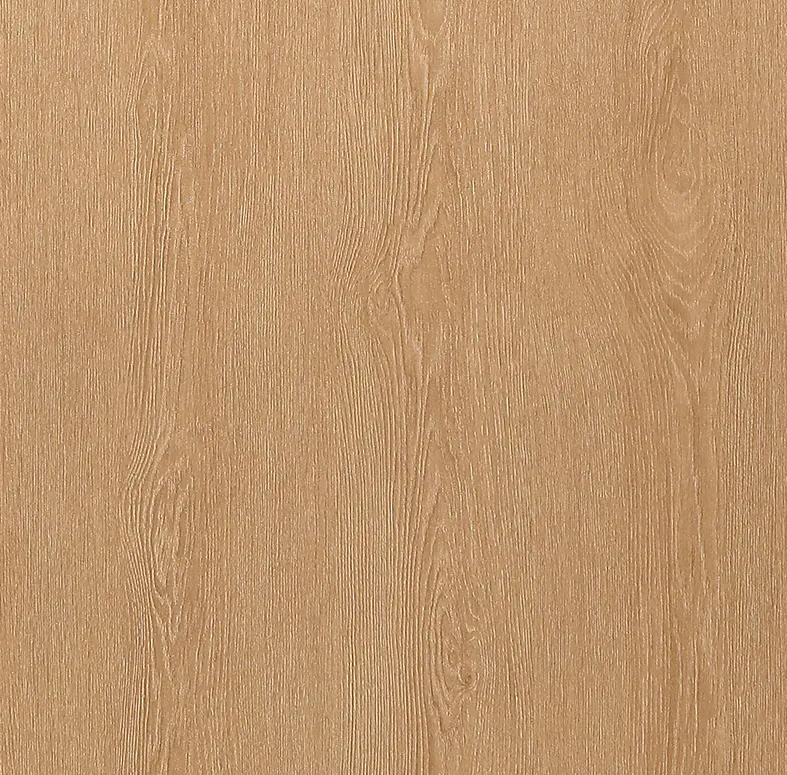
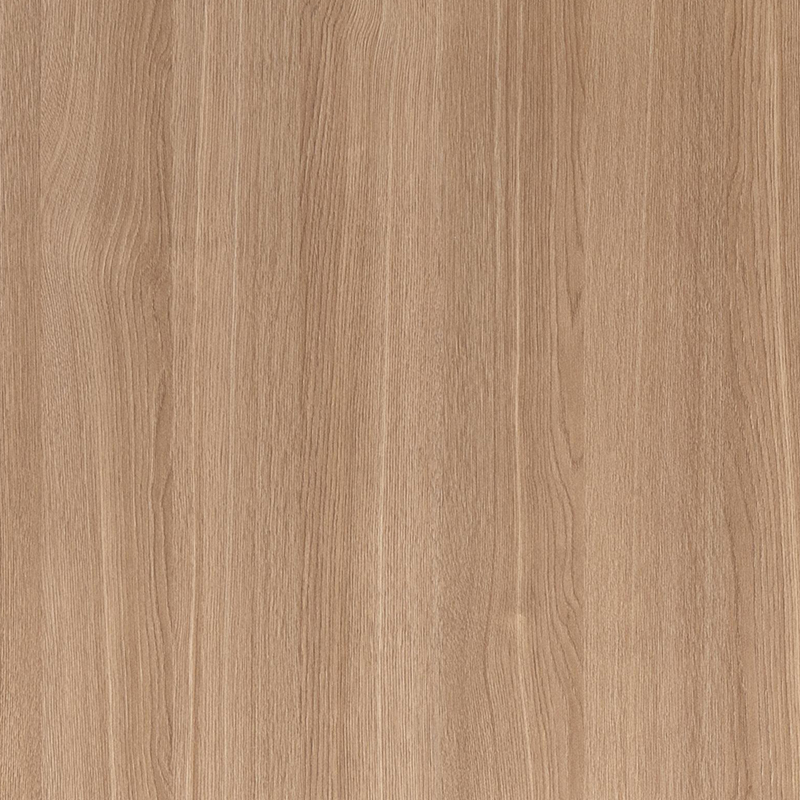
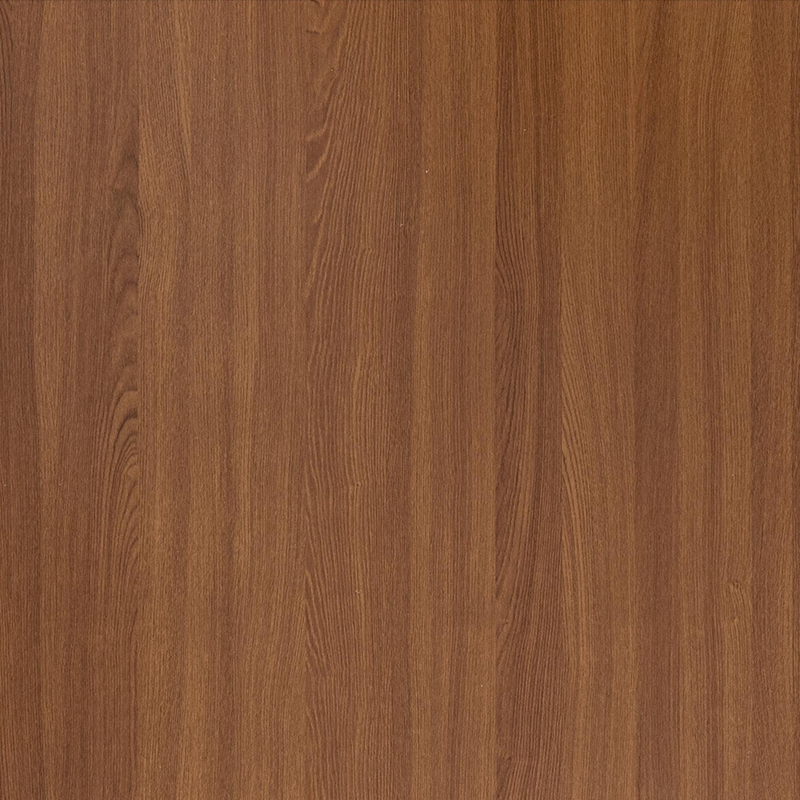
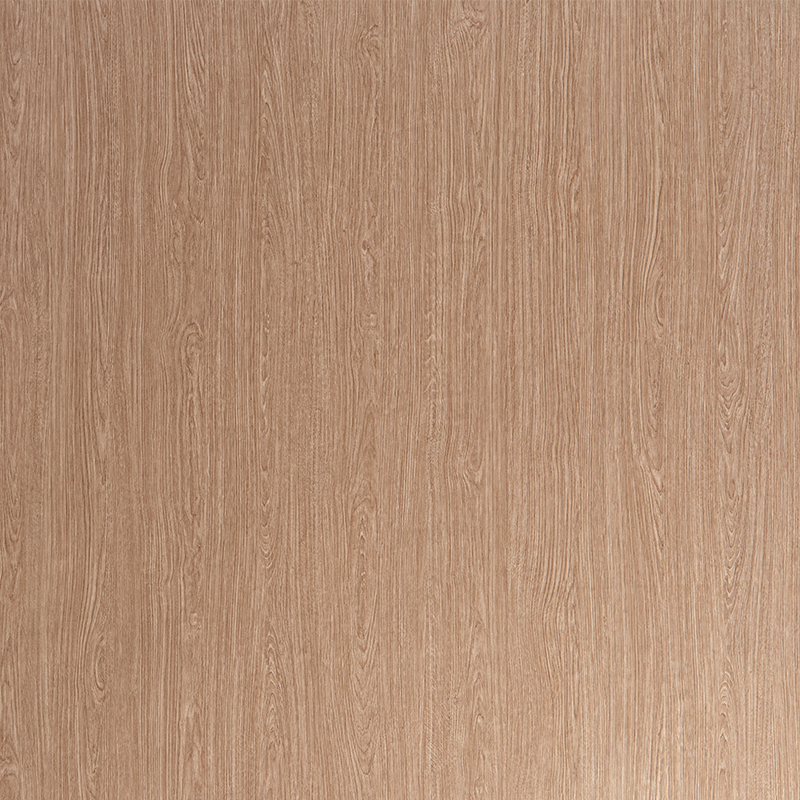
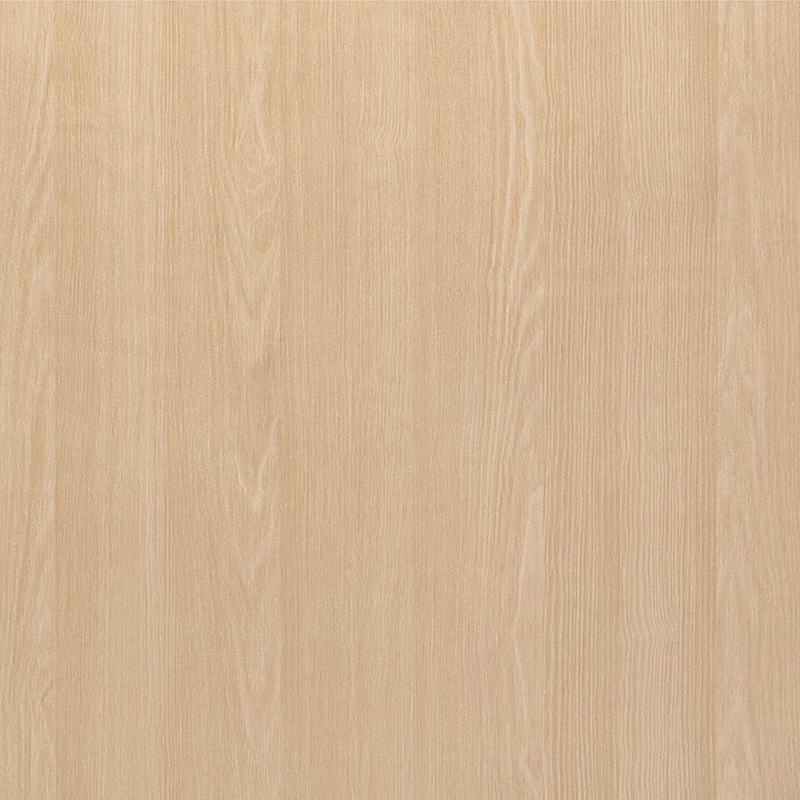
They usually come as rolls or pre-cut sheets, and most people trim them on-site to fit odd corners or curves. Some mimic wood grain or stone; others go for flat, matte colors or barely-there textures. What matters most, though, isn't the look—it's the relationship with the surface. A film sticker sits on top of whatever's there. It doesn't merge into the wall the way paint or plaster does. That's exactly why it's popular in rentals, pop-up shops, or any space where "temporary" is part of the plan.
Wallpaper's been around a lot longer, and it shows in how it behaves. It's built from layered material—paper, vinyl, sometimes fabric-backed—carrying printed patterns that need paste or a moisture-activated backing to go up properly.
The feel is different too. Where film stickers behave like a coating, wallpaper behaves more like a covering. It has enough body to smooth over small wall imperfections, and its whole design language leans on repetition—matching seams, aligning patterns, keeping the rhythm consistent across a room. Hanging it isn't a five-minute job; you're lining up panels, working out air bubbles, trimming edges carefully. But once it's up, it tends to stay up for years, not months.
Honestly, it comes down to how long you want the look to last and how much of the "commitment" you're comfortable with. Film stickers are the low-stakes, quick-swap option. Wallpaper is the slower, more permanent statement piece.
| Aspect | Interior Film Sticker | Wallpaper |
|---|---|---|
| Feel | Thin, skin-like | Layered, has body |
| Application | Peel-and-stick, DIY-friendly | Paste/adhesive, needs alignment |
| Commitment | Removable, short-term | Long-lasting, semi-permanent |
| Best for | Rentals, quick refreshes, small fixes | Statement walls, long-term design |
Installation is one of the clearest distinctions between the two.
Film stickers rely on a peel-and-apply method. The backing is removed, and the film is placed onto the surface. Adjustments can be made during application. Air bubbles may be smoothed out with simple tools.
Wallpaper, in contrast, often requires preparation steps. Adhesive is applied either to the wall or the material itself. The paper is then positioned carefully. Alignment is important, especially for patterned designs. Drying time is part of the process.
Here is a simple comparison:
| Aspect | Interior Film Sticker | Wallpaper |
|---|---|---|
| Application method | Peel and stick | Paste or water activation |
| Surface preparation | Clean and smooth | Clean, often primed |
| Adjustment during install | Flexible | Limited once placed |
| Installation speed | Relatively quick | More time involved |
| Tools required | Basic tools | Additional materials needed |
These differences affect not only the installation process but also the labor involved. In some projects, the choice may depend on how quickly a space needs to be updated.
Durability is often discussed in practical terms. Both materials can last under normal indoor conditions, yet their behavior over time varies.
Interior film stickers tend to maintain a stable surface appearance. They resist minor surface contact and can be cleaned with simple methods. Since they adhere directly, they are less likely to peel at edges if installed properly.
Wallpaper may react more to humidity and environmental changes. In some settings, edges can lift or seams may become visible over time. The underlying wall condition plays a role in how well it holds.
Another aspect is removal. Film stickers are usually designed to be taken off with less impact on the surface. Wallpaper removal can be more involved, especially if adhesive bonds strongly to the wall.
Design flexibility is not only about patterns. It also includes how easily a space can be updated.
Interior film stickers allow for quick changes. A cabinet can be refreshed without replacing it. A wall section can be updated without affecting the entire room. This makes it suitable for environments where visual updates happen often.
Wallpaper offers a broader range of artistic expression. Complex patterns, layered textures, and detailed prints are common. It suits spaces where design is meant to remain stable for a longer period.
In practice, the decision may depend on how often the space is expected to change. Temporary installations often lean toward film. Long-term decorative plans may favor wallpaper.
Both materials can be used in residential and commercial interiors, yet their suitability may differ depending on the setting.
Film stickers are often chosen for areas that require frequent updates. Retail spaces, offices, and rental properties are common examples. They can also be used on furniture surfaces, expanding their range beyond walls.
Wallpaper is commonly used in living spaces, bedrooms, and feature walls. It adds depth and visual character. In quieter environments, its softer finish may feel more integrated with the overall design.
A simplified view:
| Environment | Interior Film Sticker | Wallpaper |
|---|---|---|
| Retail space | Often used | Sometimes used |
| Office interiors | Common | Used for feature walls |
| Residential walls | Used selectively | Common choice |
| Furniture surfaces | Suitable | Not typically used |
| Temporary setups | Practical | Less common |
The choice often reflects how the space is used rather than the material alone.
Maintenance is part of everyday experience. It affects how a surface looks after repeated use.
Film stickers usually allow for easy cleaning. A simple wipe can remove marks or dust. The surface tends to resist minor stains.
Wallpaper may require more careful handling. Some finishes can be cleaned gently, while others may be sensitive to moisture. Over time, areas with frequent contact may show wear.
Another point is repair. If a section of film is damaged, it can often be replaced without affecting the surrounding area. Wallpaper repairs may require matching patterns, which can be more complex.
Cost isn't just the material price—it includes installation, maintenance, and future updates too.
Interior film goes up fast, with no drying time, so a shop can often reopen the same day, cutting downtime losses significantly. Wallpaper takes more work upfront, with longer prep and installation, especially for detailed patterns—but that effort buys the layered, traditional look many people are willing to pay for.
Maintenance tells a similar story. Damaged film can be patched section by section, while wallpaper issues often mean redoing a larger area, with no guarantee the new piece matches the old pattern.
So the real question isn't "which is cheaper," but "how long do you plan to keep this look, and how often will it change." Spaces that refresh often come out ahead with film; spaces chasing a lasting, textured feel get more value from wallpaper. Once that's clear, the choice makes itself.
The continued use of both materials reflects different needs rather than competition alone. Interior spaces are not uniform. Some require flexibility and speed. Others focus on long-term visual identity.
Interior film stickers align with a shift toward adaptable spaces. They support quick updates and surface renewal without major disruption.
Wallpaper remains connected to decorative tradition. It offers a sense of depth and pattern that many designers still value.
In many projects, the two are not mutually exclusive. A space may use film on furniture and wallpaper on feature walls. The combination allows designers to balance practicality with visual expression.
The decision often begins with a simple question: how will the space be used?
A space that changes often may benefit from a solution that is easy to update. A space designed for stability may lean toward a more permanent finish. Surface condition, maintenance expectations, and installation time all play a role.
Rather than viewing one option as replacing the other, many professionals treat them as tools. Each has its place, shaped by the needs of the project and the rhythm of the space itself.
Contact us

+86-15726853660 / +86-18301913645
No. 99, Jinxiang Road, Hubin New District, Suyu, Suqian City, Jiangsu Province, China

Decorative Film Materials

 English
 Français
 Español
 عربى
عربى
 русский