+86-15726853660 / +86-18301913645
+86-15726853660 / +86-18301913645
Furniture design isn't limited to shape, size, and structure anymore. Surface appearance plays a huge role in how people choose furniture for homes, offices, hotels, and commercial spaces. A cabinet door with a wood-like finish, a wardrobe with a soft matte surface, or a table with a smooth decorative layer can change the look and feel of an entire room. These design choices have pushed furniture manufacturers to explore different surface materials, including PVC film for furniture .
PVC film is a decorative surface material used on various furniture components. It can provide color, texture, and visual detail while helping protect the underlying surface from everyday contact. Its range of designs makes it suitable for different interior styles, from simple modern spaces to rooms with a more traditional appearance.
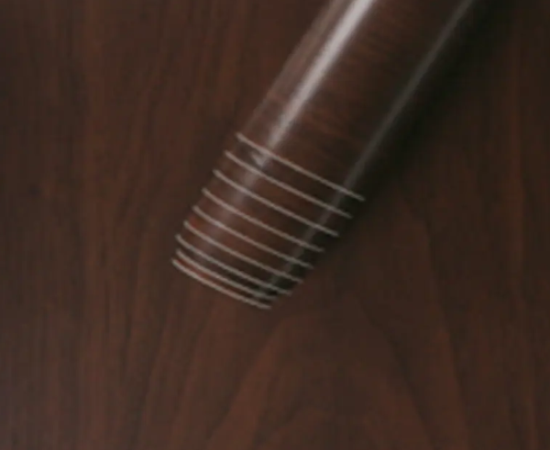
For furniture manufacturers, PVC film offers flexibility in surface design and production planning. For buyers, it opens up access to a wide range of furniture finishes without relying entirely on natural materials. Its value depends on the intended application, the quality of the film, the furniture substrate, and how the finished product will actually get used.
Understanding the benefits of PVC film can help manufacturers, designers, and buyers make more informed decisions about furniture surfaces.
Furniture surfaces influence both the visual character of a product and its suitability for different spaces. Natural wood, painted finishes, laminates, and decorative films each offer different design possibilities. PVC film has become a useful option because it combines decorative flexibility with practical surface coverage in one material.
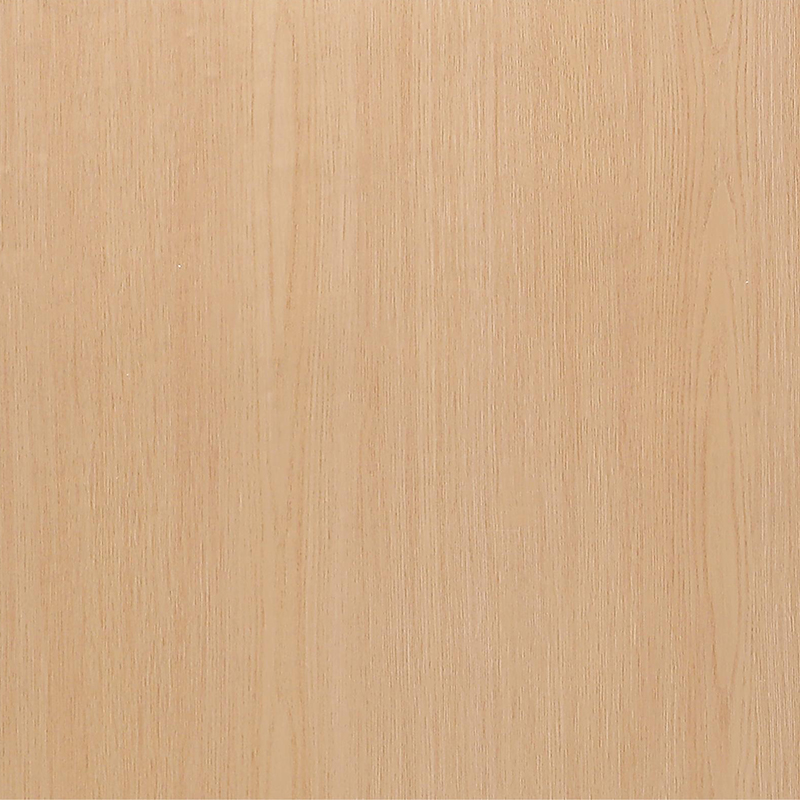
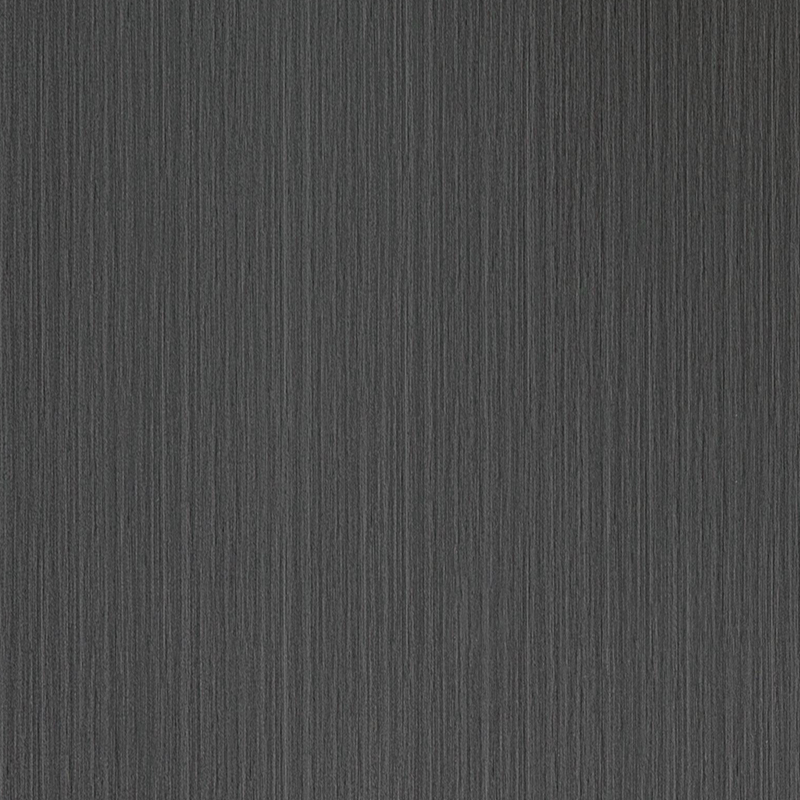
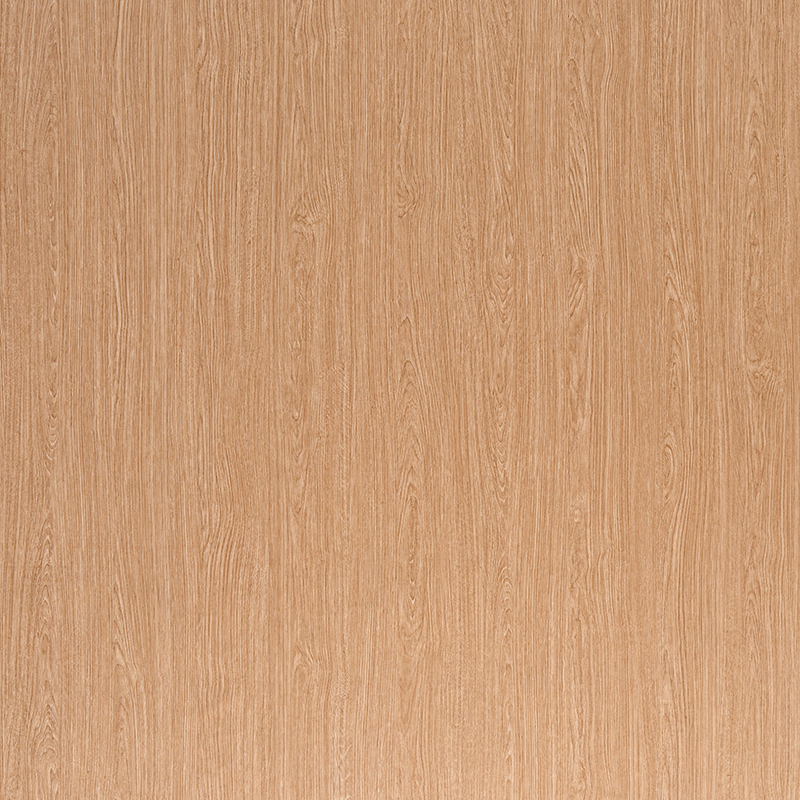
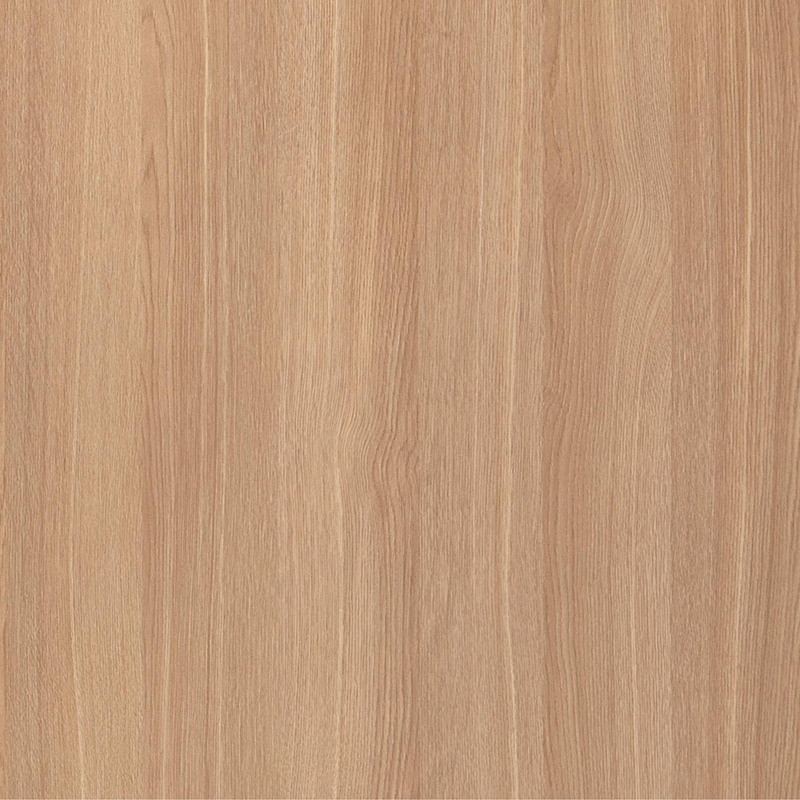
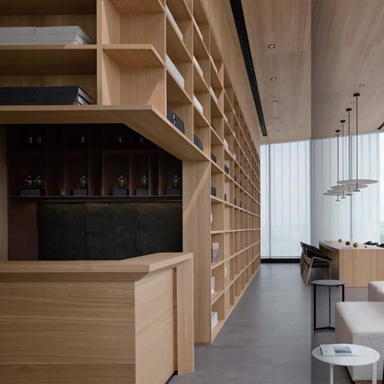
One of its main attractions is the sheer variety of finishes available. Depending on the product, PVC film can feature wood grain, stone-inspired patterns, solid colors, or subtle textures. These choices let furniture makers create different visual effects without changing the basic structure of the furniture itself.
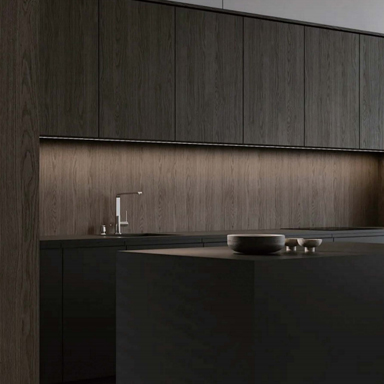
A wardrobe may use a wood-grain finish to create a warm atmosphere, for example. A kitchen cabinet may feature a simple neutral color to support a clean interior design. Office furniture may use understated textures that fit a professional setting instead.
PVC film can also get applied to different furniture components, depending on the film type and manufacturing process. Cabinet doors, wardrobe panels, decorative boards, and selected furniture profiles are common examples. This flexibility gives manufacturers more ways to coordinate the appearance of different products across a line.
Another reason for its use is that decorative film can help establish a consistent visual style across a furniture collection. When several pieces share a similar finish, the room feels more coordinated as a result. This proves useful for furniture ranges designed for apartments, hospitality spaces, offices, and other projects where appearance needs to stay consistent.
The material isn't suitable for every surface or production method, worth noting. Manufacturers need to consider the substrate, application process, intended environment, and required finish before selecting a particular PVC film.
Surface appearance is often one of the first things people notice when looking at furniture. Even when two products share similar structures, their finishes can make them feel completely different. PVC film gives manufacturers more options for shaping this visual experience.
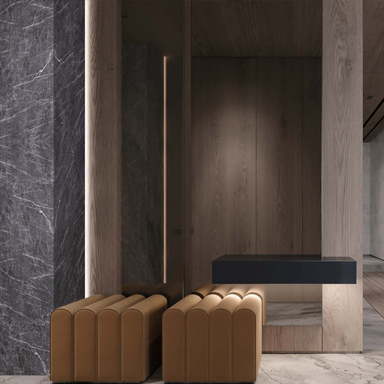
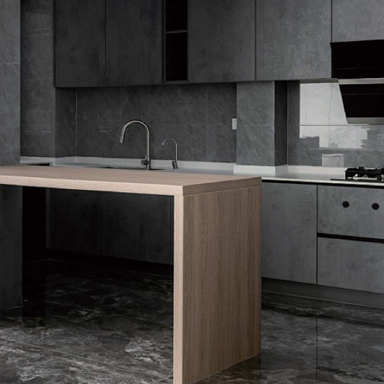
PVC film comes in many decorative styles. Solid colors can support simple and contemporary interiors, while wood-inspired patterns can create a warmer look. Other designs may imitate the appearance of stone or feature abstract patterns for a more distinctive effect.
This variety lets furniture manufacturers respond to different customer preferences. A product range can include several surface designs while retaining a similar underlying construction throughout.
Color is only one part of furniture design. Texture and surface appearance affect how a product gets perceived too. Depending on the film, the finish may look glossy, matte, smooth, or textured.
A glossy cabinet surface can reflect light and create a brighter impression. A matte finish may offer a quieter appearance that fits understated interiors. Textured designs can add visual depth without requiring a naturally textured material at all.
The choice should reflect the furniture's purpose and surrounding environment. A finish that suits a bedroom wardrobe may not be the right pick for a busy commercial reception area.
Using a coordinated decorative film can help manufacturers maintain a similar appearance across furniture panels and related components. This proves particularly useful when multiple pieces need to match within one interior project.
That said, visual consistency depends on more than the film itself. Surface preparation, application quality, pattern alignment, and production control can all affect the final result considerably.
Furniture takes regular contact throughout its service life. Cabinet doors get opened and closed, tabletops get wiped, and wardrobe panels may get touched many times a day. These activities can gradually affect the appearance of an unprotected surface over time.
PVC film can serve as a decorative covering that helps shield the underlying material from some forms of everyday contact. Depending on its design and intended use, it may help reduce direct exposure to minor surface marks, dust, and light splashes.
This protective role matters especially for furniture made with engineered wood or other substrates that benefit from a finished outer layer. The film covers the visible surface and contributes to the overall appearance of the furniture at the same time.
Still, the level of protection varies by product. Not every PVC film has the same resistance to scratches, moisture, heat, or cleaning agents. The quality of the application matters just as much. Poor bonding, damaged edges, or unsuitable surface preparation can reduce the effectiveness of the finished covering.
It's also important to distinguish everyday surface protection from complete waterproofing or damage prevention. PVC film doesn't automatically make an entire piece of furniture waterproof. Moisture may still affect exposed edges, joints, or the underlying board if the furniture is poorly designed or maintained.
For furniture used in kitchens, bathrooms, or other areas where moisture is common, manufacturers should select film and substrates intended for those conditions specifically. Buyers should follow the furniture supplier's care instructions rather than assuming a decorative film can withstand every type of exposure thrown at it.
Furniture manufacturers need to balance appearance, production requirements, material selection, and customer expectations all at once. Decorative surface materials can influence all these areas. PVC film may support cost-conscious production by offering a broad range of visual options within an established manufacturing process.
One potential benefit is the ability to create decorative finishes without using solid natural materials for every visible surface. A wood-inspired film, for example, can provide a wood-like appearance on a suitable furniture substrate. This gives manufacturers more flexibility when planning products for different price points.
The result still depends on the overall construction, though. The cost of a finished furniture item includes the substrate, film, adhesives or other application materials, labor, equipment, finishing, packaging, and quality control. PVC film alone doesn't determine whether a product is affordable.
Its design flexibility can also simplify product planning. Manufacturers may be able to offer several decorative options using similar furniture structures. This can make it easier to develop coordinated collections for different interior styles without redesigning every component from scratch.
Production efficiency is another consideration worth flagging. When the film is compatible with the application process and the work is properly controlled, manufacturers can establish repeatable finishing routines. Consistent processes may help reduce avoidable rework and material waste.
That said, results depend on operator skills, equipment suitability, film handling, and the condition of the furniture substrate. An unsuitable film or poorly controlled application can create defects that require repair or replacement.
For buyers, the practical question isn't whether PVC film is always cheaper than other materials. It's whether the finished furniture provides an appropriate balance of appearance, service life, maintenance needs, and purchase cost for its intended use.
PVC film gets used across a range of furniture applications, but its suitability depends on the component and the conditions the furniture will face. Matching the film to the application is an important part of achieving a satisfactory finish.
Cabinet doors and selected panels may use PVC film to create wood-like, neutral, or glossy finishes. Because kitchens see frequent cleaning, splashes, and changes in temperature, the selected film and furniture construction should suit that environment specifically.
Wardrobes, storage cabinets, and selected bedroom furniture can use decorative film to create coordinated surfaces. Neutral colors and wood patterns are common design choices for interiors aiming to feel calm and consistent.
Desks, storage units, and selected cabinet components may use PVC film to achieve a consistent appearance across a workspace. The appropriate finish depends on the furniture's daily use, cleaning routine, and design requirements.
TV consoles, shelving units, side cabinets, and decorative panels can benefit from a wider choice of surface designs. Film can help coordinate furniture with flooring, wall colors, and other interior elements.
Other potential applications include display furniture, selected retail fixtures, and decorative furniture profiles. In each case, the manufacturer needs to confirm the film suits the shape, substrate, and intended use of the component.
Curved edges and shaped profiles may require films designed specifically for those application methods. A product intended for flat panels may not perform as expected on complex surfaces. Selecting a suitable material at the design stage can help avoid problems during production later on.
Furniture maintenance affects how a surface looks over time. A finish that's difficult to clean may become inconvenient in a busy household or commercial setting. PVC film can offer practical maintenance benefits when its surface properties match the intended application.
Many furniture surfaces covered with suitable PVC film can be cleaned with a soft cloth and a mild cleaning solution. Routine removal of dust and light dirt helps maintain the appearance of the finish. The exact cleaning method should follow the furniture manufacturer's instructions.
The smoothness of some film surfaces can make ordinary cleaning fairly straightforward. On suitable products, everyday marks may be easier to remove than from surfaces with deep grooves or exposed porous materials. Textured films, however, may need more attention because dirt can collect in surface details.
Careful cleaning still matters. Abrasive pads, harsh chemicals, sharp objects, and excessive force may damage the decorative layer. Strong solvents shouldn't be used unless the manufacturer confirms they're compatible with the film.
Moisture should get managed sensibly too. Wiping away spills instead of letting water sit around joints or edges can help protect the furniture structure. This matters particularly where the substrate may be sensitive to moisture.
Maintenance requirements vary with the type of film, the furniture's construction, and the surrounding environment. Manufacturers should provide clear care guidance so users know how to clean the surface without causing avoidable damage.
Furniture trends vary across markets and customer groups. Some buyers prefer natural-looking interiors, while others favor solid colors, understated finishes, or more expressive decorative patterns. Manufacturers need materials that help them respond to these preferences without making every design change a headache to manage.
PVC film offers flexibility because the visible surface can change while the underlying furniture structure stays similar. A manufacturer may offer the same cabinet design in several finishes, letting customers choose a look that suits their space.
This approach can support coordinated furniture collections. A similar decorative style can get used across wardrobes, storage cabinets, shelving units, and other components, subject to the film's suitability for each application. Matching finishes can help create a unified interior without requiring every piece to use the same construction material.
Decorative film can also help designers explore styles that would otherwise require different surface materials entirely. Wood-inspired patterns, stone-like visuals, and solid colors can all get considered within one design range. This gives product developers more room to respond to changing preferences.
Flexibility doesn't mean every film can be used interchangeably, though. Pattern scale, color consistency, surface texture, forming requirements, and substrate compatibility all influence the final appearance. Manufacturers need to assess these details before moving from a design concept to production.
The useful design approach considers appearance alongside function. A visually appealing finish should also suit the furniture's shape, expected handling, cleaning routine, and service environment.
The benefits of PVC film depend on choosing a product that fits the furniture application. A film that performs well on one type of cabinet may not suit another component at all. Manufacturers should review several practical factors before making a selection.
| Selection factor | What to consider |
|---|---|
| Furniture application | Identify whether the film will be used on cabinet doors, flat panels, shaped profiles, or other components |
| Substrate compatibility | Confirm the film and application method suit the underlying material |
| Surface appearance | Compare colors, patterns, gloss levels, and textures with the intended furniture design |
| Application process | Check whether the film suits the forming, bonding, or finishing process used in production |
| Intended environment | Consider exposure to moisture, sunlight, frequent handling, and cleaning |
| Maintenance requirements | Review recommended cleaning methods and restrictions on cleaning products |
| Quality consistency | Check appearance, bonding, surface condition, and consistency across the supplied material |
| Supplier information | Request relevant product documentation, application guidance, and care recommendations |
Manufacturers should also consider how the film will behave during handling and production. Rolls need storage under suitable conditions, protection from contamination, and careful handling to prevent creases or surface damage. Film damaged before application may create visible defects in the finished furniture.
Small-scale trials can prove useful when introducing a new film. Testing on the intended substrate lets the manufacturer assess appearance, adhesion, forming behavior, and compatibility with the production process before committing to wider use.
Communication between the furniture manufacturer, designer, and film supplier can reduce misunderstandings considerably. Clear information about the intended application helps the supplier recommend a suitable product and explain any limitations upfront.
For buyers, it helps to ask how the finished furniture should be cleaned, which conditions it's designed to withstand, and whether repairs are possible if the decorative surface becomes damaged. These questions provide a clearer picture of the furniture's practical value beyond its initial appearance.
PVC film offers furniture manufacturers a flexible way to combine decorative choice with practical surface coverage. Its usefulness comes down to matching the right film to the furniture structure, production method, design goals, and conditions of everyday use.
Contact us

+86-15726853660 / +86-18301913645
No. 99, Jinxiang Road, Hubin New District, Suyu, Suqian City, Jiangsu Province, China

Decorative Film Materials

 English
 Français
 Español
 عربى
 русский