+86-15726853660 / +86-18301913645
+86-15726853660 / +86-18301913645
Glass doors can make an interior feel open and bright. They allow light to move between rooms and can make a small space feel less enclosed. At the same time, clear glass can create an unwanted problem. People can see directly through the door.This is where Privacy Door Cling comes into the picture.
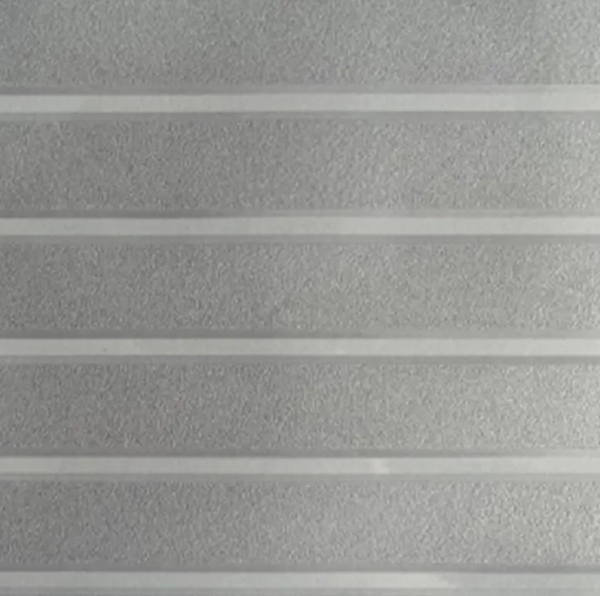
Door Cling is a decorative covering designed to be applied to smooth glass surfaces. It can reduce visibility through a glass door while changing its appearance at the same time. Some products use frosted patterns, while others use decorative shapes, textures, or printed designs.
The basic idea is simple. Instead of replacing the glass, a thin material is placed over the existing surface. The covering changes how the glass looks and how clearly people can see through it.
Many Door Cling products use a static cling approach rather than traditional glue. The material can be positioned on clean glass and held against the surface through close contact. Water can also be used during installation to help position the film and remove trapped air. Once the surface is smoothed, the cling remains against the glass without creating the type of permanent adhesive bond associated with glued films.
That simple installation concept has helped make door clings useful for homes, offices, bathrooms, meeting rooms, retail spaces, and other interiors where privacy and decoration need to work together.
Door Cling is a type of removable decorative film intended for glass doors and other smooth surfaces.
The material usually has a flexible construction that allows it to follow the flat surface of the glass. Its appearance can range from a simple frosted effect to more decorative patterns. Some designs are intended to cover most of the glass, while others only cover selected areas.
The privacy effect comes from reducing clear visibility through the covered section. A transparent glass door allows a person on the other side to see shapes, people, furniture, and movement clearly. A suitable privacy cling can make these details less visible while still allowing light to pass through, depending on the design.
This gives designers another way to divide space without making a room feel completely closed.
The word "cling" is also important. Unlike a conventional adhesive film, a static cling product does not depend on a sticky glue layer to remain on the glass. This makes it easier to remove or reposition when the interior needs to change.
For rental properties, temporary offices, changing retail displays, and short-term interior projects, this removable quality can be useful.
The working principle is easier to understand than it may sound.
A static cling product is designed to make very close contact with a smooth glass surface. The closer the film sits against the glass, the more effectively it can remain in place.
During installation, water is often applied to the glass. This creates a temporary layer that allows the material to slide into position. The installer can adjust the film before pressing the water and air toward the edges.
Once the excess water and trapped air are pushed away, the film sits closely against the glass. The combination of material contact and static attraction helps it remain in place without a conventional adhesive layer.
This is why the condition of the glass matters.
Dust, grease, small particles, or other surface contamination can interfere with close contact. The result may be visible bubbles, lifted edges, or areas where the material does not sit evenly.
Smooth glass provides a much more suitable surface than a heavily textured one. Static cling products are generally intended for smooth, non-porous surfaces where the film can make consistent contact.
The principle can be summarized through the following process:
| Stage | What Happens |
|---|---|
| Glass preparation | The glass is cleaned to remove dust and surface residue |
| Positioning | The cling is placed against the prepared surface |
| Adjustment | Water allows the material to be moved into the desired position |
| Smoothing | Air and excess water are pushed toward the edges |
| Clinging | Close contact helps the material remain on the glass |
| Removal | The covering can be peeled away when a change is needed |
There is no complicated installation concept behind the product. The quality of the finished result depends heavily on preparation and careful application.
The privacy effect comes mainly from changing the way light passes through the surface.
Clear glass allows light to travel through while maintaining a relatively clear view. A frosted or patterned cling changes that visual path. Instead of providing an unobstructed view, the covering scatters or blocks enough visual detail to make objects behind the glass less distinct.
This does not necessarily mean that the room becomes dark.
Many decorative privacy designs are intended to soften visibility rather than completely block light. This can create a useful balance for spaces that need separation but still benefit from natural illumination.
The exact effect depends on the design. A light frosted pattern may provide visual screening while keeping the room bright. A denser design can provide more visual obstruction.
Buyers therefore need to think about the level of privacy they want.
A meeting room may only need people outside to see that the room is occupied. A bathroom may need much stronger visual screening. A decorative entrance door may only require a pattern across part of the glass.
These are different requirements, even though all three can use a Door Cling.
The application range extends well beyond residential front doors.
In homes, Door Cling can be used on bathroom doors, interior glass doors, patio doors, or other areas where transparent glass creates too much visibility. It can also be used to create a decorative feature without replacing the existing glass.
Offices are another common setting. Glass doors and partitions are often used to create an open workplace layout. While this improves visual connection, it can also reduce privacy in meeting rooms or private offices. A decorative cling can create a visual boundary while keeping the glass element.
Retail and hospitality interiors have different requirements. Designers may use decorative clings to change the appearance of glass doors or create visual separation between areas.
Common application areas include:
The common feature is the glass surface. Door Cling is useful when the project already has glass and the buyer wants to change how that glass looks or functions visually.
Replacing glass can involve more work than changing its surface appearance.
A Door Cling works with the existing door. There is no need to remove the complete glass panel simply to create a frosted or patterned effect.
This makes it interesting for renovation projects. A door that looks too plain can receive a new decorative layer. A transparent meeting-room door can gain visual separation. A bathroom door can become less exposed.
The removable nature of static cling also creates flexibility. If the design no longer fits the room, the covering can be removed and replaced. This is different from permanently altering the glass itself. Static cling products are commonly described as repositionable and removable because they do not rely on an adhesive bond.
That does not mean every Door Cling should be treated as reusable in every situation. The actual product design, handling process, surface condition, and storage method can affect whether a removed piece can be applied again.
Buyers should check the supplier's instructions before planning repeated use.
Installation is usually straightforward, but preparation has a major influence on the final appearance.
The glass should be cleaned carefully before the cling is applied. Dust and grease can prevent the material from sitting evenly against the surface. Installation guides commonly recommend cleaning the glass and using a water-based solution during application.
A typical installation process looks like this:
The process may look simple, but rushing through it can affect the finished appearance. A clean working area is helpful because even small particles can become visible under a transparent or lightly frosted covering.
Installation guidance for static cling film also emphasizes clean glass and careful removal of air during application.
Door Cling and self-adhesive privacy film can look similar after installation. The main difference is how they stay attached to the glass.
Adhesive film uses a bonding layer. Once applied, the film is intended to remain attached to the surface until it is deliberately removed.
Static cling film does not depend on the same type of adhesive layer. It uses close contact and static cling to remain against smooth glass.
This creates different advantages for different projects.
| Feature | Privacy Door Cling | Adhesive Privacy Film |
|---|---|---|
| Attachment method | Static cling or close surface contact | |
| Removal | Generally easy to peel away | |
| Repositioning | More suitable for repositioning | |
| Residue | Designed to avoid adhesive residue | |
| Temporary projects | Suitable for many temporary uses | |
| Design options | Frosted and decorative options available |
Neither type is suitable for every project.
A temporary office layout may benefit from a removable covering. A long-term installation may call for a different product. The decision should be based on the intended use rather than simply on whether one material can stick to glass.
A product may look attractive in a sample image, but the real decision starts with the door itself.
The glass type, room conditions, desired privacy level, design, installation method, and future maintenance all matter.
Buyers can work through several simple questions:
Privacy Door Cling sits at the intersection of privacy and interior decoration. It uses an existing glass surface rather than requiring the door to be replaced. Its value comes from changing visibility and appearance in a relatively simple way.
For manufacturers, designers, distributors, and buyers, the application is broader than a basic bathroom privacy product. Glass office doors, meeting rooms, home interiors, retail areas, and decorative partitions can all create situations where a removable surface treatment makes sense.
The important part is matching the cling to the glass, the room, and the intended level of privacy. Once those factors are clear, the choice between a simple frosted finish, a decorative pattern, partial coverage, or another design becomes much easier.
Contact us




+86-15726853660 / +86-18301913645
No. 99, Jinxiang Road, Hubin New District, Suyu, Suqian City, Jiangsu Province, China

Decorative Film Materials

 English
 Français
 Español
 عربى
عربى
 русский