+86-15726853660 / +86-18301913645
+86-15726853660 / +86-18301913645
Wall decoration is no longer limited to paint and traditional wallpaper. Interior projects now have more choices, especially when designers want a warm wood appearance without using natural wood across an entire wall.
PVC Wooden Wallpaper and PVC Wall Panels are two options that often appear in the same conversation. Both can create a wood-inspired appearance. Both are made for interior decoration. Yet they are not the same product.
The difference becomes clearer when buyers look beyond appearance. The way the material is installed, cleaned, handled, and used can affect whether it fits a particular project.
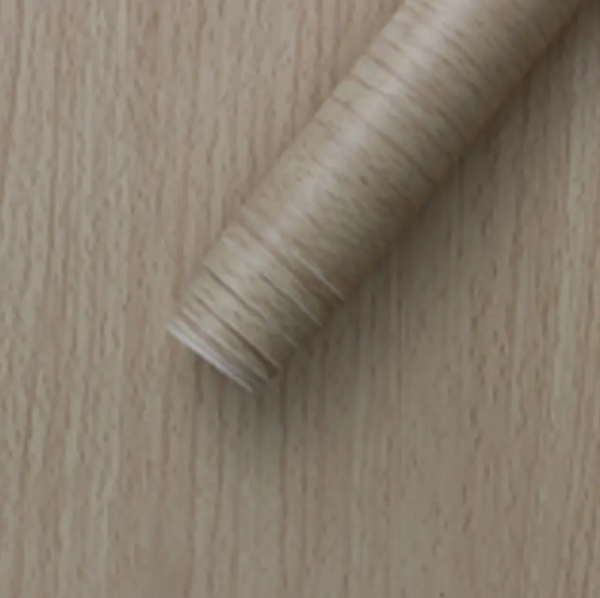
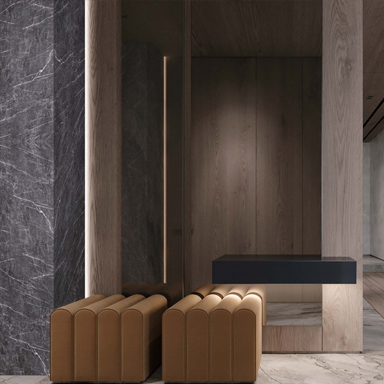
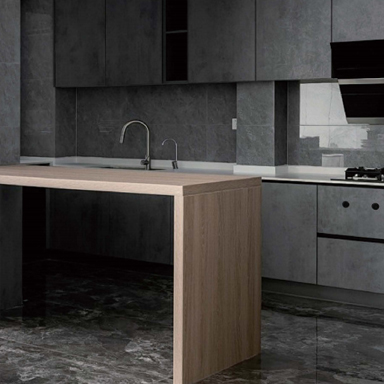
PVC Wooden Wallpaper is generally associated with a flexible wall covering that gives the surface a wood-look finish. PVC Wall Panels are more structured products that cover the wall as panels. Modern wall coverings can also reproduce wood, stone, marble, and other decorative appearances, giving designers more freedom when planning an interior.
For buyers, the right choice depends less on which product sounds more attractive and more on what the wall needs to do.
The simplest difference is their physical form.
Wooden Wallpaper is treated more like a wall covering. It can bring a printed or textured wood appearance to an existing wall while keeping the overall surface relatively flat. The visual effect comes mainly from the surface design.
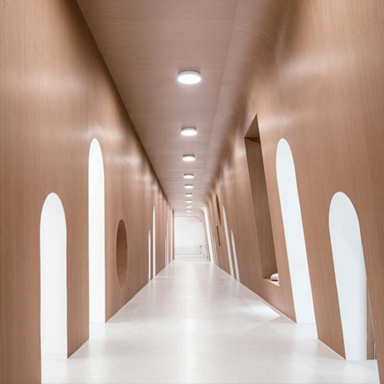
PVC Wall Panels are more substantial wall-covering pieces. They are installed as individual sections or sheets and can create a stronger sense of structure. Some designs include grooves, raised surfaces, or other textures that make the wall part of the room's visual architecture.
This difference affects the overall appearance. Wallpaper can make a wall look like it has a new finish. Panels can make the wall itself feel more designed.
| Comparison Area | PVC Wooden Wallpaper | PVC Wall Panels |
|---|---|---|
| Basic form | Flexible or roll-based wall covering | Panel or sheet-based wall covering |
| Main visual effect | Wood-look surface | Wood-look surface with more structural presence |
| Design approach | Focuses on patterns and finishes | Focuses on finishes, texture, and wall structure |
| Installation style | Applied across the wall surface | Installed as separate wall sections |
| Cleaning | Depends on the surface finish | Generally convenient for suitable panel surfaces |
| Common use | Decorative walls and interior updates | Feature walls, rooms, offices, and larger interior projects |
Neither option should be treated as a universal replacement for the other. They solve similar decorative needs in different ways.
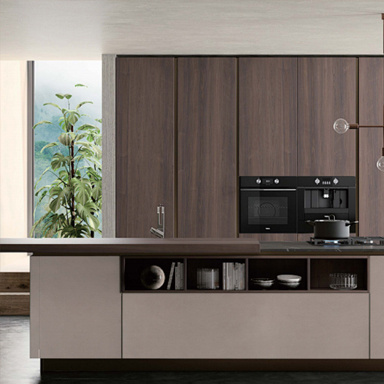
Wood remains popular in interior design because it can make a room feel warmer and more comfortable. Yet natural wood is not always the practical choice for every wall project.
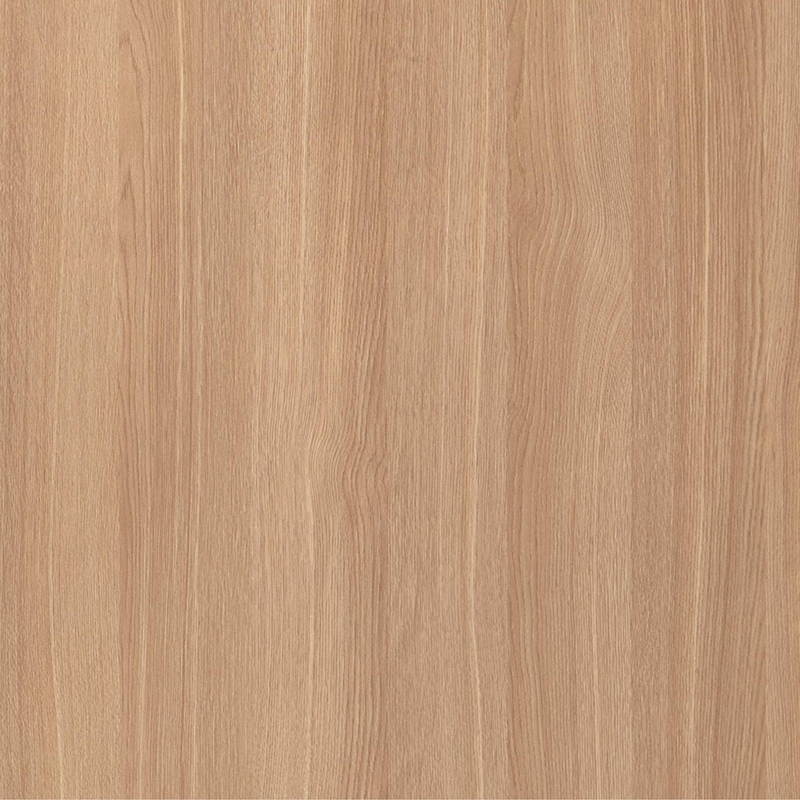
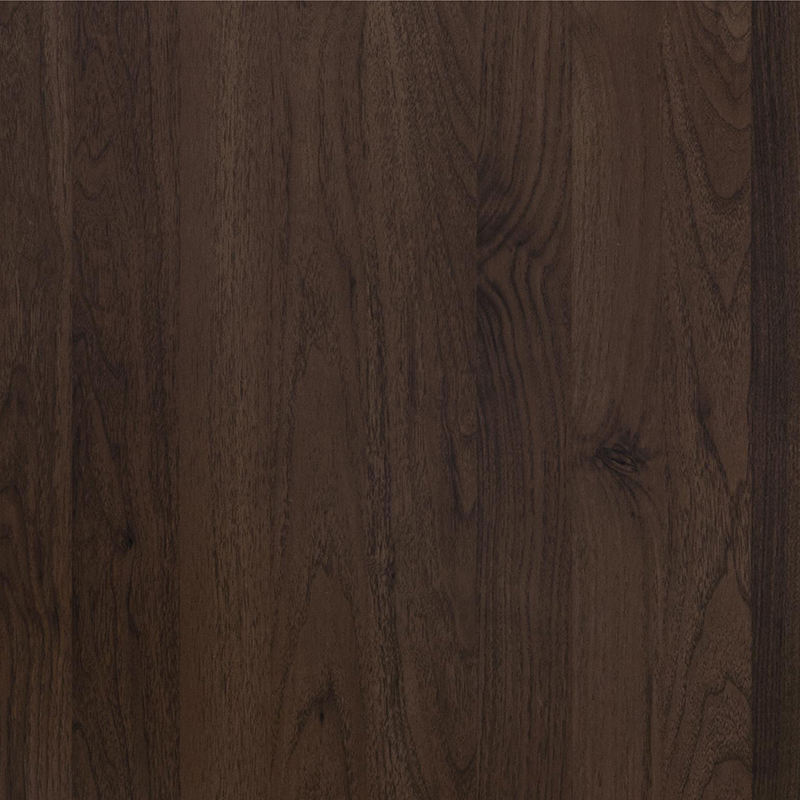
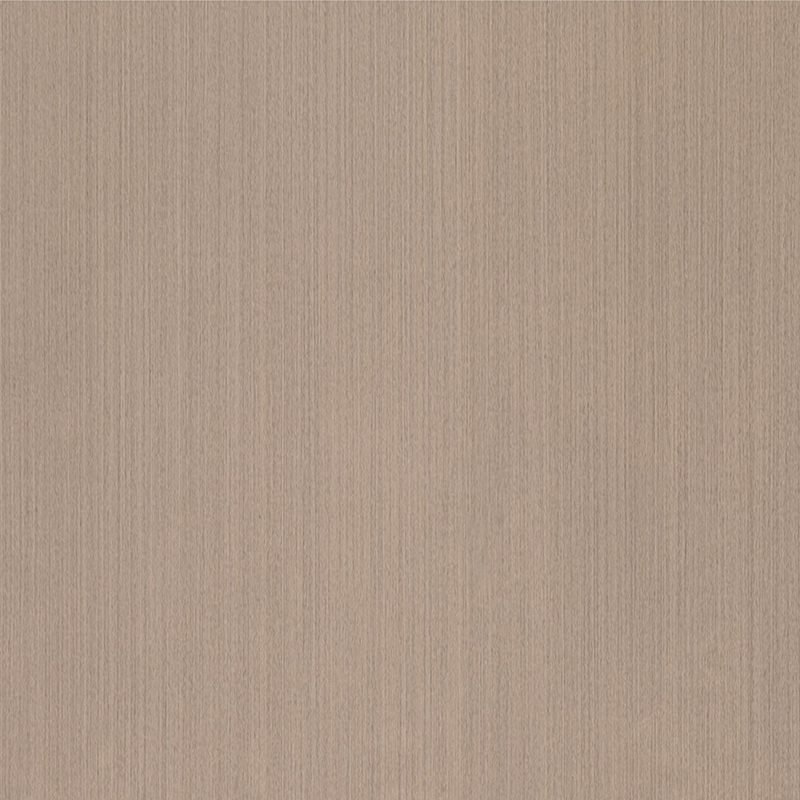
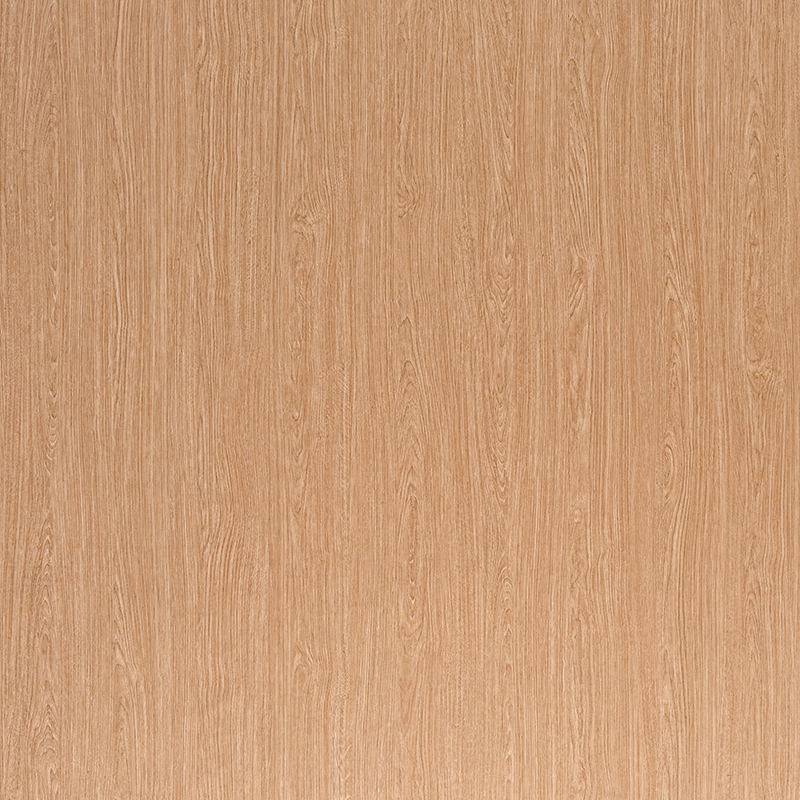
Wooden Wallpaper gives manufacturers a way to reproduce wood-inspired patterns on a flexible decorative surface. The design can resemble different grain directions, tones, and visual textures. This allows the appearance of wood to be introduced without making the entire project depend on natural timber.
PVC Wall Panels can create a similar visual direction but with more physical presence. A panel can divide a wall into sections and introduce lines or texture. This can be useful behind a television, bed, reception desk, sofa, or other focal area.
Recent interior design coverage also shows continued interest in wall treatments that add warmth, texture, and visual character rather than relying only on flat painted surfaces.
For buyers, the key question is not simply whether the product looks like wood. It is whether the wood-look finish fits the rest of the room.
Furniture, flooring, lighting, doors, and wall colors all influence the final result. A strong wood pattern may work well as a feature surface but feel too busy when used across every wall.
Installation is another important difference.
Wallpaper is generally intended to cover a wall surface in a continuous decorative layer. The installer needs to pay attention to wall preparation, alignment, adhesive application, and the joining of sections. A clean and reasonably smooth surface can make the final appearance more consistent.
PVC Wall Panels involve a different process. Individual panels need to be positioned correctly so that joints and patterns line up. Depending on the product and project, installation may involve adhesive, clips, supporting structures, or other methods.
Wall preparation still matters. A panel can hide some minor surface imperfections, but that does not mean every damaged or uneven wall can be ignored.
The installation method also affects future maintenance. A decorative covering that is easy to remove or replace may be useful for projects where the interior is expected to change. A more structured panel system may be more suitable when the wall treatment is intended to become a long-term part of the room design.
Buyers should therefore ask suppliers about the recommended installation method for the exact product rather than assuming all PVC wall coverings are installed in the same way.
Daily maintenance is often overlooked during the purchasing stage. The wall may look attractive when new, but it still has to deal with dust, fingerprints, splashes, and ordinary household use.
PVC-based surfaces can generally be easier to wipe than some traditional wall coverings. However, the actual cleaning method depends on the product's surface and instructions. Buyers should not assume that every decorative PVC finish can be treated in exactly the same way.
Wallpaper can be suitable for spaces where the main concern is keeping a decorative surface neat. A simple surface treatment may allow routine dust and light marks to be removed without complicated maintenance.
PVC Wall Panels can also offer convenient cleaning because many panel surfaces are designed to be wiped. This can be useful in busy areas where walls receive regular contact.
Moisture is another consideration. PVC wall panels are commonly selected for areas where moisture resistance is useful, but suitability depends on the specific product, installation method, joints, and intended application. PVC wall coverings are not automatically suitable for every wet environment.
A buyer should therefore consider the room rather than relying only on the word "PVC."
Wallpaper can be a practical choice when the main goal is to change the visual character of an existing wall.
Living rooms are a common example. A wood-look surface can create a warmer background without making the room feel like a full wood interior. It can be used on one wall or combined with other decorative surfaces.
Bedrooms can also benefit from this approach. A wood-look finish behind a bed can create a clear visual focus while keeping the surrounding walls simpler.
Offices, reception areas, retail interiors, and other commercial spaces may also use wood-inspired wall coverings. The appearance can help soften an otherwise plain environment.
PVC Wooden Wallpaper can be particularly useful when the project values decorative flexibility. Patterns can be selected according to the room's furniture and overall style.
Potential applications include:
The main advantage in these situations is visual flexibility rather than structural change.
PVC Wall Panels become more interesting when buyers want the wall to have a stronger physical presence.
A panel can introduce texture, lines, shadows, and visual separation. This makes it useful for feature walls where the wall itself is intended to become part of the interior design.
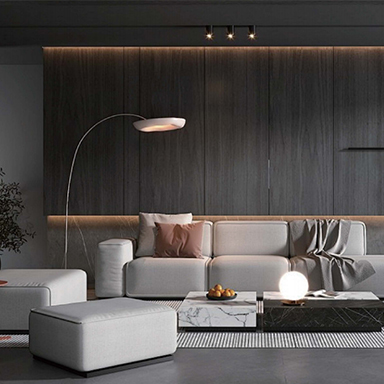
Living rooms remain a common application. A wood-look panel can be placed behind a television or seating area and combined with lighting to create a more defined background.
Commercial interiors can also benefit from panel-based decoration. Offices, hotels, shops, restaurants, and reception areas may use wall panels to establish different visual zones.
Another consideration is wall protection. Depending on the product, panels can provide a more substantial surface than a flexible wall covering. This may be useful in areas where the wall receives more everyday contact.
However, thicker or more structured does not automatically mean more suitable. Panels can also require more planning during installation because joints, corners, edges, and transitions need to be considered.
The design should therefore match the physical layout of the room.
A useful comparison should look at the whole project rather than one feature.
| Buyer Consideration | PVC Wooden Wallpaper | PVC Wall Panels |
|---|---|---|
| Decorative focus | Wood-look pattern and surface finish | Wood-look pattern plus panel structure |
| Visual depth | Usually more surface-oriented | Can create stronger depth and texture |
| Wall transformation | Changes the wall finish | Changes the finish and visual structure |
| Installation planning | Focus on surface preparation and alignment | Focus on panel layout, joints, and positioning |
| Maintenance | Usually based on surface finish | Usually based on panel surface and joints |
| Feature wall use | Suitable for decorative backgrounds | Suitable for structured feature walls |
| Interior renovation | Useful for visual updates | Useful for larger visual and surface changes |
| Design flexibility | Strong focus on wood-look patterns | Combines patterns with panel shapes and textures |
This comparison shows why there is no universal answer.
A buyer who mainly wants a wood appearance may prefer the simpler visual approach of Wooden Wallpaper. A buyer who wants texture and a stronger architectural effect may look toward PVC Wall Panels.
Room conditions also matter. A bedroom has different needs from a kitchen. A decorative office wall has different requirements from a busy corridor.
The purchasing process should begin with the actual project.
Buyers can consider several practical questions before placing an order.
1. What is the wall condition?
A smooth and properly prepared wall can make installation easier. Existing cracks, moisture problems, dust, or weak surfaces may need attention before any covering is installed.
2. What visual effect is required?
If the goal is mainly a wood pattern, PVC Wooden Wallpaper may fit the design direction. If the wall needs visible texture or panel divisions, PVC Wall Panels may be more appropriate.
3. How much of the wall will be covered?
A single feature wall and an entire commercial interior can require different approaches. The amount of material, installation method, and layout should all be considered together.
4. How will the surface be maintained?
Ask how the finished surface should be cleaned. Also consider areas that may experience fingerprints, dust, splashes, or regular contact.
5. What happens at corners and joints?
This is especially important with wall panels. Edges, corners, openings, and transitions can affect the final appearance. A good layout should be considered before installation begins.
6. Is the product suitable for the intended room?
A product intended for ordinary interior decoration should not automatically be assumed to suit areas with unusual moisture, heat, or other demanding conditions.
7. Does the supplier provide clear product information?
Buyers should be able to understand the intended application, installation approach, care requirements, and available design options before making a decision.
The growing range of wall-covering materials gives interior projects more room for creative choices. Wooden Wallpaper and PVC Wall Panels may share a wood-inspired appearance, but they approach wall decoration from different directions.
PVC Wooden Wallpaper focuses more on the decorative surface. PVC Wall Panels place more emphasis on the wall as a visible design element. Understanding that distinction can help buyers avoid choosing a product based only on a sample image.
For residential renovation, commercial interiors, offices, and feature-wall projects, the better question is not which material is universally better. It is which format matches the wall, the room, the installation plan, and the desired visual effect.
Contact us

+86-15726853660 / +86-18301913645
No. 99, Jinxiang Road, Hubin New District, Suyu, Suqian City, Jiangsu Province, China

Decorative Film Materials

 English
 Français
 Español
 عربى
عربى
 русский